#g20-policy
#g20-policy
[ follow ]
#davos #world-economic-forum #economic-growth #tariffs #us-foreign-policy #geopolitics #inflation #trade-policy
#economic-growth
Business intelligence
fromLondon Business News | Londonlovesbusiness.com
6 days agoOECD warns global growth at risk unless countries embrace structural reform - London Business News | Londonlovesbusiness.com
Global economic growth is pressured by uncertainties and structural challenges, requiring comprehensive reforms to enhance productivity and competitiveness.
fromwww.aljazeera.com
2 weeks agoG7 ready to take necessary measures' to ensure energy market stability
We stand ready to take all necessary measures in close coordination with our partners, including to preserve the stability and security of the energy market, said the G7 in a statement after a teleconference.
World news
World news
fromFortune
2 weeks agoAn uneasy mix of celebration and anxiety dominates the 'Davos of energy' as the month-long Iran war further disrupts the global economy | Fortune
Ending the war risks ceding the Strait of Hormuz to Iran, impacting global energy supply and causing widespread economic consequences.

Canada news
fromFortune
1 month agoEconomist Eswar Prasad warns a 'motley group' of middle powers can't stop the 'doom loop' threatening the global economy | Fortune
The rules-based international order faces rupture as great powers weaponize economic integration, tariffs, and supply chains, forcing middle powers to form strategic alliances or risk marginalization.
World politics
fromLondon Business News | Londonlovesbusiness.com
1 month agoEarly crude spike eases as G7 weigh up releasing reserves - London Business News | Londonlovesbusiness.com
Middle East conflict escalation causes global equity market decline and historic oil supply shock of 20 million barrels daily, prompting G7 reserve releases and widespread economic concerns.
Miami food
fromenglish.elpais.com
1 month agoMilei travels to the United States to join Trump's meeting with Latin American leaders as Middle East conflict escalates
Javier Milei is attending Trump's Shield of the Americas summit in Miami, strengthening Argentina's alignment with U.S. Republican policies and regional rightwing leaders.
fromLondon Business News | Londonlovesbusiness.com
1 month agoG7 decides against emergency oil release despite rising prices - London Business News | Londonlovesbusiness.com
We are not there yet. What we've agreed upon is to use any necessary tools, if needed, to stabilise the market, including the potential release of stockpiles.
Europe news
Alternative medicine
fromNatural Health News
3 months agoApocalyptic warnings mask a prosperous reality at COP30
Historical data contradicts climate chief warnings of climate-induced famines; modern hunger stems from conflict and politics, not environmental factors, while CO2 increases have enhanced agricultural productivity.
fromwww.independent.co.uk
2 months agoThe EU is seeking new trade partnerships. Here's why
Whether it's investigating the financials of Elon Musk's pro-Trump PAC or producing our latest documentary, 'The A Word', which shines a light on the American women fighting for reproductive rights, we know how important it is to parse out the facts from the messaging. At such a critical moment in US history, we need reporters on the ground. Your donation allows us to keep sending journalists to speak to both sides of the story.
France news
fromwww.npr.org
2 months agoAt Davos, U.S. allies question a fraying world order
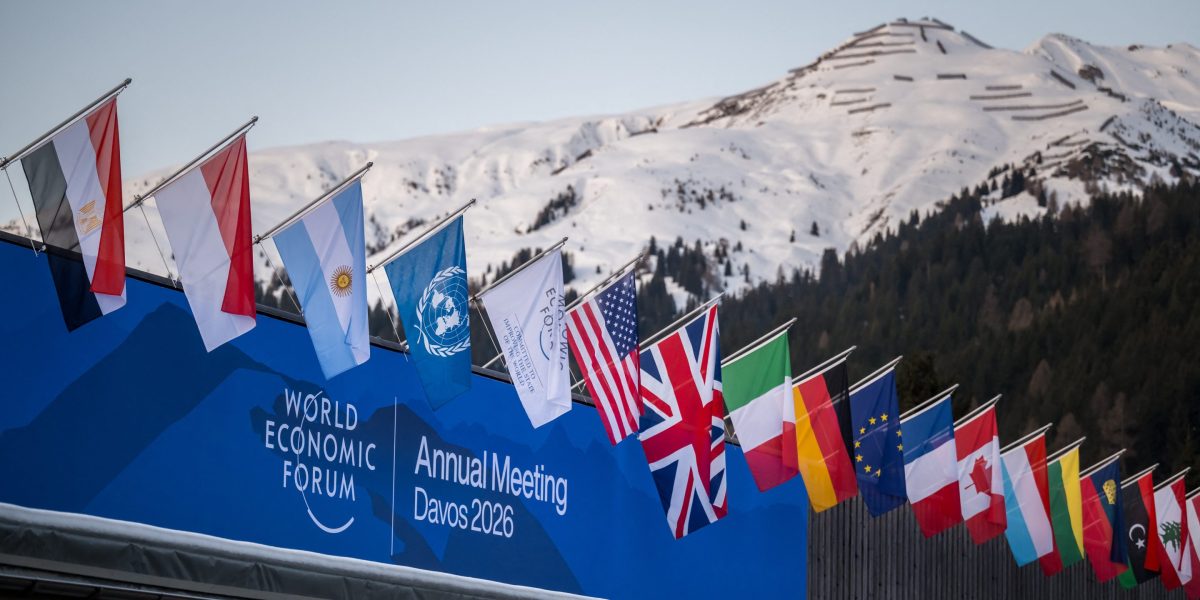
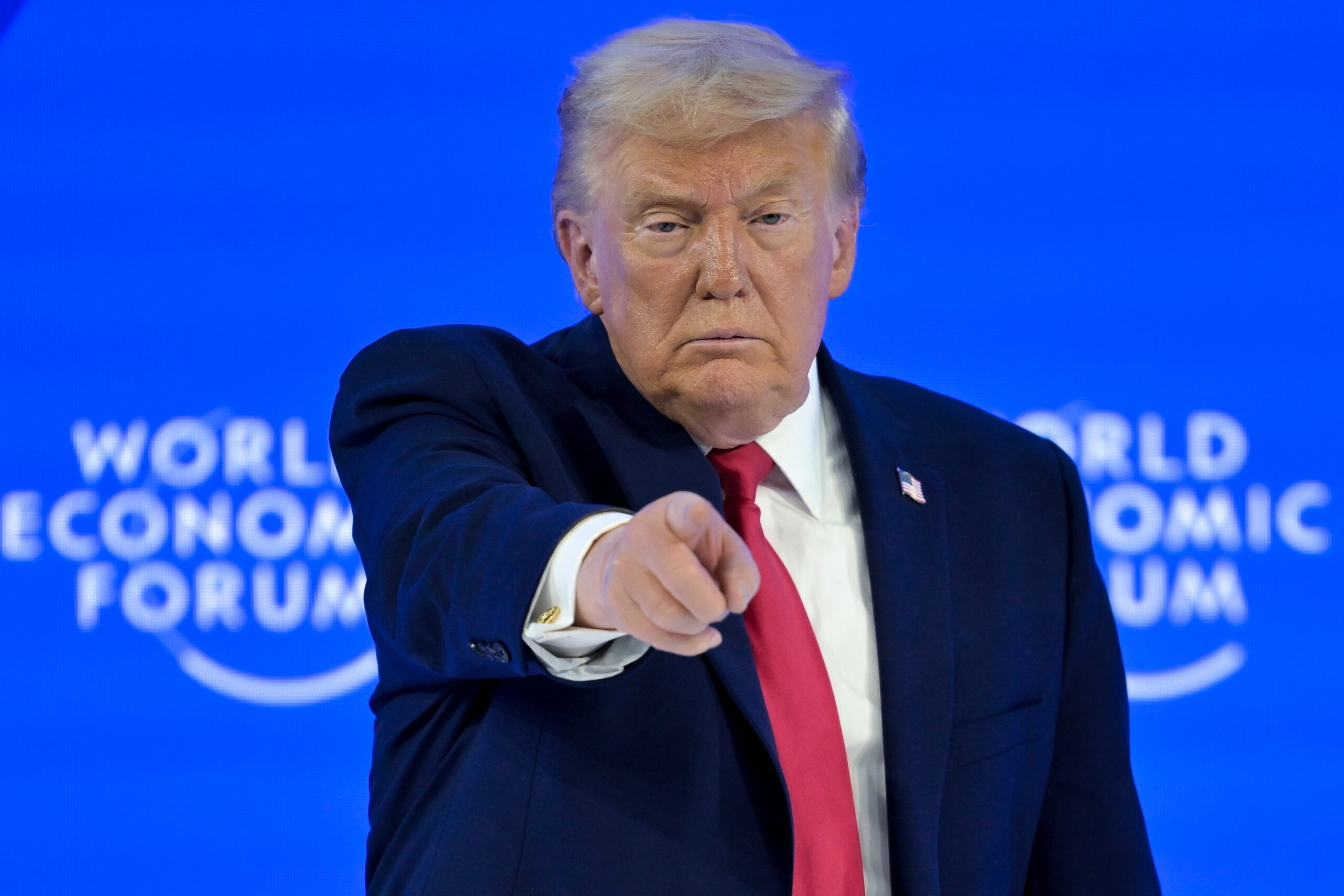
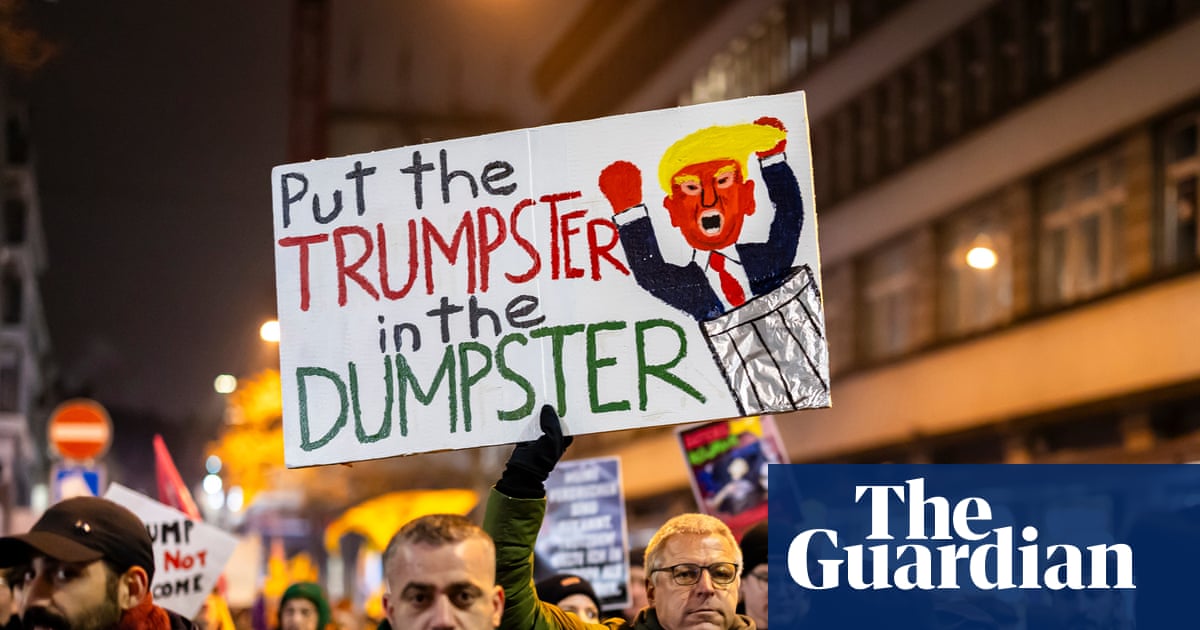
DAVOS, Switzerland It was among the most volatile weeks for trans-Atlantic relations in recent history, marked by a series of disruptive statements from President Trump that unsettled global markets and strained relations with some of America's closest allies on topics that ranged from Greenland to Gaza. The diplomatic whiplash was on full display in the Swiss ski resort of Davos, where the annual World Economic Forum unfolded against the backdrop of growing uncertainty about America's role as a global leader among Western democracies.
US news

fromTechCrunch
2 months agoHow did Davos turn into a tech conference? | TechCrunch
The World Economic Forum's annual meeting in Davos felt different this year, and not just because Meta and Salesforce took over storefronts on the main promenade. AI dominated the conversation in a way that overshadowed traditional topics like climate change and global poverty, and the CEOs weren't holding back. There was public criticism of trade policy, warnings about AI bubbles popping, and a lot of talk about what comes next for the industry.
Startup companies
fromFortune
2 months agoEU and Mercosur bloc of South American nations sign trade deal to end quarter-century of talks, just as Trump hits Europe with new tariffs | Fortune
The European Union and the Mercosur bloc of South American countries formally signed a long-sought landmark free trade agreement on Saturday, capping more than a quarter-century of torturous negotiations to strengthen commercial ties in the face of rising protectionism and trade tensions around the world. The signing ceremony in Paraguay's capital, Asunción, marks a major geopolitical victory for the EU in an age of American tariffs and surging Chinese exports, expanding the bloc's foothold in a resource-rich region increasingly contested by Washington and Beijing.
Miscellaneous
Europe politics
fromwww.theguardian.com
1 month agoThe Guardian view on Merz and Meloni: an emerging Berlin-Rome axis is threatening the EU's green deal
EU leaders are rolling back environmental regulations, risking climate goals and weakening the emissions trading system under pressure from a deregulatory Berlin-Rome axis.
Canada news
fromThe Walrus
1 month agoIn First Major Test of His Davos Logic, Carney Visits India to Rebuild Trust | The Walrus
Middle powers like Canada and India must strengthen bilateral ties to maintain independence amid US volatility and Chinese assertiveness, despite recent diplomatic damage over Sikh separatism allegations.
fromThe Local France
2 months agoEU to ink long-awaited trade deal with South American bloc
The European Union will on Saturday sign a deal 25 years in the making with the South American trade bloc Mercosur, creating one of the world's largest free trade areas at a time of growing protectionism and volatility. The long-awaited agreement comes amid the sweeping use of tariffs and trade threats by US President Donald Trump's administration, which has sent countries scrambling for new partnerships.
France news
US news
fromLondon Business News | Londonlovesbusiness.com
1 month agoThe Significant Events in the Global Economy Explained - London Business News | Londonlovesbusiness.com
Supreme Court tariff reversal lifted investor sentiment and stocks, while Fed division on rates, rising inflation, and slowing GDP kept markets cautious.


fromenglish.elpais.com
2 months agoTech giants showcase their overwhelming power in Davos
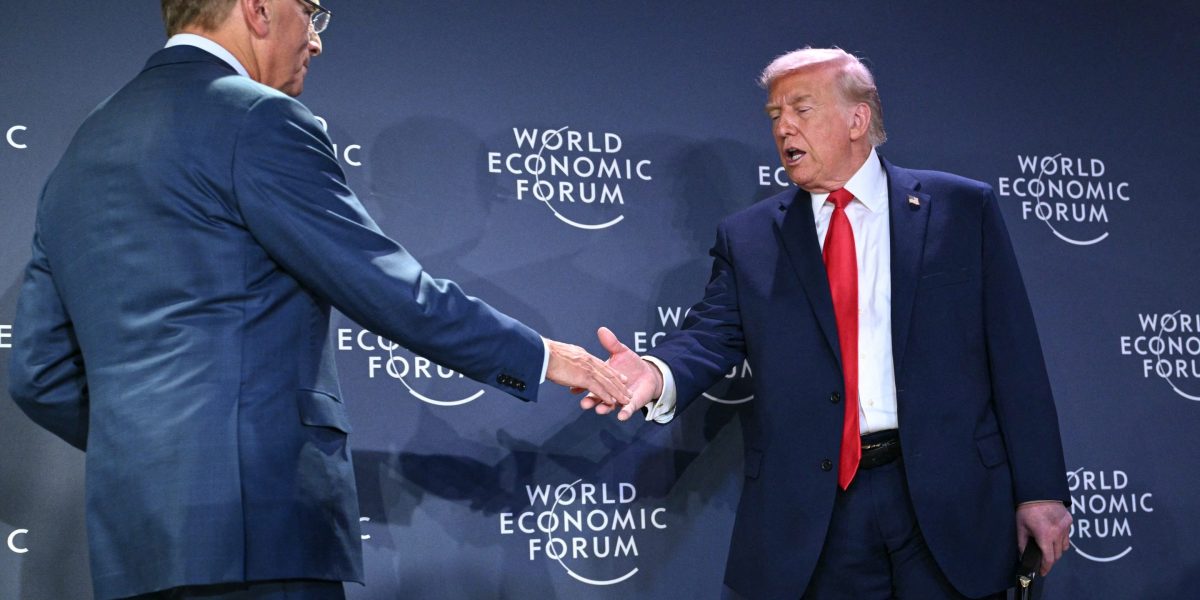
The display isn't necessarily based on the communication style of the leaders of these titans. Huang and Nadella, for example, tend toward a thoughtful and moderate discourse, and even the hyperbolic Musk was relatively restrained in his conversation with Larry Fink (BlackRock) on the main stage in Davos. But the flexing of muscles is evident in the arguments presented, in conjunction with the data.
Artificial intelligence
fromwww.aljazeera.com
2 months agoRupture in the world order': Speeches by Carney, world leaders in Davos
World leaders, rattled by Donald Trump's latest gambit in Greenland, look to present a united front at the World Economic Forum. As world leaders, including allies of the United States, gather in the Swiss resort city of Davos for the World Economic Forum (WEF), US President Donald Trump's attacks on the existing global world order have been on the top of their minds with Canadian Prime Minister Mark Carney saying the US-led global system is enduring a rupture.
World politics
fromwww.theguardian.com
2 months agoUS, UK, EU, Australia and more to meet to discuss critical minerals alliance
Ministers from the US, EU, UK, Japan, Australia and New Zealand will meet in Washington this week to discuss a strategic alliance over critical minerals. The summit is being seen as a step to repair transatlantic ties fractured by a year of conflict with Donald Trump and pave the way for other alliances to help countries de-risk from China, including one centred on steel.
World news
fromThe Nation
2 months agoAt Davos, the World Watched the Rantings of a Despot
He announced a 10 percent tariff on eight European countries that had sent troops to Greenland for a military exercise. On Sunday afternoon, he composed a poorly punctuated, paranoiac note to the Norwegian prime minister in which he blamed the Norwegian government for not being awarded the Nobel Peace Prize, said the rejection had liberated him to stop thinking about peace, and claimed that it had set him on the path to conquer Greenland to protect the United States.
World politics
World news
fromFortune
2 months agoBRICS could become a new pillar of global governance-if its rapid growth doesn't erode its newfound clout | Fortune
BRICS' rapid expansion risks internal incohesion and failure to reform global governance despite its vast population, resources, and strategic potential.
fromwww.aljazeera.com
1 month agoHas BRICS given up on challenging Western economic dominance?
Jim O'Neill, the economist who coined the term BRIC' 25 years ago, argues that the group is losing its relevance. At its peak, the BRICS coalition of economies Brazil, Russia, India, China and South Africa was seen as a serious attempt to move away from the United States dollar and the domination of Western economic institutions like the World Bank, Group of Seven (G7), and International Monetary Fund (IMF).
World news
fromAxios
2 months agoThe great Davos divorce: America's allies draw red line with Trump
We knew the story of the international rules-based order was partially false. That the strongest would exempt themselves when convenient. That trade rules were enforced asymmetrically. ... That international law applied with varying rigor depending on the identity of the accused or the victim,
World news
World news
fromwww.theguardian.com
2 months agoAt the table or on the menu': a turbulent Davos week with Trump's circus in town
Rising great-power economic coercion threatens middle powers, prompting calls for collective resistance, deeper European integration, and new trading relationships to avoid being crushed.
fromwww.theguardian.com
2 months agoIMF warns tariffs and geopolitical tensions threaten markets and global growth
The International Monetary Fund has warned mounting geopolitical tensions and an escalation of Donald Trump's tariff war could hit global economic growth and trigger a backlash in financial markets. In an update as Trump threatens to impose tariffs on Nato allies opposed to his ambitions in Greenland, the Washington-based fund said a renewed eruption in trade tensions was among the biggest risks to global growth in 2026.
World news
World news
fromwww.theguardian.com
2 months agoEven the Davos elites have woken up, but they need more than just speeches to survive the end of the old order | Nesrine Malik
The rules-based international order has been collapsing, driven by structural, normative, and ideological breakdowns and pragmatic violations by powerful states to preserve their interests.
fromBusiness Matters
2 months agoDavos 2026: Analysts from Fortrade Review the Summit from a Financial Point of View
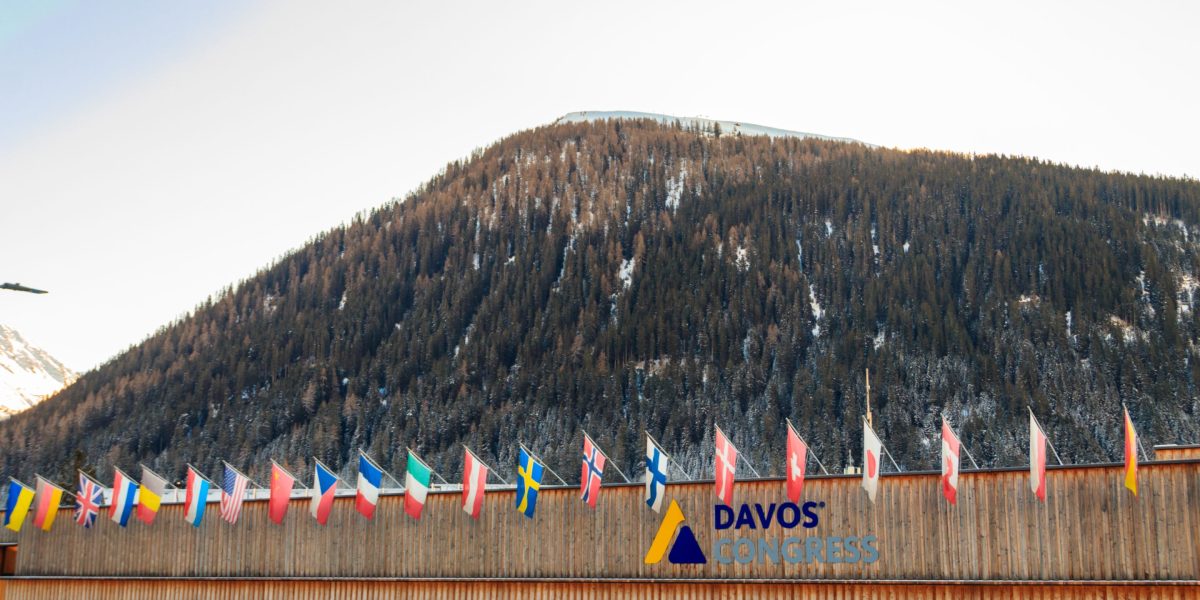
The meeting, held from 19 to 23 January under the theme "A Spirit of Dialogue," took place at a time when the global situation still feels uncomfortable. Inflation has eased in some places, but not enough to make central banks relaxed. Growth is holding in parts of the world and slowing in others. Debt remains high, and trade has become more political.
World news
[ Load more ]