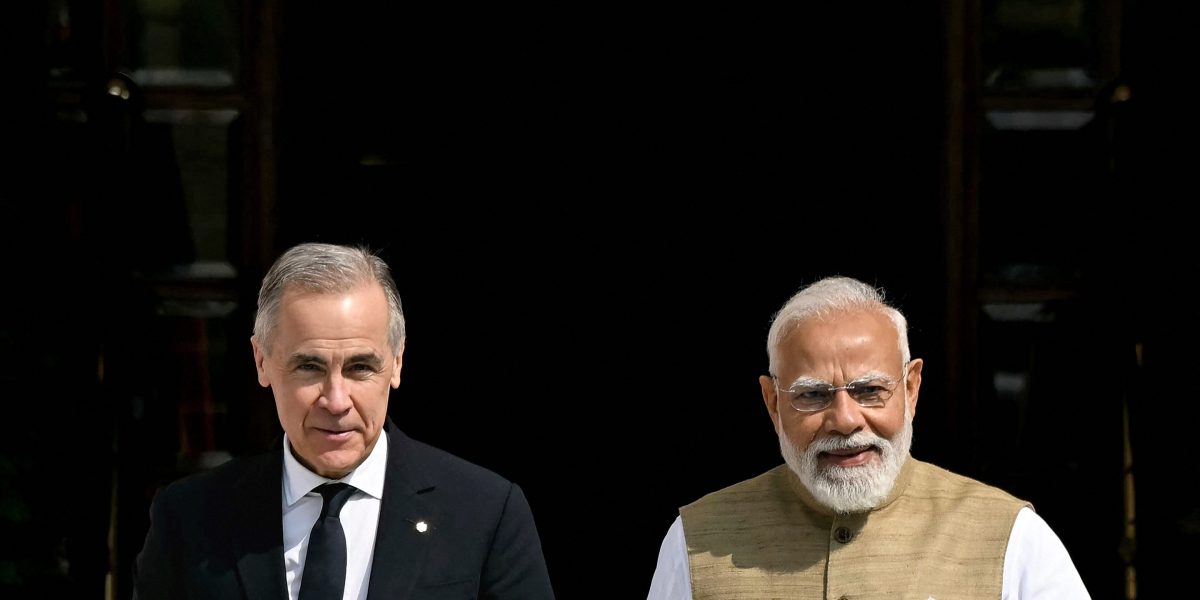
"Great powers like the U.S. and China were "using economic integration as weapons, tariffs as leverage, financial infrastructure as coercion, and supply chains as vulnerabilities to be exploited." His message to middle powers was blunt: "If we're not at the table, we're on the menu.""
"Middle powers are a "motley group," including basically everyone outside of the U.S. and China. "They're large and small, rich and poor, and so they're not going to have perfectly aligned interests.""
""If you don't have deep alliances built on mutual trust, it's difficult to fashion a new rules‑based order," Prasad says. "The underlying tensions between rich and poor countries will bubble up to the surface.""
The international order is experiencing significant strain as major powers like the U.S. and China exploit economic tools as weapons, creating instability for middle powers. Canadian Prime Minister Mark Carney warns that middle powers must secure positions at negotiating tables or face exclusion. However, middle powers form a diverse group with conflicting interests, making unified action difficult. Carney proposes "variable geometry"—flexible alliances based on specific interests—but experts caution this approach lacks the deep trust and shared values necessary for effective international cooperation. Without strong institutional frameworks and mutual trust, underlying tensions between wealthy and developing nations will intensify, undermining efforts to establish a new rules-based global order.
Read at Fortune
Unable to calculate read time
Collection
[
|
...
]