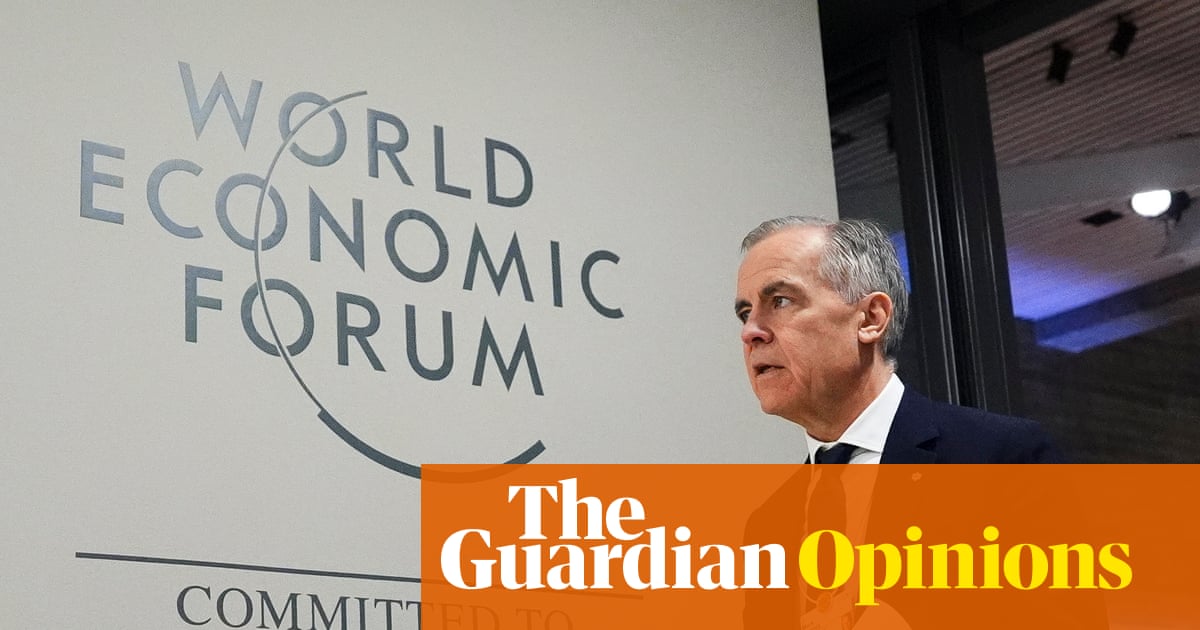
"The first is structural, that is, the agreement between powerful and prosperous countries that there would be certain mechanisms and protocols to maintain political stability, contain the outbreak of wars and promote their mutual economic interests. All the bodies that direct international traffic the EU, Nato, the UN, the WTO, the IMF make up that top layer of organisation. The second was more abstract,"
"the norms that those countries adhered to in action and rhetoric. They would not launch aggressive protectionist economic policies against each other, definitely not have designs on each other's territory and not pass opinion on each other's domestic affairs. The third was the ideological glue that held it all together, one that advanced the impression that these were not simply transactional arrangements in everyone's interest, but something rooted in liberal ideals: the promotion of universal human rights, rights to self-determination"
"and the sanctity of individual freedoms. In many ways, the final component was the most important, what Carney called a pleasant fiction. This pretence that the whole thing wasn't fundamentally about American hegemony. The US and its allies committed violations of international law frequently, or endorsed them, or let them pass but broadly put in the effort to make those actions seem coherent. They had to sometimes violate the order so they could save it. They did so not because they coul"
The rules-based order is fading and appears to be in an irreversible rupture. The order consisted of three layers: institutional structures (EU, NATO, UN, WTO, IMF) that governed political stability and economic cooperation; norms limiting protectionism, territorial designs and interference in domestic affairs; and an ideological layer rooted in liberal ideals such as human rights, self-determination and individual freedoms. The ideological layer functioned as a veneer that masked hegemonic interests. Powerful states frequently violated or endorsed violations of international law while presenting those actions as coherent attempts to preserve the broader order.
Read at www.theguardian.com
Unable to calculate read time
Collection
[
|
...
]