#economic-partnerships
#economic-partnerships
[ follow ]
#tariffs #trade #eu #trade-deal #trade-policy #canada #trade-agreements #free-trade-agreement #economic-strategy
fromRealagriculture
19 hours agoBeef imports, red tape reductions, & a new canola processing facility | RealAg Radio, April 21, 2026
Mercosur represents a number of South American countries, including Brazil, Argentina, Uruguay, and Paraguay. However, it does not offer a reciprocal trading opportunity for Canadian beef farmers and ranchers.
Agriculture



#tariffs
fromFortune
2 months agoUS politics
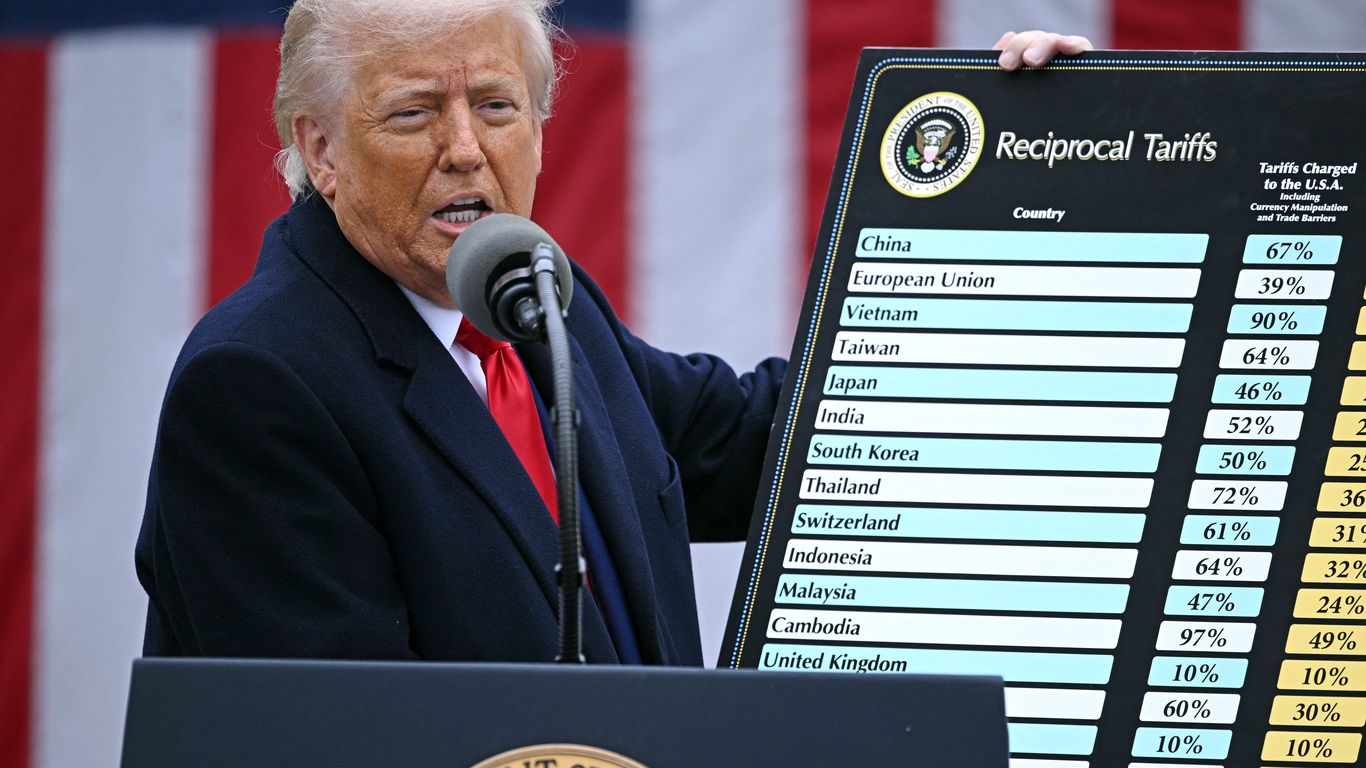
How Trump created a trade deal bonanza-for all of America's former allies who realized they needed new partners | Fortune
Allies and global investors are diversifying away from the United States due to President Trump's unpredictable tariffs, reducing U.S. influence and raising costs.
fromwww.dw.com
21 hours agoTaiwan blames pressure from China for nixed Africa trip
The actual reason was intense pressure exerted by Chinese authorities, including economic coercion. Using coercive means to force a third country to change its sovereign decisions not only undermines aviation safety and violates relevant international norms and practices, it also constitutes a blatant interference in another country's internal affairs.
World politics
#canada

fromFortune
2 days agoCanada news
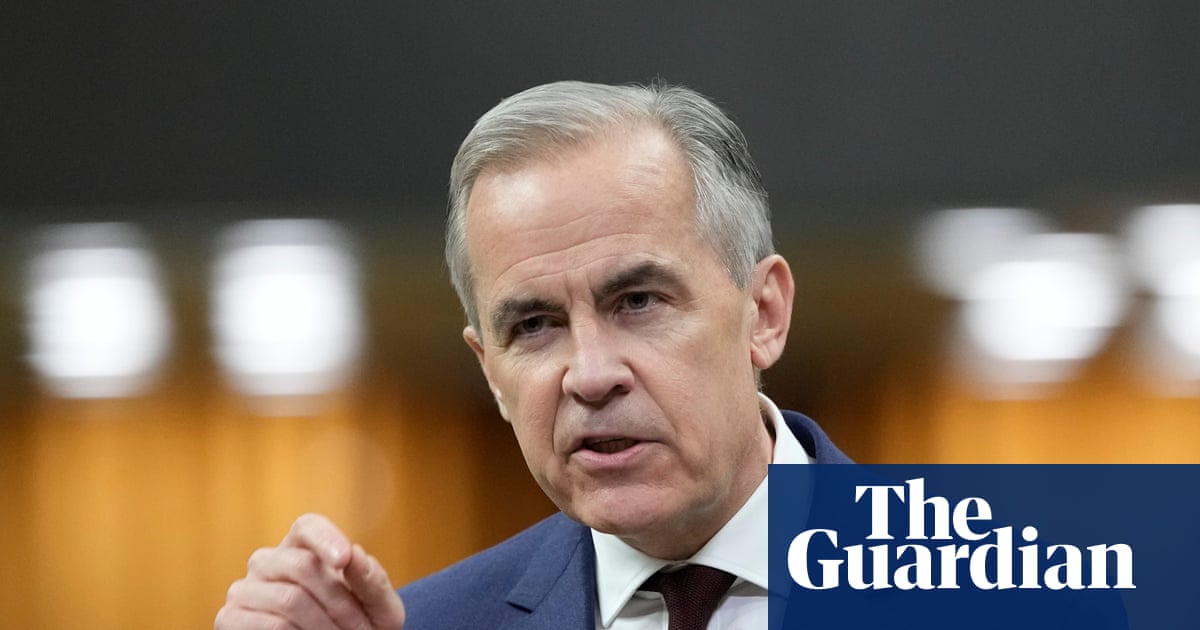
Canada's PM says strong U.S. economic ties were a strength but are now a weakness that must be fixed. 'We have to take care of ourselves' | Fortune
Canada's economic ties to the U.S. have shifted from strength to weakness, necessitating diversification and new trade agreements.
Canada news
fromFortune
2 days agoCanada's PM says strong U.S. economic ties were a strength but are now a weakness that must be fixed. 'We have to take care of ourselves' | Fortune
Canada's economic ties to the U.S. have shifted from strength to weakness, necessitating diversification and new trade agreements.
fromFortune
1 day agoSoutheast Asia's short-term solution to the global energy crunch? Russian crude. | Fortune
"Fortunately, our relations with Russia remain good," Anwar Ibrahim, Malaysia's prime minister, told local publication Sinar Harian. "Therefore, the Petronas team can negotiate with them."
World politics
fromThe Atlantic
5 days agoA Pillar of the Economics Establishment Admits That It Was Wrong
The World Bank's recent report argues that government intervention, when done right, can actually be an essential ingredient of economic success, reversing decades of opposition to industrial policy.
World politics
European startups
fromwww.dw.com
1 month agoUS trade probes could lead to new tariffs for EU, China
The US launched two trade investigations targeting excess industrial capacity and forced labor imports, potentially leading to new tariffs on major trading partners after the Supreme Court limited Trump's tariff authority.
#eu-mercosur
Europe politics
fromFortune
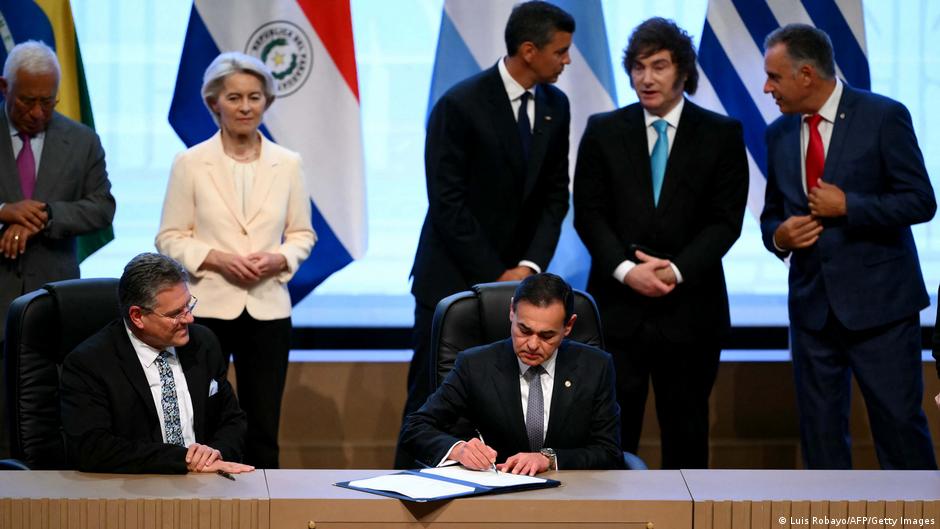
4 weeks agoAfter 25 years of negotiations, the EU finally signs the EU-Mercosur deal, the biggest trade deal in history linking 700 million people | Fortune
The EU-Mercosur free trade deal will begin on May 1, enhancing trade among 700 million people and reducing dependency on China and the US.

Europe politics
fromFortune
4 weeks agoAfter 25 years of negotiations, the EU finally signs the EU-Mercosur deal, the biggest trade deal in history linking 700 million people | Fortune
The EU-Mercosur free trade deal will begin on May 1, enhancing trade among 700 million people and reducing dependency on China and the US.
fromFortune
2 months agoEU moves closer to another major Asian power on trade, upgrading ties with Vietnam | Fortune
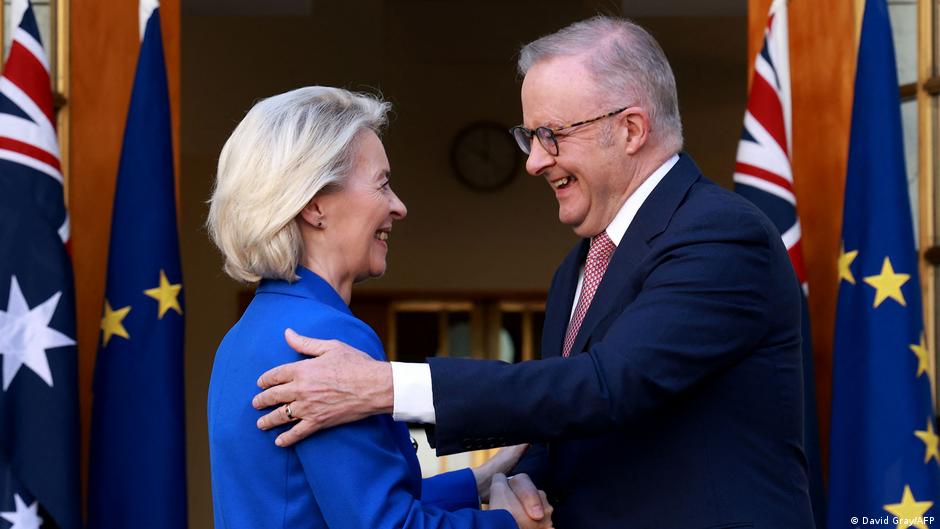
The upgrade places the EU on the same diplomatic footing as the United States, China and Russia and was announced during a visit to Hanoi by European Council President António Costa. "At a moment when the international rules-based order is under threat from multiple sides, we need to stand side by side as reliable and predictable partners," Costa said, adding that the partnership is about "developing spheres of shared prosperity."
Miscellaneous
fromwww.independent.co.uk
2 months agoThe EU is seeking new trade partnerships. Here's why
Whether it's investigating the financials of Elon Musk's pro-Trump PAC or producing our latest documentary, 'The A Word', which shines a light on the American women fighting for reproductive rights, we know how important it is to parse out the facts from the messaging. At such a critical moment in US history, we need reporters on the ground. Your donation allows us to keep sending journalists to speak to both sides of the story.
France news


fromFortune
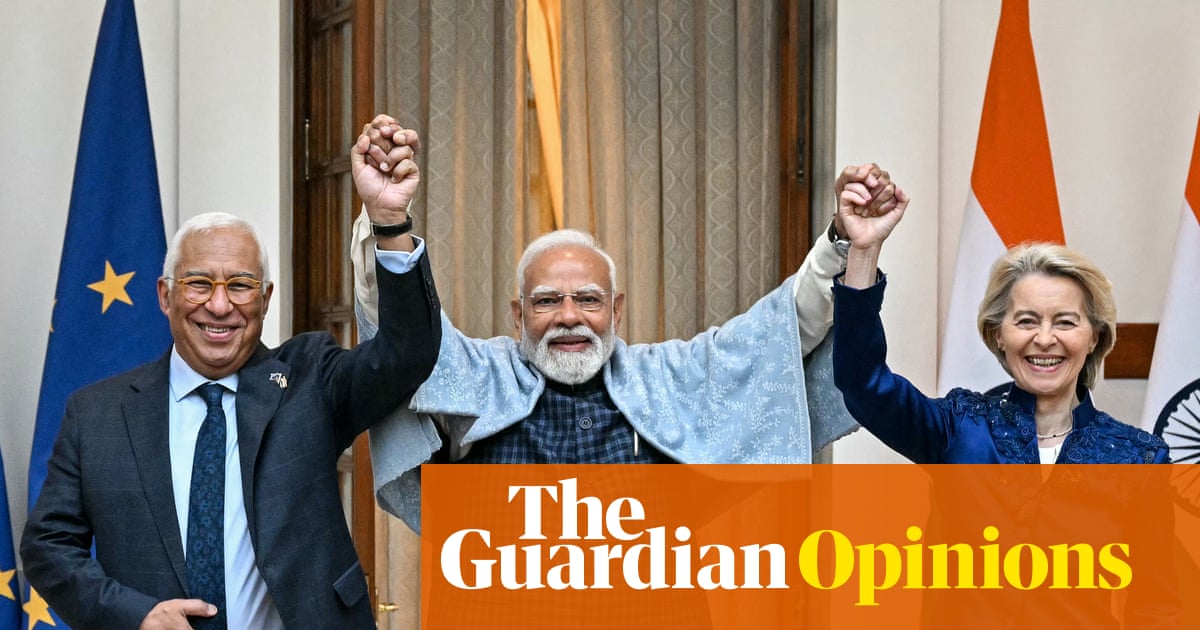
2 months agoIndia, EU reach 'mother of all' trade agreements after nearly 20 years of talks | Fortune
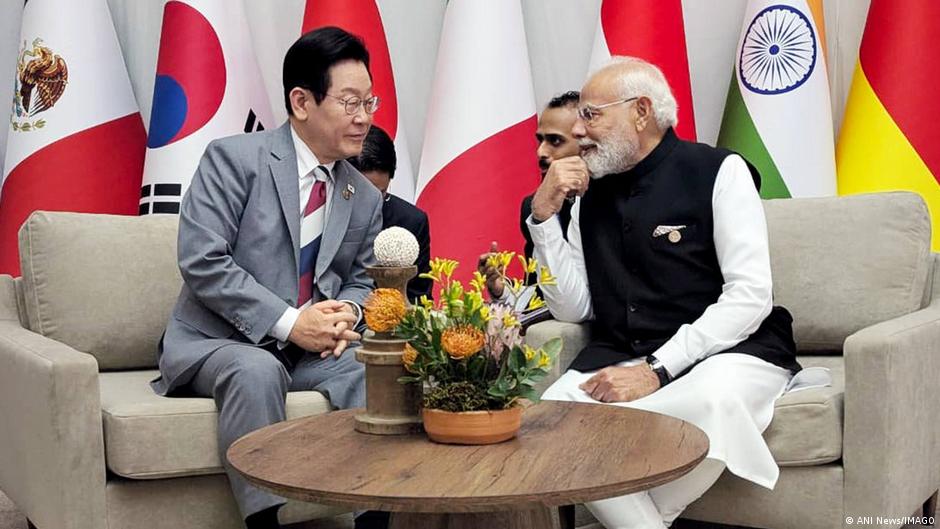
After nearly two decades of negotiations, India and the European Union announced Tuesday they have reached a free trade agreement to deepen economic and strategic ties. The accord, which the EU chief described as the "mother of all deals," could affect as many as 2 billion people. The deal between two of the world's biggest markets comes as Washington targets both India and the EU with steep import tariffs, disrupting established trade flows and pushing major economies to seek alternate partnerships.
Miscellaneous

fromwww.dw.com
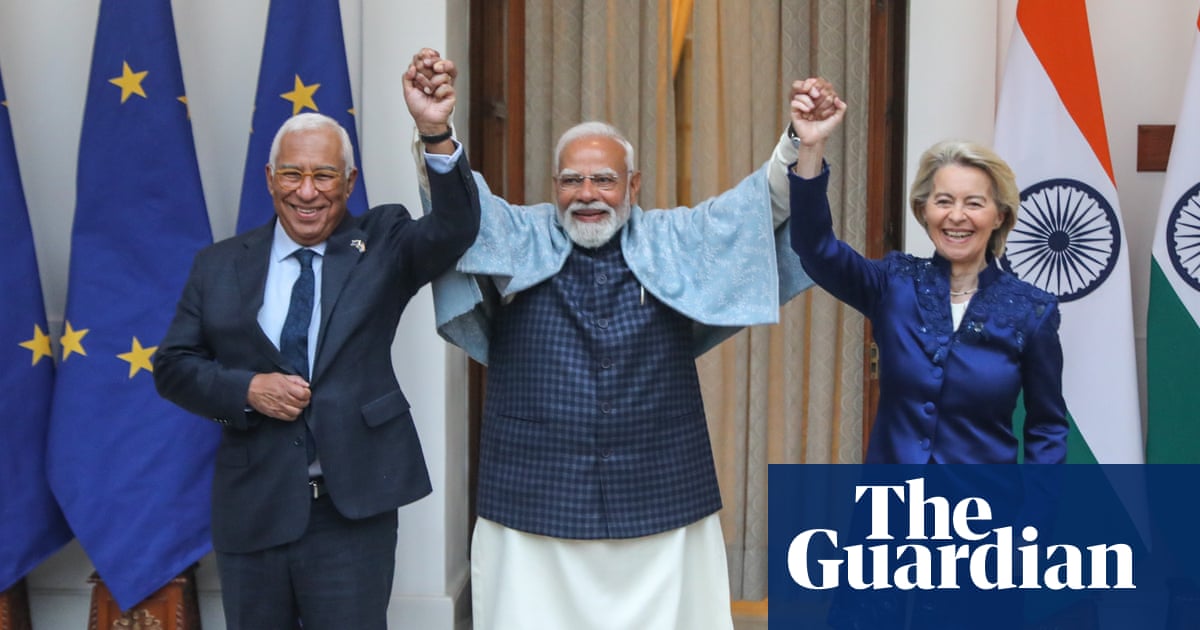
2 months agoEU, India secure historic free trade agreement
The deal would forge a market of two billion people and nearly a quarter of global GDP, according to the European Commission. Follow DW for more. EU and India conclude trade negotiations after nearly two decades of on-off negotiationsImage: Altaf Hussain/REUTERS Skip next section What you need to know EU and India have finalized a trade deal after nearly two decades of negotiations
Miscellaneous
fromwww.dw.com
1 month agoEU to 'provisionally implement' controversial Mercosur deal
The European Commission will "proceed with [the] provisional application" of the Mercosur trade deal with Argentina, Brazil, Paraguay and Uruguay, the commission's chief Ursula von der Leyen announced on Friday. The deal was signed in January after over 25 years of negotiations, despite opposition from some European farmers.
Miscellaneous
fromFortune
2 months agoA spectre is haunting Europe - the spectre of Trump. Cue the Asian trade deals | Fortune
Stability. Consistency. Ever-changing complexity. With language like that, deployed in separate meetings in three Asian capitals this week, government leaders forged closer ties driven in part by a figure halfway around the world: the president of the United States. And much of the time, they didn't even mention Donald Trump's name. IN BEIJING: The U.K. and Chinese leaders called Thursday for a "long-term, stable, and comprehensive strategic partnership" between their two countries. The important words are long-term and stable. The two countries committed a decade ago to building a comprehensive strategic partnership but progress has been halting at best.
World politics
fromwww.dw.com
2 months agoVietnam boosts EU partnership to match ties to China, US
The announcement of a "Comprehensive Strategic Partnership" between Brussels and Hanoi last week places the EU side by side with China, the United States, and Russia as one of Vietnam's top-tier diplomatic relationships. Vietnamese President Luong Cuong described it as a "historical milestone underlining the great achievements that the two sides have made," during a meeting with the head of the European Council, Antonio Costa, in Hanoi.
Miscellaneous
fromenglish.elpais.com
2 months agoEU executive must decide whether to implement Mercosur deal despite setback from Parliament
But what is legally possible could pose a serious political problem. Because, as the European Commission pointed out when remarking on the Parliament's negative vote, the legal formula used to process the ratification of this agreement is the same one used for an agreement reached with Chile that did not raise any questions inside the European Parliament. In other words, the outcome of this vote suggests that the opposition for legal concerns is motivated less by legal reasons than by political ones.
Miscellaneous
[ Load more ]