#trade-agreements
#trade-agreements
[ follow ]
#tariffs #us-china-relations #economic-policy #brexit #trump-administration #uk-eu-relations #us-economy
#us-china-relations


US politics
fromLondon Business News | Londonlovesbusiness.com
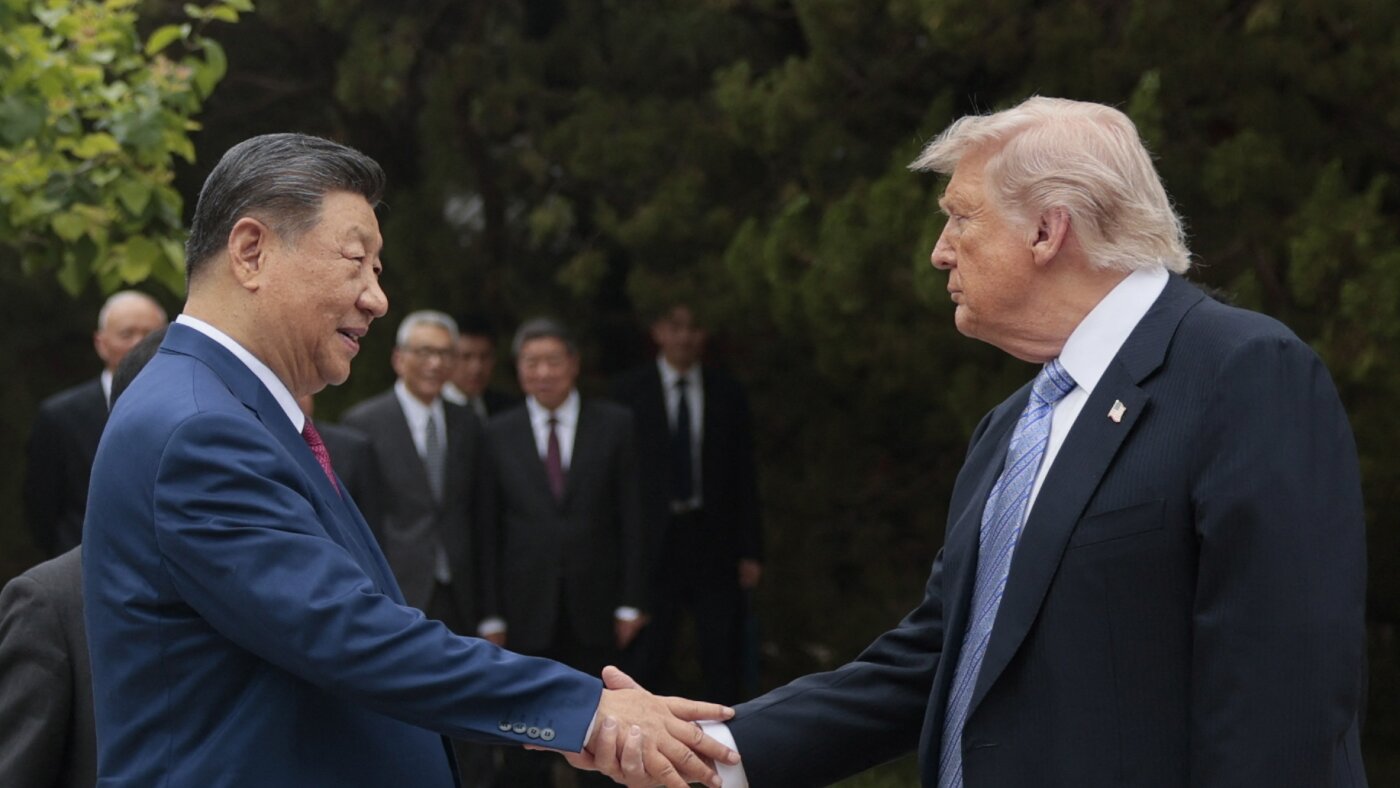
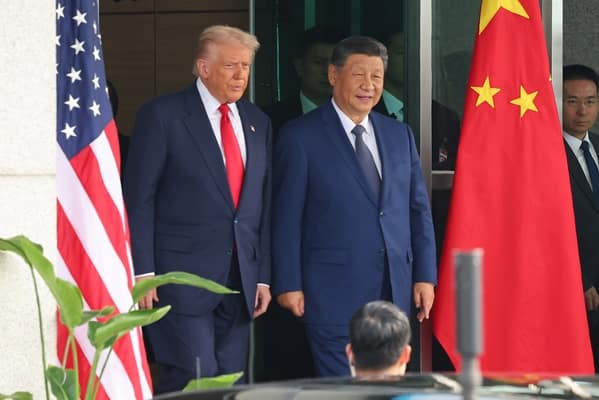
9 months agoUS-China trade truce set to expire
US-China trade truce expected to be extended; markets show muted responses amid inflation data and geopolitical developments.
Nvidia and AMD will surrender part of China revenue for export licenses in a unique agreement.

#uk-eu-relations


fromwww.bbc.com
1 year agoUK politics
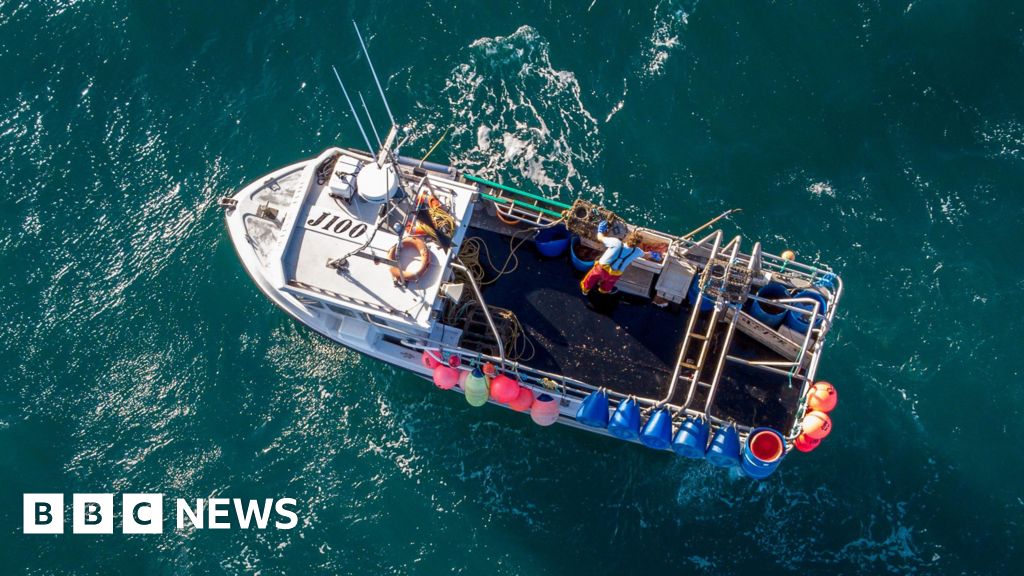
EU deal disastrous for Scotland, says fishing body
The UK fishing agreement has polarized opinions, with significant criticism from Scottish leaders and support from fish farming bodies.
Scottish leaders are disappointed with the government's deal with the EU, feeling excluded from important negotiations.
Europe politics
fromwww.theguardian.com
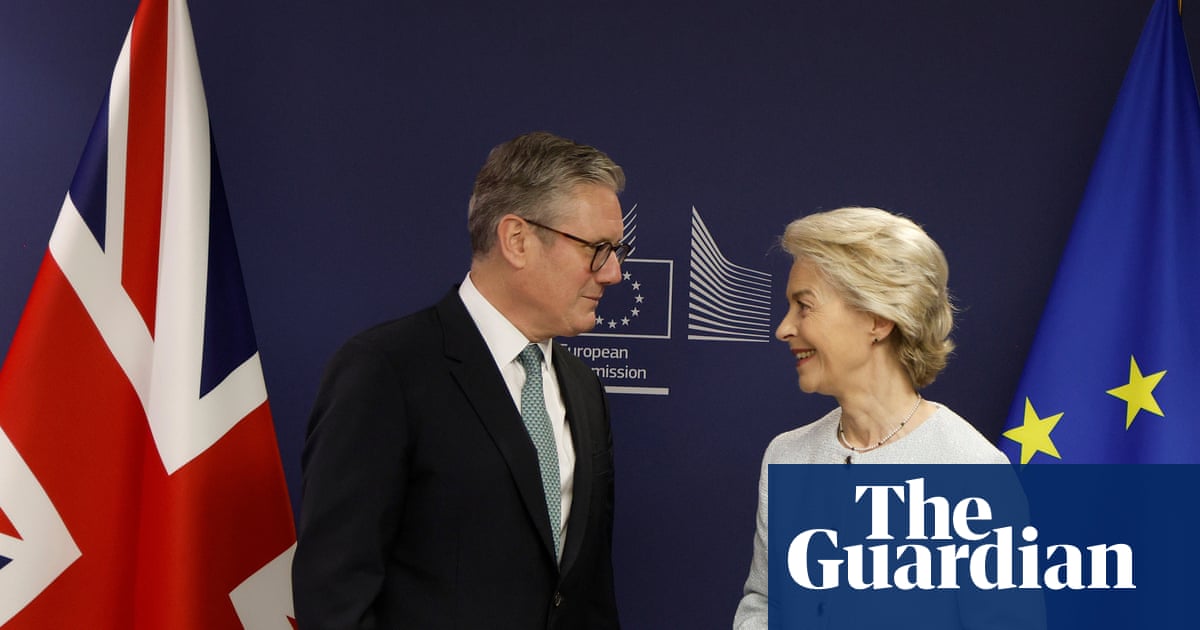
2 months agoYes, Keir Starmer must do better and go faster in bringing Britain closer to Europe. Here's how to reset his reset | Naomi Smith
UK-EU relations risk stalling without urgent action on trade deals and energy agreements to boost the economy and reduce living costs.
Intellectual property law
fromIPWatchdog.com | Patents & Intellectual Property Law
8 years agoRenegotiate NAFTA to Make it the Gold Standard in IP Protection
Renegotiating NAFTA presents an opportunity to enhance protections for intellectual property rights, crucial for U.S. economic growth and job preservation.
fromFortune
1 month agoAfter 25 years of negotiations, the EU finally signs the EU-Mercosur deal, the biggest trade deal in history linking 700 million people | Fortune
The priority now is turning this EU-Mercosur agreement into concrete outcomes, giving EU exporters the platform they need to seize new opportunities for trade, growth and jobs.
Europe politics
fromwww.dw.com
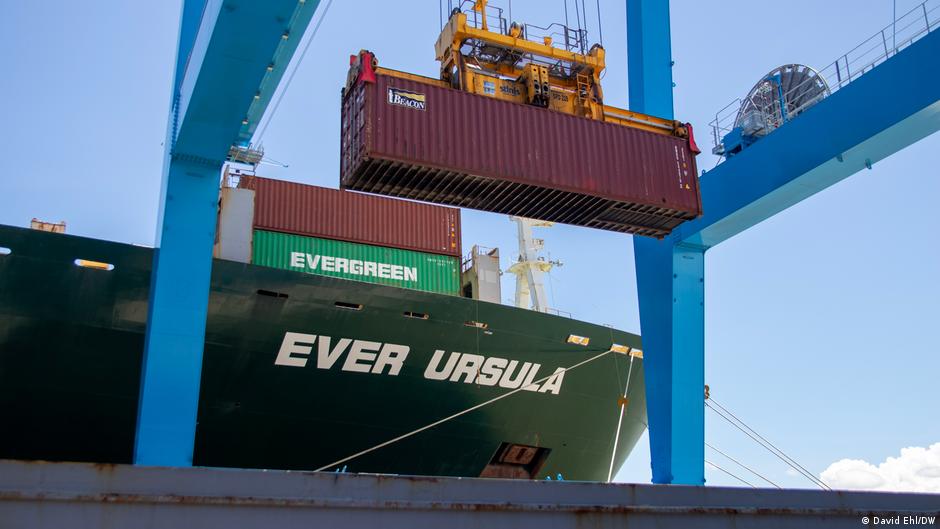
2 months agoWhy the US says India can buy Russian oil again
India is an essential partner of the United States, and we fully anticipate that New Delhi will ramp up purchases of US oil. This stop-gap measure will alleviate pressure caused by Iran's attempt to take global energy hostage.
US politics



fromwww.aljazeera.com
3 months agoFacing a mercurial Trump, countries scramble to forge new alliances
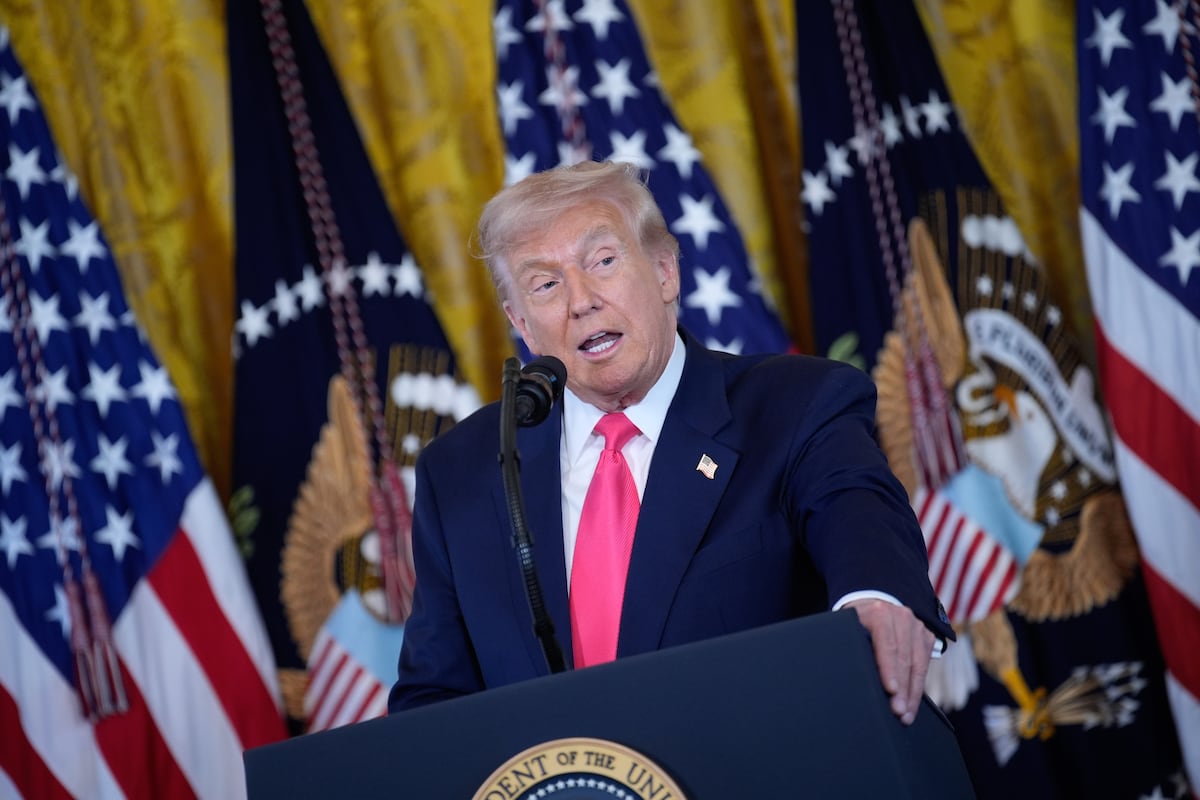
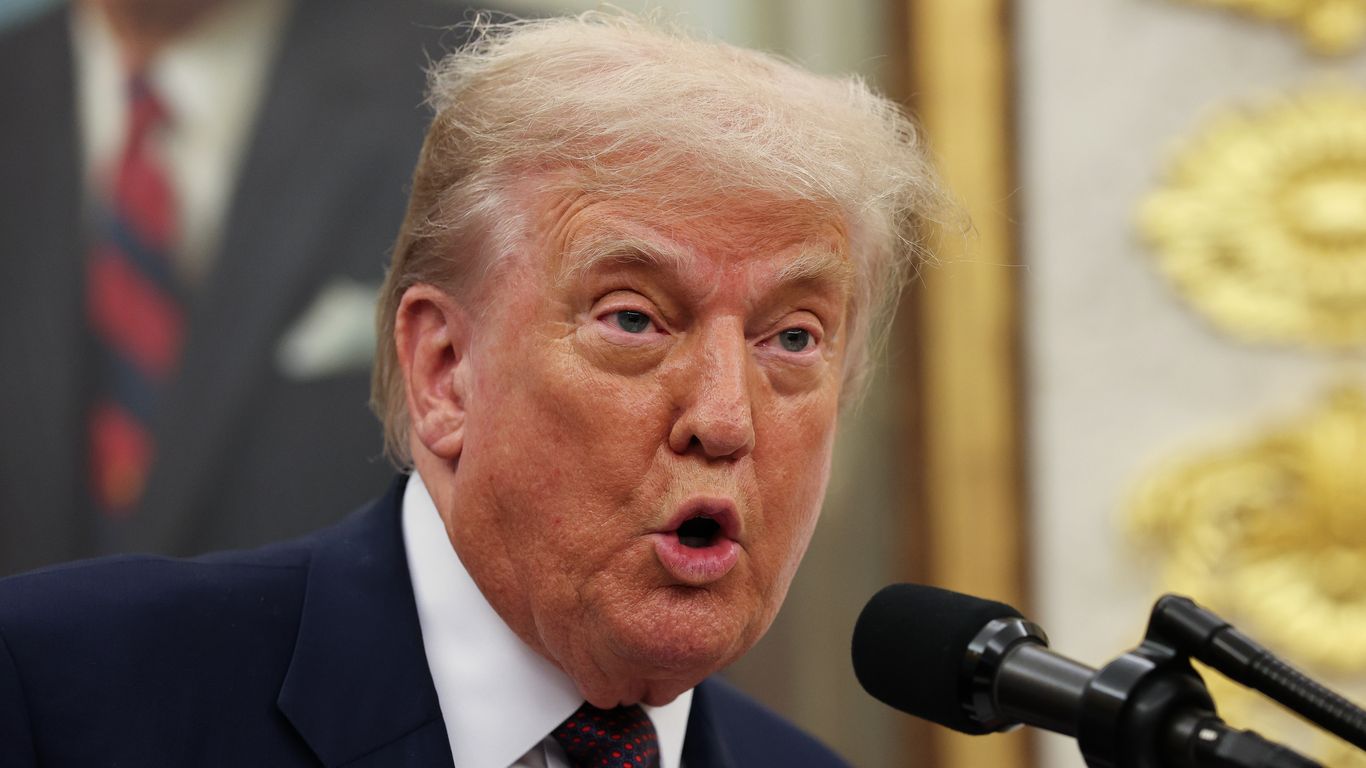
Countries are increasingly settling aside old grudges to lessen their reliance on Washington. As Donald Trump continues to unleash havoc on allies and trading partners, countries are scrambling to forge new alliances and mend broken ones as they try to shield themselves from a mercurial American president. The past few months have seen a flurry of diplomatic moves by governments seeking to lessen their reliance on the United States, including among countries that had long nursed grudges against one another.
World news
World news
fromSlate Magazine
3 months agoNATO Is Doing Military Exercises-Without America. That Does Not Mean Anything Good.
Allied countries moved to reduce reliance on the United States in diplomacy, trade, military cooperation, and financial reserves, signaling a potential permanent transatlantic split.


fromFortune
3 months agoA spectre is haunting Europe - the spectre of Trump. Cue the Asian trade deals | Fortune
Stability. Consistency. Ever-changing complexity. With language like that, deployed in separate meetings in three Asian capitals this week, government leaders forged closer ties driven in part by a figure halfway around the world: the president of the United States. And much of the time, they didn't even mention Donald Trump's name. IN BEIJING: The U.K. and Chinese leaders called Thursday for a "long-term, stable, and comprehensive strategic partnership" between their two countries. The important words are long-term and stable. The two countries committed a decade ago to building a comprehensive strategic partnership but progress has been halting at best.
World politics
fromwww.theguardian.com
5 months agoMPs warn that UK agreements with Donald Trump are built on sand'
The milestone US-UK deal announced this month on pharmaceuticals, which will mean the NHS pays more for medicines in exchange for a promise of zero tariffs on the industry, still lacks a legal footing beyond top lines contained in two government press releases. Concerns over the basis of the agreement have been heightened by Washington's decision to suspend the 31bn tech prosperity deal, which had been hailed as a generational step-change in our relationship with the US.
US politics
fromBusiness Matters
6 months agoSmall exporters 'left behind' as larger firms surge ahead, warns BCC
According to the BCC's latest Quarterly Trade Confidence Report, only 16 per cent of micro exporters - companies with fewer than ten employees - reported growth in international sales during the third quarter of this year. In contrast, 42 per cent of larger exporters saw exports rise over the same period, highlighting what the BCC described as a "deeply concerning" divide.
Business
fromLondon Business News | Londonlovesbusiness.com
7 months agoBusiness owners 'crying out' for support in Autumn Budget - London Business News | Londonlovesbusiness.com
UK SMEs say specific Government initiatives designed to help them survive and grow don't go far enough, according to new research from independent funder, Bibby Financial Services ("BFS"). The Q3 2025 SME Confidence Tracker, which surveys 1,000 UK SMEs, reveals that over half (52%) of small businesses believe measures such as the Fair Payment Code, Late Payments Review* and the British Business Bank's Bank Referral Scheme fail to protect and support them.
Business
from24/7 Wall St.
9 months agoTrump's $12-$15 Trillion of New Capital Makes These 4 AI Stocks (and 1 ETF) a Buy
The Big Beautiful Bill (BBB) assures tax cuts that stimulate investment, job creation, and GDP growth, leading to unprecedented economic booms from fully deductible depreciation for buildings, equipment, and research.
US politics
fromFortune
9 months agoTrump scores another big trade deal after securing promise of massive investment, but China will be less willing to cave, analyst says
"They got the 15% rate because they were willing to provide this innovative financing mechanism," he told Bloomberg TV on Wednesday, when asked if other countries could get a similar rate.
US politics
fromABC7 Los Angeles
9 months agoTrump and Philippine leader Marcos plan to talk tariffs and China at the White House
"I intend to convey to President Trump and his Cabinet officials that the Philippines is ready to negotiate a bilateral trade deal that will ensure strong, mutually beneficial and future-oriented collaborations that only the United States and the Philippines will be able to take advantage of," Marcos said Sunday when he was departing for Washington, according to his office.
US politics
US politics
fromLondon Business News | Londonlovesbusiness.com
10 months agoStarmer and Trump continue with 'discussions' over US Steel tariffs - London Business News | Londonlovesbusiness.com
Trump intends to implement tariffs on steel starting July 9, with potential increases affecting British imports.
fromLondon Business News | Londonlovesbusiness.com
10 months agoCar production fell for the fifth consecutive month in May - London Business News | Londonlovesbusiness.com
Production of cars in the UK has drastically decreased this year, highlighting significant challenges within the automotive sector and its response to external pressures.
Cars


fromLondon Business News | Londonlovesbusiness.com
11 months agoUK bioethanol industry at risk - London Business News | Londonlovesbusiness.com
The British Chambers of Commerce has called for urgent government action to safeguard the domestic bioethanol industry at risk due to US import tariff removals.
UK politics
UK politics
fromLondon Business News | Londonlovesbusiness.com
11 months agoConfidence rises as trade outlook improves - London Business News | Londonlovesbusiness.com
Consumer confidence is improving but remains low compared to last year, influenced by economic growth and easing geopolitical tensions.
fromLondon Business News | Londonlovesbusiness.com
11 months agoBCC warns businesses are 'facing a perfect storm' of cost pressures - London Business News | Londonlovesbusiness.com
Businesses are facing a perfect storm of cost-pressures which is fuelling inflation alongside rising household bills. While April's jump was expected, the scale, to 3.5%, is concerning.
UK news
[ Load more ]