#economic-justice
#economic-justice
[ follow ]
#new-york-city #community-support #wealth-inequality #democratic-party #childcare #labor-rights #workers-rights
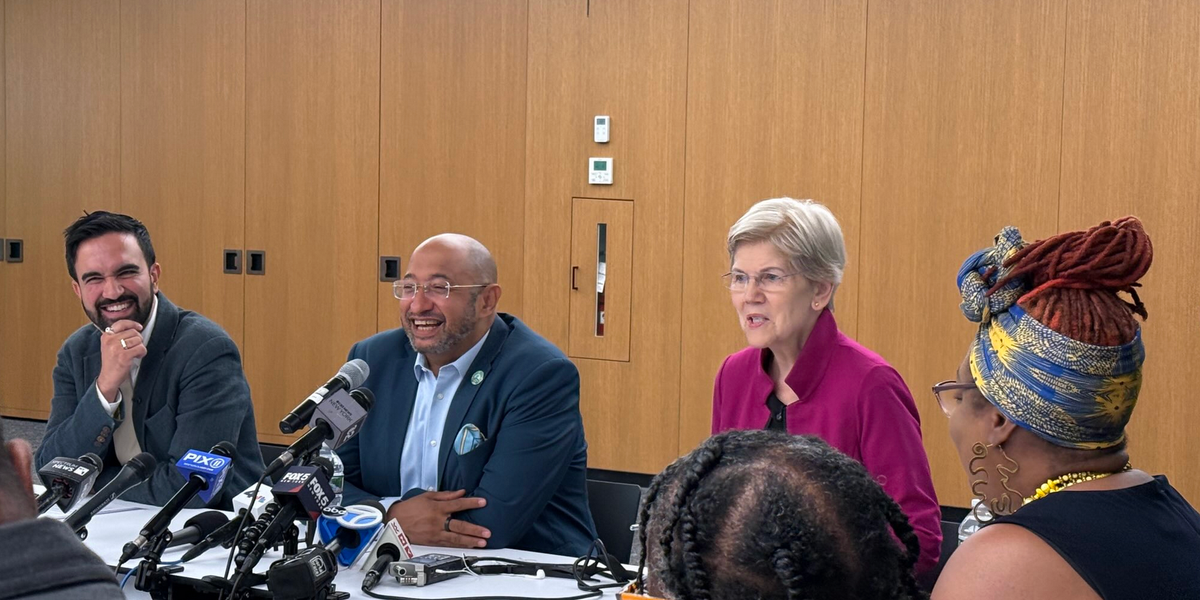
Books
fromNonprofit Quarterly | Civic News. Empowering Nonprofits. Advancing Justice.
1 month agoThe End of Mass-Market Paperbacks Is an Issue of Justice | Nonprofit Quarterly | Civic News. Empowering Nonprofits. Advancing Justice.
Mass-market paperbacks, affordable books designed for portability and accessibility, are being discontinued due to declining sales, representing a significant loss for readers and writers.
NYC politics
fromwww.amny.com
1 month agoFrom Buffalo to Brooklyn: Over 50 Faith Leaders Support Auto Insurance Reform in New York | amNewYork
Over 50 New York faith leaders support Governor Hochul's auto insurance reform plan to lower premiums that exceed $4,000 annually, nearly double the national average, disproportionately burdening working families and communities of color.
#wealth-inequality
US politics
fromFast Company
1 month agoState lawmakers have introduced 100+ bills to rein in wealth hoarding
At least 19 states have introduced over 100 bills in the 2026 legislative session to address wealth inequality and rising costs of living through tax policy reforms and wealth redistribution measures.

US politics
fromFast Company
1 month agoState lawmakers have introduced 100+ bills to rein in wealth hoarding
At least 19 states have introduced over 100 bills in the 2026 legislative session to address wealth inequality and rising costs of living through tax policy reforms and wealth redistribution measures.
fromwww.theguardian.com
1 month agoHow Jesse Jackson's radically inclusive' vision shaped the Democratic party we know today
Reverend Jesse Jackson, the civil- and human-rights trailblazer who died on 17 February, imagined a version of America where the marginalized became the center. His was a much more progressive vision than what the Democratic party thought possible after the civil rights movement, and through Jackson's National Rainbow Coalition launched after his first presidential campaign in 1984 he laid the groundwork for a new era.
US politics
fromwww.amny.com
3 months agoMLK Day: Mayor Mamdani makes case for taxing the rich a personal one for Black families during BAM speech amNewYork
Mayor Zohran Mamdani used his Martin Luther King Jr. Day speech at the Brooklyn Academy of Music (BAM) on Monday to push back against warnings that his plan for higher taxes on wealthy New Yorkers would drive them out of the city, arguing that city leaders have ignored what he described as a more concrete and damaging population loss. When I speak about how the wealthiest in this city should pay a little bit more in taxes, I am often told about a potential exodus, Mamdani said.
New York Knicks
fromFast Company
3 months agoHow Martin Luther King Jr. was a trailblazer in pushing for universal basic income
King's intuition was that white people with lower incomes would support this type of policy because they could also benefit from it. In 1967, King argued, "It seems to me that the Civil Rights Movement must now begin to organize for the guaranteed annual income . . . which I believe will go a long, long way toward dealing with the Negro's economic problem and the economic problem with many other poor people confronting our nation."
US politics
fromNonprofit Quarterly | Civic News. Empowering Nonprofits. Advancing Justice.
4 months agoEnvisioning the Future of Cooperatives: A Conversation with Christina Clamp | Nonprofit Quarterly | Civic News. Empowering Nonprofits. Advancing Justice.
Truth to Power is a regular series of conversations with writers about the promises and pitfalls of movements for social justice. From the roots of racial capitalism to the psychic toll of poverty, from resource wars to popular uprisings, the interviews in this column focus on how to write about the myriad causes of oppression and the organized desire for a better world.
Social justice
Social justice
fromNonprofit Quarterly | Civic News. Empowering Nonprofits. Advancing Justice.
5 months agoHow Black Women in the South Are Protecting Each Other in a Time of Crisis | Nonprofit Quarterly | Civic News. Empowering Nonprofits. Advancing Justice.
Guaranteed income programs like Magnolia Mother's Trust provide monthly unconditional cash to low-income Black mothers, improving food security, financial stability, and family wellbeing.
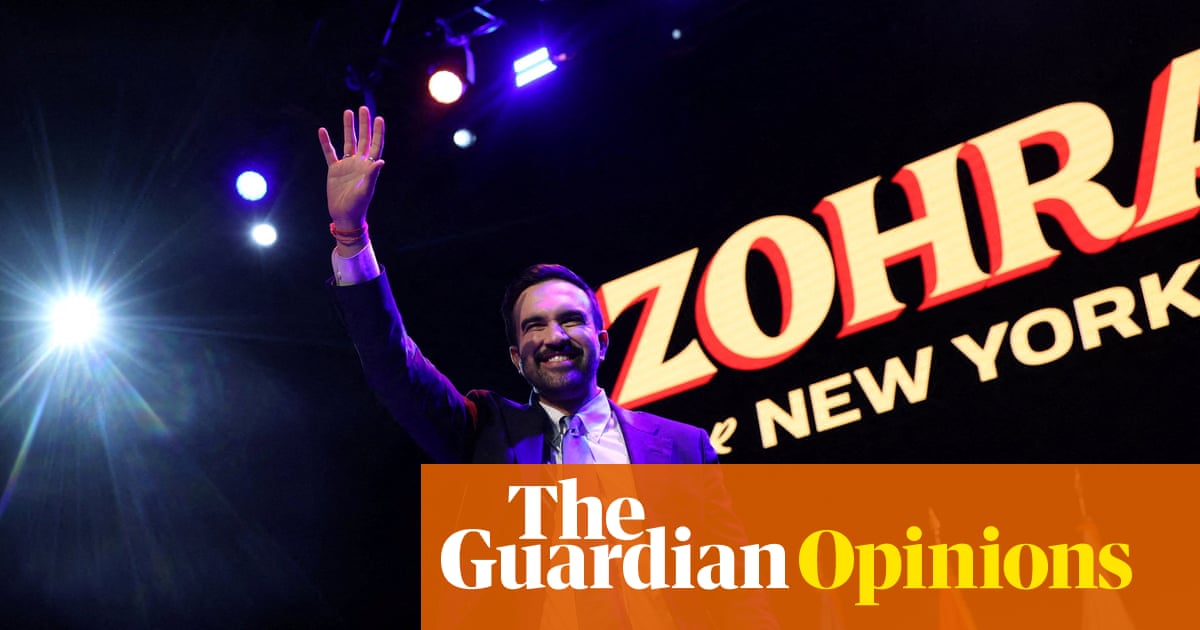

fromstupidDOPE | Est. 2008
8 months agoWhy New York's Cannabis Market Is Slipping Into Monopoly Territory | stupidDOPE | Est. 2008
The state's biggest players—Registered Organizations (ROs), often multi-state operators (MSOs)—are flexing financial muscle and regulatory privilege to seize control of the entire industry.
Cannabis
Women
fromFatherly
10 months agoPaid Leave Is the Workplace Equalizer That Americans Deserve
The U.S. is the only wealthy nation without federally mandated paid leave, affecting millions of workers.
The Family and Medical Leave Act provides unpaid leave but fails to cover a significant portion of American workers.
NYC parents
fromKqed
11 months agoFederal Funding Cuts May Jeopardize A Library Program Serving Blind and Print-disabled Communities | KQED
Lack of accessible information hinders equal participation in society.
Advocacy for affordable child care highlights its importance to families and the economy.
Pope Leo XIV's Creole heritage celebrated, potentially impacting Black Catholicism.
fromNon Profit News | Nonprofit Quarterly
11 months agoAdvocates Respond to Civil Rights Rollback at National Conference - Non Profit News | Nonprofit Quarterly
Tiffany Crutcher, a board member of Justice for Greenwood, emphasized that Mayor Monroe Nichols' "road to repair" plan for 1921 massacre descendants is a significant step in acknowledging historical injustices.
Black Lives Matter

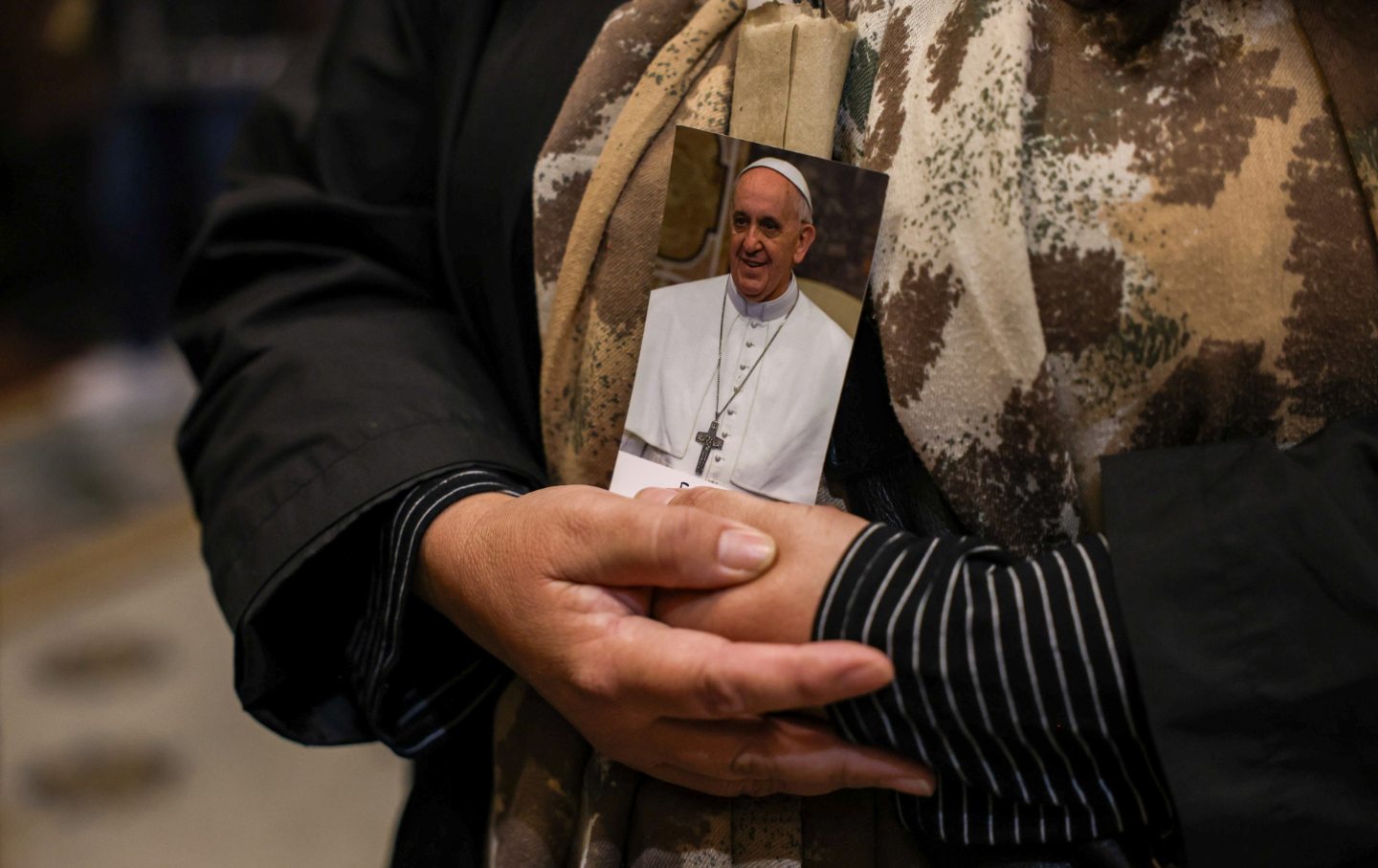
fromNon Profit News | Nonprofit Quarterly
1 year agoHow the Black South and Labor Can Unite to Create Pathways to Good Jobs - Non Profit News | Nonprofit Quarterly
In far too many places, the struggles for racial and economic justice have become disconnected. The decline of unions has contributed to stagnant wage gaps.
Social justice
[ Load more ]