#wealth-inequality
#wealth-inequality
[ follow ]
#tax-policy #billionaires #met-gala #personal-finance #artificial-intelligence #real-estate #new-york-city
fromFortune
3 days agoA study finds escaping your income bracket no longer means building wealth. That disconnect may be what's driving consumer pessimism to record highs | Fortune
Those that come from wealthier families that are maybe able to achieve those other economic goals-wealth building, homeownership-I think also could play into a sentiment of a sort of unfairness in the economy,
NYC parents
#tax-policy


New York City
fromNew York Post
3 days agoMamdani admits Ken Griffin ghosted him after viral video - but doubles down on billionaires like Jeff Bezos paying 'fair share' of taxes
Billionaires should pay their fair share in taxes, while the mayor said his office has not heard back from Ken Griffin after outreach.
#met-gala
Fashion & style
fromwww.theguardian.com
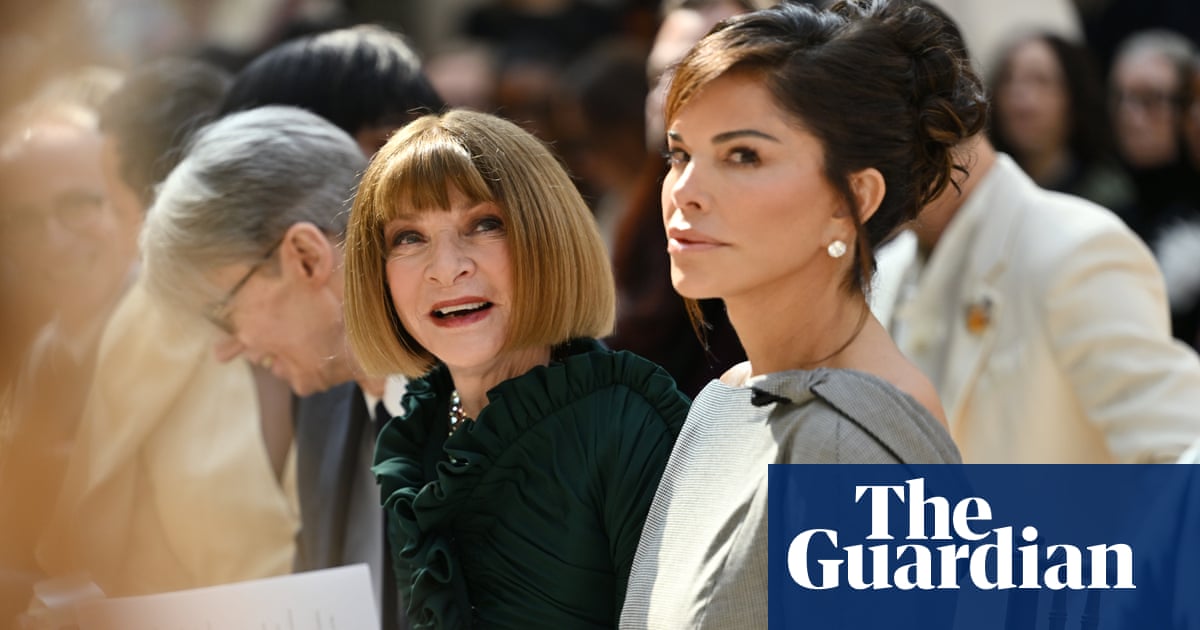
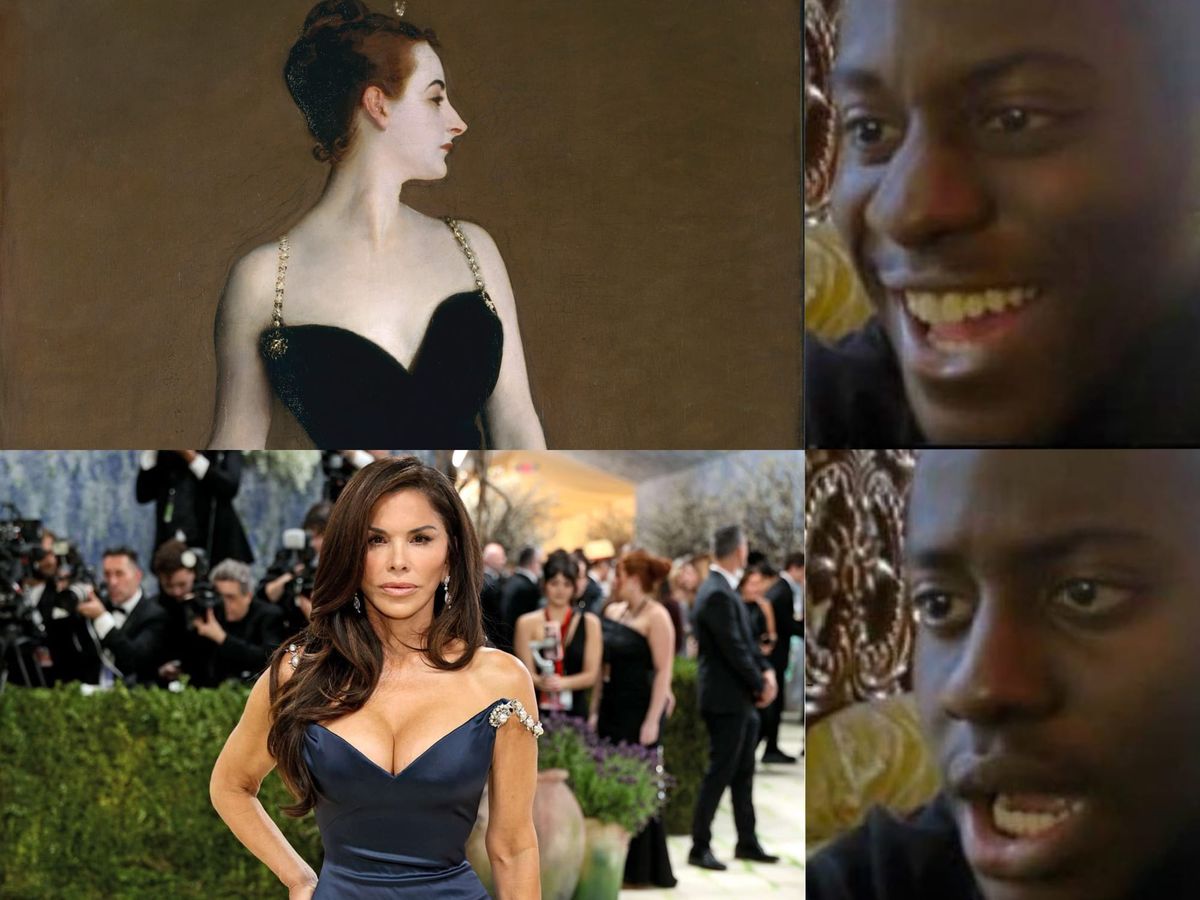
6 days agoThe devil owns Amazon: big tech has infiltrated the fashion world - will we see a revolt?
A Met Gala patronage by Jeff Bezos and Lauren Sanchez Bezos sparked intense protests over inequality and labor conditions, contrasting with celebratory museum deference.
Venture
fromFortune
1 week agoI've spent 25 years in venture capital. Here's how it quietly shut ordinary Americans out of the AI wealth boom-and what could fix it | Fortune
Venture capital is shifting into a private-market system that keeps top growth companies private longer, concentrating wealth and limiting broader public participation.
#housing-affordability

NYC real estate
fromMoneywise
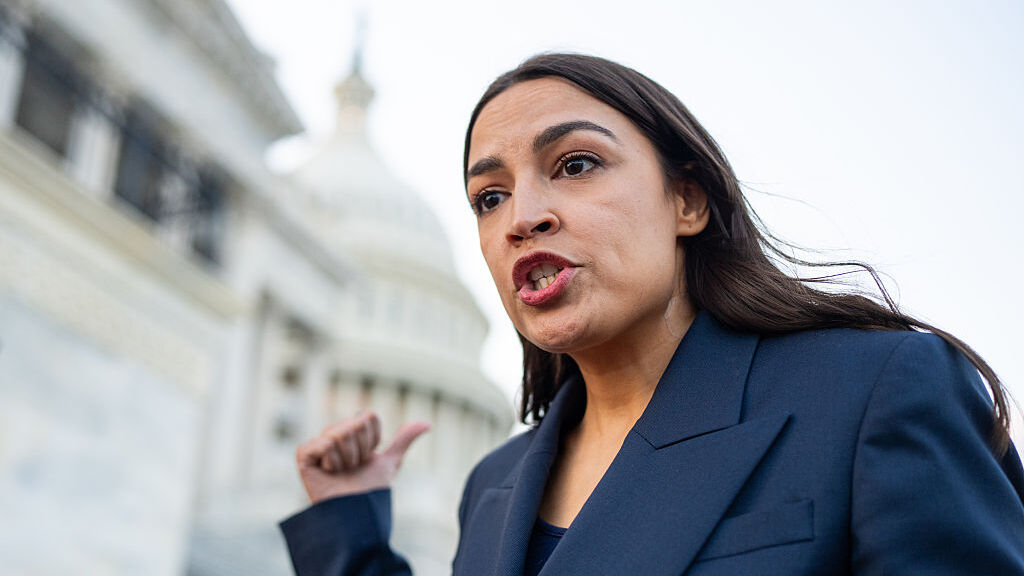
2 weeks agoAOC says Airbnb is 'supercharging evictions' from Puerto Rico to Jackson Hole - and young people will never own a home
Short-term rental platforms like Airbnb are said to destabilize housing markets by enabling displacement, exploitation, and rising rents and prices.
#artificial-intelligence
Artificial intelligence
fromwww.theguardian.com
1 week agoBillionaires are trying to lull us into AI complacency. Don't let them | Steven Greenhouse
AI backers claim AI will boost productivity, create new work, and prevent inflation, while critics warn job losses could be rapid and severe.
fromFortune
2 months agoBusiness
Billionaire Larry Fink says you're wrong to think that AI stealing your job is the big problem-it's really about what it's doing for his class | Fortune
Wealth inequality, exacerbated by AI, poses a significant threat to the economy, concentrating wealth among asset owners and technology users.
Artificial intelligence
fromFortune
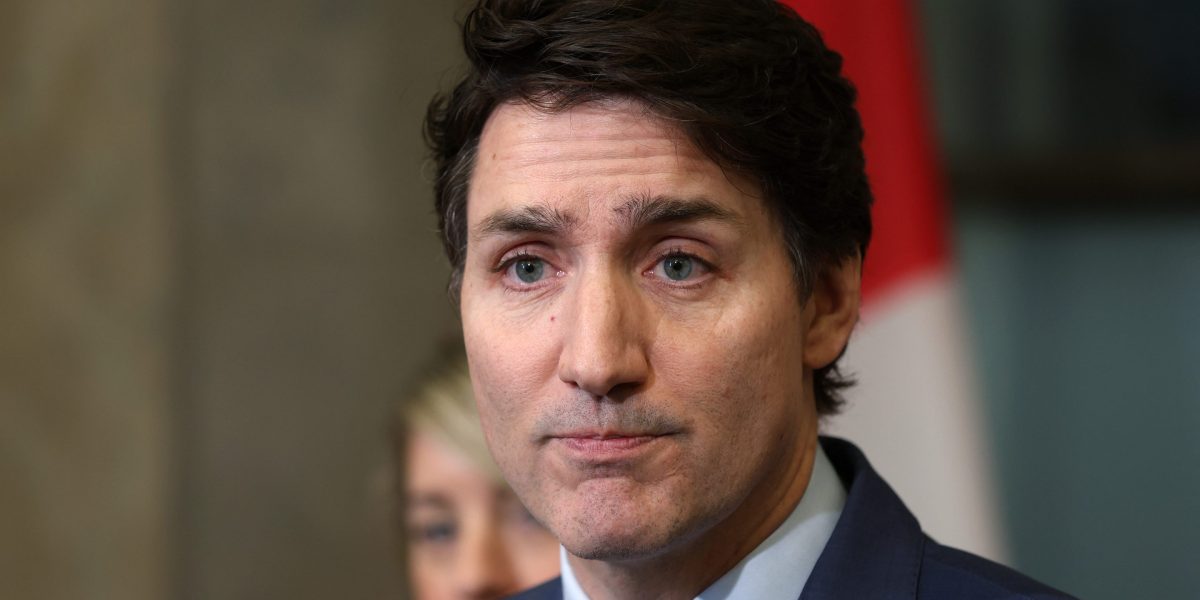
1 month agoJustin Trudeau warns AI boom could create hundreds of trillionaires-and it will mean there's something 'fundamentally wrong with the world' | Fortune
AI's potential benefits are overshadowed by concerns of extreme wealth inequality and the emergence of a small elite class.
Business
fromFortune
2 months agoBillionaire Larry Fink says you're wrong to think that AI stealing your job is the big problem-it's really about what it's doing for his class | Fortune
Wealth inequality, exacerbated by AI, poses a significant threat to the economy, concentrating wealth among asset owners and technology users.
#billionaires
NYC real estate
fromFortune
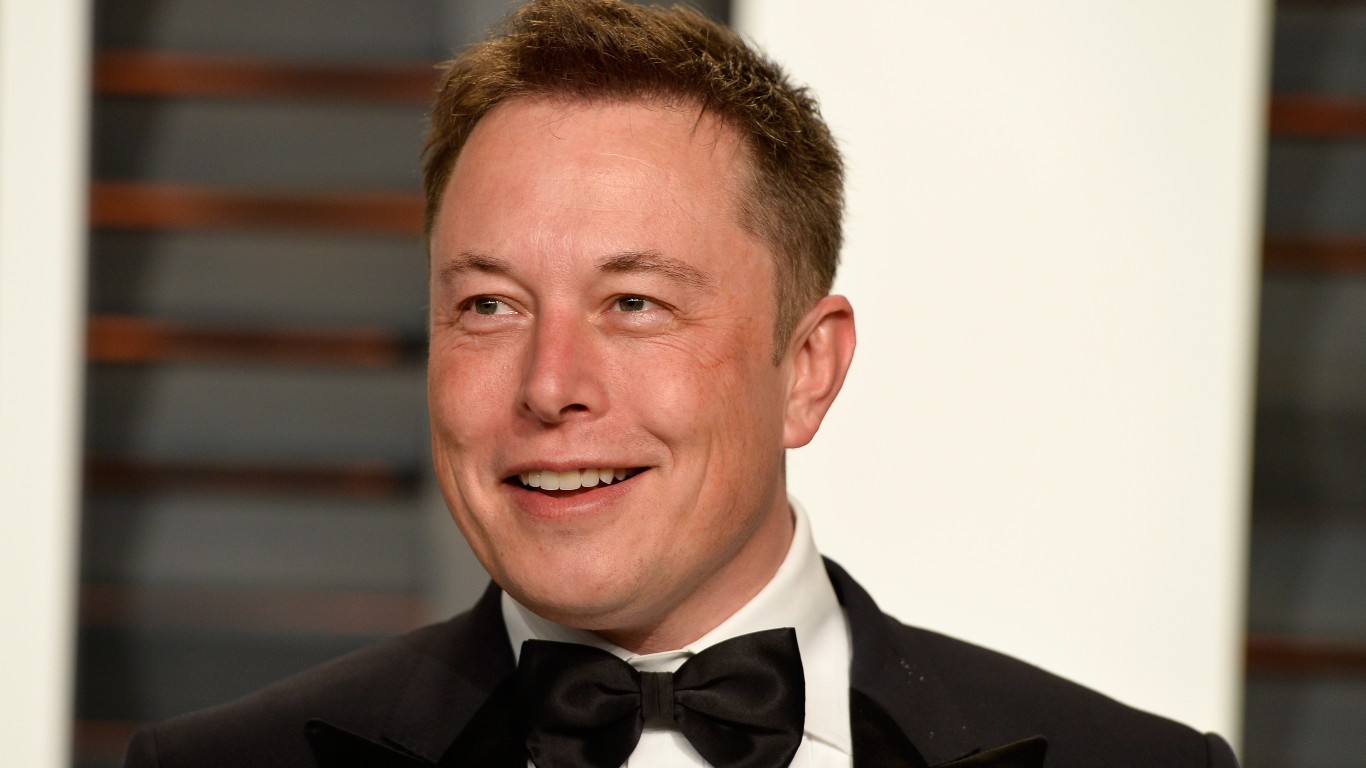
2 months agoNew York is home to 154 billionaires. Together they're worth $975.7 billion-and some of them are even making $2 million an hour | Fortune
New York's billionaires have a collective wealth of $975.7 billion, with significant growth contrasting stagnant wages for workers.
NYC real estate
fromFortune
2 months agoNew York is home to 154 billionaires. Together they're worth $975.7 billion-and some of them are even making $2 million an hour | Fortune
New York's billionaires have a collective wealth of $975.7 billion, with significant growth contrasting stagnant wages for workers.

fromFast Company
3 weeks agoSaying 'tax the rich' hurts wealthy men's feelings. Not taxing billionaires hurts everyone else
I must say that I consider the phrase 'tax the rich' . . . when spit out with anger and contempt by politicians both here and across the country, to be just as hateful as some disgusting racial slurs, and even the phrase 'from the river to the sea,' Roth said on the call. The rich whom the politicians are targeting started with nothing, are the epitome of the American dream. They are at the top of the great American economic pyramid for a reason.
Right-wing politics

fromwww.theguardian.com
1 month agoThe Guardian view on help to buy: entrenching housing inequalities, rather than helping | Editorial
The biggest winners from the Conservatives' help to buy scheme were high-earners who were already likely to buy a house, with the top 10% of earners receiving the largest cash benefit.
UK politics
fromThe New Yorker
1 month agoCory Doctorow on the High Cost of Living with the Ultra-Rich
Billionaireism describes both the pathology that affects you when you are so wealthy that you're effectively above consequences and above moral consideration for others, and the pathologies that having a society dominated by such people inflicts on the rest of us.
Philosophy
fromwww.theguardian.com
1 month agoPower in the hands of people': union leaders push to revive ailing US labor movement
This is really about trying to put power in the hands of people. There's 70% of workers who want a union, and 10% have them. If it were a company, they would figure out how to get the product into the hands of the 70% who wanted it.
Social justice

fromFortune
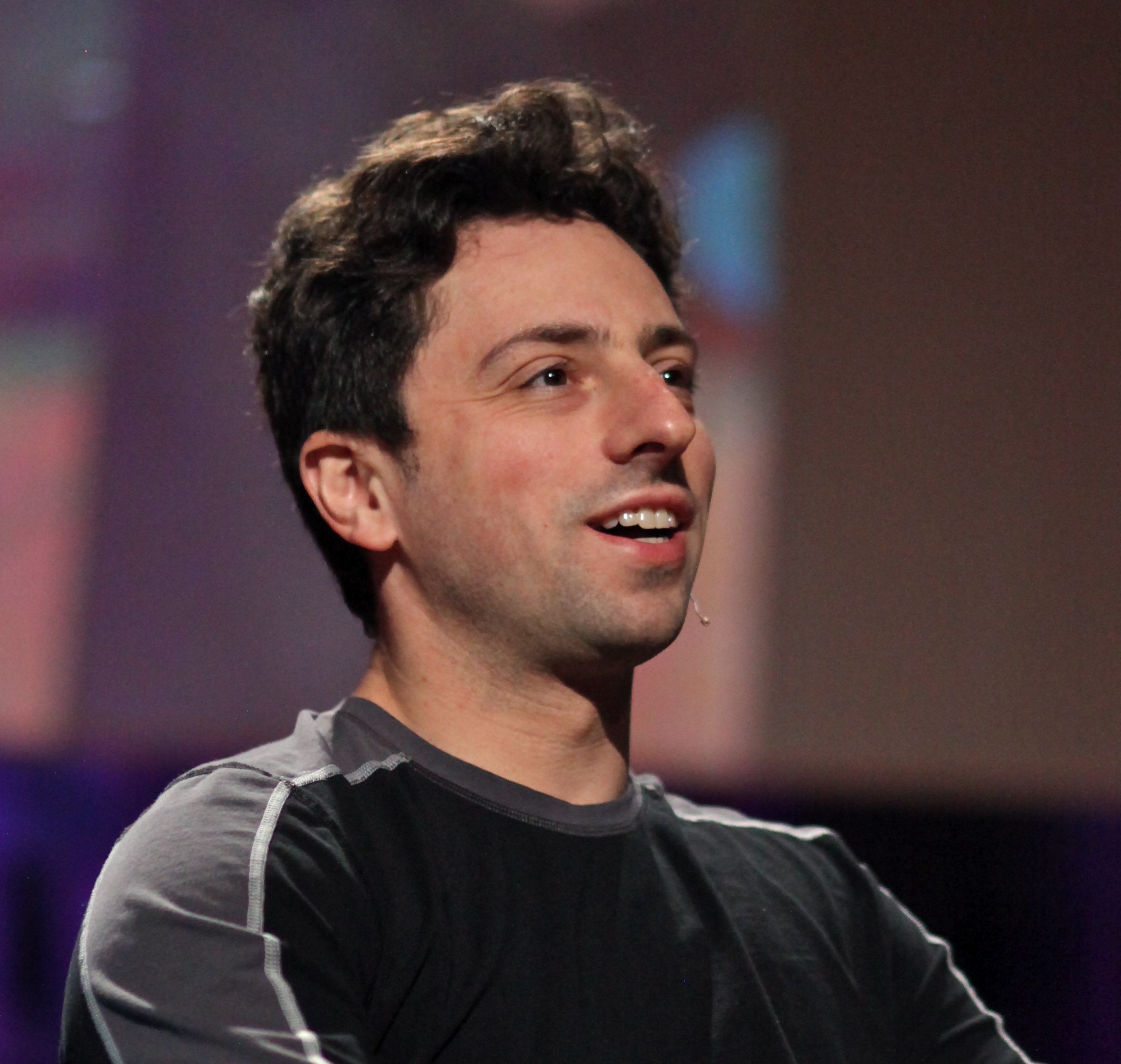
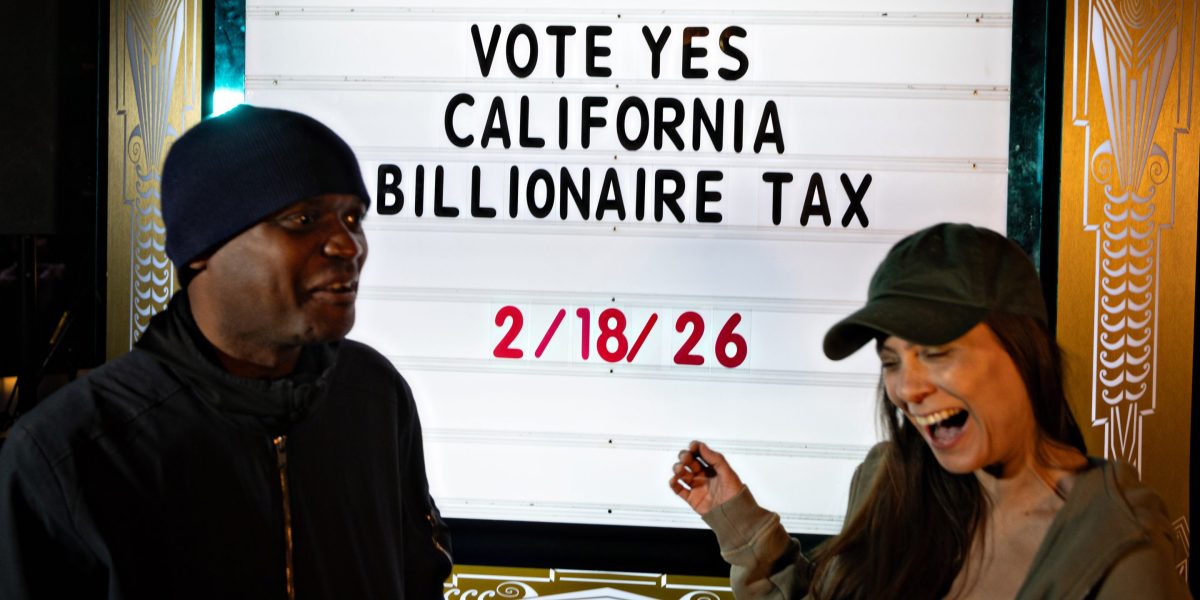
2 months agoFrom 'Hard Knock Life' to $2.8 billion, Jay-Z calls billionaire hate 'a cop-out' even as 1 in 5 Americans say it's 'morally wrong' to be that rich | Fortune
"It's almost like a cop-out. You get to demonize this group of folks without fixing the actual system that exists, that's in play."
NYC real estate
fromFortune
2 months ago1 in 5 Americans thinks it's 'morally wrong' to be a billionaire-Gen Z in particular finds it distasteful | Fortune
There have never been more billionaires on the planet than in 2026: According to an Oxfam report released earlier this year, there are now more than 3,000 people sitting on 10-digit fortunes. Leading the ranks is Tesla CEO Elon Musk, who has a net worth of $659 billion, followed by Alphabet cofounder Larry Page at $264 billion.
Philosophy
Fundraising
fromFortune
2 months agoPeter Thiel is actively convincing billionaires to abandon The Giving Pledge - and it's working | Fortune
Peter Thiel actively discourages wealthy individuals from honoring The Giving Pledge commitments, claiming the philanthropic initiative has lost momentum and relevance among billionaires.
Artificial intelligence
fromFortune
2 months agoRay Dalio thinks the world looks like 'pre-1945 times' as we near the end of his 'Big Cycle' | Fortune
Ray Dalio identifies the global economy in stage 5 of the Big Cycle, characterized by rising government debt, geopolitical conflict, wealth inequality, and great power competition, with AI potentially accelerating or disrupting this trajectory.
Fundraising
fromTechCrunch
2 months agoThe billionaires made a promise -- now some want out | TechCrunch
The Giving Pledge, launched by Buffett and Gates in 2010 to encourage billionaire philanthropy, has dramatically declined in participation and effectiveness despite massive wealth concentration globally.
Philosophy
fromApaonline
2 months agoWhy We Need a Formal, Mandatory, and Remunerated "Citizen Lobby"
Post-Cold War optimism about democracy and internet freedom has been undermined by geopolitical tensions, neoliberalism, nationalism, and corporate influence that concentrate power among the already wealthy.
US politics
fromFortune
2 months agoSocial Security has kept wealth inequality in check for decades. Trump's policies could deplete it in 6 years | Fortune
Social Security's $40 trillion buffer has moderated wealth inequality for decades, but accelerating fiscal policies threaten its insolvency by 2032, potentially widening the wealth gap to Gilded Age levels.
US politics
fromwww.theguardian.com
2 months agoIt's shock and awe as Trump's granddaughter does her bit for the war effort. All hail Kai Trump, the shopper-in-chief | Marina Hyde
Iran's new ayatollah selection and Trump's granddaughter's expensive grocery shopping video exemplify privilege and disconnect from ordinary circumstances during geopolitical tensions.
Venture
fromFortune
2 months agoRobinhood wants everyone to be able to invest in hot startups like Databricks and Ramp, but how much risk will investors take on? | Fortune
Robinhood launched an investment fund enabling retail traders to access private companies like Databricks and Ramp, continuing its mission to democratize investment tools previously reserved for institutional investors.
Retirement
fromFortune
2 months agoTrump's new 401(k) match collides with a harsh reality: More workers are dipping into their retirement cash just to get by | Fortune
Trump's proposed 401(k) federal match program overlooks that many Americans lack $1,000 to invest while record numbers withdraw from retirement accounts to survive.
US politics
fromFast Company
2 months agoState lawmakers have introduced 100+ bills to rein in wealth hoarding
At least 19 states have introduced over 100 bills in the 2026 legislative session to address wealth inequality and rising costs of living through tax policy reforms and wealth redistribution measures.
Left-wing politics
fromSilicon Canals
3 months agoThere's a reason upward mobility feels impossible - I found the infrastructure that ensures it - Silicon Canals
Modern economic infrastructure systematically maintains wealth distribution across generations through credentialing, capital access, and hiring networks rather than rewarding merit and hard work.
fromInside Higher Ed | Higher Education News, Events and Jobs
3 months agoRobot Overlords and Red Herrings
The core of the argument is that agentic AI will replace human labor in most white-collar industries and will do so with dizzying speed. The consequent abrupt and massive job displacements will lead to crashes in property values and local tax bases, with devastating impacts on communities and much of the public sector.
Artificial intelligence
fromynetglobal
3 months agoNew York's Billionaires' Row turns into 'ghost neighborhood' - and Mamdani has had enough
Nearly half of the apartments in the seven tallest towers in the area sit empty. At night the picture is even starker, with dozens of darkened floors turning the glittering status symbol into a vertical 'ghost neighborhood' scraping the sky.
NYC real estate
fromwww.mediaite.com
3 months agoStephanie Ruhle Details Her Lunch With Trump in His Gilded Bubble': Took One for the Team'
I would say, Rachel, that my takeaway from today is that the president or Trump 2.0 is definitely living in a gilded bubble. I would say, even if you compare it to his first term, the president is now surrounded by an administration that says yes, yes, please, thank you, and yes again. He truly is living like a king in this White House.
US politics
Fundraising
fromNonprofit Quarterly | Civic News. Empowering Nonprofits. Advancing Justice.
3 months agoPower and Possibility: The Role of Donor Organizing | Nonprofit Quarterly | Civic News. Empowering Nonprofits. Advancing Justice.
Wealth and mainstream philanthropic giving frequently perpetuate inequality, while a smaller group of wealthy people redistributes wealth to support systemic, collective-good solutions.
fromFast Company
3 months agoIn one sentence, Amy Poehler sums up how boomers, Gen X, millennials, and Gen Z differ when it comes to money
He says that for boomers, who lived through an economic boom, accumulating wealth was easy-or at least easier than it has ever been since. Baby boomers currently hold more than $85 trillion in assets, making them the richest generation by far. Therefore, they earn the title "all about the money." Millennials, meanwhile, were handed a map and told the exact steps to follow to find the financial success their parents enjoyed.
Business
fromMission Local
3 months agoSan Francisco's billionaire bacchanal a big bust
Just one percent of Americans hold nearly a third of the nation's wealth. So it was fitting that after organizers announced an apparently earnest "March for Billionaires" for this Saturday at Alta Plaza Park, only a handful of pro-billionaire agitators actually showed. Mission Local contributor Benjamin Wachs coined a term for an event in which media observers outnumber participants: a panopticonference. This was close to that. Those in attendance did their best to field questions from the barrage of journalists that backed them into a tree.
California
from48 hills
3 months agoThe Super Bowl, labor, and economic inequality - 48 hills
San Francisco sits at the center of the wealth inequality gripping the country, a place where fortunes scale at historic speed while the gap between those who produce value and those who capture it continues to widen. As I reflect on my own NFL career and life playing the game that will light up screens for more than 100 million Americans this weekend,
Social justice
fromNew York Focus
3 months agoHow New York's Court System Intertwines With Party Politics
New York is an incongruous state. We're home to fabulous wealth - if the state were a country, it would have the tenth largest economy in the world - but also the highest rate of wealth inequality. We're among the most diverse - but also the most segregated. We passed the nation's most ambitious climate law - but haven't been meeting its deadlines and continue to subsidize industries hastening the climate crisis.
New York City
fromwww.theguardian.com
3 months agoIt's time to defund the oligarchy and invest in the American people | Joseph Geevarghese and Rashida Tlaib
Trump ran on a promise to lower costs on day one, but a year into his presidency, the real beneficiaries are his billionaire donors. Instead of making life more affordable for everyday Americans, Trump has used the presidency to enrich himself and his billionaire allies, while making the largest cuts to Medicaid and food assistance in history and leaving working families behind.
US politics
fromFuturism
4 months agoTech Execs Weirdly Silent After Private Screening of "Melania" Documentary
Vibes-wise, the event was classic Trump 2.0-chic. Guests were handed monogrammed buckets of popcorn, framed screening tickets for their trophy shelves, and a limited-edition copy of Trump's 2024 book of the same title as her documentary, "Melania. " Prior to the screening, the black-tie guests were greeted by a taxpayer-funded military band that playing famous movie themes, as well as "Melania's Waltz," featured in the documentary and composed by Hollywood's Tony Neiman.
US politics
fromwww.theguardian.com
4 months agoNearly 400 millionaires and billionaires call for higher taxes on super-rich
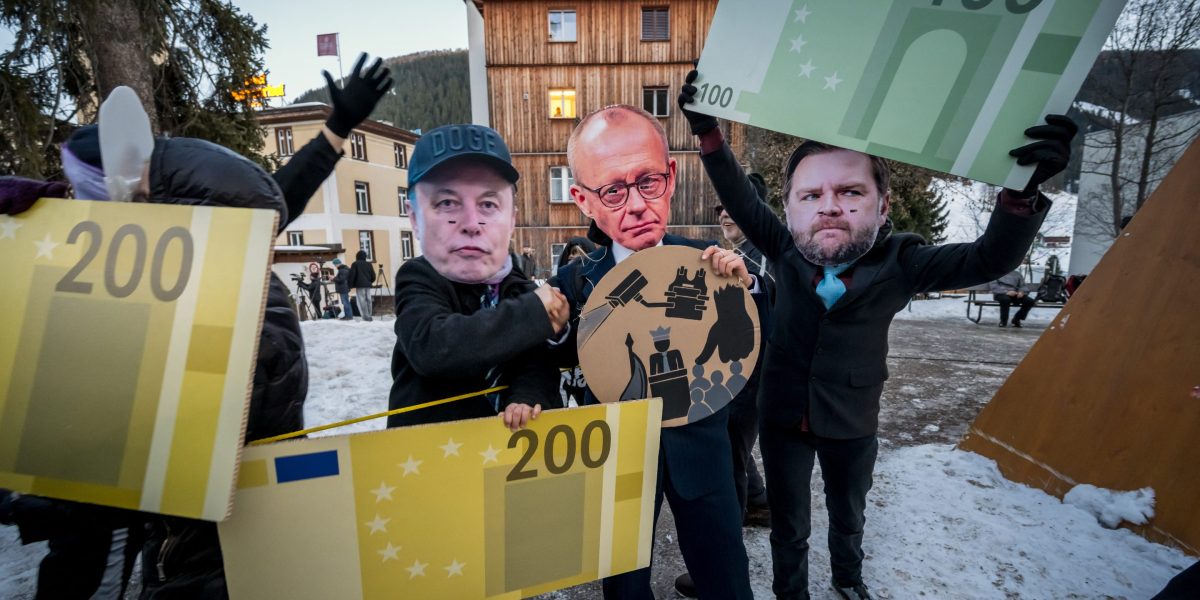
Nearly 400 millionaires and billionaires from 24 countries are calling on global leaders to increase taxes on the super-rich, amid growing concern that the wealthiest in society are buying political influence. An open letter, released to coincide with the World Economic Forum in Davos, calls on global leaders attending this week's conference to close the widening gap between the super-rich and everyone else.
World news
fromFast Company
4 months agoMillionaires are sounding the alarm about democracy - and blaming people like themselves
As wealth inequality widens and billionaires become increasingly enmeshed with politics, the public is growing more and more disillusioned with the ultra-wealthy, and the role they play in society. It's not just those with low or median incomes who feel that way. A majority of millionaires now say that extreme wealth is a threat to democracy; that the ultra-rich buy political influence; and that political leaders should do more to tackle extreme wealth, like increasing taxes.
World news
fromABC7 Los Angeles
4 months agoSurrounded by billionaires in Davos, Trump plans to lay out how he'll make housing more affordable
"At the end of the day, it's the investors and billionaires at Davos who have his attention, not the families struggling to afford their bills," said Alex Jacquez, chief of policy and advocacy at Groundwork Collaborative, a liberal think tank.
US politics
fromwww.aljazeera.com
4 months agoThe US economy seems strong after a year of Trump, but is it really?
Since taking office, Trump has imposed a range of tariffs on countries, including key trading partners, leading to predictions of inflation skyrocketing, manufacturing screeching to a halt and unemployment soaring. None of those scenarios came true. Inflation, while above the Federal Reserve's target, was a modest 2.7 percent in December. The unemployment rate was relatively low, at 4.4 percent, last month.
US politics
World news
fromwww.theguardian.com
4 months agoIn Davos, the rich talk about global threats'. Here's why they're silent about the biggest of them all | Ingrid Robeyns
Neoliberal capitalism concentrates wealth through privatization, weakened labor power, and tax cuts for the rich, eroding democracies and driving many global risks.
[ Load more ]