This week's review focuses on concrete responses to shared urban challenges, including housing affordability, long-term resilience, and the role of cultural and material innovation in shaping cities. The selection spans regulatory measures affecting housing markets in European cities, high-density residential and mixed-income proposals in New York, and major renewal and planning efforts in London, Barcelona, Ulaanbaatar, and Drammen. It also highlights research-driven and built projects in Chicago, Buenos Aires, Las Vegas, and Riyadh
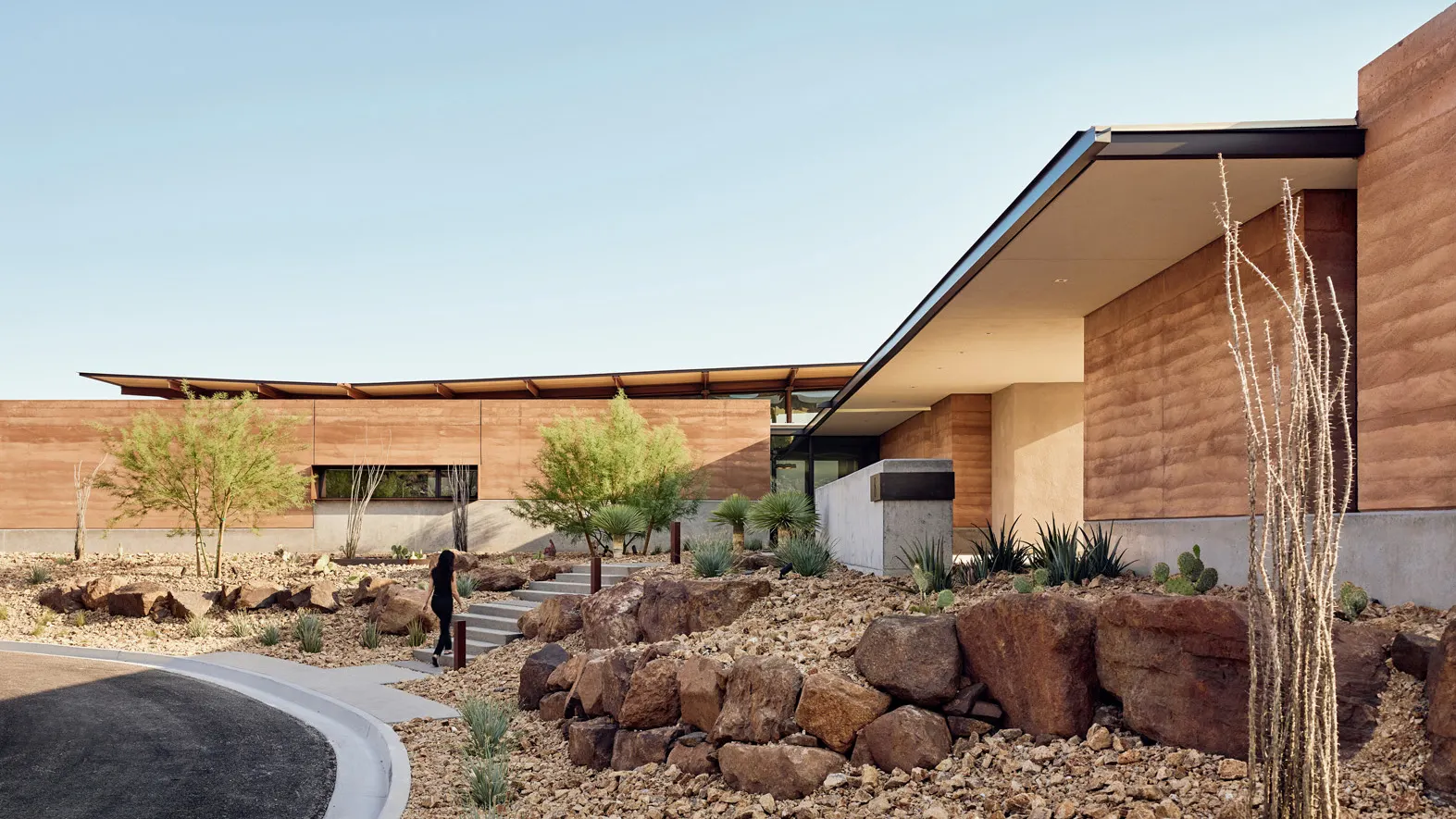
It was widely used in ancient China, but appears globally throughout history, including in the U.S. After the industrial revolution, and the innovations of steel, concrete, glass, and mass-produced bricks, the traditional method fell out of favor. Now, however, an increasing number of architects are looking to the material as a sustainable, place-rooted way to build amid a climate crisis that calls for dramatically reduced carbon emissions.
The world's first upcycle timber high-rise and Denmark's tallest timber tower, TR, is a 78-meter beacon of circular construction, showing that large-scale architecture can combine reused materials, biogenic resources, refined aesthetics, and high performance without compromise.