"While the future of building materials still appears uncertain, year after year, experimentation and research continue to reveal diverse practices, initiatives, and efforts dedicated to understanding their value and responsibility within the built environment. From agricultural waste that reduces carbon footprints to recycled plastics given new life, and living materials that engage with emerging technologies while reconnecting with nature, 2025 has highlighted and strengthened the role of architects as mediators between materials, disciplines, knowledge, and interests from diverse origins."
"Beyond ongoing debates surrounding prefabrication, reuse, and glocalization, material definition in architecture today, more than ever, seeks a balance between innovation, tradition, efficiency, and identity. In a world marked by constant change and evolution, the study of material life cycles, the integration of circular construction practices, and the development of material intelligenceamong other variablesaim to guide architecture toward more resilient, environmentally conscious, and livable futures."
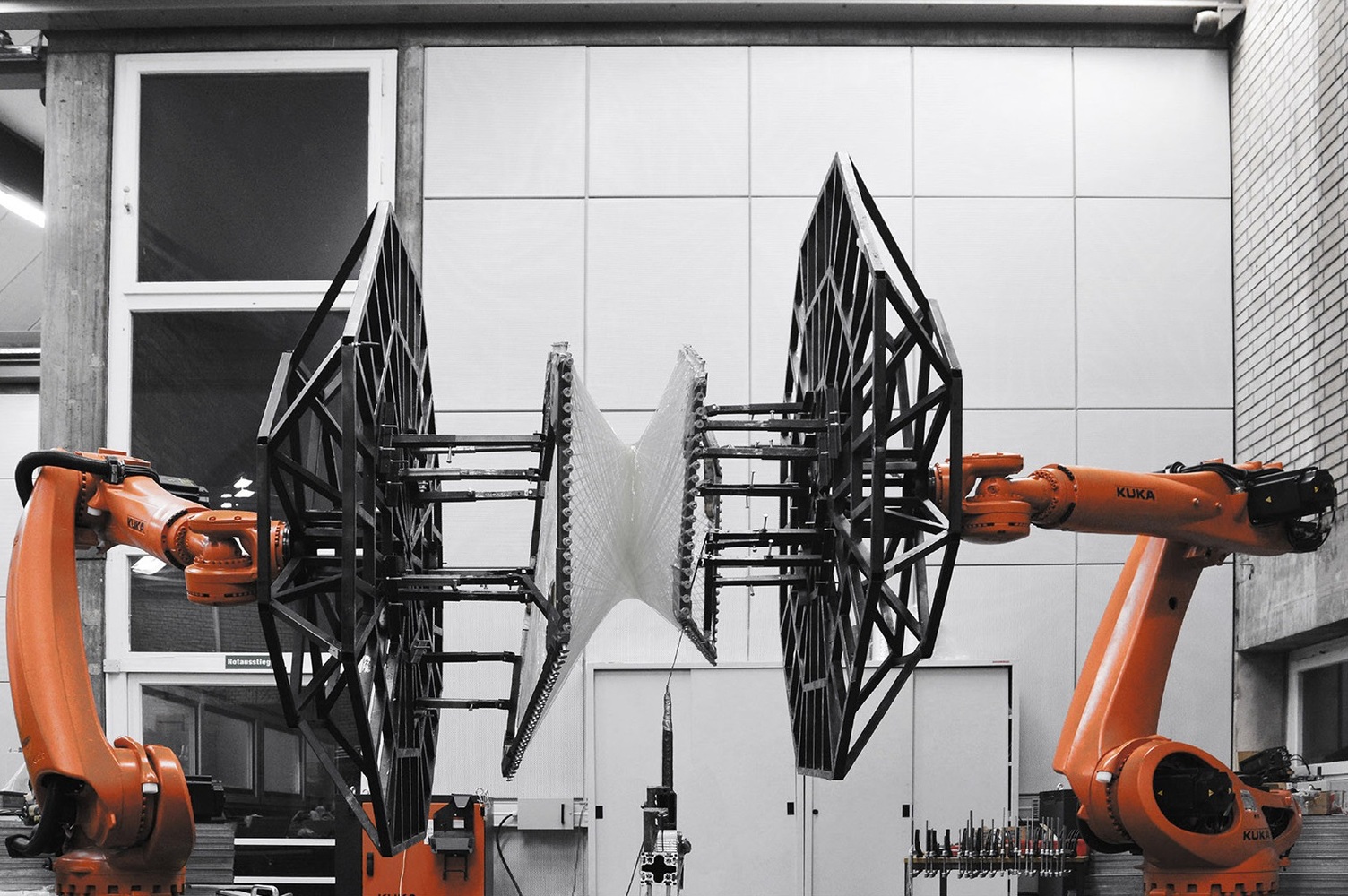
"The choice of materials in a project, as well as its construction system, has the power to shape spatial experience and convey values that extend beyond comfort and interior well-being. Courtesy of Gramazio Kohler Research From examining the origin of materials and the time required for their production and application, to assessing the social and environmental impacts of supply chains and material longevity across territories, architecture is actively seeking positions that respond to the environmental crisis from multiple angles."
Architectural practice in 2025 centers on material experimentation, responsibility, and diverse innovations. Materials such as agricultural waste, recycled plastics, and living materials gain prominence for reducing carbon footprints and integrating technology with nature. Architects act as mediators across disciplines, knowledge systems, and supply chains to reassess material origins, production time, and social and environmental impacts. Current priorities seek balance between innovation, tradition, efficiency, and identity while engaging prefabrication, reuse, and glocalization debates. Emphasis on material life cycles, circular construction, and material intelligence aims to foster resilient, environmentally conscious, and livable built environments guided by Slow Architecture principles.
Read at www.archdaily.com
Unable to calculate read time
Collection
[
|
...
]