#american-history
#american-history
[ follow ]
#route-66

fromTravel + Leisure
2 months agoTravel
Samantha Brown Shares the 'Greatest Trip' She's Ever Taken-And Her Brilliant Travel Hacks Including 'Frugal First Class'
Samantha Brown's complete Route 66 journey revealed America's complex history of resilience, systemic racism, and cultural displacement while transforming her perspective on the nation's identity.
:max_bytes(150000):strip_icc()/TAL-header-samantha-brown-santa-monica-SAMBROWNCCI0326-ae1cbb1c721a4742ae41a14a0f1850bc.jpg)
fromThe New Yorker
1 day agoWriting the Trump Years Into History
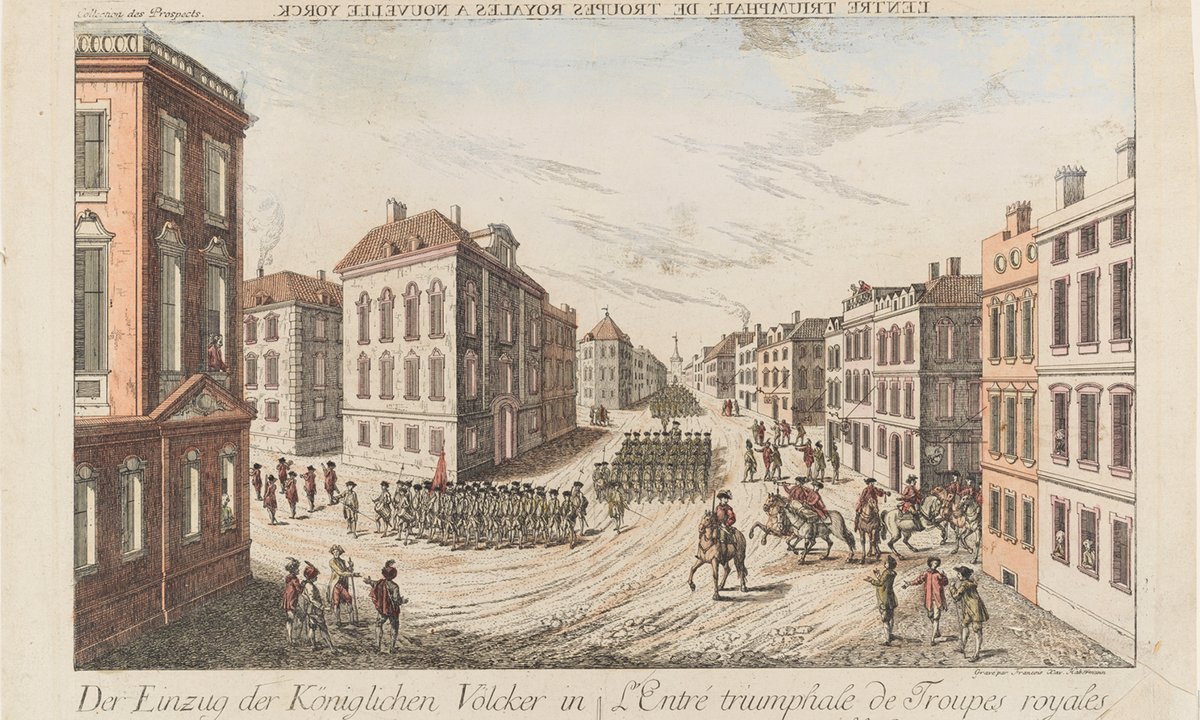
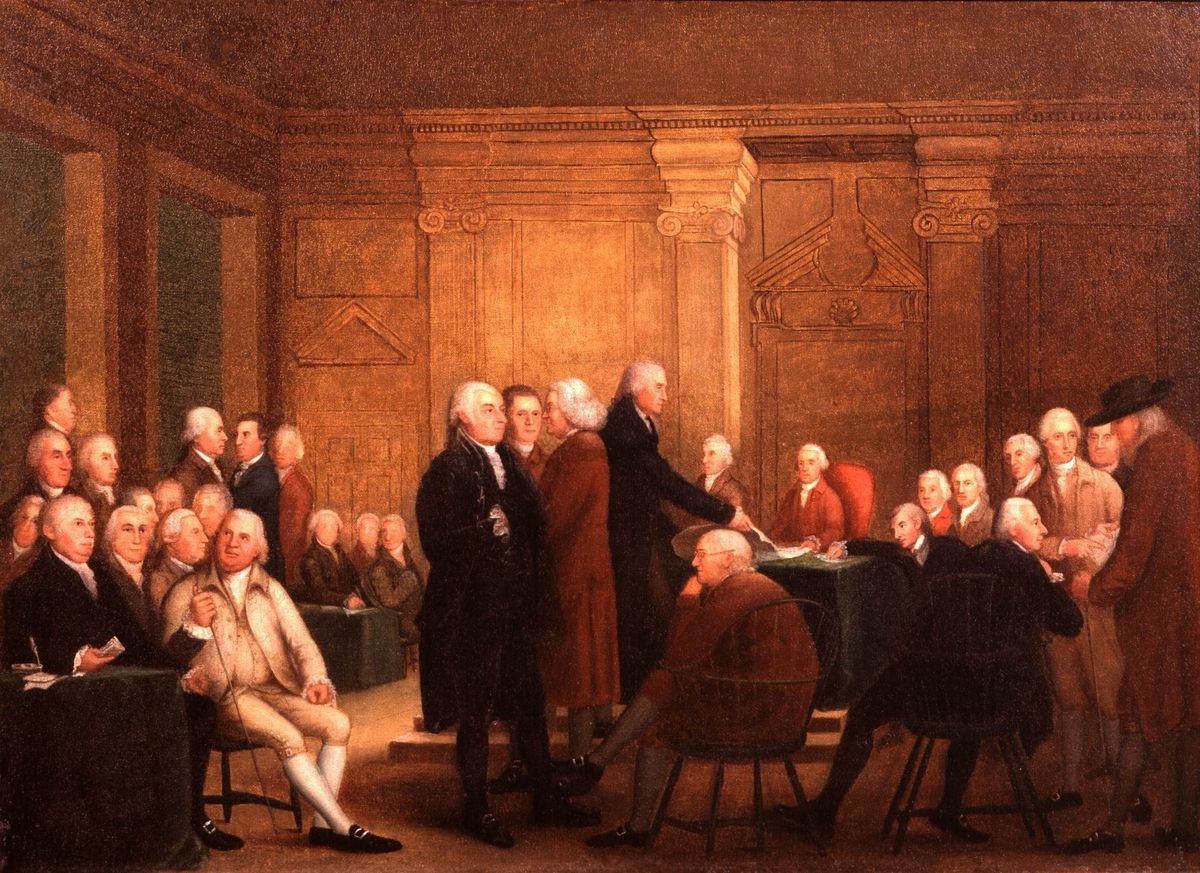
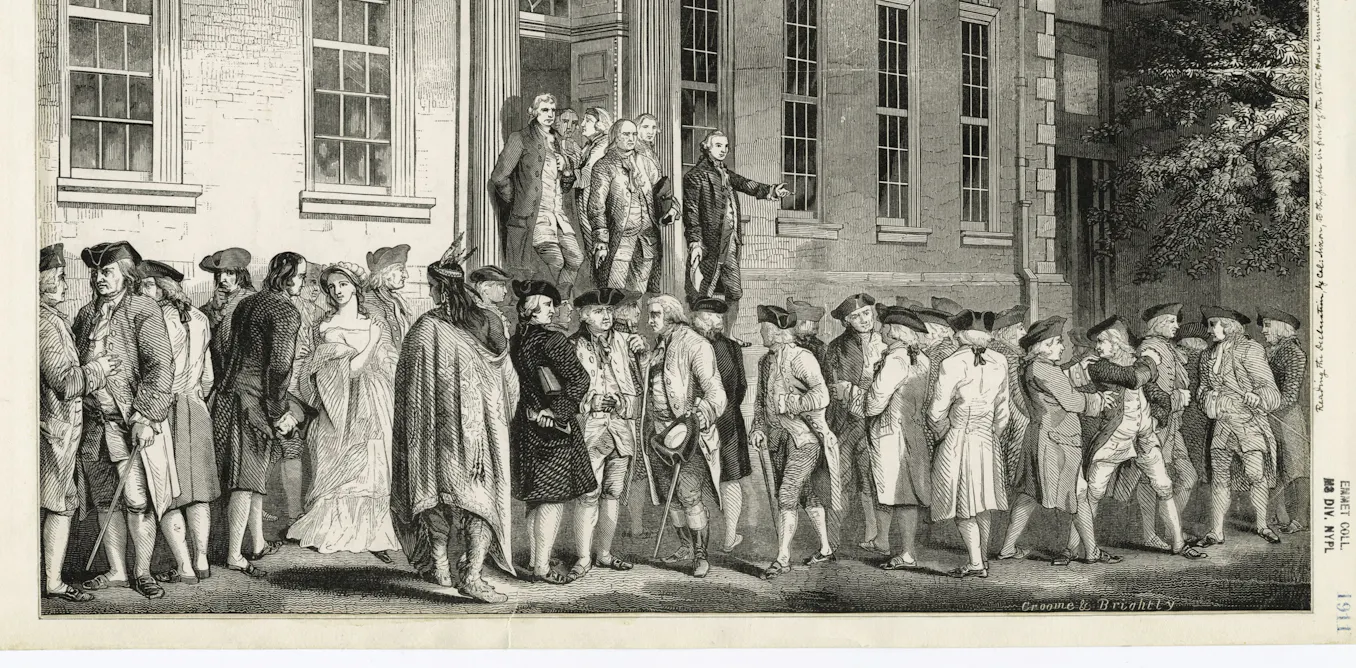
As a boy, he'd "read American history, not for school, not because I had to, but because I had, by accident, stepped through the thin, crackly crust of the present, and felt the first pull of the quicksand about my ankles." Tripping into that quicksand is how Burden would one day end up doing Stark's dreadful bidding: using his formidable research skills to discover the darkest deeds in the deepest past of Stark's political enemies. But, as Warren insisted, "the story of Willie Stark and the story of Jack Burden are, in one sense, one story." They're in that quicksand together, up to their gizzards.
Books


fromIntelligencer
4 days agoSean Duffy Filmed Road Trip for 7 Months, Worked Occasionally
“Over the course of seven months we just kind of found these moments where I might be able to do some work, I could take the kids with me, do a road trip,” he explained. Apparently, Duffy's boss was totally cool with him doing “some work” while frequently driving around the country with his family and a full film crew. President Trump even gives the family a send-off at the start of the show.
SF parents

fromABC7 Los Angeles
1 week agoWalk through a time-traveling tour of American history on Staten Island
Historic Richmond Town is a living history village, where restored buildings, preserved artifacts, and immersive storytelling bring Staten Island's past to life. Visitors can explore everything from early Dutch Colonial architecture to 19th-century community spaces.
Brooklyn
#democracy

Social justice
fromNonprofit Quarterly | Civic News. Empowering Nonprofits. Advancing Justice.
2 weeks agoPresent at Our Nation's Founding-but Excluded from Its Promise | Nonprofit Quarterly | Civic News. Empowering Nonprofits. Advancing Justice.
The true expansion of democracy in America involves recognizing the contributions and rights of marginalized groups historically excluded from its promises.
fromSFGATE
4 weeks ago102 years ago, a California teenager changed American food history
In 1924, Lionel Sternberger, at just 16 years old, first put cheese on a hamburger and served it to a customer at the Rite Spot in Pasadena. This simple act changed the course of American food history, leading to the creation of the cheeseburger, a dish that billions of people have enjoyed since.
LA food
Portland
fromOregon ArtsWatch * Arts & Culture News
1 month ago10 Questions: Oregon Historical Society's Kerry Tymchuk weighs in on state history, 250th anniversary issues * Oregon ArtsWatch
The 250th anniversary of the United States' founding is a significant opportunity for reflection and commemoration for all Americans.
Silicon Valley food
fromTasting Table
1 month agoGrover Cleveland's Favorite Food Was A Comfort Dish Found In The Servants' Hall - Tasting Table
Grover Cleveland, known for his simple tastes, impacted American history through his tariff policies and preference for comfort food like corned beef and cabbage.
NYC food
fromIslands
1 month agoAmerica's Most Iconic Suburb Is A Charming Gem Outside New York City Filled With Local Restaurants And Vibrant History - Islands
Levittown, New York, was engineered as an archetype of modern suburbia, symbolizing mid-century American life with its uniform design and rapid home production.
fromwww.mediaite.com
1 month agoRachel Maddow Mourns Failure' of Robert Mueller's Trump Investigation He Was Wildly Outmaneuvered' By Bill Barr
Maddow stated, 'There's a reason on a day like this, we need to remind people what was in Mueller's report... that is because of a failure on his part.'
US politics

fromwww.mercurynews.com
2 months agoToday in History: March 6, Walter Cronkite signs off for the last time
In 1820, President James Monroe signed the Missouri Compromise, which allowed Missouri to join the Union as a slave state and Maine to join as a free state, while banning slavery in the northern portion of the Louisiana Territory.
History
fromwww.mercurynews.com
2 months agoToday in History: March 5, John Belushi dies of an overdose
In 1770, the Boston Massacre took place as British soldiers who had been taunted by a crowd of colonists opened fire, killing five people. The killing fueled colonists' outrage in the run-up to the American Revolution.
Boston food
Boston food
fromBoston.com
2 months agoLawsuit challenges National Park Service over content removal, including at a Mass. site
A Trump administration executive order directing the National Park Service to remove or alter history exhibits deemed to disparage Americans has prompted a lawsuit and immediate changes at New England national park sites.
fromwww.mediaite.com
2 months agoConfused Trump Says the Civil War and Reconstruction Were the Same Thing: A Fancy Way of Saying the Civil War'
Truth be told, Reconstruction is not a fancy way of saying the Civil War. The term refers to the period after the Civil War, in which the former Confederate states were readmitted to the Union and had to adhere to the Constitution and federal statutes, particularly the newly-ratified 13th, 14th, and 15th amendments, which abolished slavery, granted citizenship and the attendant rights to all persons born in the U.S. (including former slaves), and prohibited denial of voting rights based on race, respectively.
US politics
fromThe Art Newspaper - International art news and events
2 months agoNew York Historical receives gift of 150 works by Indigenous artists
"I rarely use the term collecting and collector," Hsu-Tang says. "We both see ourselves as messengers... I don't own these works of art. I'm here to be a temporary steward of these messages, and to pass on-it's my duty to connect the past, the present and the future."
Arts
fromDefector
3 months agoIdeologically Opposed To Proper Workout Form, With Patrick Wyman | Defector
"It's not great, if I'm being honest. From amending my answer to the question "how ya doing Roth" at the very beginning of this week's episode of The Distraction, it is clear that things are not going great. But for the second straight week, we found a way to split our episode between the Not Great stuff and being stupid about sports, with the result being one of the most enjoyable hours of my week."
US politics
fromBusiness Insider
4 months agoThe oldest restaurant in every state
If you want to dine like it's 1899, look no further than these historic restaurants. From 17th-century taverns to classic dining cars, historic restaurants with enduring legacies are scattered across the United States, each with its own rich history. Business Insider identified the oldest continuously operating restaurants in the country - some dating back to before the US was founded - where diners can still enjoy historic charm and classic comfort foods, such as turkey dinners and burgers.
Food & drink
fromwww.theguardian.com
4 months agoMade in America by Edward Stourton review why the Trump doctrine' is no aberration
Almost everyone is a little bit in love with the USA, declares Edward Stourton in his introduction to Made in America. And why not? It is the land of razzle-dazzle and high ideals, of jazz music, Bogart and Bacall, Harriet Tubman and Hamilton, a nation that was anti-colonialist and pro-liberty from its conception, whose Declaration of Independence states that all men are created equal.
US politics
fromwww.npr.org
5 months agoBelieve it or not, this book makes taxes fascinating
While, as Benjamin Franklin quipped, it may be that nothing is certain but death and taxes, only the former can be considered the great equalizer. Death comes for us all, regardless of our social or economic status. Taxes, on the other hand, have always been far more complicated. Vanessa S. Williamson's new book, The Price of Democracy: The Revolutionary Power of Taxation in American History, takes us on a fascinating journey through the history of taxation from colonization to the present day.
US politics
US politics
fromAbove the Law
5 months agoIt Is Not Only Alright To Shame, And Ultimately Ostracize, Your MAGA Relatives, It Is Your Patriotic Duty As An American - Above the Law
Political disagreements have historically driven American families to violent and permanent splits, so cutting contact is a relatively mild consequence.
fromOpen Culture
7 months agoAlbert Einstein Gives a Speech Praising Immigrants' Contributions to America (1939)
There have been many times in American history when celebrations of the country's multi-ethnic, ever-changing demography served as powerful counterweights to narrow, exclusionary, nationalisms. In 1855, for example, the publication of Brooklyn native Walt Whitman's offered a "passionate embrace of equality," writes Song of Myself Kathleen Kennedy Townsend, "the soul of democracy."
World politics

fromConde Nast Traveler
8 months agoA Brief History of the Nantucket Lightship Basket Bag-And How to Get Your Hands on One
The Nantucket Lightship basket bag, I've come to learn, is like a Birkin for Nantucketers—and, depending on the year in which it was made, can go for as much as $5,000.
Fashion & style

fromwww.theguardian.com
9 months agoA super-friendly 1950s-style diner, empty because of Covid: Leah Frances's best photograph
The nostalgia tied to the 1950s diner-style restaurants overlooks the harsh realities faced by many during that era, suggesting a dangerous romanticization of the past.
Brooklyn
fromTasting Table
9 months agoAn Old-School Fast Food Chain Is Making A Comeback After Nearly Disappearing - Tasting Table
The American landscape used to be covered in Benningan's, Arthur Treachers, and Chi-Chi's restaurants, which at one time or another all probably seemed like the next big thing.
E-Commerce



Law
fromAbove the Law
10 months agoLegal Ethics Roundup: TEDLaw Launch, Beautiful Bill Impact, Trump Appeals EO Loss, Fed Judge = Public Official Defamation, Judge Salas - Rule of Law & More - Above the Law
Beyoncé's Cowboy Carter Tour is a vibrant remix of American history and personal narrative, showcasing themes of reclamation through performance.
fromenglish.elpais.com
10 months agoThis is how Trump plans to rewrite American history in time for the 250th anniversary
The 1776 Commission, commissioned by Donald Trump, intended to promote patriotic education and counter perceived rewritings of American history. It faced criticism from across the political spectrum.
US politics
[ Load more ]