"For example, we used to spend 1-2 months physically building secure environments," he wrote. "In the current Flava security environment, resources can be provisioned in minutes, but accessing those servers can still require roughly 10 separate workflows, such as creating VDI accounts or setting up Box folders for data exchange. Because these steps involve approvals, the end-to-end lead time can still be as long as two months."
Snowflake is planning to acquire AI-based site reliability engineer (SRE) platform provider Observe to strengthen observability capabilities across its offerings and help enterprises with AIOps as they accelerate AI pilots into production. Longer term, Snowflake is positioning itself as infrastructure for AI at scale. As AI agents generate exponentially more data, vertically integrated data and observability platforms become essential to running production AI reliably and economically,
MCP is a standardized protocol that lets AI models securely connect to external data sources and tools. Think of it as a translator between AI models and your infrastructure. Without MCP, you'd need to: Manually format data for AI models Handle authentication and security yourself Build custom integrations for each service Manage complex API interactions With MCP, you get: A standardized way for AI to access your data Built-in security and authentication Real-time data access without exposing credentials Contextual responses based on live infrastructure data
One of the biggest recent challenges we hear from many of you is around virtualization costs - licenses, fees are skyrocketing. You're faced with rigid architecture and upcoming deadlines and single vendor runtime models are becoming harder to adapt and afford. It is not enough to lift and shift to the public cloud. You need a cloud model and experience everywhere.
In-context performance data to support incident remediation: Instead of siloed, disconnected data across ITSM and several monitoring and observability platforms, New Relic telemetry data and changes flow directly into the Rovo Ops agent. This enables your service agents to quickly detect anomalies and incidents-like a recent commit being modified-without context-switching between multiple tools. AI-suggested fixes based on past incident data:
For years,mainframes were synonymous with stability, but rarely with innovation. That image seems to be changing rapidly. New figures from BMC's annual mainframe survey show that confidence in the future of the platform has never been higher. No less than 97 percent of the professionals surveyed indicate that mainframes will remain part of their IT infrastructure. Increasingly, the system is even seen as a driver for new workloads.
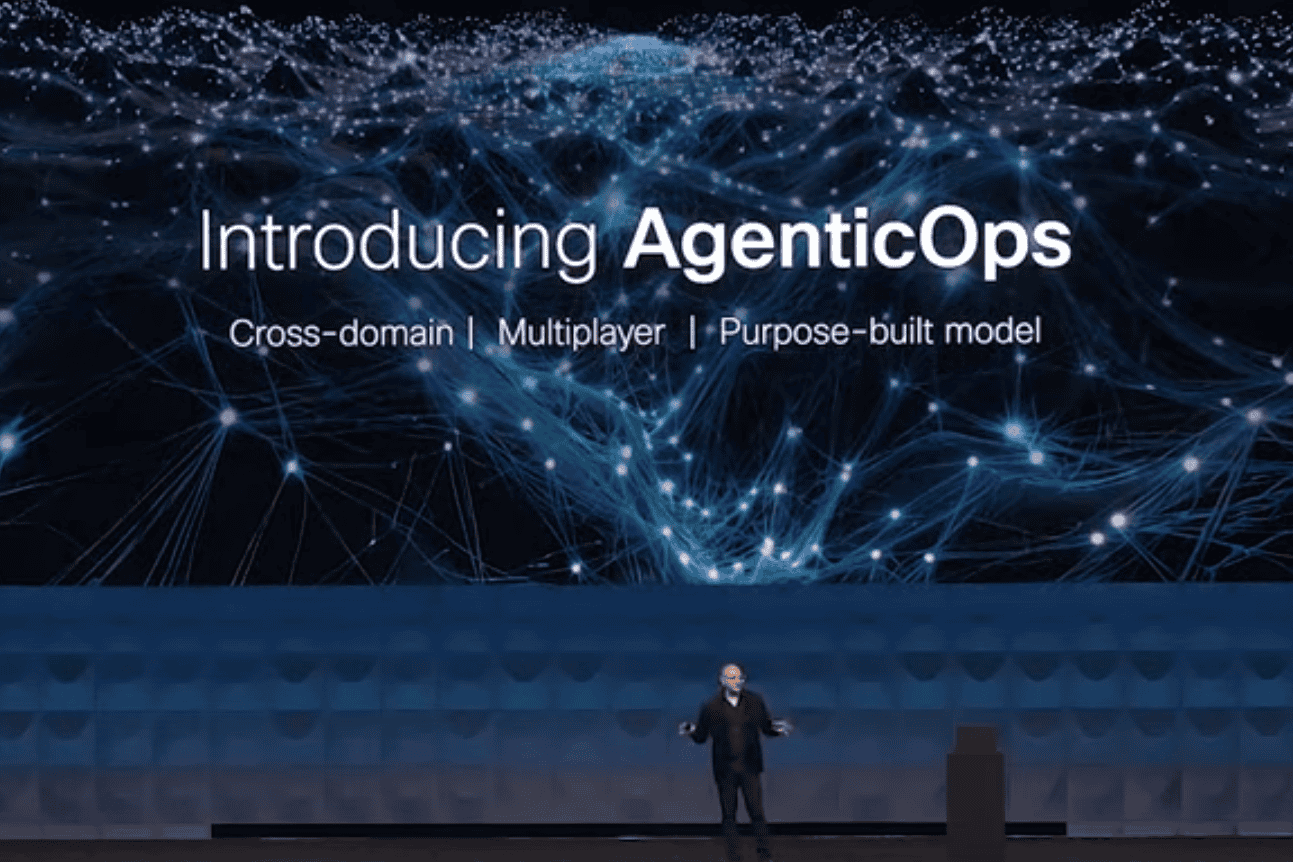
The ever-evolving nature of IT operations and the growing complexity of modern technology environments have clearly spelled the need for AIOps tools. AIOps, or Artificial Intelligence for IT Operations, uses artificial intelligence (AI) and machine learning (ML) technologies to enhance and automate various IT operation tasks. AIOps platforms are designed to analyze and interpret data generated from various IT operations tools and platforms, providing service assurance and insights, automating routine tasks, and helping organizations detect and resolve issues more efficiently.
AIOps, or artificial intelligence operations, streamline and enhance IT operations, akin to a fitness watch for the datacentre, gathering data, analyzing it, and providing insights.