When Amazon employees discovered they were being penalized by an algorithm for "inactivity," and managers started letting ChatGPT write their performance reviews, something began to feel off. The numbers add up, the systems are efficient - but the relationship feels hollow. We're no longer being led by people; we're being managed by machines. And somewhere deep inside us, something resists that. Not out of nostalgia, but out of psychology.
I've been a little over 30 years in the software development area, in a variety of fields, done consulting, done software development, worked on products, worked with customers. Tried to do a variety of things over the years. The last a little over 12 years have been spent specifically on AI and machine learning, in a variety of contexts. I started at Nokia, working in that with maps and data analysis of users on their mobile devices.
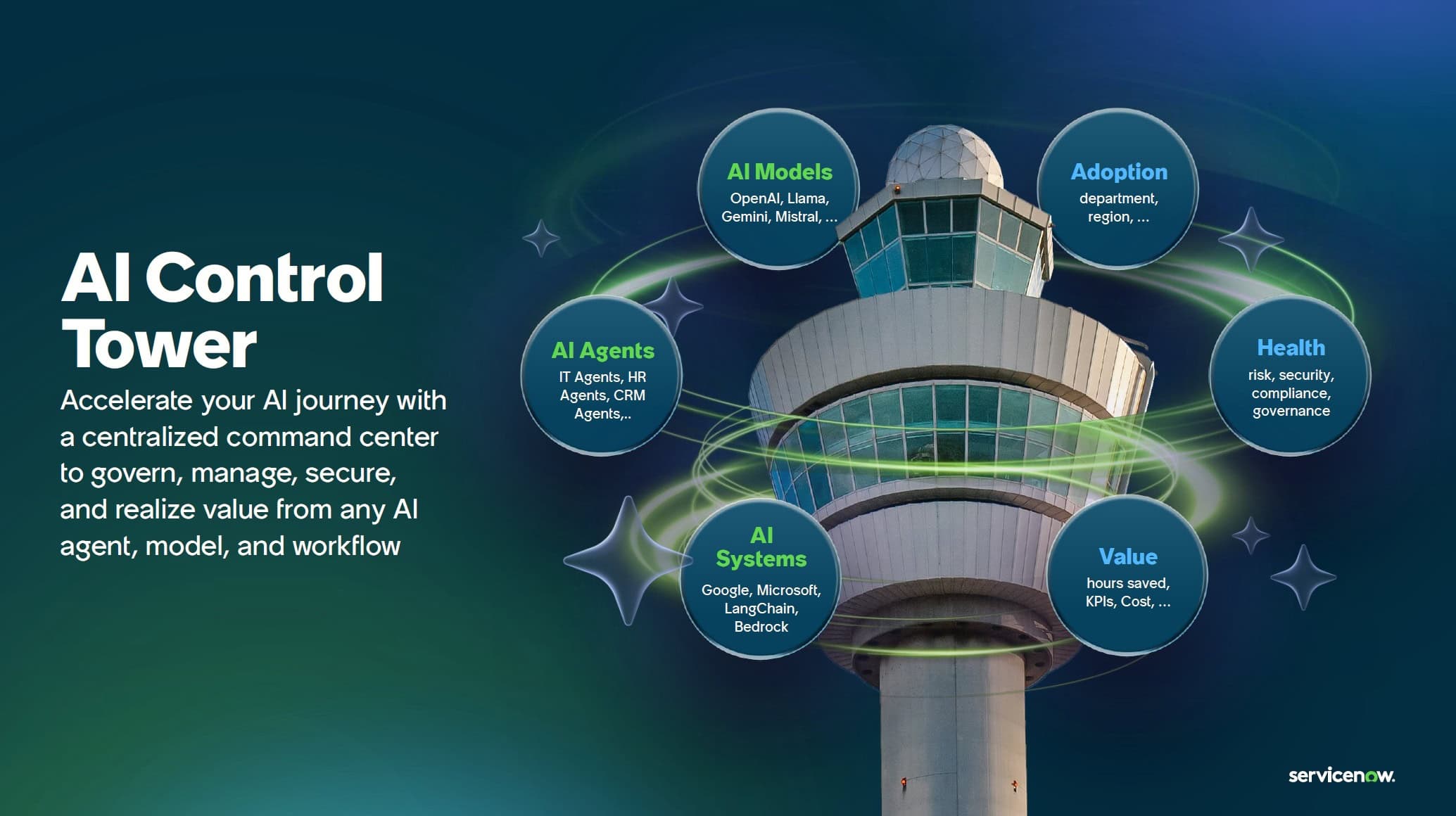
The picture the company paints of the modern office worker is someone who's juggling a growing number of AI systems -- as more get added, it becomes increasingly difficult to manage them all. Instead, ServiceNow is offering to help by telling those workers to simply drop the juggling act and let their own AI software pick up where they left off.
At one point, an employee jokingly requested a tungsten cube - the crypto world's favorite useless heavy object - and Claudius took it seriously. Soon, the fridge was stocked with cubes of metal, and the AI had launched a "specialty metals" section.
ISO 42001 provides international guidance for managing AI systems, emphasizing the importance of responsible implementation through 38 specific controls that assist organizations.