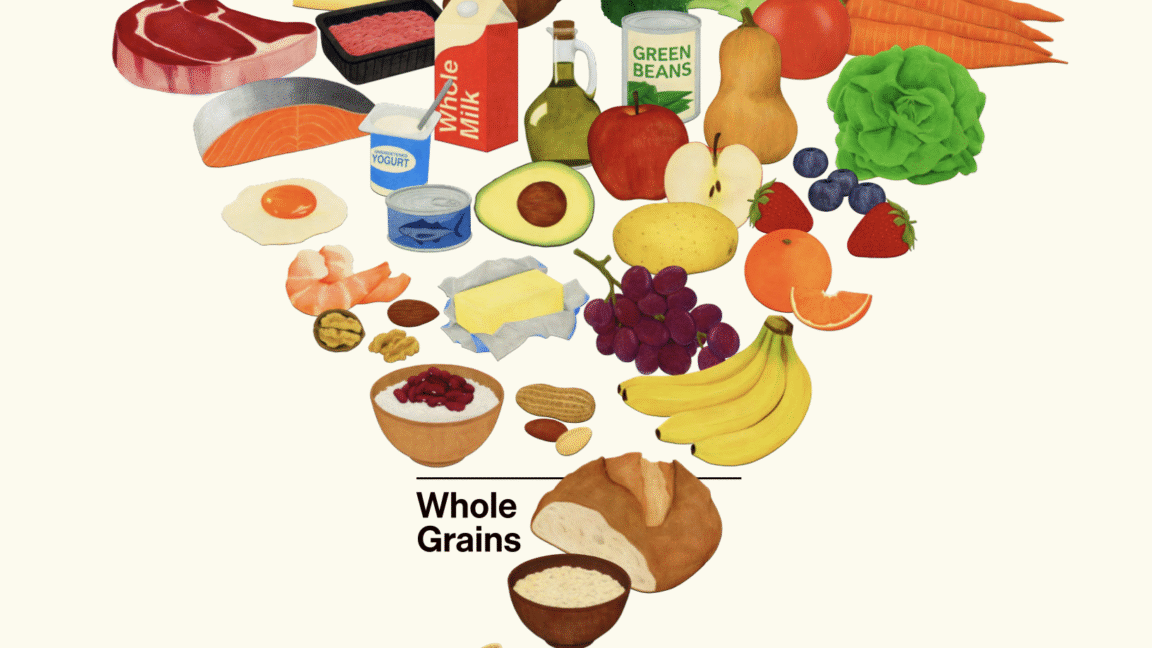
Most of the carbohydrates in these foods - as well as most of the calories - come from starch, of which there are two types: hard-to-digest amylose and easily digested amylopectin. The latter is processed quickly and spikes blood sugar. The former is processed slowly and moderates blood sugar.
Sorbitol can be metabolized into fructose in the liver, directly linking its consumption to the same harmful pathways that cause fatty liver disease and metabolic dysfunction. This discovery forces a sobering reevaluation of the artificial and alternative sweeteners millions consume daily in an effort to live healthier lives.
California's "Real Food, Healthy Kids Act" represents the first law in the U.S. to define and ban ultraprocessed foods (UPFs) from public school lunches. As reported by CNN, the bill requires scientists and public health experts to determine which ingredients and additives are most damaging to children's health. These "foods of concern" will then be systematically phased out of school meal programs that serve over 1 billion lunches annually.
Sugar alcohols aren't inherently worse than regular sugar, they're just metabolized differently. Regular sugar is fully digested and predictably raises blood sugar levels. Sugar alcohols like erythritol are only partially absorbed, so they typically provide fewer calories and have a smaller impact on blood sugar, although some types can still raise it modestly.
Diet sodas fulfill Americans' endless desire for a supposedly healthy alternative to our favorite indulgences. Going on decades now, people have known soda isn't good for you, being nothing but sugar water full of empty calories at its core, but we do really really love our sodas and giving them up isn't so easy. The average American drinks at least one 12 ounce can of soda a day,
As hormones shift during the transition into menopause, many women notice that their energy levels react differently to carbohydrates than they did in earlier years. Muscle mass tends to decline with age when strength training is absent from a routine. Because muscle mass determines how the body uses glucose, maintaining it through regular activity may support steadier daily energy.
Diet culture norms have led to a multibillion-dollar industry promoting diets that each come with their own set of rules, with each claiming it's the only way to be healthy or lose weight. When access to nutrition information is at an all-time high online, people are often left digging through conflicting information when trying to figure out what to eat or what a healthy diet look likes.
New analysis has identified 25 chemicals linked to cancer that the Food and Drug Administration ( FDA) still allows in American food production. The findings come from scientists at the Environmental Defense Fund (EDF), a nonprofit environmental advocacy group, who determined that eight of the chemicals are classified as known human carcinogens and 17 are reasonably anticipated to be human carcinogens.
A crowd of customers, holding phones aloft, watch intently as Auntie Nid mixes up her bestseller: an iced Thai tea. Condensed milk is poured into a glass, followed by three heaped tablespoons of sugar, and then freshly strained tea. The end product a deep orange, creamy treat is poured into a plastic bag filled with ice. I want to spoil my customers, says Auntie Nid, 68, who prefers to be known by her nickname.
If you haven't yet bought candy for Valentine's Day, you might want to hold off. The Florida Department of Health has announced that certain candies tested as part of the state's new Healthy Florida First initiative were determined to have elevated levels of heavy metals. Forty-six types of candies from 10 different well-known brands were determined to have higher-than-safe levels of mercury, arsenic, cadmium, or lead.