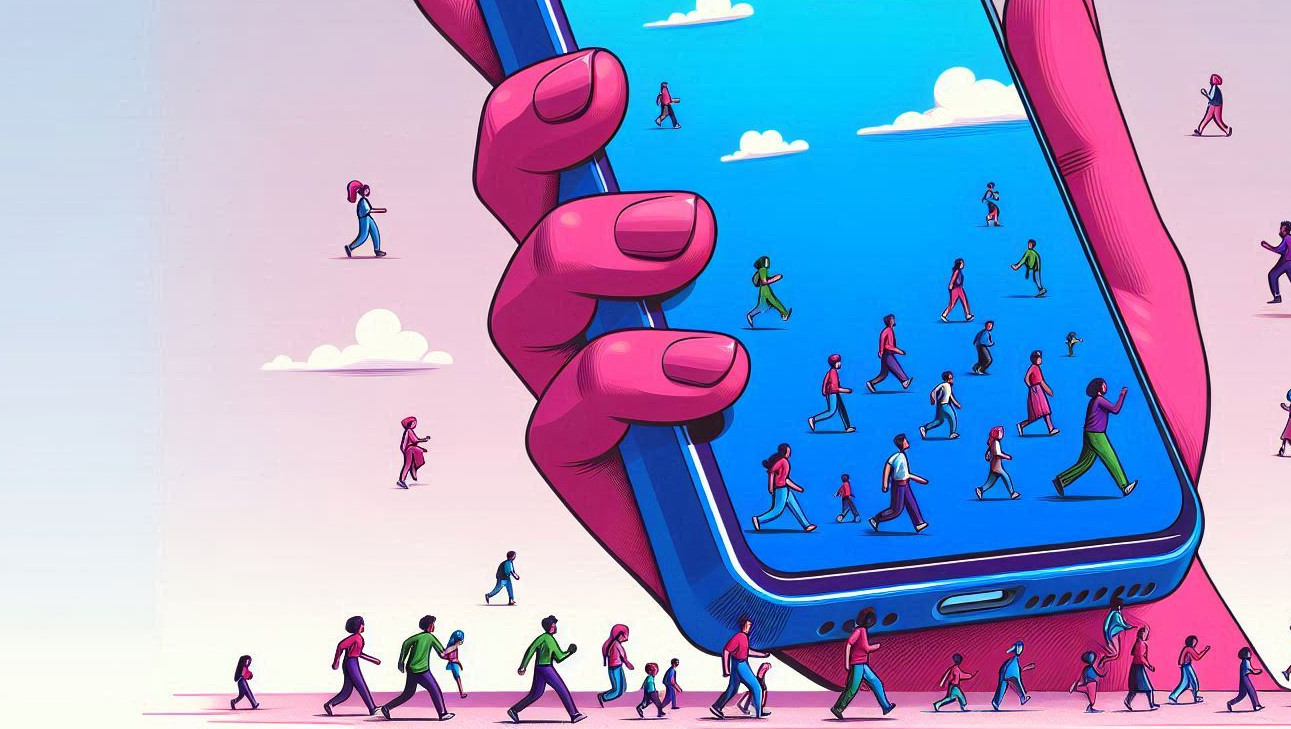
Influencer marketing has evolved from a budget afterthought into a core element of modern communication strategies, spanning celebrity megastars to nano-influencers. Consumers increasingly resent traditional advertising and prefer relatable, authentic voices with perceived authority. The MENA region combines high digital penetration, a young mobile-first population, and substantial influencer spending, with the market expected to reach AED 4.7bn and three-quarters of UAE residents following influencers. Influencer campaigns do not guarantee ROI. MENA audiences are shaped by tradition and stricter social norms, and governments are increasingly regulating and leveraging advertising trends, creating a more complex operating environment for influencer strategies.
"Even in 2019, influencer campaigns were still seen as a nice-to-have, somewhere to allocate the leftover budget in support of the 'actual campaign'. We're living in a very different world today. Whether you're looking to spend millions of dollars to speak to tens of millions of fans via Christiano Ronaldo or Kylie Jenner, or tap into vast grassroots networks of nano-influencers who reach a few thousand consumers at a time, influencer marketing is an integral part of any modern communication strategy."
"We're living in an era of skepticism, where consumers increasingly resent traditional advertising, rejecting brand voices in favour of more relatable voices with greater perceived authenticity. In few places is this trend exhibited more strongly than in the MENA (Middle East North Africa) region. Here we have one of the world's highest rates of digital penetration and a young population raised in a mobile-first ecosystem. Influencer marketing is big business in the region, with the influencer market expected to reach AED 4.7bn (£970m) this year."
Read at Exchangewire
Unable to calculate read time
Collection
[
|
...
]