Some people behave rudely or meanly because they intend to hurt others, often projecting dissatisfaction with themselves to feel better. Workplace incivility reduces effort, increases turnover, lowers productivity, and inhibits performance. Hurtful behavior can also come from weakened self-control, where managing impulses without recovery time leads to emotional outbursts that others experience as rude. Some people always think they are right due to fixed thinking that is neurologically normal, making it predictable even when unacceptable. Procrastination is not laziness; it functions as a self-protective strategy that shields people from personal doubt and the risk of confronting it directly.
"Being mean is the deliberate intention to be hurtful. While some meanness stems from personality disorders or cultural differences, most mean behavior reflects personal dissatisfaction with oneself. Individuals with low self-esteem project their negative feelings onto others to feel better about themselves. Research confirms that workplace incivility decreases effort, increases turnover, lowers productivity, and inhibits performance (Pearson & Porath, 2005)."
"Lack of self-control also drives hurtful behavior. Sustained effort to manage inappropriate impulses gradually weakens without recovery time, eventually causing emotional outbursts that others perceive as rude or mean-spirited (Goldberg & Grandey, 2007). If you've ever experienced "the straw that broke the camel's back," you already understand this mechanism firsthand."
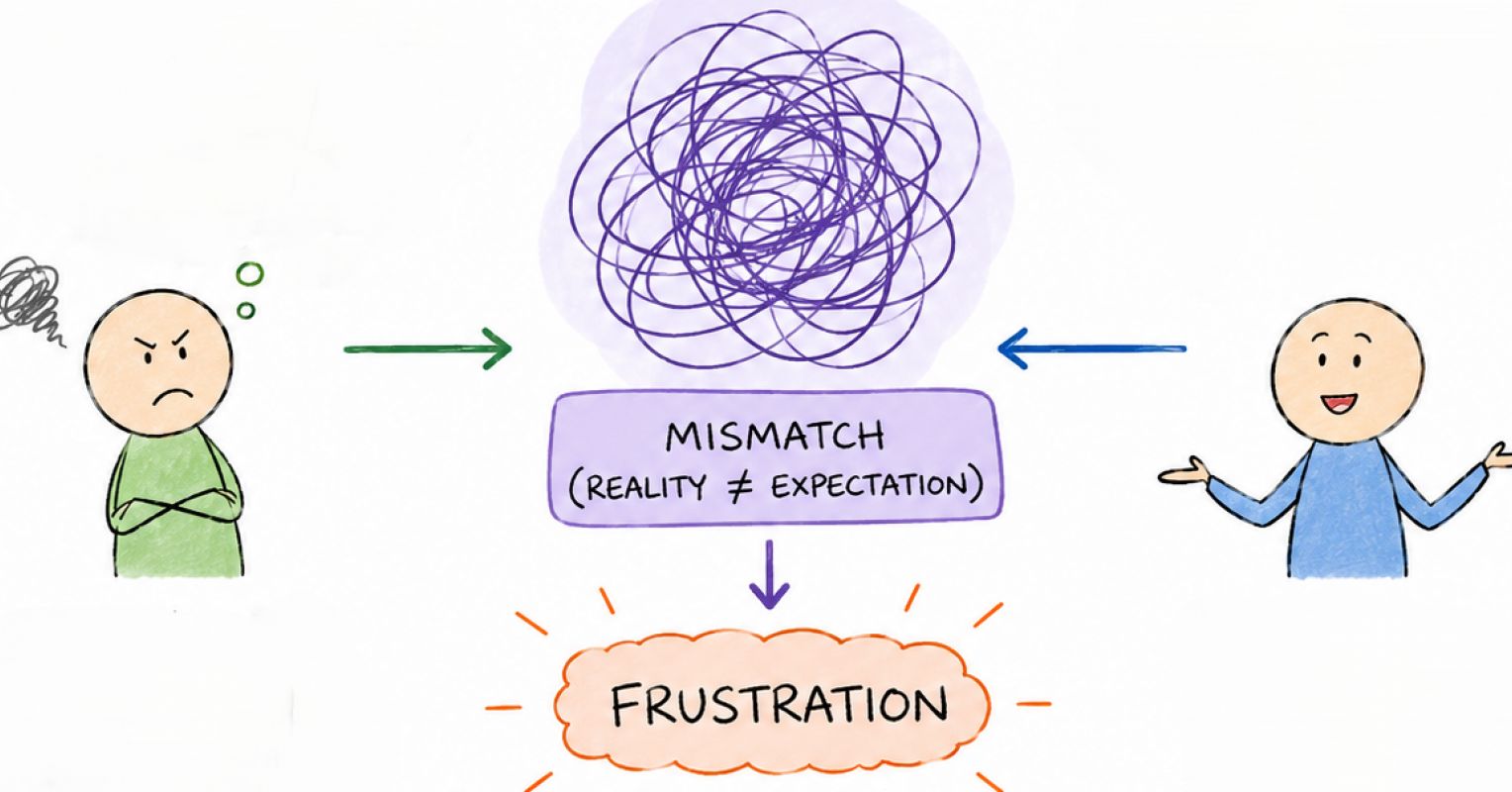
"Some individuals offer confident, seemingly irrefutable opinions on virtually every subject-the classic "kno..." Fixed thinking is neurologically normal, which doesn't make it acceptable but does make it predictable. Understanding the inevitability reduces the potential for personal anxiety and frustration."
"Procrastination isn't about laziness; it's a self-protective strategy that shields people from personal doubt. Understanding certain behaviors is essential for our well-being and for avoiding feelings of guilt or inadequacy when we see the world differently from those around us."
Read at Psychology Today
Unable to calculate read time
Collection
[
|
...
]