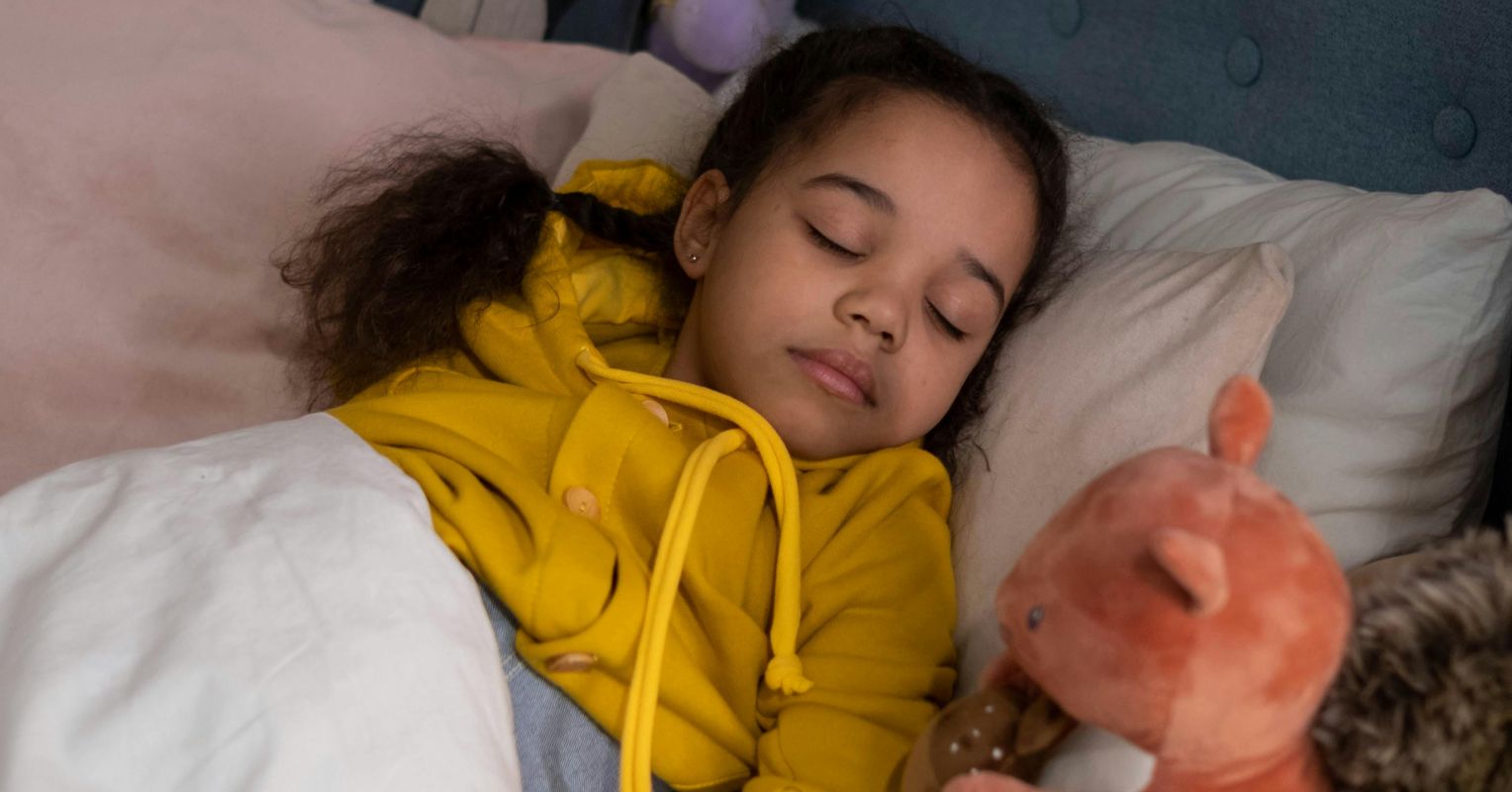
"Most parents are surprised that this simple event can be so disruptive to a child's established sleep rhythms. Adequate sleep is vital to brain health, among other things, so there are established mechanisms in place to predispose children to fall asleep. Daylight Saving Time plays havoc with those very mechanisms."
"In the growing, unfinished brain of young children, it's a much bigger monkey wrench. That woozy brain presents as irritability, fussiness, night awakenings, and more. It feels to them like you decided all of a sudden to put them to bed an hour earlier for no good reason."
"Morning sunlight works wonders to help reboot circadian rhythms. Brightly lit rooms work nicely, too. Calming play, dim lighting and no screens before bed can help ease the transition."
Daylight Saving Time significantly disrupts children's established sleep rhythms by interfering with hormonally controlled circadian patterns. Young children's developing brains are particularly vulnerable to this disruption, resulting in irritability, fussiness, and night awakenings that can last several weeks. Unlike adults experiencing jet lag, children perceive the time change as an abrupt, unexplained shift in bedtime. While gradual bedtime adjustments over several days before the transition are ideal, practical strategies include exposing children to morning sunlight, using bright lighting in rooms, implementing calming play activities, and eliminating screens before bed to help reset their internal clocks.
Read at Psychology Today
Unable to calculate read time
Collection
[
|
...
]