Psychology
fromPsychology Today
1 week agoYour "Angry Kid" Isn't the Problem-This Is
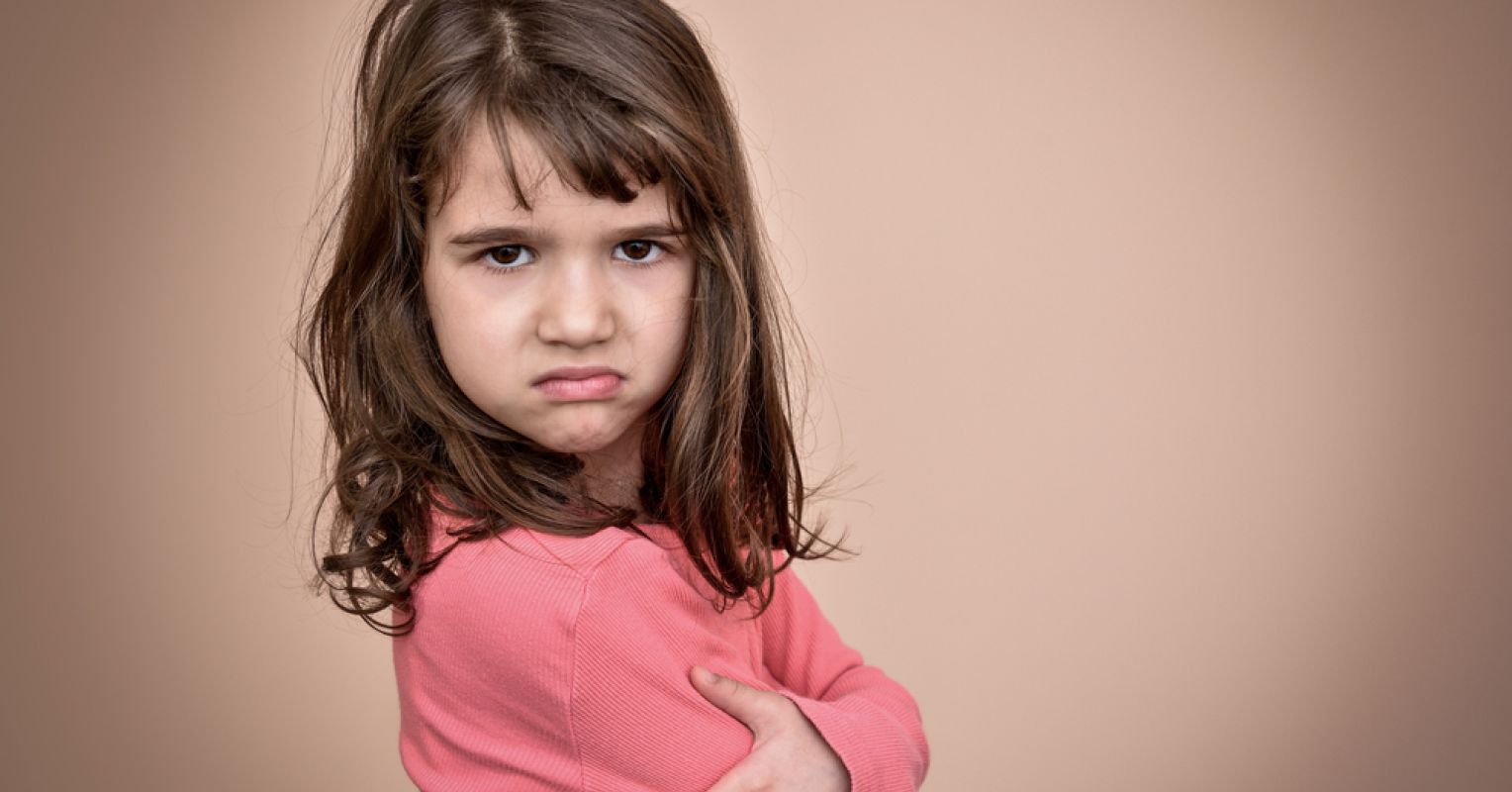
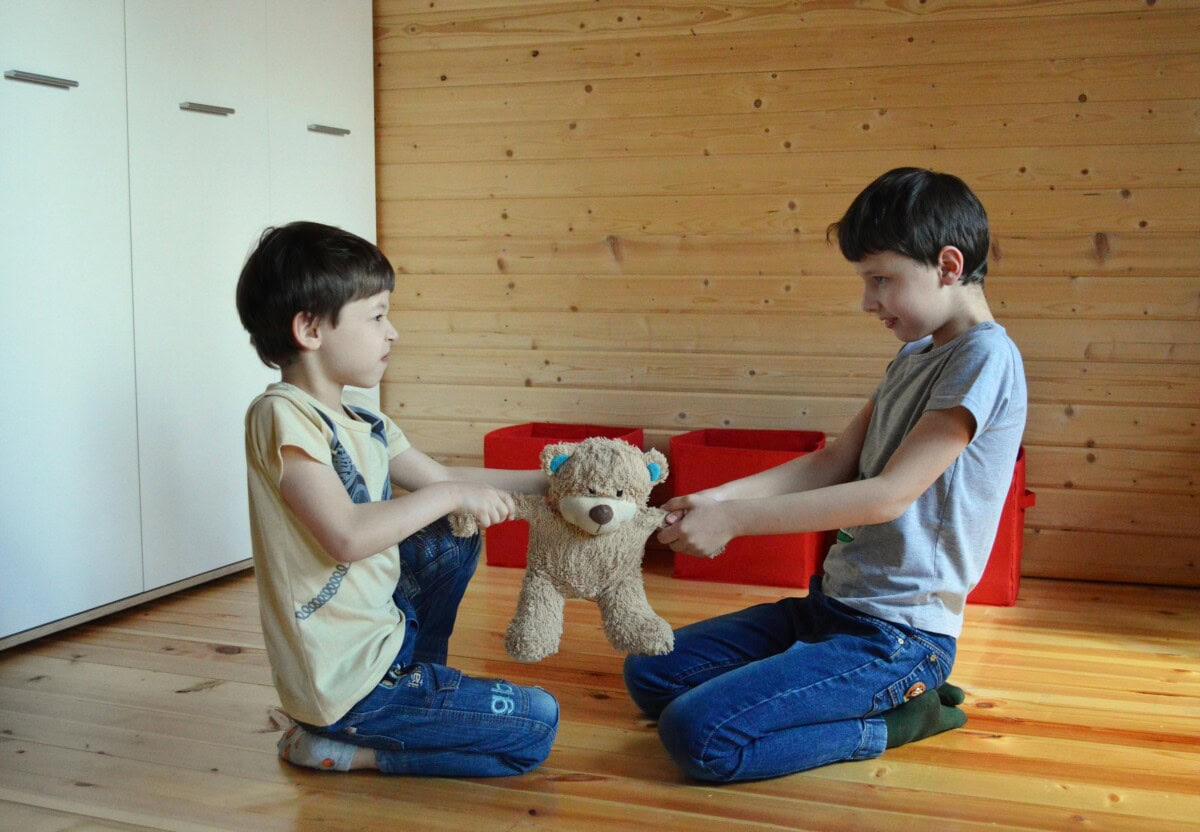
Anger often masks deeper vulnerabilities like anxiety and fear in children.
With literacy rates declining across OECD countries, building healthy habits around books is truly essential. Allowing reading at dinner started as one of those on-the-spot parental solutions. Letting them have a copy of Bunny Vs Monkey or The Beano while they ate seemed like a more ethical solution for keeping them in their chairs for the duration of the meal than, say, duct tape.
Like you, I think it's so important to preserve her awe-inspiring strength and spirit, which will be such a huge asset when she's older. But at the same time, it's completely exhausting to be on the receiving end of her firehose of stubbornness. Everything is an argument. Nothing will make her stand down when she really believes in something or wants to do something.
Without effective tools and preparation, many parents understandably default to instinct and use common ineffective tactics, such as warning, advising, informing, or trying to control their teens. The adolescent brain has been compared to a car with a powerful gas pedal and weak brakes when in the presence of other teens or when expecting to be seen by them (Bulow, 2022; Steinberg, 2008). Further, they are drawn to peers, and then instinctively rev each other up into risky experimentation and sensation-seeking.
Video games are a major part of many children's lives, offering opportunities to build problem-solving skills, foster creativity, strengthen hand-eye coordination and connect socially with peers. In many cases, gaming can promote teamwork, critical thinking and even emotional resilience. When played responsibly, it can serve as a healthy and enriching activity. However, like any social environment, whether in-person or online, gaming platforms can also expose children to difficult situations, including conflicts, exclusion and occasionally bullying behavior.
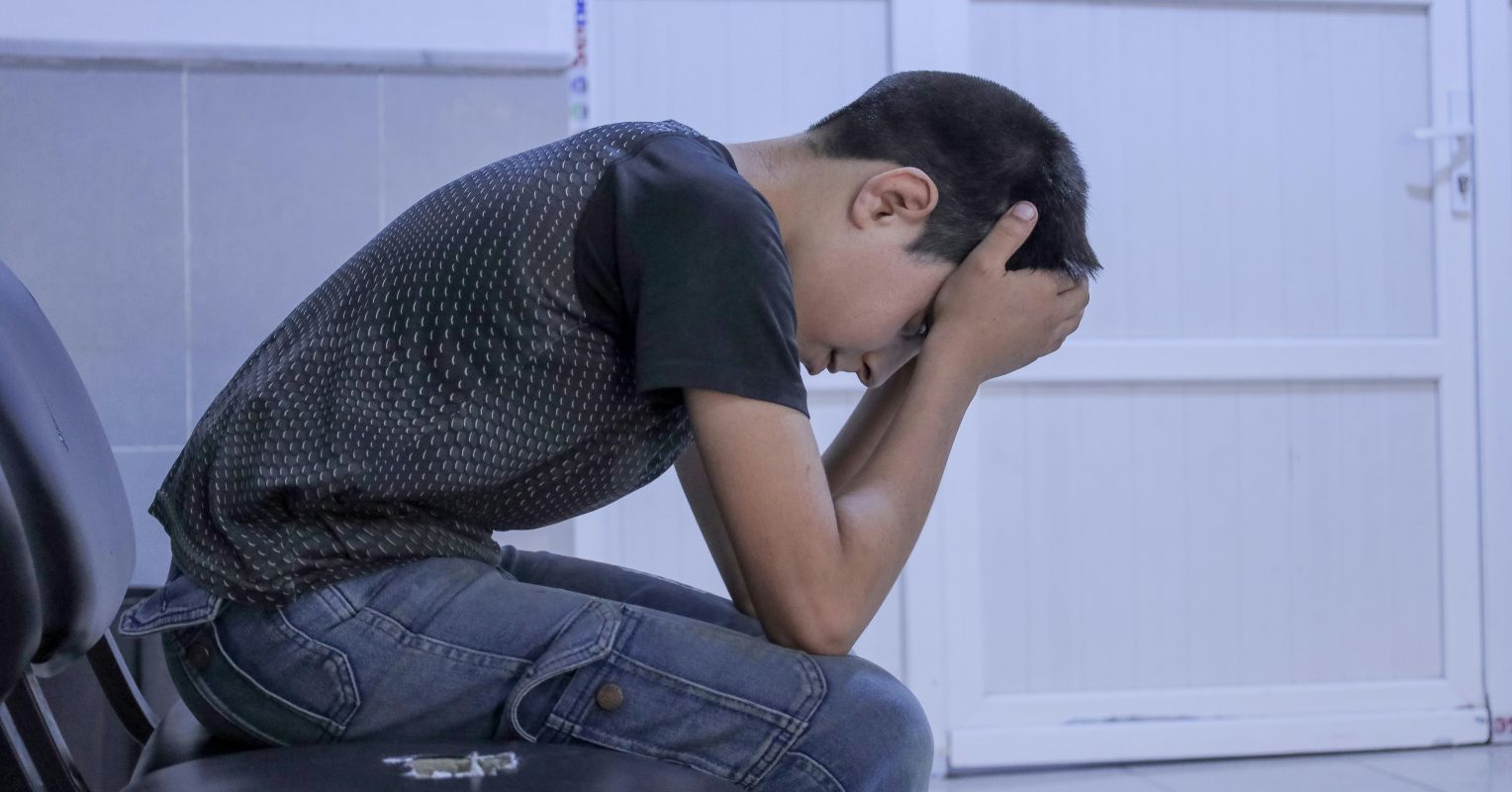
You pick up your child from school, ready to hear about their day, and within minutes, there are tears, meltdowns, or angry outbursts. Or maybe it looks different in your house: Your child gets silly, wild, and harder to settle. Welcome to the wonderful world of after-school restraint collapse. All day at school, kids work hard to manage themselves. They follow rules, use polite words, sit still, and keep their emotions in check. They are exercising enormous self-control, and their brains and bodies get depleted.
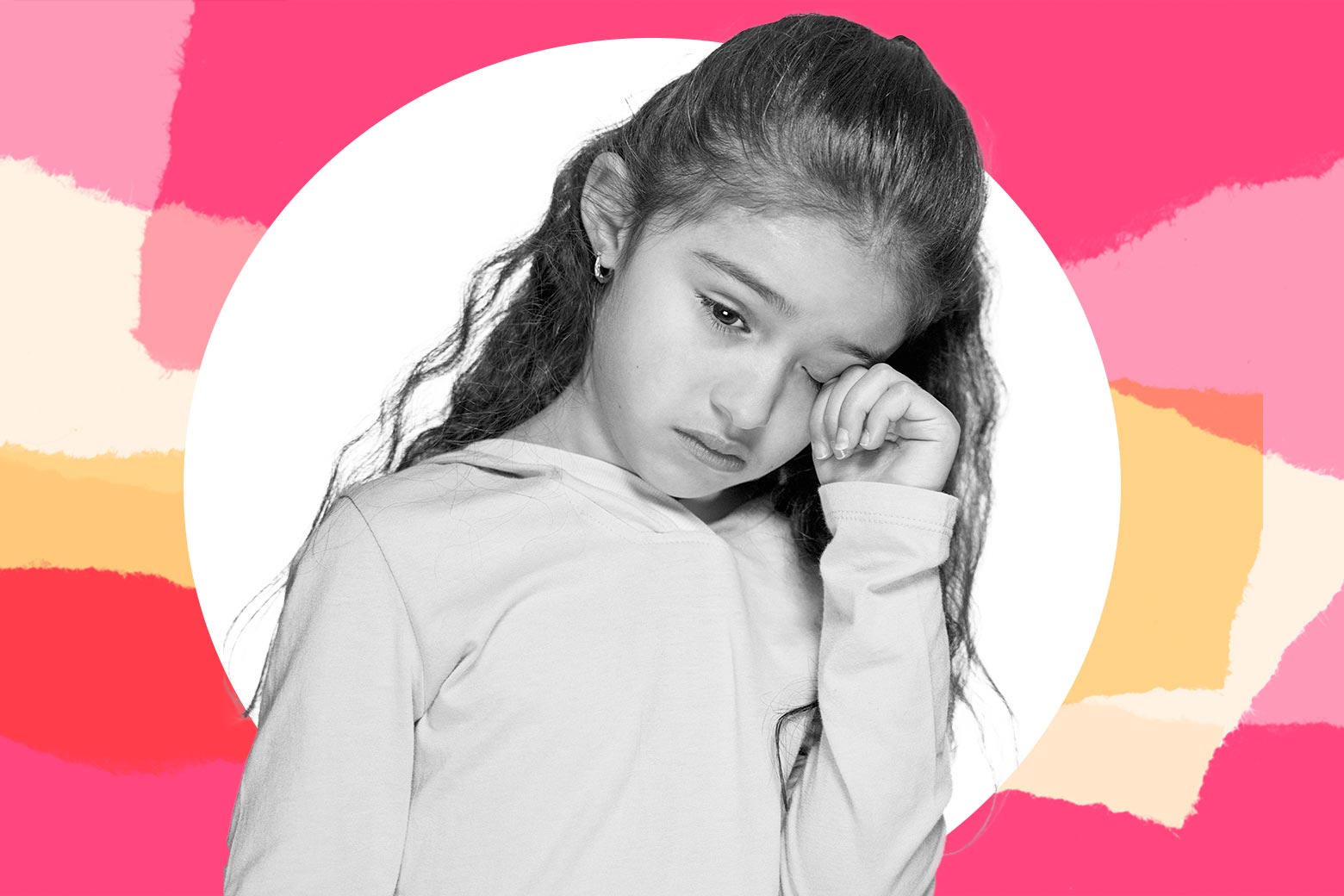
What exactly constitutes a meltdown? As Lorain Moorehead, an individual and family therapist, explains, a meltdown is, on some level, a child's expression of their opinion or preference. "Their body is dysregulated either because of their real or perceived need not being met, and they are communicating it with the tools they have available in the moment, which in the case of a meltdown might be tears, volume, or other means to return to a state of control," she says.