"Prove your idea for a business works. Prove you can make money. Prove you're willing to do whatever it takes. If you're not willing to spend nights and weekends on your startup, instead of running toward the business you feel compelled to start, you're probably running away from a job you don't like."
"I didn't have a Plan B, but I was also lucky that I had my other businesses. I was making money from real estate, and that gave me the power to wait for the roles I wanted. You need money, and if you quit your job, you're going to have to make decisions you wouldn't make otherwise in order to make money. Preserve your power to say no."
"Desperation almost always leads to making poor choices. When you need to put food on the table, you'll take clients you know you shouldn't—clients that will eventually cost you a lot more in time, effort, and headaches than they are worth."
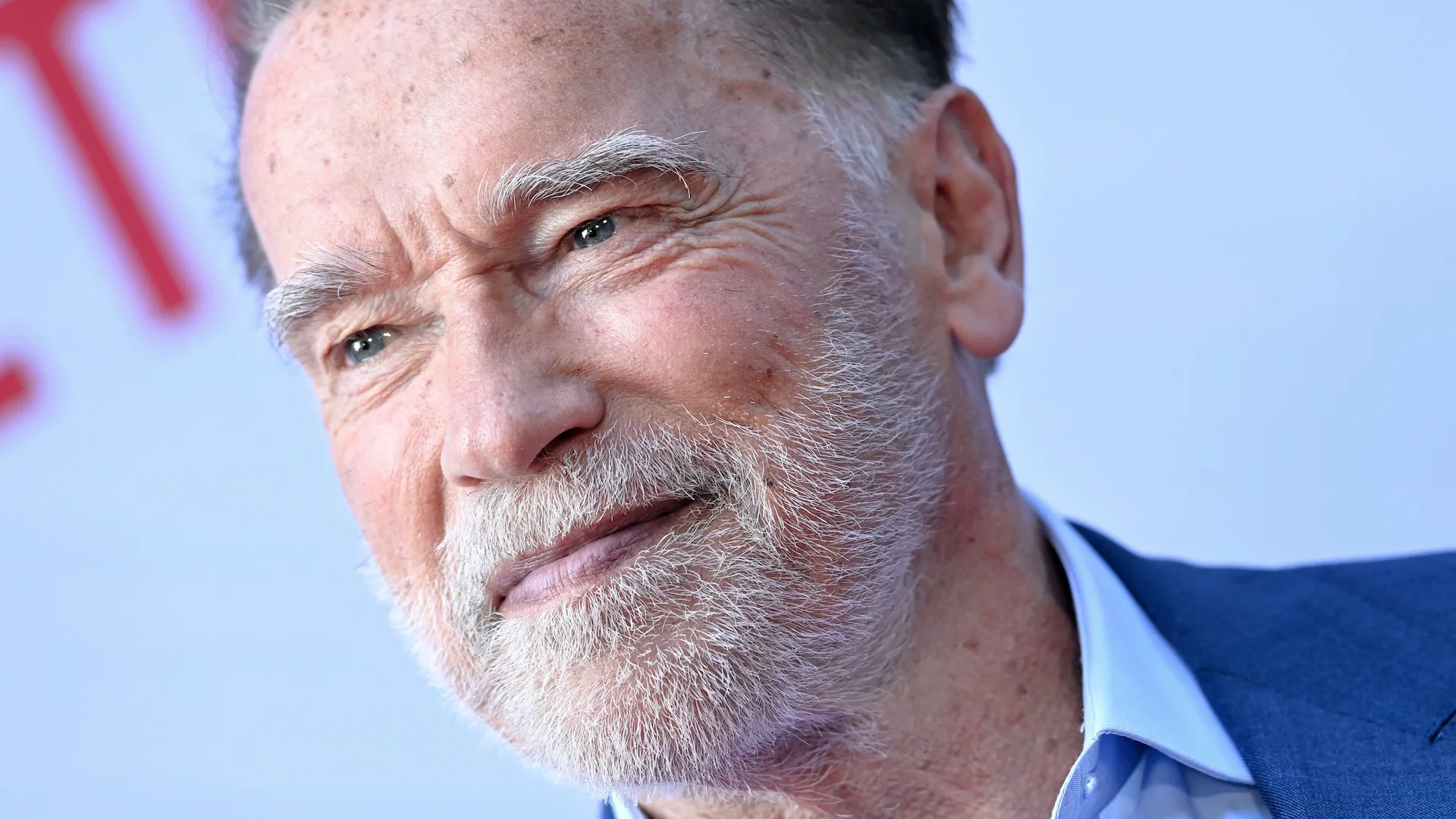
Aspiring entrepreneurs should maintain their full-time employment while developing their business ideas rather than quitting immediately. This approach allows entrepreneurs to prove their concept works and generates revenue before making the leap. Maintaining financial stability preserves decision-making power and prevents desperation-driven choices. When entrepreneurs depend entirely on their startup for income, they become vulnerable to accepting poor clients, cutting prices unsustainably, and making compromises that undermine long-term success. Arnold Schwarzenegger exemplifies this strategy, having built wealth through real estate and other ventures before committing fully to acting. Financial independence from the startup enables entrepreneurs to decline unfavorable opportunities and maintain standards, ultimately leading to better business outcomes and sustainable growth.
Read at Fast Company
Unable to calculate read time
Collection
[
|
...
]