The DLR first opened in 1987, it had two lines: Red - Stratford to Island Gardens and Green - Tower Gateway to Island Gardens. Within just a few years, as the DLR extended out to Beckton and later Lewisham, they turned the whole map green.
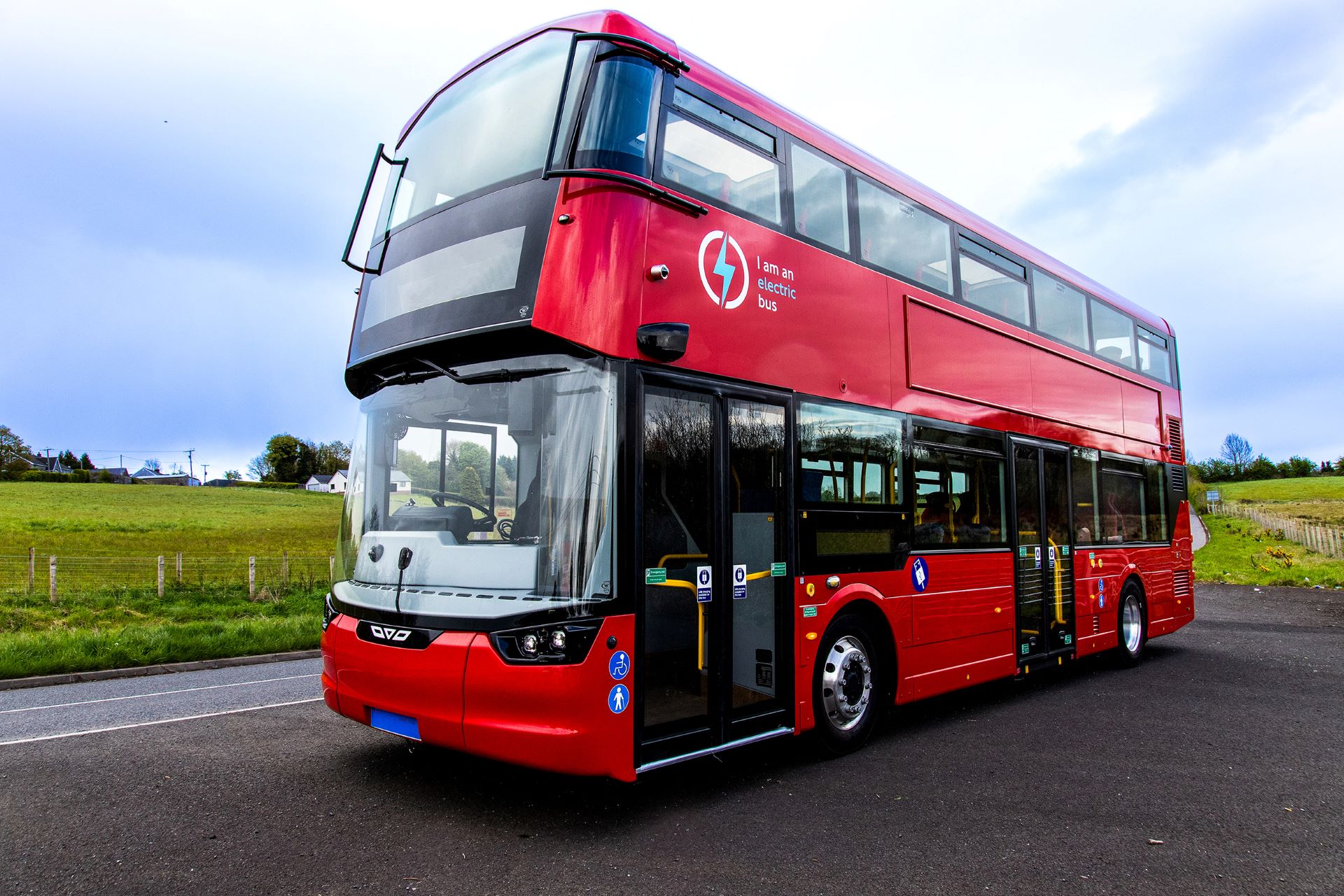
The new C127 EV adopts a modular battery configuration based on lithium iron phosphate (LFP) technology supplied by CATL, delivering a total installed capacity of 497 kWh, an increase from the previous 462 kWh.
The new technology allows drivers to see actual New York streets and experiences, which ultimately makes bus rides safer for customers. The more we can give them real tools to simulate what real life is like, the better they're going to be once they hit the road.
It's tempting to frame autonomous driving as a single leap. In public transport, adoption tends to be incremental - because the system is built for reliability, and new capabilities have to fit into daily operations without disrupting service. That is why a practical strategy is evolution, not revolution: introduce autonomy in a defined domain, learn safely in real operations, and expand capability step-by-step.
The ScotZEB3 programme will deliver a total of 334 vehicles, comprising 227 buses and 107 coaches, to be integrated into fleets operated by companies including Stagecoach, Lothian, First Bus, Ember and Rock Road.
The upBUS system is being developed by the Institute of Structural Mechanics and Lightweight Design (SLA), the Chair of High Frequency Electronics (HFE), and the Chair of Production Engineering of E-Mobility Components (PEM). It is based on a detachable passenger compartment that can automatically couple either to a road vehicle chassis or to a cable car suspension. The overall concept and its intended role in urban transport have been previously outlined in the upBUS project article published by Sustainable Bus.
The framework covers vehicles powered by hydrogen, battery-electric and diesel technologies, as well as different bus formats including single-deck, double-deck, articulated and 6×2 models. Framework agreements are designed to streamline procurement processes by allowing public buyers to purchase vehicles without conducting a full open tender.
Kinetic has been awarded all four contract units included in the Tranche 3 bus services tender for Tāmaki Makaurau/Auckland. The contract has a total value of NZD755 million (around USD446 million) and represents the largest contract award received by the company in the city to date.
The Sigma 8 is a low-entry electric midibus measuring approximately 8.7 metres in length, with a width of about 2.3 metres and a height of roughly 3.1 metres. The vehicle can accommodate up to 54 passengers and is designed for feeder services, operations in dense urban centres and routes in residential districts with constrained street geometry.
Heating, cooling, and battery temperature control are among the biggest energy consumers in electric buses today - and thus have a direct impact on range, availability, and operating costs.
Indian long-distance bus operator LeafyBus has signed an agreement with Eicher Trucks & Buses for the deployment of 100 electric intercity sleeper buses on national routes in India. The programme is centred on the Skyline Pro E 13.5-metre electric sleeper coach and foresees a phased rollout, with 35 vehicles scheduled to enter service by March 2026, according to India Times.