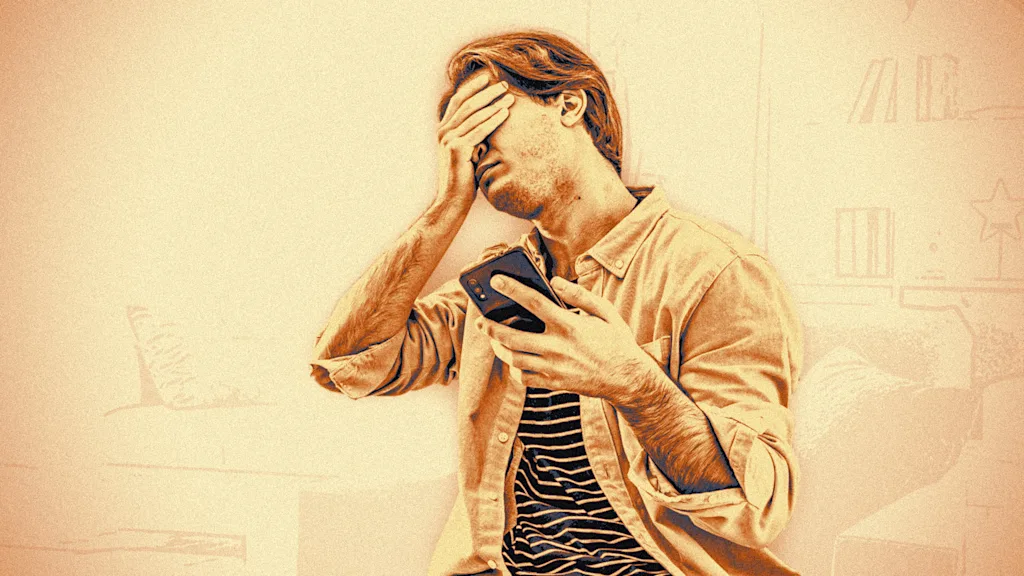
I look at my Fitbit and note despondently that I have done only 2,247 steps today. I haven't met my 'hydration goal' or crossed everything off my to-do list. I didn't think of three things I was grateful for before I went to sleep last night, nor did I meditate this morning. I didn't wake up early enough, and I probably won't get seven to nine hours of sleep. The perfect version of myself hovers in my peripheral vision - healthy, happy and, above all, productive.
Concern for physical and mental well-being conjured up images of mothers doing aerobics with Jane Fonda, or of influencers drinking kale and chia smoothies. Dieting was something women did. Men were more likely to talk about how much they drank, rather than how little they ate. It's not that men don't need to take care of themselves: men have a shorter life expectancy, they drink more alcohol, they have a poorer diet, and their mental health problems more frequently end in suicide.
An influencer pops up with a "what I eat in a day" post-the perfect-looking meals have no carbs, few calories. Another influencer tries to humorously share their night out partying, and a mom shows how she needs wine to get through the day. Ads for fitness programs fill your feed, promising that "you can fix your life in 3 simple steps!" The next day, a coworker talks about the new diet they want to start;
Dr. Casey Means, Trump's pick for U.S. surgeon general, has criticized health systems for corruption, yet profits from promoting wellness products, raising ethical concerns.