#space-ventures
#space-ventures
[ follow ]
#nasa #space-exploration #artemis-ii #spacex #blue-origin #moon-mission #mars #lunar-exploration #new-glenn




Startup companies
fromTechCrunch
2 days agoFrom the Startup Battlefield stage to the International Space Station: geCKo Materials built a sticky product | TechCrunch
Navigating legal processes is crucial for deep tech startups to successfully transition from laboratory breakthroughs to scalable businesses.
#spacex



Science
fromFortune
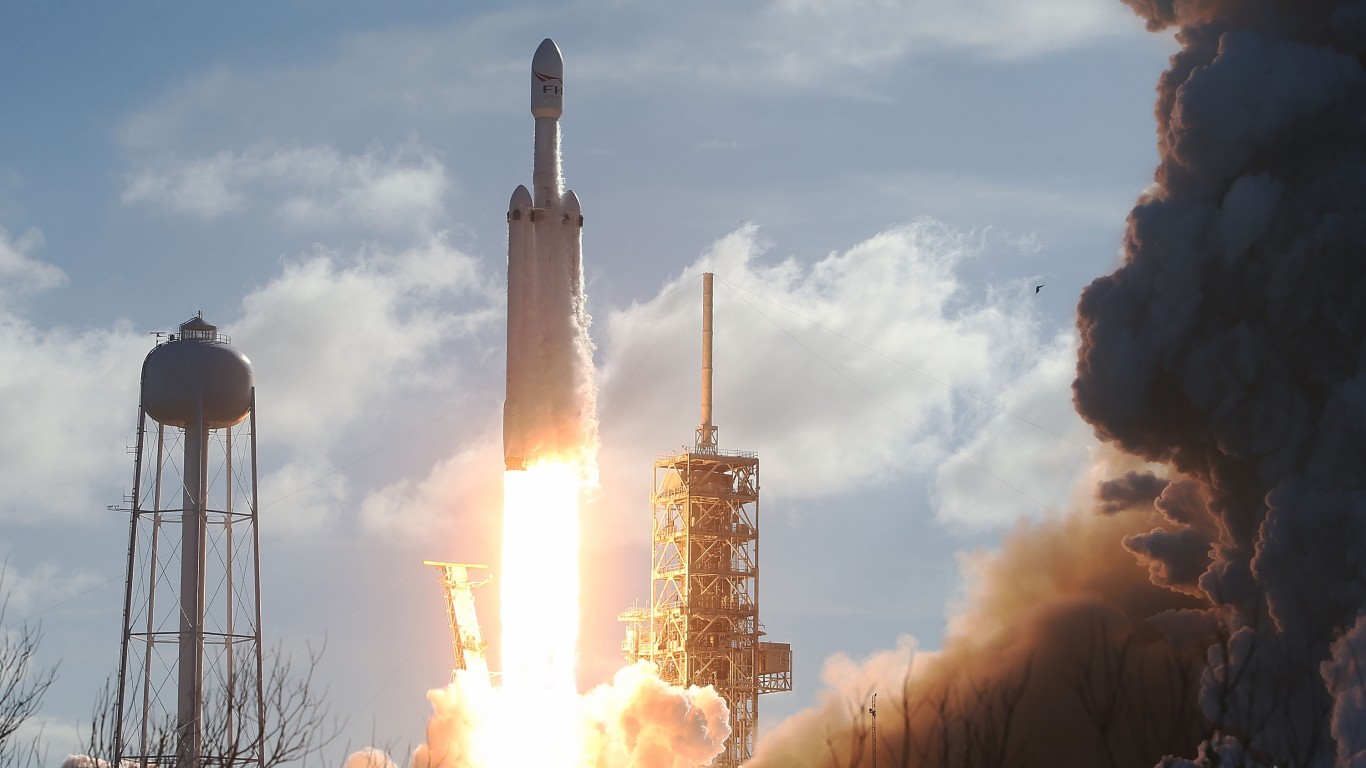
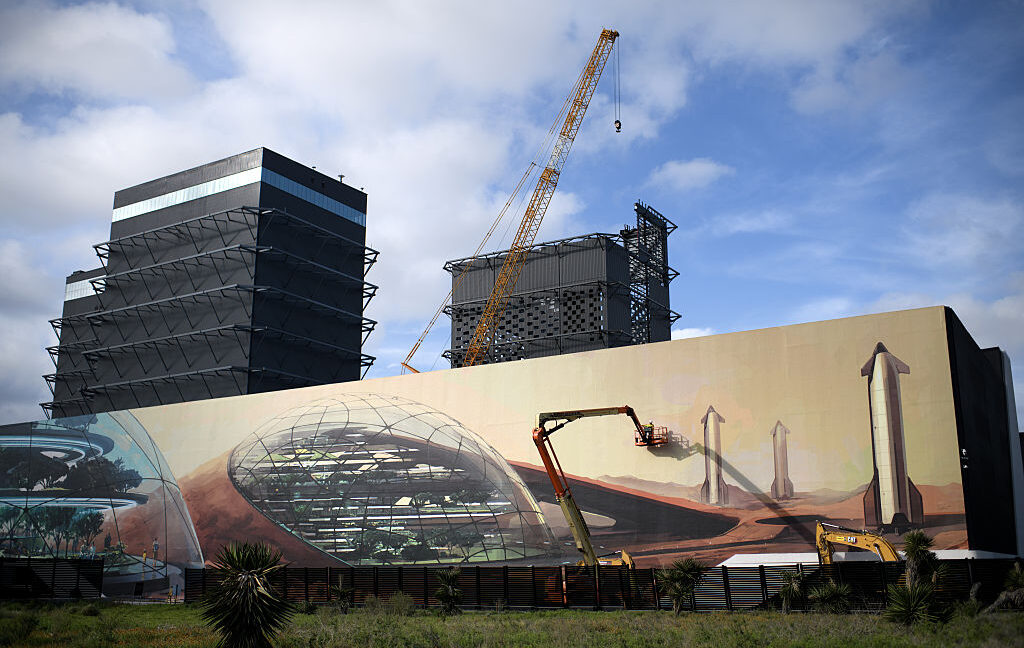
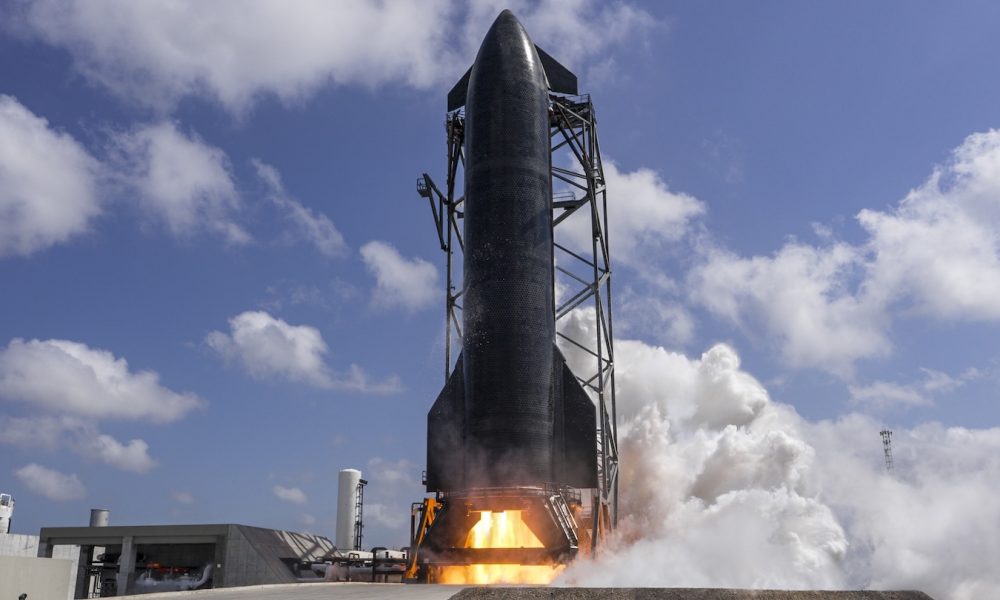
3 days agoThe Bezos-Musk space rivalry is shooting for the moon and the winner will not just dominate the cosmos-but the future of AI infrastructure | Fortune
Elon Musk's SpaceX and Jeff Bezos' Blue Origin are competing to dominate lunar missions and AI infrastructure, with high stakes for future moon travel.

fromTechzine Global
2 months agoIs the future of compute space-based?
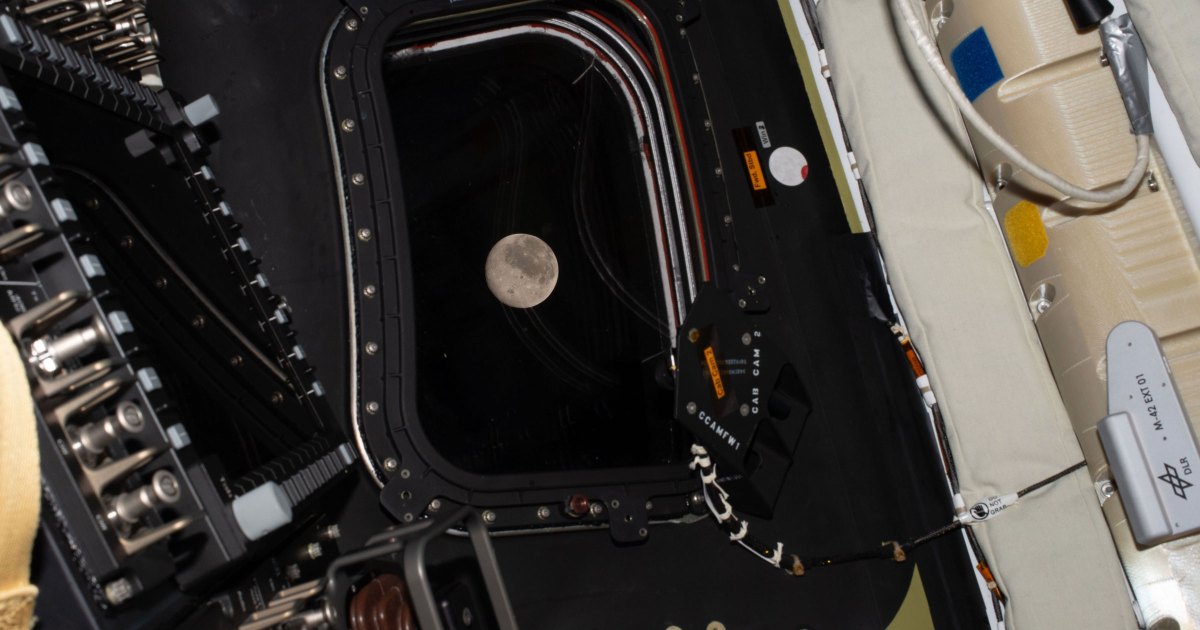
Could IT infrastructure, and even the rise of AI, eventually migrate beyond the atmosphere? Amazon founder Jeff Bezos predicted in October that gigawatt-scale, solar-powered data centers would be a reality within 10 to 20 years. At the World Economic Forum in Davos this week, Elon Musk was even more ambitious: AI data centers in the "final frontier" could be viable within two to three years. Google also plans to deploy its TPU chips in orbit via Project Suncatcher.
Artificial intelligence
Venture
fromTechCrunch
1 month agoThis SpaceX veteran says the next big thing in space is satellites that return to Earth | TechCrunch
Lux Aeterna develops reusable satellites with integrated heat shields enabling payload return to Earth, securing $10 million seed funding for 2027 demonstration mission.
from24/7 Wall St.
2 months agoThe Space Infrastructure Builder Stumbles While the Launch Provider Burns Through Cash Faster
Redwire focuses on space infrastructure and autonomous systems. The company completed its Edge Autonomy acquisition and reported 50.7% year-over-year revenue growth. Management maintained full-year guidance of $320 to $340 million, and the book-to-bill ratio of 1.25 suggests demand is holding. But the business is bleeding cash with a net loss of $41.2 million in Q3, nearly double the $21 million loss from the prior year. Gross margin sits at just 16.3%, leaving almost no room for error.
Startup companies
fromArs Technica
2 months agoDo you have ideas about how to improve America's space program?
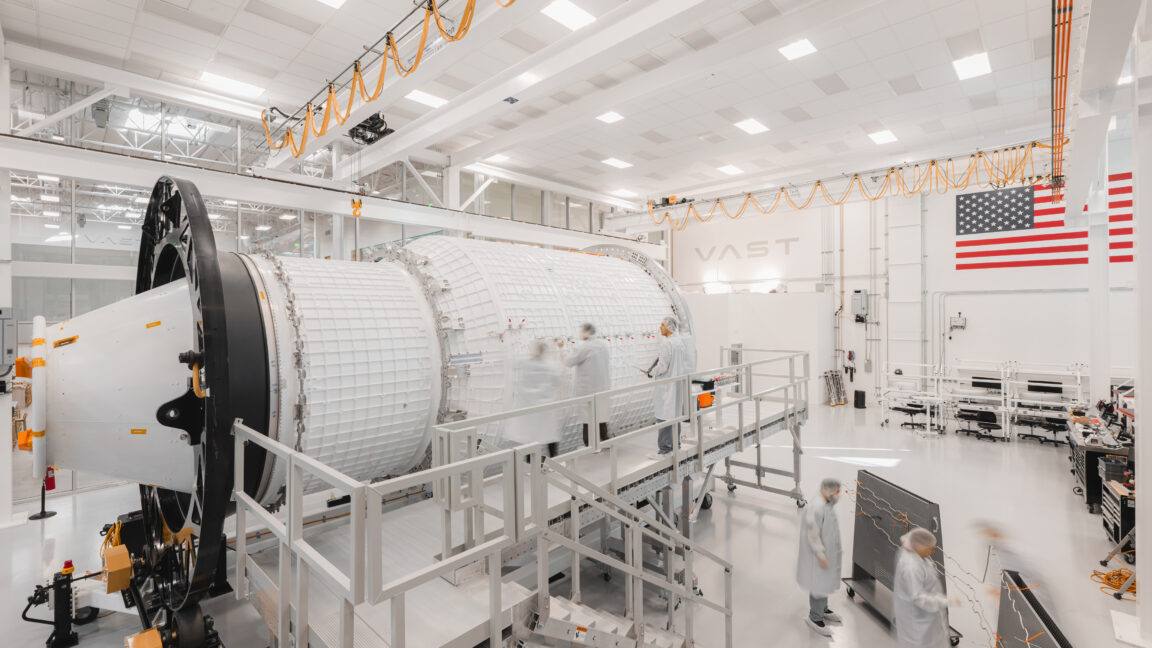
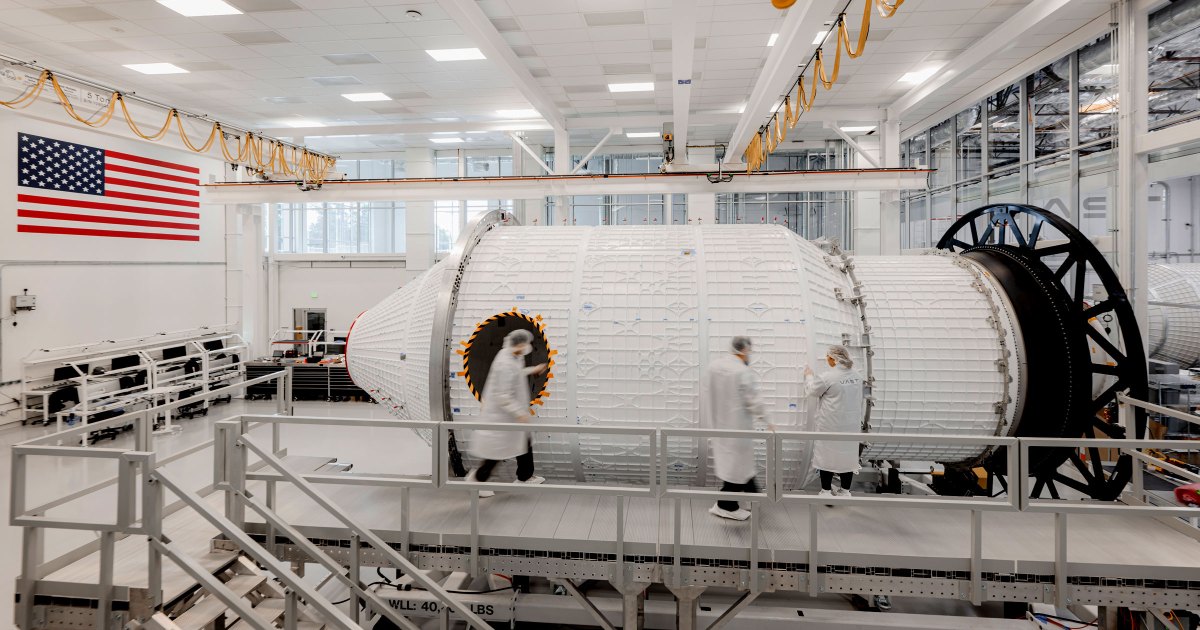
Entrants will be required to write three- to five-page white papers that explain their idea and how they would shape markets and strengthen the space economy or national security. Papers are due by June 30, and judging will be complete by August 15. As an additional incentive, the best ideas will be briefed to relevant policymakers, including key members of Congress, NASA Administrator Jared Isaacman, and Saltzman, of the Space Force.
Science
fromwww.theguardian.com
2 months agoFour new astronauts arrive via SpaceX rocket at International Space Station
The International Space Station (ISS) returned to full strength with Saturday's arrival of four new astronauts to replace colleagues who bailed early because of health concerns. SpaceX delivered the US, French and Russian astronauts a day after launching them from Cape Canaveral. Last month's medical evacuation was Nasa's first in 65 years of human spaceflight. One of four astronauts launched by SpaceX last summer suffered what officials described as a serious health issue, prompting their hasty return.
Science
[ Load more ]