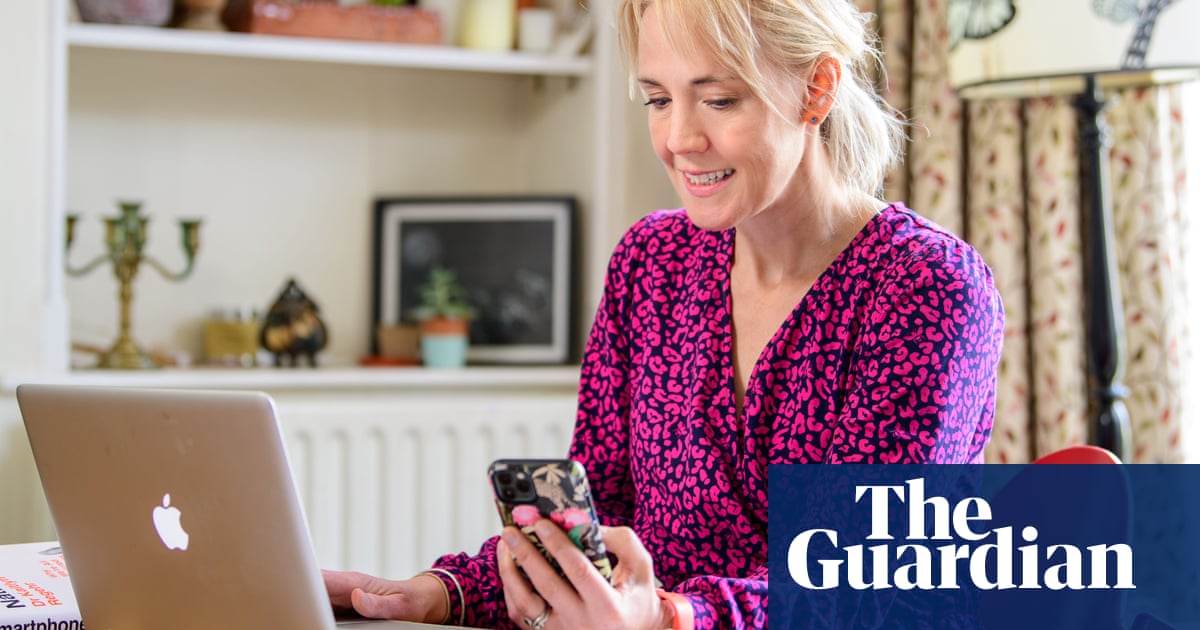
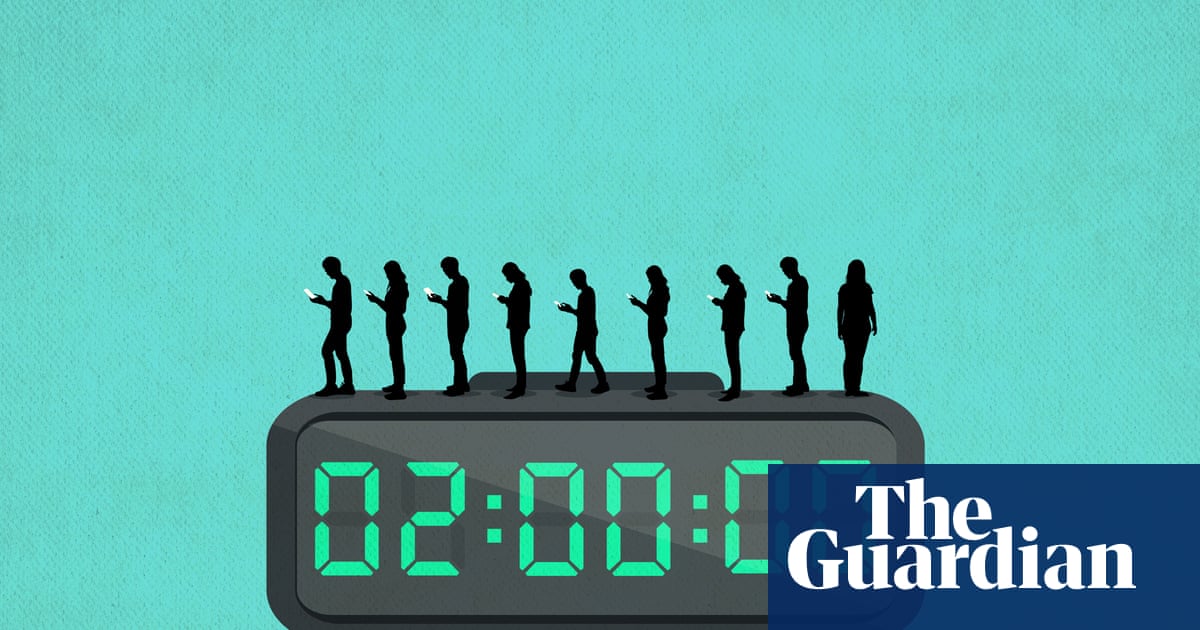
Before I've poured my first morning coffee I've already watched the lives of strangers unfold on Instagram, checked the headlines, responded to texts, swiped through some matches on a dating app, and refreshed my emails, twice. I check Apple Maps for my quickest route to work. I've usually left it too late to get the bus, so I rent a Lime bike using the app.
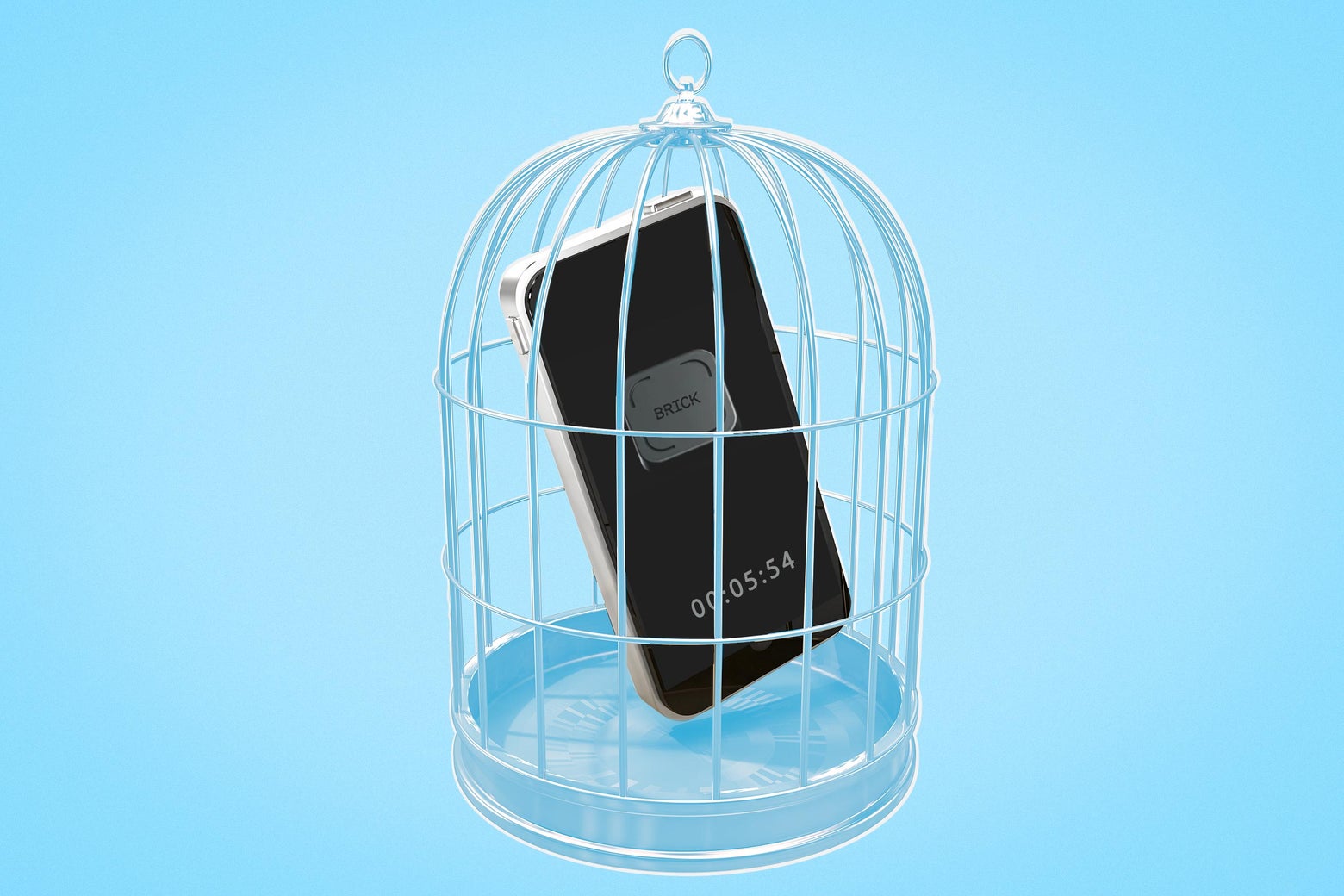
I tried the usual tricks: switching off notifications, deleting addictive apps, moving icons around, greyscale mode. None of it worked. Without notifications, I just checked more to see if something had happened. When I deleted apps, I used the browser instead. And when I deleted that I would eventually reinstall everything in a weak moment. (Which usually meant spending even more time on my phone as I had to log in everywhere again.)
Back in 2011, Apple's iPhone ads plastered billboards with glossy images of people traveling, celebrating milestones. The message was seductive: This device is your ticket to belonging and intimacy. And in many ways, those ads weren't wrong. Smartphones made it easier to FaceTime across continents and capture memories-but they also planted a subtle belief: that closeness itself lived inside the device.
People who are night owls have a much higher risk of developing an addiction to their smartphones compared to those who go to sleep earlier, a new study has found. Scientists have discovered that many who stay up in the evening, who show symptoms of loneliness or anxiety, are using smartphones to cope emotionally and are developing addictions to social media, worsening their mental health symptoms.