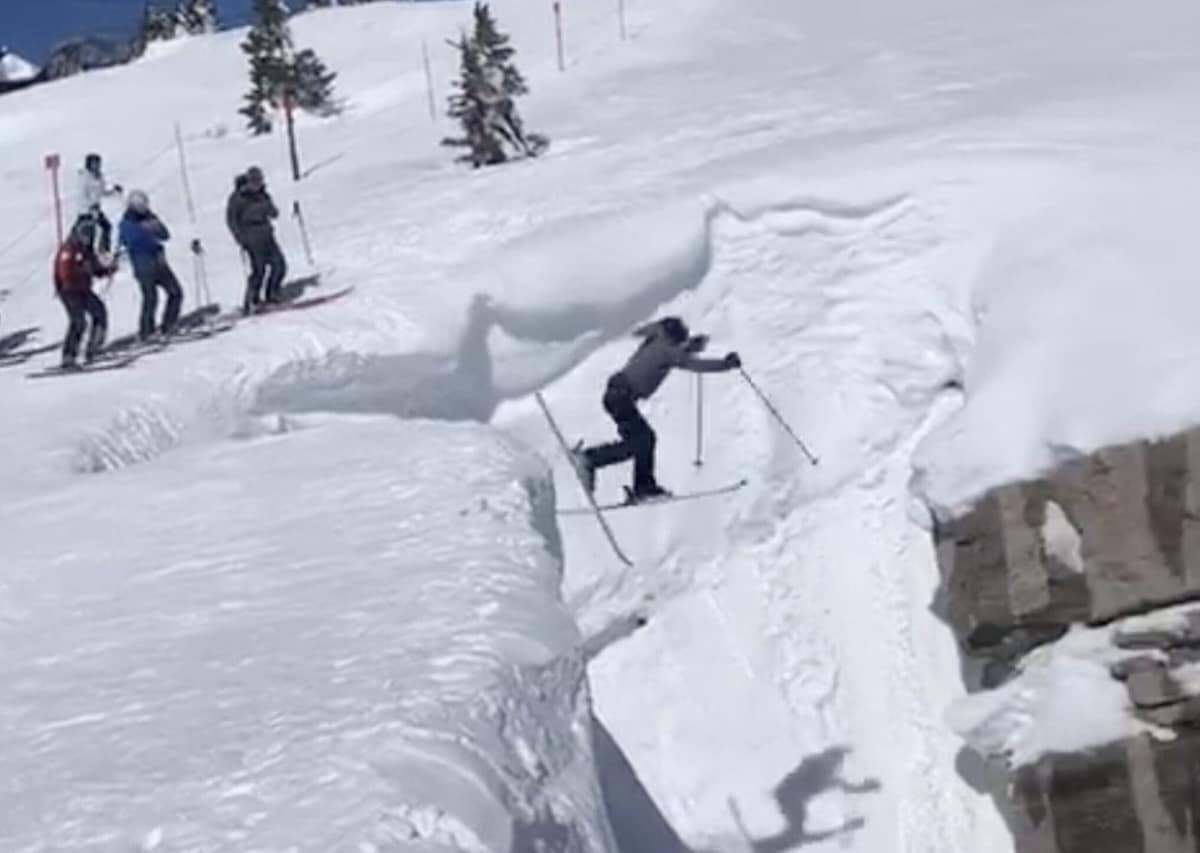
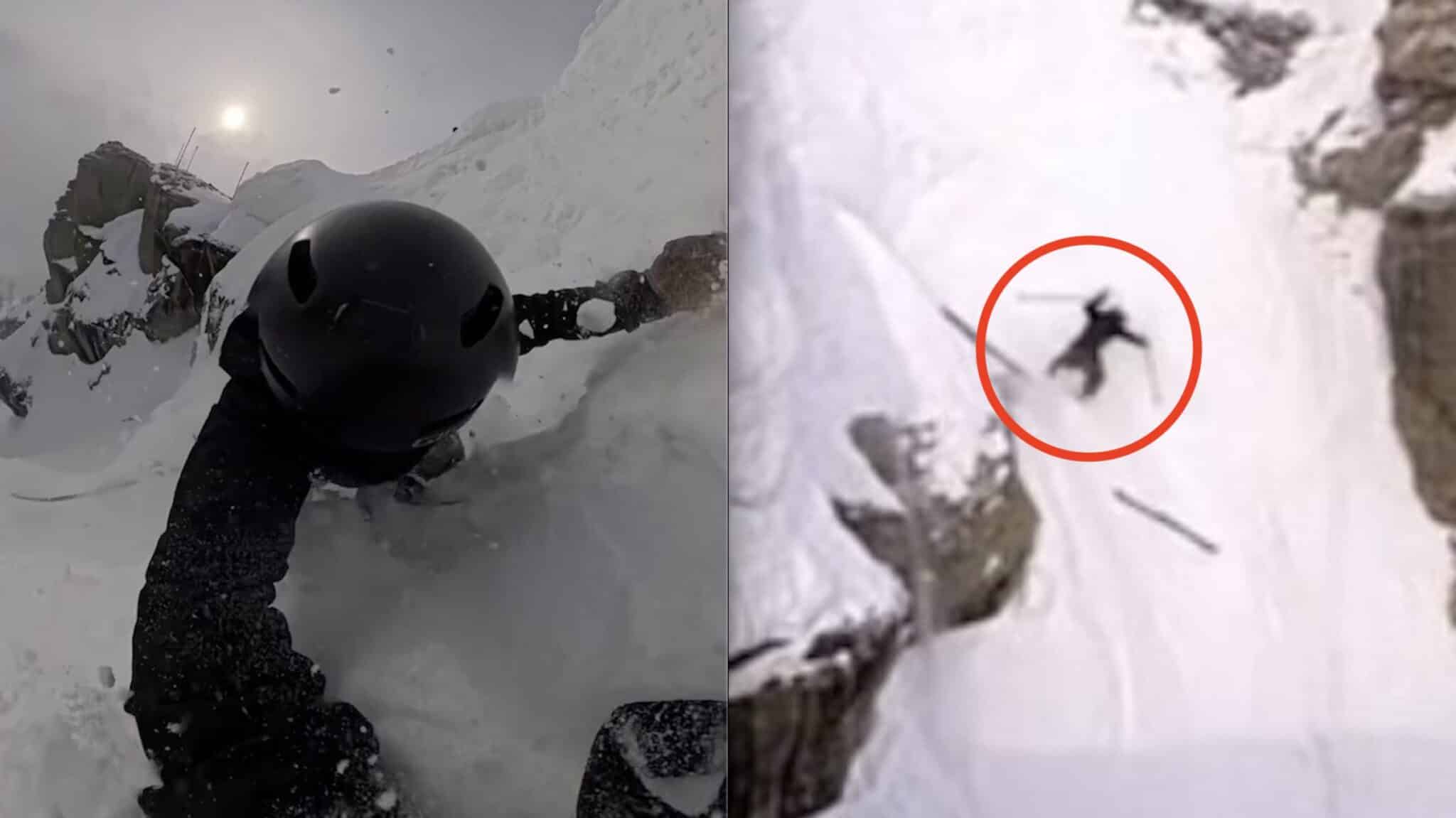
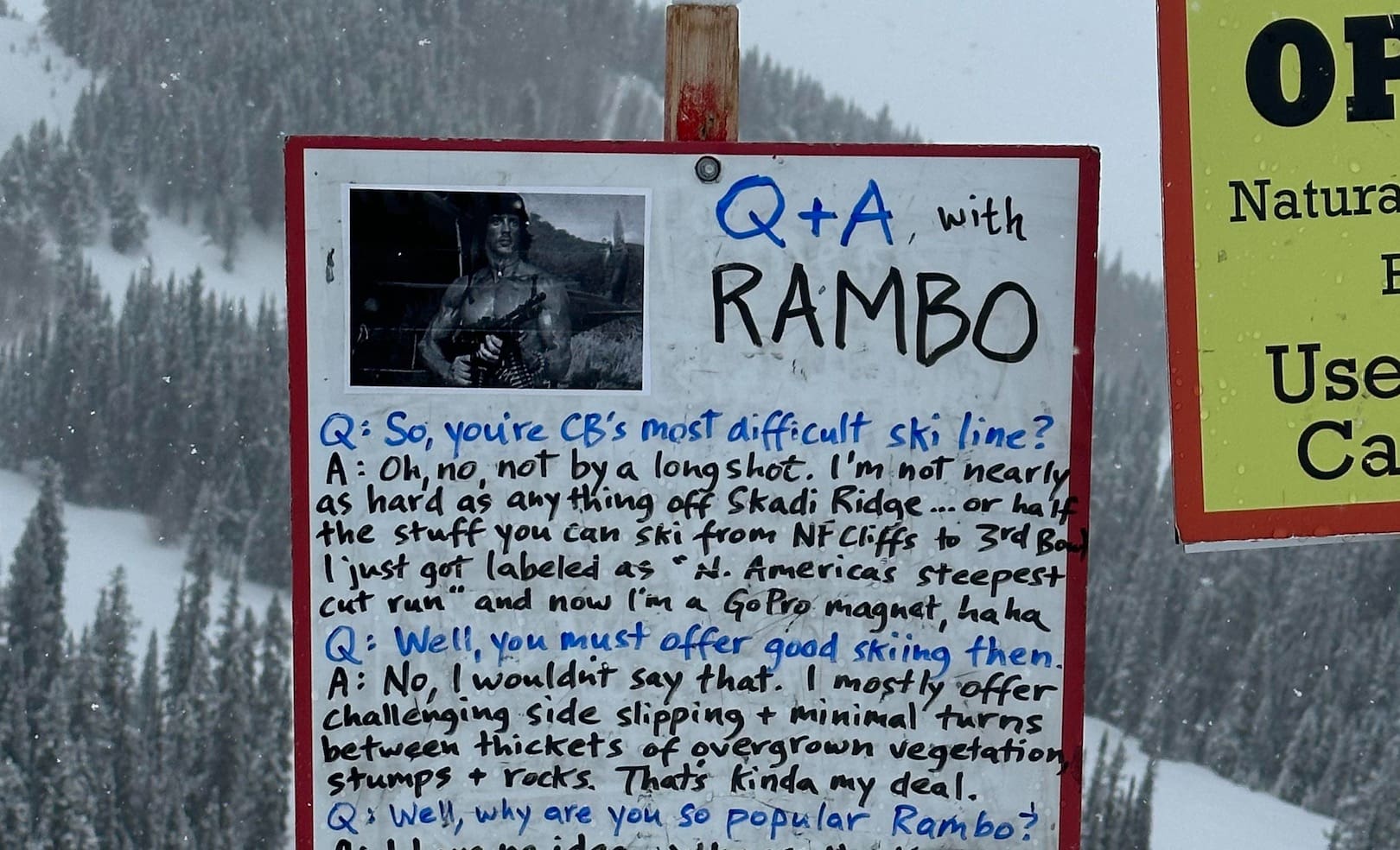
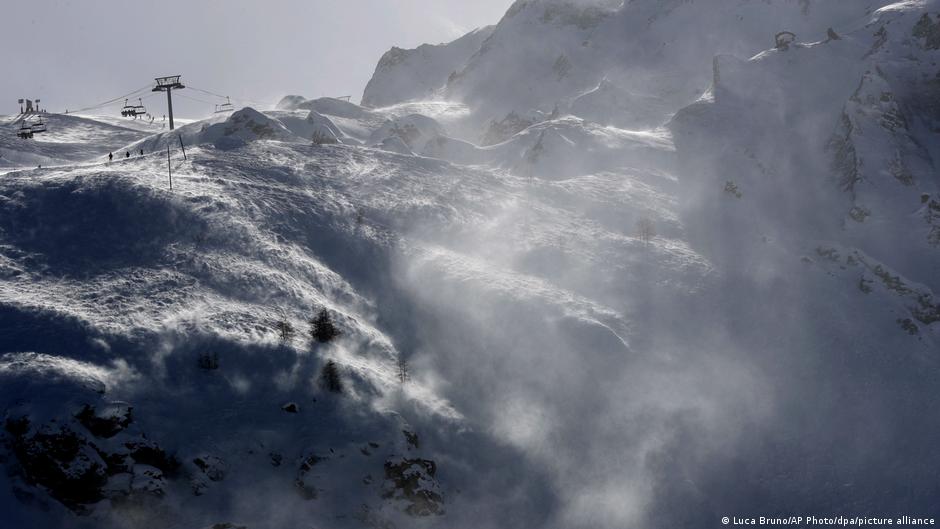
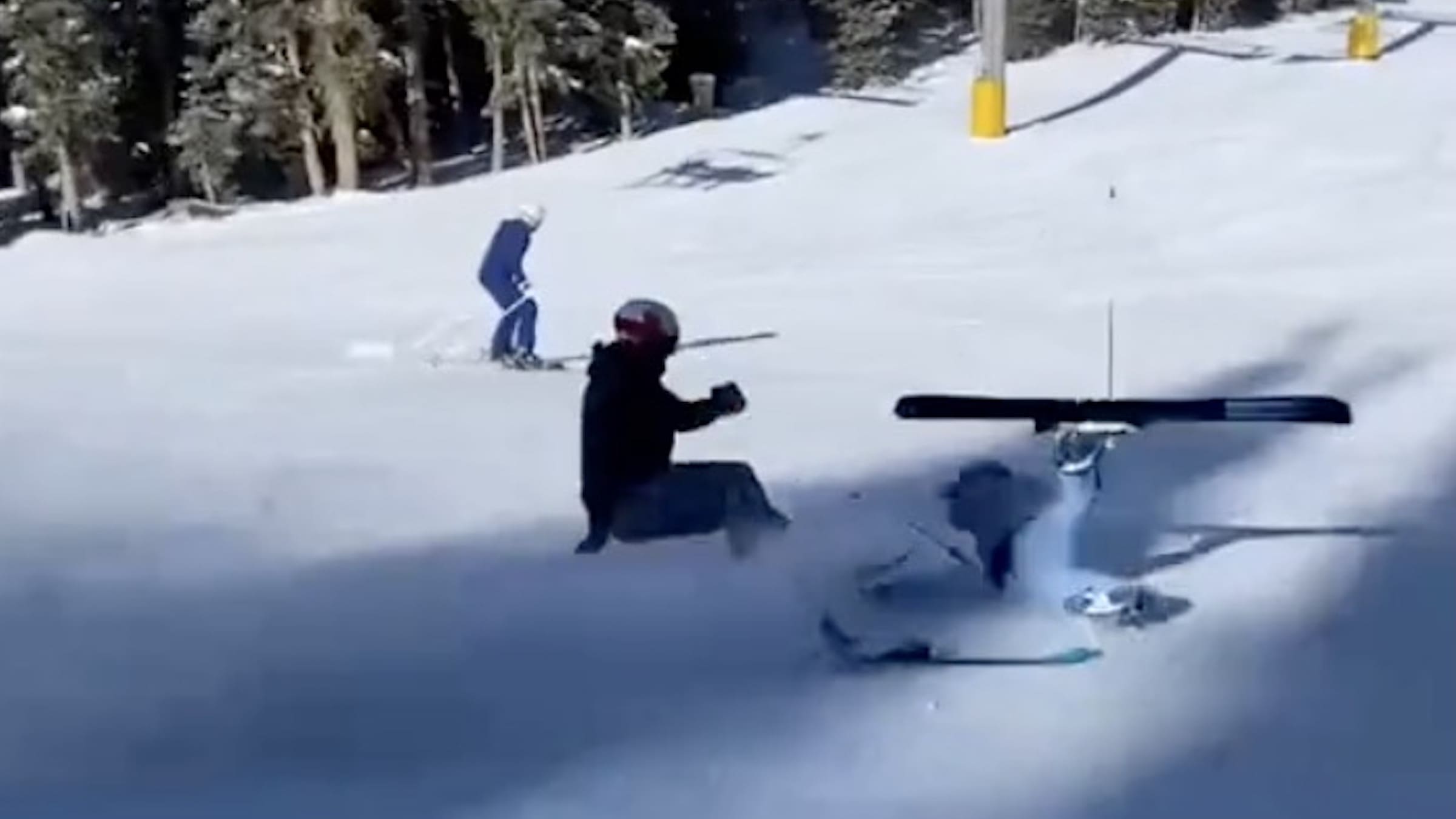
The most dangerous ski runs will always be those located outside of ski resort boundaries. With no avalanche control or ski patrol to help you out in the event of an injury, a run in the backcountry comes with risks that rarely exist on resort. But what are the most dangerous ski runs on resorts? It would be near impossible to make a definitive list without injury statistics that simply don't exist, but Uncovering Skiing still took a stab at it.
For those unfamiliar with Your Responsibility Code, it lists 10 points skiers and snowboarders must follow when spending time on the mountain. Bright yellow signage posted throughout U.S. ski areas provides guests with reminders about the code, which has been in use since 1962 when it was developed by the National Ski Areas Association. Throughout the last 60 years, the code has undergone revision to stay in step with modern language and skiing behavior, covering 10 points:
If you can see cracks or deformities in the boot shell, especially on seams in high-stress areas, it's time to replace your ski boots. This can weaken the shell, leading to poor performance on the slopes. Excessive wear on the toe or heel lugs can compromise the binding compatibility and safety. Sometimes the soles can be replaced to extend the boot life, but not if the wear has reached the lugs themselves.
A skier died on Aspen Mountain on Friday, December 19, after colliding with a tree, according to a statement from Aspen One, the company that operates the resort. Aspen One said the skier was wearing a helmet at the time of the accident and was transported to Aspen Valley Health - Hospital and Medical Center, where they later died. No additional details about the incident were released.