Information security
fromZDNET
3 hours agoNearly half of cybersecurity pros want to quit - here's why
There's a significant mismatch between demand and rewards in cybersecurity, leading to dissatisfaction among professionals.
The U.S. and its allies have expended a great deal of their arsenal in the past few years. It simply does not matter if there's a peace deal tomorrow, because those weapons must be stockpiled again and then some.
Gen. Dan Caine stated that autonomous weapons are going to be a 'key and essential part of everything we do' in future warfare, indicating a significant shift in military strategy.
Japan's southern island of Kyushu is ground zero for one of the greatest shifts in Japan's defence strategy since 1947, when it formally renounced the use of war to settle international disputes.
Retired Army Special Forces officer Mike Nelson criticized Hegseth's rhetoric, stating, 'That's a necessary end to achieve goals through military force - you have to kill people to achieve them. That's not the end. It's a weird obsession with death for the sake of it.'
A Common Vulnerability Exposure (CVE) that cannot reach the privilege plane is operationally ineffective - even at a CVSS Score of 10. This should be a core philosophy that is embedded into the fabric of software engineering.
CrowdStrike published an advisory for CVE-2026-40050, a critical unauthenticated path traversal vulnerability affecting its LogScale product. The flaw can allow a remote attacker to read arbitrary files from the server filesystem.
As a veteran of the war on terror, I have spent the past year watching Immigration and Customs Enforcement officers expand their operations across the country on a heretofore unprecedented scale and with a new faux-military bearing. From equipment to weapons to tactics, ICE and other immigration enforcement bodies want to be seen as combat forces carrying out their missions.
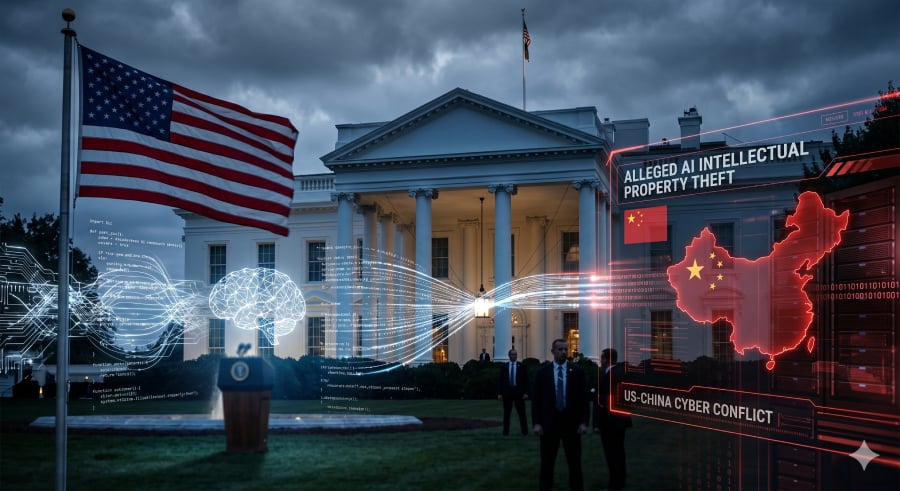
Future U.S. government responses in cyberspace will be "linked to adversary actions" and will involve coordination between the private sector and smaller governments, a top White House official said Thursday. The dynamic, which will be codified in a forthcoming national cyber strategy, is meant to make clear that foreign adversaries' actions that target U.S. networks have consequences, according to Alexandra Seymour, who serves as the principal deputy assistant national cyber director for policy in the Office of the National Cyber Director.