#rats
#rats
[ follow ]
#public-health #new-york-city #pest-control #urban-wildlife #rodents #phishing #boston #urban-issues #climate-change
fromThe New Yorker
2 months agoIs the Rat War Over?
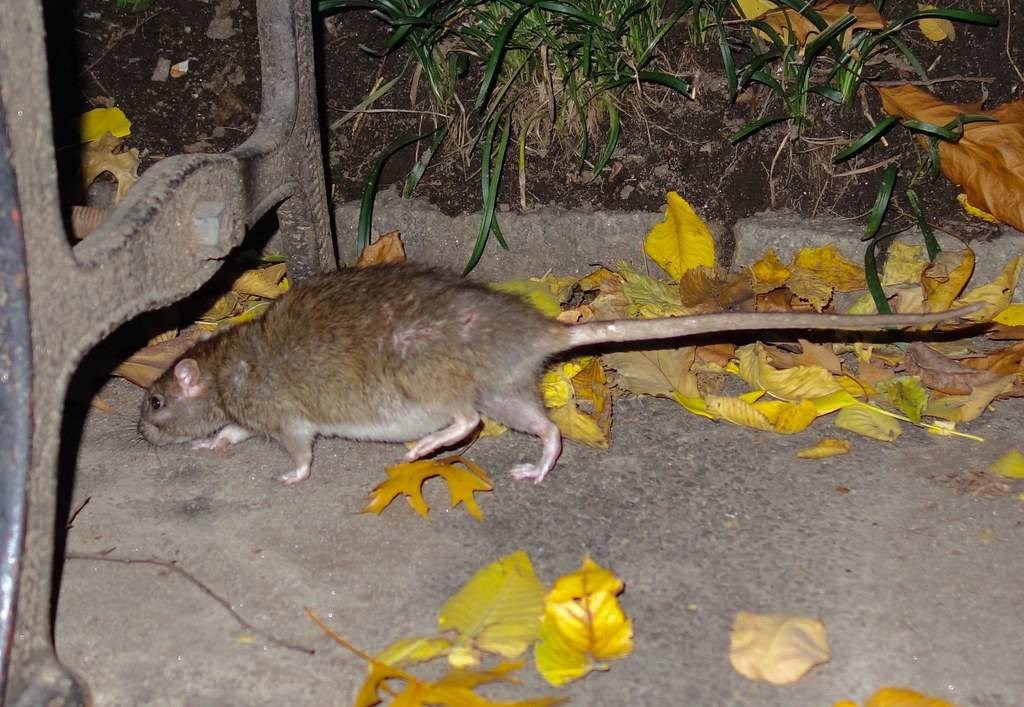
Rats were leaving Manhattan, hurrying across the bridges in single-file lines. Some went to Westchester, some to Brooklyn. It was the pandemic, and the rats, which had been living off the nourishing trash of New York's densest borough for generations, were as panicked about the closure of restaurants as we were. People were eating three meals a day at home, and the rats were hungry.
Public health
fromTheregister
3 months agoEveryone's exploiting a WinRAR bug to drop RATs
The exploit abuses Alternate Data Streams (ADS), a feature in Windows, to hide malware. Attackers craft malicious RAR archives with a decoy PDF or other file inside, and when a user opens the decoy file on a vulnerable version of WinRAR, the hidden malware writes files to arbitrary locations on the system. "Multiple government-backed actors have adopted the CVE-2025-8088 exploit, predominantly focusing on military, government, and technology targets," GTIG said in a Tuesday report.
Information security
Information security
fromThe Hacker News
5 months agoIran-Linked Hackers Hits Israeli Sectors with New MuddyViper Backdoor in Targeted Attacks
Iran-linked MuddyWater targeted Israeli sectors and an Egyptian tech firm with a new MuddyViper backdoor alongside established RATs, loaders, and ransomware tools.
Information security
fromIT Pro
5 months agoThe Scattered Lapsus$ Hunters group is targeting Zendesk customers - here's what you need to know
Scattered Lapsus$ Hunters is running a Zendesk-targeted phishing campaign using typosquatted domains, fake SSO portals, and fraudulent tickets to steal credentials and deliver malware.
fromwww.independent.co.uk
9 months agoOverflowing bins and climate change: Why might rats be getting bigger in the UK?
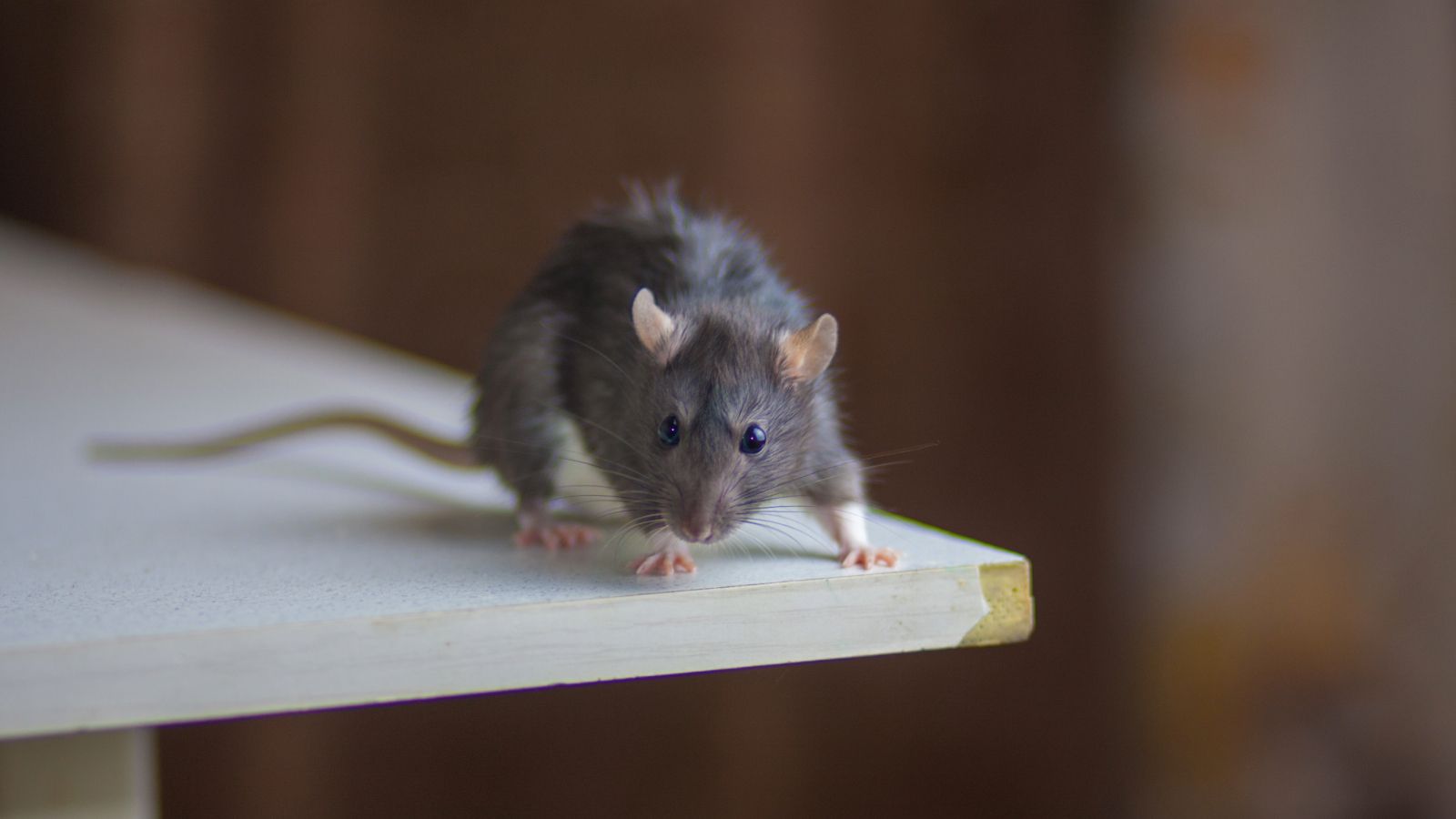
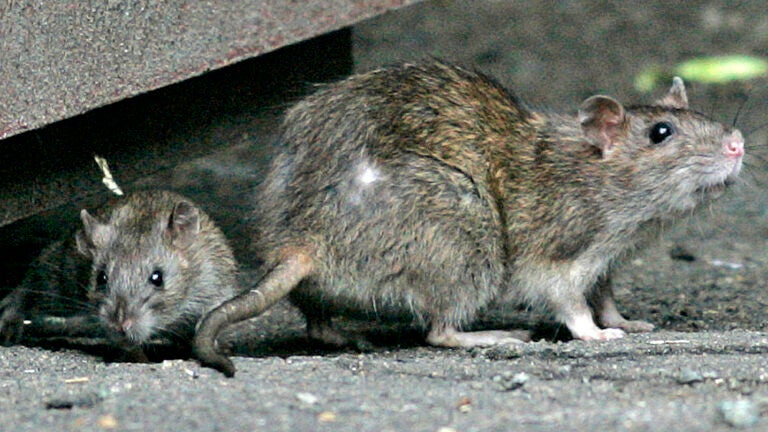
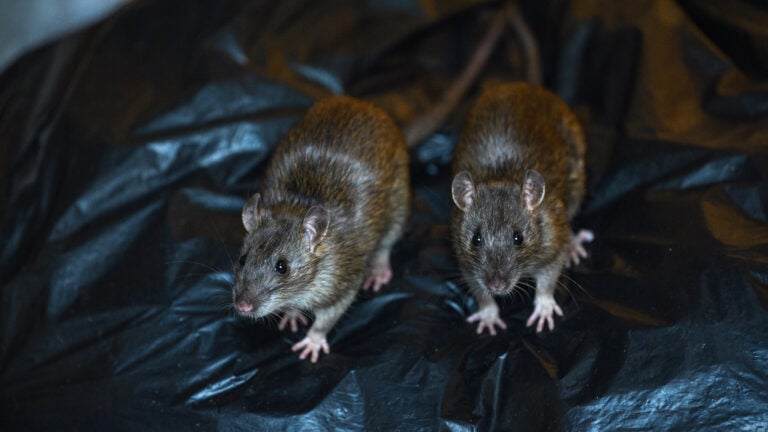
Experts have noted that overflowing bins and food waste contribute significantly to the growing sizes of rats in urban areas, leading to larger and more difficult-to-manage populations.
UK news




[ Load more ]