#press-freedom
#press-freedom
[ follow ]
#journalism #first-amendment #trump-administration #white-house-correspondents-dinner #media-relations
fromwww.aljazeera.com
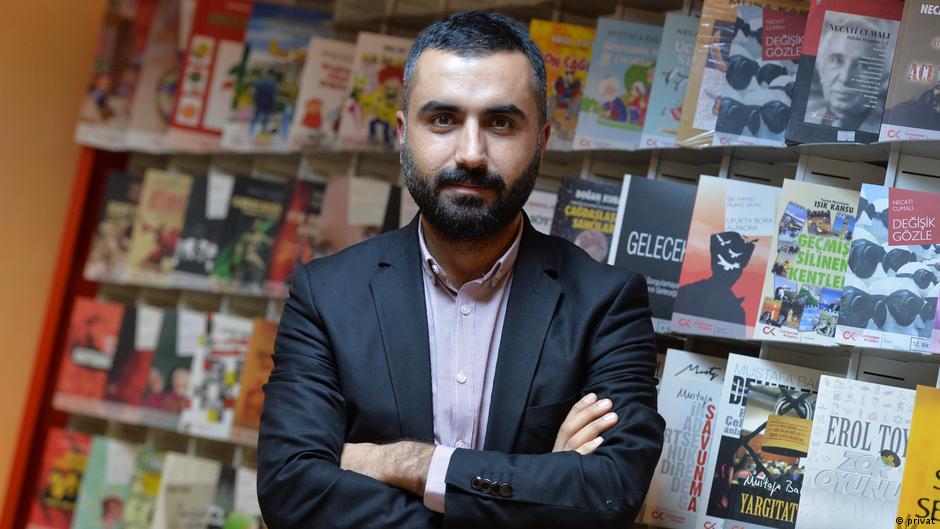
5 days agoModi avoids Norway media: How that led to storm over India's press freedom
India is currently ranked 157th out of 180 countries in the 2026 World Press Freedom Index. A tricky encounter with a Norwegian journalist has shone a light on the reluctance of Indian Prime Minister Narendra Modi and members of his government to engage directly with the media on uncomfortable issues. After Helle Lyng Svendsen from Norwegian daily Dagsavisen asked Modi why he wouldn't take questions from the press, and later the same day asked a senior official of India's Ministry of External Affairs about India's human rights record, Modi's response was to walk away without replying while his minister's was to try to deflect by talking about unrelated facets of India's past and present, and then to become visibly angry.
World politics
Washington DC
fromwww.mediaite.com
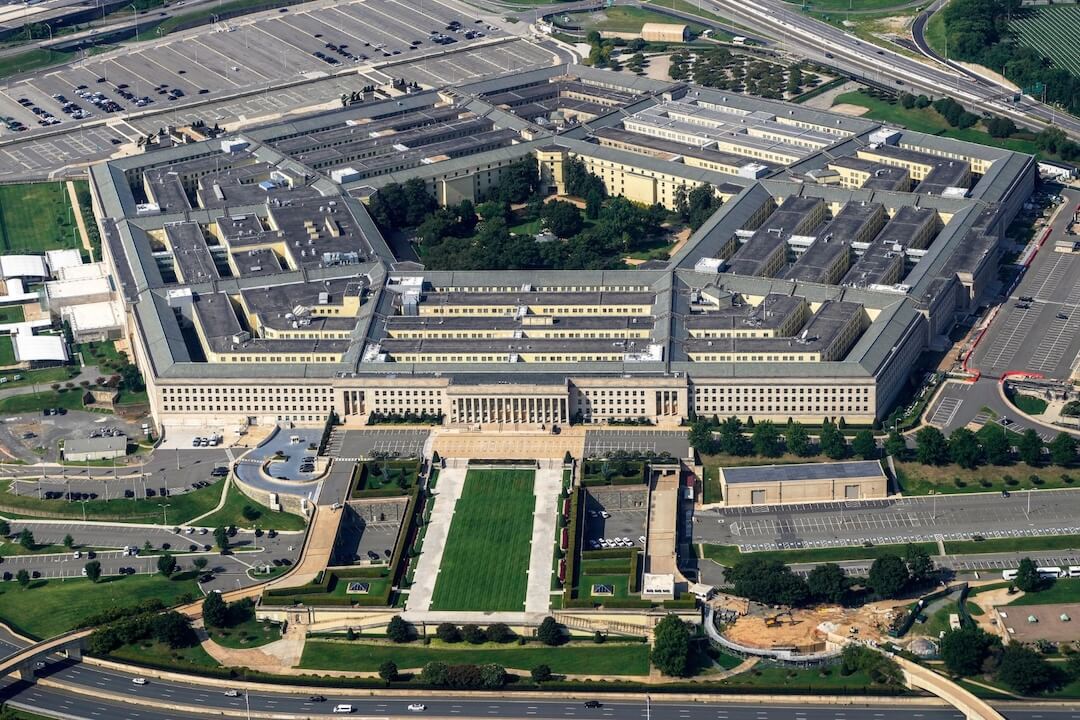
1 week agoNew York Times Sues Defense Department Over Patently Unconstitutional' Policy Requiring Reporters Be Escorted at Pentagon
An interim Pentagon press escort requirement is challenged as unconstitutional by a New York Times lawsuit seeking to protect independent reporting.
fromwww.theguardian.com
1 week agoJournalism has never been a more dangerous pursuit
Before heading out on any assignment, Seham says she checks her planned routes against the latest incident updates. She avoids travelling alone whenever possible and always makes sure a relative knows her movements. The most dangerous areas in Gaza are near the yellow line, the demarcation since Israeli and Hamas-run areas established under a partially observed ceasefire last October.
Media industry
Media industry
fromPoynter
2 weeks agoJournalism students know the industry is struggling. They're choosing to enter it anyway - Poynter
Journalism graduates pursue reporting despite newsroom layoffs, local closures, political attacks, and AI disruption, motivated by a drive to deliver organized facts.
fromElectronic Frontier Foundation
2 weeks agoEFF Stands in Solidarity With RightsCon and the Global Digital Rights Community
Just days before the conference was set to begin and as participants had begun to arrive in Lusaka, organizers that RightsCon would no longer proceed in Zambia or online after mounting political pressure and demands that would have excluded vulnerable communities and constrained discussion.
Social justice
fromwww.mediaite.com
2 weeks agoPress Freedom Groups Accuse Larry Ellison of Promising Trump Admin He'd Fire CNN Anchors if He Acquires Warner Bros
Two press freedom groups are accusing Paramount Skydance owner Larry Ellison of promising favors to the Trump administration to win regulatory approval in its bid to take over CNN's parent company, Warner Bros. Discovery. Those favors allegedly include making sweeping staff changes at CNN, a network that President Donald Trump often bashes as fake news. The groups, Freedom of the Press Foundation and Reporters Without Borders, own shares in Paramount Skydance, and sent a letter to the company's chief legal officer Thursday demanding to see internal documents that could be related to Ellison's alleged attempt to curry favor with the White House.
Media industry
fromLondon Business News | Londonlovesbusiness.com
2 weeks agoForeign media excluded as Russia narrows Victory Day narrative control
Foreign journalists who had already received official approval were reportedly informed by telephone that their permits had been cancelled. According to reports in German magazine Spiegel, outlets including ARD, ZDF, Sky News, AFP, Rai and NHK have been excluded.
Russo-Ukrainian War
#defamation-lawsuit
Media industry
fromThe New Yorker
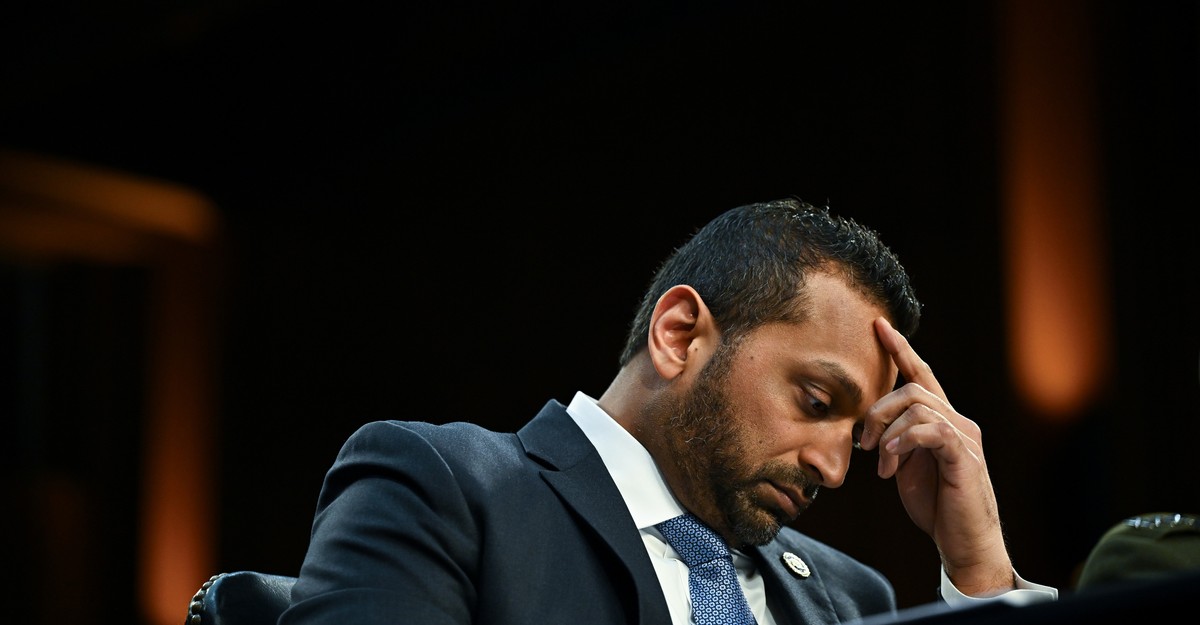
2 weeks agoKash Patel's Strategic, Frivolous Lawsuit Against The Atlantic
Kash Patel's $250 million lawsuit against The Atlantic challenges an article alleging misconduct, raising questions about anonymous sources and press protections in an era of increased litigation against media.
#fbi-investigation


Media industry
fromIntelligencer
2 weeks agoKash Patel's War Against the Atlantic Intensifies
FBI Director Kash Patel is suing The Atlantic while simultaneously having the FBI investigate the journalist who wrote the story, creating a severe conflict of interest and raising concerns about press freedom.


fromTruthout
2 weeks agoVA Reportedly Launched Probes Into Workers Who Attended Vigil for Alex Pretti
Becky Halioua, a VA recreational therapist and union leader, stated that she was subject to an internal investigation for speaking to the press about Pretti's killing. She expressed concern over a fellow VA employee being murdered by the same government they work for.
US politics
#journalism

US politics
fromwww.theguardian.com
1 month agoA journalist filmed an ICE protest at a Minnesota church. Then federal agents showed up at her door
Journalist Georgia Fort livestreamed her arrest, highlighting concerns over press freedom and constitutional rights amid charges related to covering a protest.
US politics
fromwww.theguardian.com
1 month agoA journalist filmed an ICE protest at a Minnesota church. Then federal agents showed up at her door
Journalist Georgia Fort livestreamed her arrest, highlighting concerns over press freedom and constitutional rights amid charges related to covering a protest.
fromwww.aljazeera.com
3 weeks agoMaldives police raid news outlet over report alleging president's affair
The documentary, titled Aisha, featured an anonymized interview with a woman who claimed she had had a sexual relationship with Muizzu. The woman, a 22-year-old single mother, said the affair took place last year, shortly after she joined the President's Office as an administrator.
World news
#white-house-correspondents-dinner

Media industry
fromwww.mediaite.com
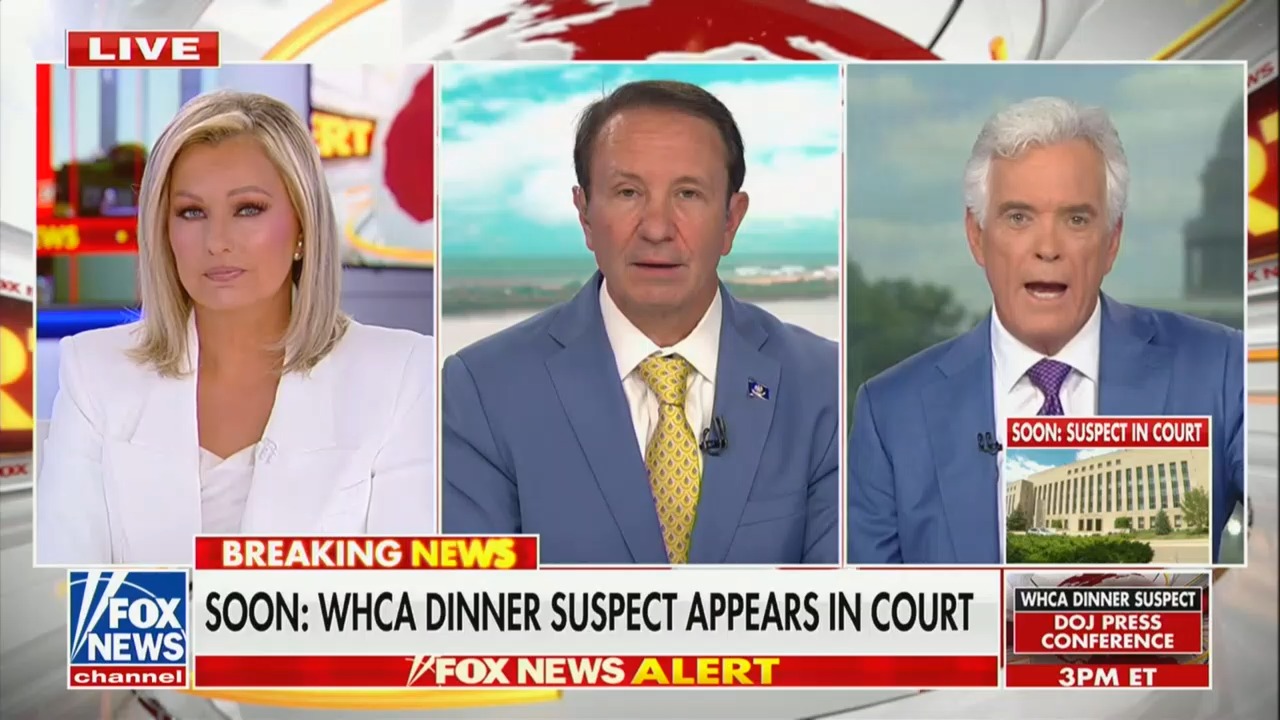
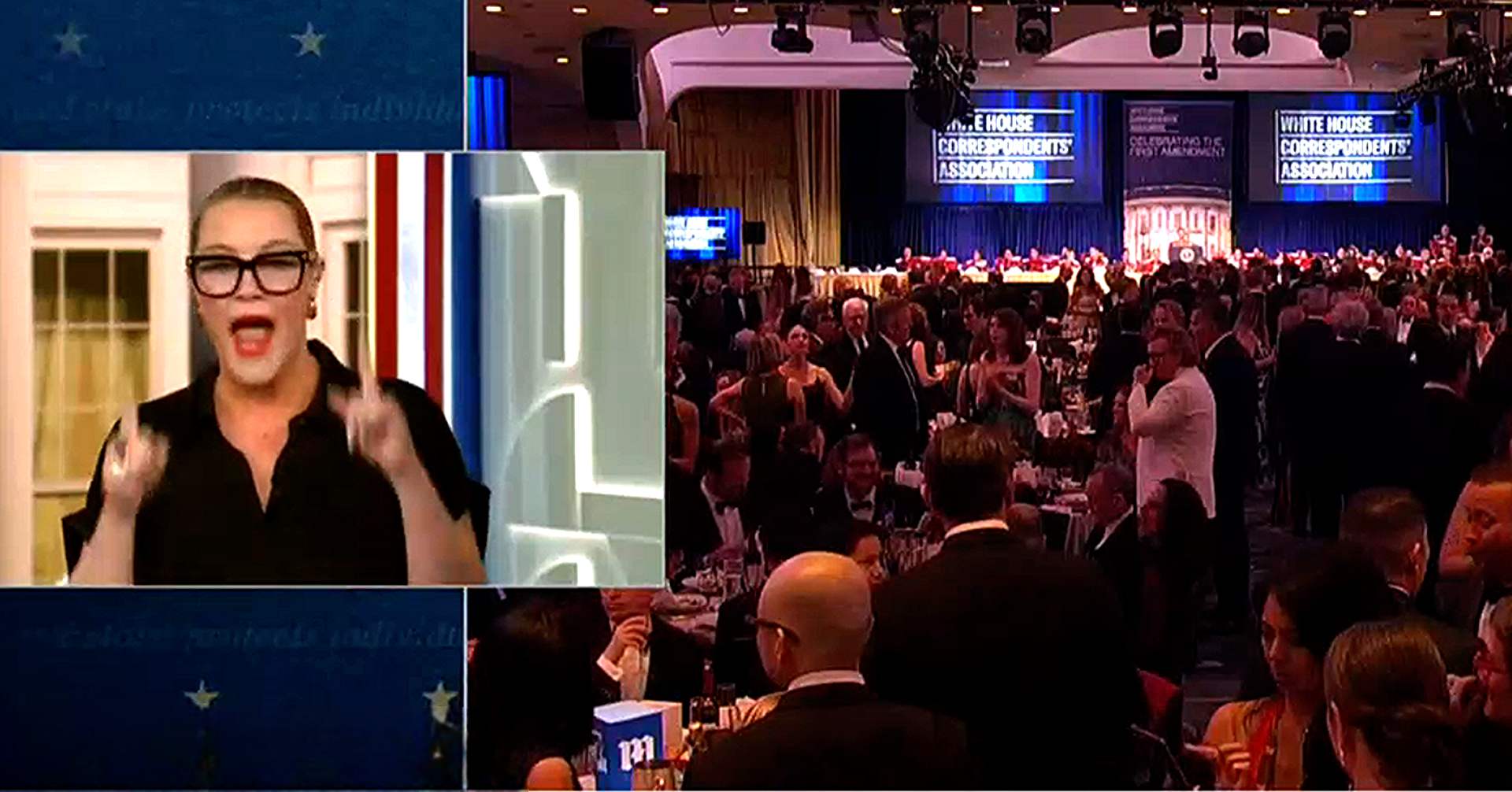
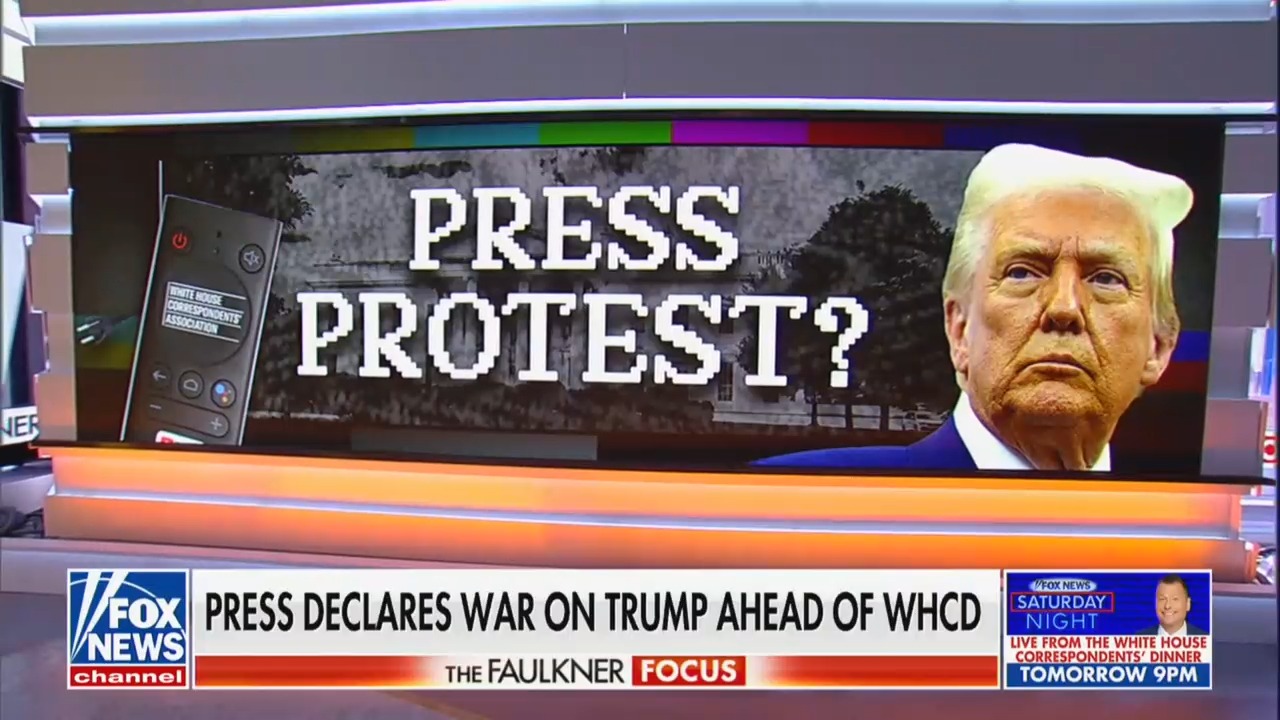
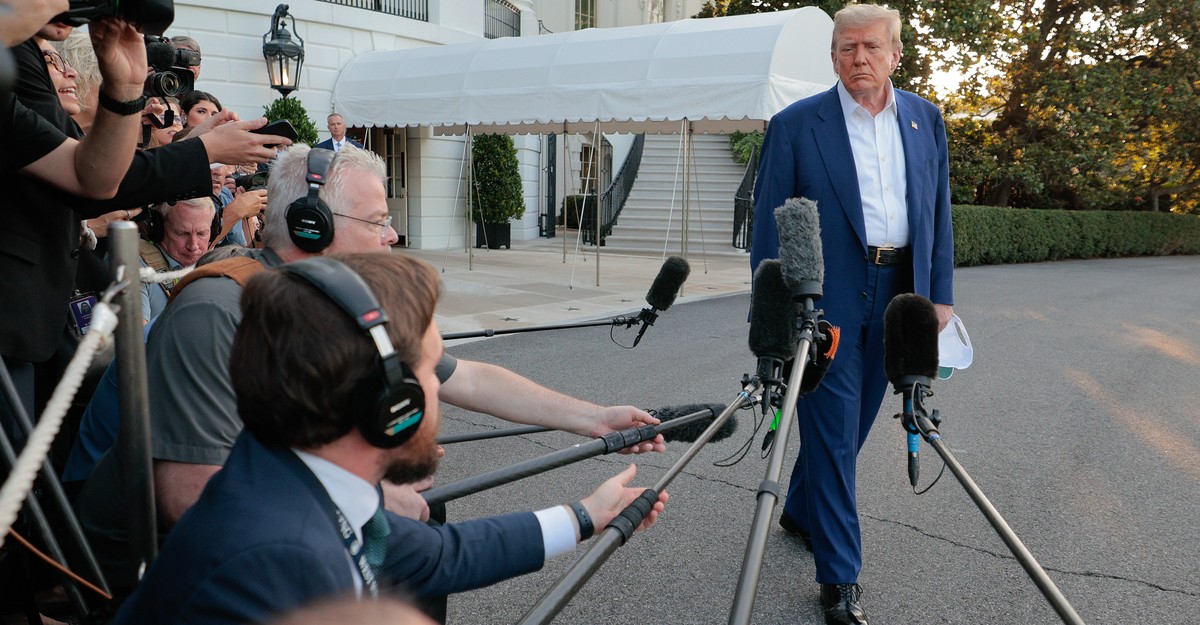
4 weeks agoGet Some Steel in Your Spine!' Fox's John Roberts Scorches Traumatized' Journos Skipping Rescheduled WHCD
John Roberts encourages journalists to attend the White House Correspondents' Dinner despite recent security concerns, emphasizing the importance of press freedom.
Higher education
fromPoynter
1 month agoStudent journalists may produce a quarter million bylines a year. Here's what that looks like - Poynter
Student journalists are actively producing a significant volume of work, contributing to campus life and press freedom despite challenges faced by student media.
fromwww.aljazeera.com
1 month agoIraqi armed group releases abducted US journalist Shelly Kittleson
Kataib Hezbollah stated that Kittleson would be freed on the condition that she leave Iraq immediately. An anonymous Iraqi official confirmed her release to The Associated Press on Tuesday afternoon.
World news
#trump-administration
Media industry
fromwww.theguardian.com
2 months agoTrump now calls war reporting treason'. His attacks on the press are escalating fast | Margaret Sullivan
Trump escalates attacks on press freedom, demanding docile media coverage and threatening treason charges against news organizations reporting critically on his policies.
#immigration
US news
fromenglish.elpais.com
2 months agoJournalist Estefany Rodriguez released from ICE custody on bond as the legal battle over her arrest continues
Estefany Rodriguez, a Colombian journalist, was released from ICE custody after over two weeks, highlighting issues of press freedom and immigration in the US.
#prediction-markets

Media industry
fromwww.mediaite.com
2 months agoONE SHEET: Betting Markets Threaten Journalists, Big DC Media Bet, CBS Ratings Dip
Gamblers on prediction markets threatened a journalist to alter reporting on an Iranian missile strike to win their bets, raising concerns about press freedom and platform integrity.
Media industry
fromwww.mediaite.com
2 months agoONE SHEET: Betting Markets Threaten Journalists, Big DC Media Bet, CBS Ratings Dip
Gamblers on prediction markets threatened a journalist to alter reporting on an Iranian missile strike to win their bets, raising concerns about press freedom and platform integrity.
fromwww.mediaite.com
2 months agoWATCH: Alleged Israeli Strike Lands Right Next to Russian State Media Reporter
Sweeney and Rida were both allegedly hospitalized with shrapnel injuries, with Rida claiming they had been deliberately attacked by Israeli forces while conducting a news report, despite being clearly marked in press vests.
Russo-Ukrainian War
fromwww.mediaite.com
2 months agoThe Pentagon Blocked Its Own Publication From Attending Pete Hegseth's Press Conference, Reporter Says
The Pentagon blackballed its own newspaper from covering its own press conference? Reminder, Stars & Stripes employees are US Army civilians. Their editorial independence is protected by Congress specifically to prevent political leaders from feeding troops propaganda.
Media industry
US news
fromenglish.elpais.com
2 months agoICE continues to detain Colombian journalist Estefany Rodriguez despite a judge's order for her release on bail
Colombian journalist Estefany Rodriguez remains in ICE custody despite an immigration judge ordering her release on bail, after authorities appealed the decision, raising concerns about press freedom and detention conditions.
US politics
fromwww.mediaite.com
2 months agoStephen A. Smith Slams Pete Hegseth's War on the Media: Why Not Just Ask the Press to Wear Pom Poms!'
ESPN commentator Stephen A. Smith criticized Defense Secretary Pete Hegseth for attacking journalists and dismissing legitimate press questions as anti-Trump bias rather than professional inquiry.
[ Load more ]