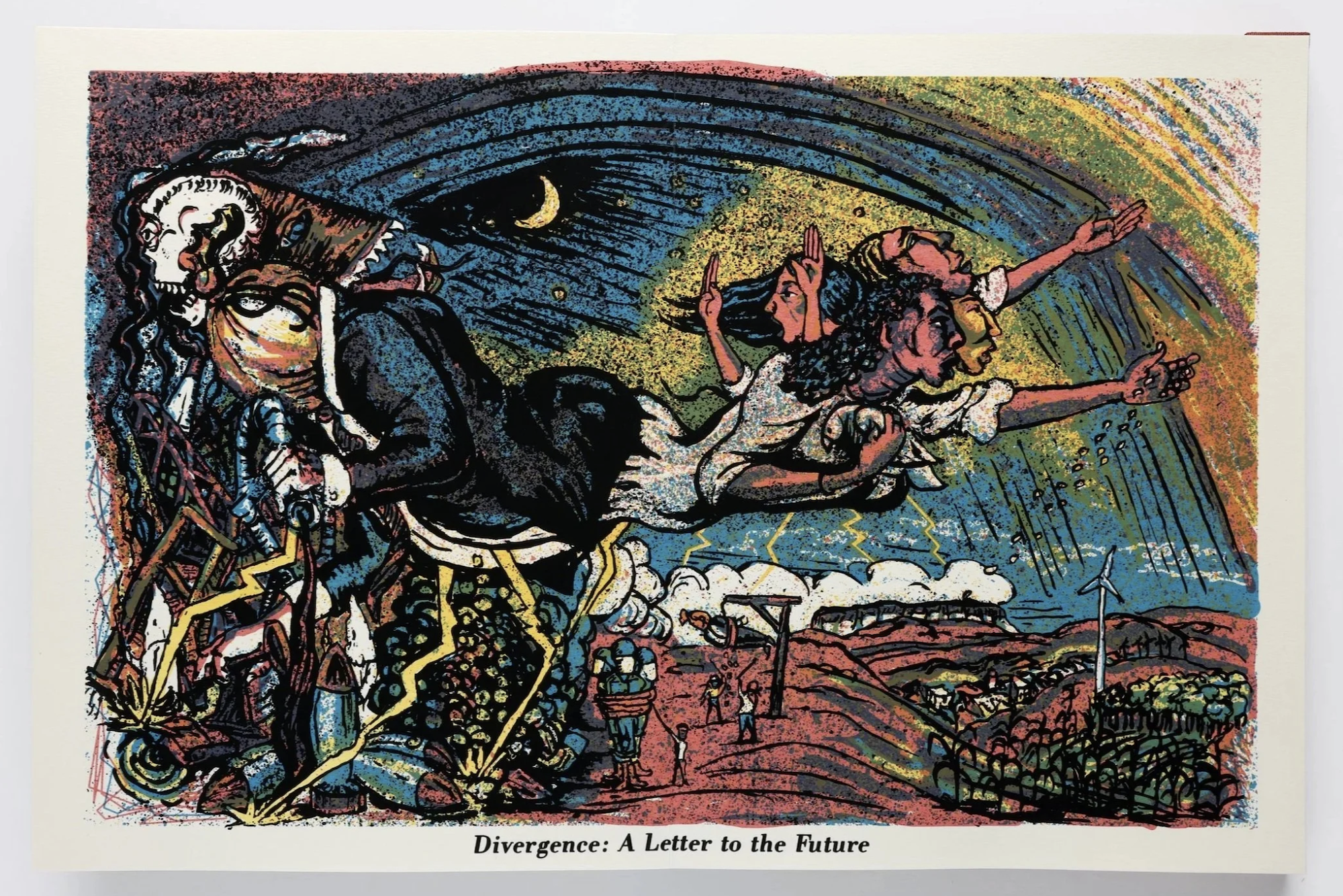
The goal of suppressing all protests is apparent in these principles: 'Actions taken beyond making one's thoughts heard or read... do not constitute speech and expression protected by these Principles.'
"We have a great opportunity in our movements to learn how to be opponents without being enemies," says Tanuja Jagernauth. This perspective emphasizes the importance of maintaining respect and understanding even amidst conflict.
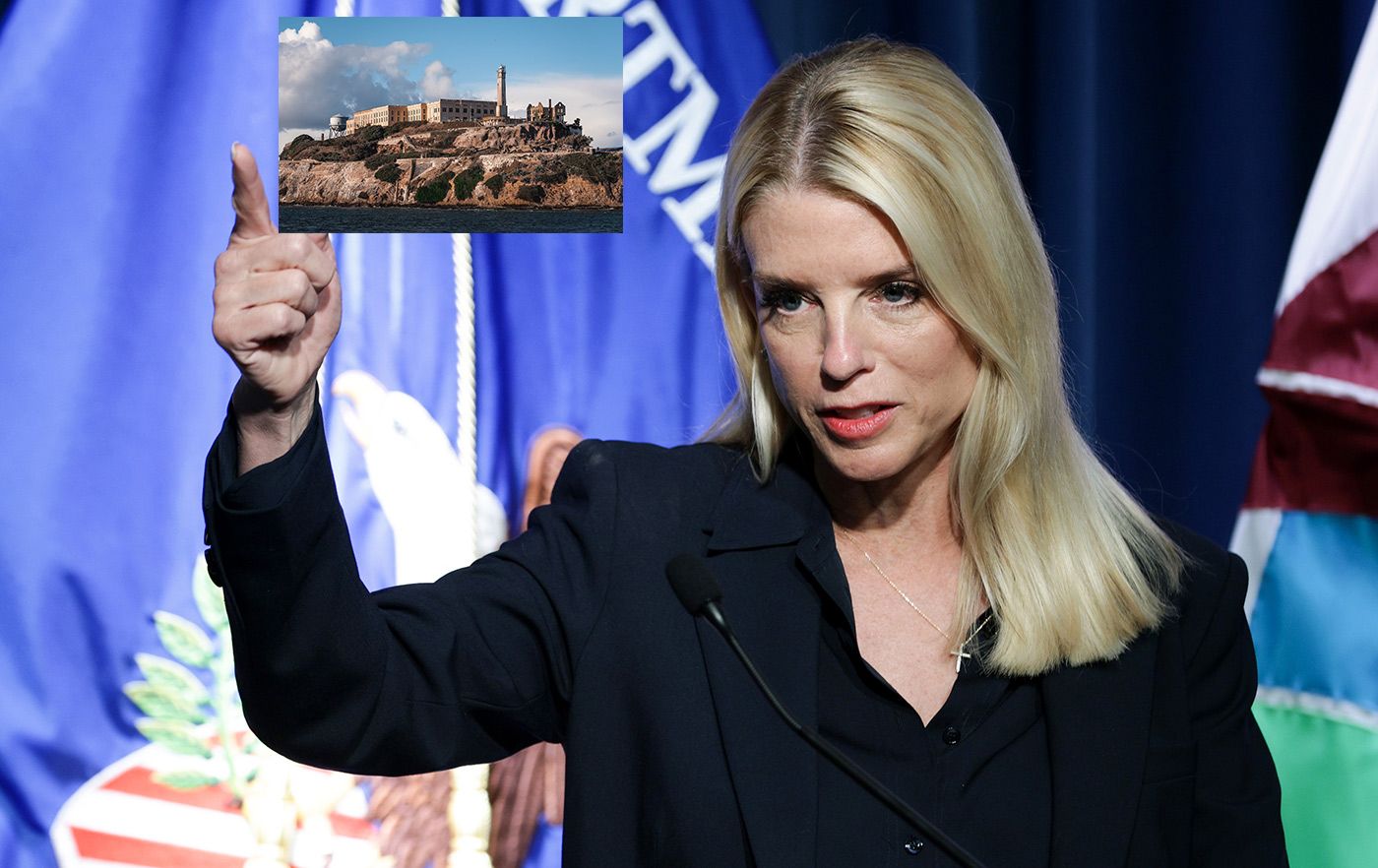
Some senators are pushing the White House to appoint Sen. Mike Lee as Attorney General following Bondi's ouster and plan to pitch Trump directly on the idea, sources told me.
In her latest book, Indignity, Ypi blends archival material with a fictionalized account of her grandmother's childhood in Thessaloniki and her arrival in Albania, exploring themes of memory and dignity.
The Theory of Communicative Action, his 1980s magnum opus, was not (to put it mildly) as accessible as some of his newspaper opinion pieces. But its central idea—that our nature as linguistic beings puts reason and the search for consensus at the core of who we are—remains an antidote both to intellectual relativism and Trumpian realism, which elevates national or individual self-interest above all other sources of human motivation.
Organizational filibustering refers to strategies that delay and obstruct efforts to pursue social justice in systems. These additions can stretch out the process of implementation of diversity strategic plans or multicultural programs for years. Change agents can become battle-fatigued and give up their efforts. They can also become so disheartened that they leave a group or organization altogether.
Since Richard Nixon was forced to resign, powerful people in both political parties have worked assiduously to ensure that their leaders would escape the consequences of their actions. Trump has evaded punishment for crimes both low (campaign-finance violations, for which he was convicted, though he will serve no time thanks to his 2024 victory) and high (his attempted overthrow of the federal government in the aftermath of his 2020 election loss, for which he was spared by the Supreme Court's decision to grant him a kingly immunity).
Populism may well have been the defining word of the previous decade: a shorthand for the insurgent parties that came to prominence in the 2010s, challenging the dominance of the liberal centre. But no sooner had it become the main rubric for discussing both the far left and far right than commentators began to question its validity: worrying that it was too vague, or too pejorative, or fuelling the forces to which it referred.
Collating data from the World Bank and other sources in innovative ways, he argues that globalization in the late twentieth and early twenty-first century was accompanied by then-unprecedented growth of income in both previously poor populations (notably in China) and people at the top of the world's income distribution (especially those in the West). By contrast, relative shares of world income stagnated or were thought to have declined for wealthy nations' middle and working classes, including in the United States.
Like us, you may feel paralyzed in the face of the relentless images of violence we see every day. Suffering children, military occupations, the devastated neighborhoods, the cries of parents mourning their dead-these scenes haunt us. Whether it is happening in Palestine or Minneapolis, we are witnesses to suffering, and that witnessing takes a heavy toll. Clearly, the devastating situations in the West Bank and Gaza and in Minneapolis differ
When we talk about our inability to pay attention, to concentrate, we often mean and blame our phones. It's easy, it's meant to be easy. One flick of our index finger transports us from disaster to disaster, from crisis to crisis, from maddening lie to maddening lie. Each new unauthorized attack and threatened invasion grabs the headlines, until something else takes its place, and meanwhile the government's attempts to terrorize and silence the people of our country continue.
He is not worthy of the presidency. He takes bribes blatantly. And now he's being a racist, blatantly. They were supposed to deport the dangerous criminals. They were not supposed to go after small children, storm schools, bring terror upon, you know, the little kids and the women and children, not just the immigrants in the school. All the children are scared.
As authoritarianism accelerates - as government-sanctioned violence becomes more overt in immigration enforcement, in policing, in the open deployment of federal force against civilians, and in the steady erosion of civil rights - people are scrambling for reference points. But instead of reckoning with the long and violent architecture of U.S. history, much of this searching collapses into racialized tropes and xenophobic reassurance: This isn't Afghanistan. This isn't Iran or China. This is America. We have rights. This is a democracy. This isn't who we are.
In the hours after the 7 January fatal shooting of Renee Nicole Good, a 37-year-old Minneapolis mother of three, gut-wrenching footage of her killing was released, discrediting initial claims from Immigration and Customs Enforcement (ICE) agents and the Department of Justice that she was shot in self-defense. As a response to the public outcry, the Trump administration and a chorus of conservative public figures unleashed a litany of dehumanizing and defamatory remarks about Good,
The readings in my last series led me to see the genuine hatred conservatives have for what they call variously liberal hegemony, liberal ideology, left-wing ideology, and other names. David Brooks, newly ensconced at Yale and The Atlantic, is just sure it was liberals who caused Trump's wins, with their snotty "knowledge", and "refined tastes". I mocked this nonsense, but apparently Brooks was serious about the super bad feelings his people have about such things.
The principle of intellectual charity is fundamental to constructive political conversations. This principle states that, in any discussion, we should accept the best version of an opponent's ideas, not a distorted version or a "straw man." Exaggeration and distortion of opposing opinions (always present, to some degree, in political debates) have become the standard form of political argument in contemporary America.
I am using the word pragmatism in a specific sense. I am not speaking about being pragmatic as a political tactic; deciding what issues should be given priority and what battles to choose, or a willingness to compromise, or a recognition that there are limits to what can be accomplished at any time. I am writing now about pragmatism in a meaning closer to its philosophical origin in the writings of William James-that truth is not found in abstract principles or beliefs,