#organized-crime
#organized-crime
[ follow ]
fromInverse
2 days agoThe Godfather Is Getting A Surprising New Installment
Even when the Hays Code had a stranglehold on Hollywood and the kinds of content that could be depicted on-screen, cinema has always had a love/hate relationship with crime. Classic film noir was birthed as a reflection of the desperation of the American Great Depression, and criminals were given a surprising amount of humanity due to circumstance. In subtle ways, the genre gave rise to the crime thriller and the police procedural and the gangster film, because even the most morally upstanding citizens are curious enough to peek behind the curtain to see why people are driven to break the law.
Independent films
US news
fromThe Washington Post
1 week agoRenowned for his legal skills, he took on the mob and investigated JFK's killing
G. Robert Blakey drafted RICO, giving prosecutors powerful tools against organized crime and corruption, and later applied his legal expertise to major assassination investigations.


California
fromFortune
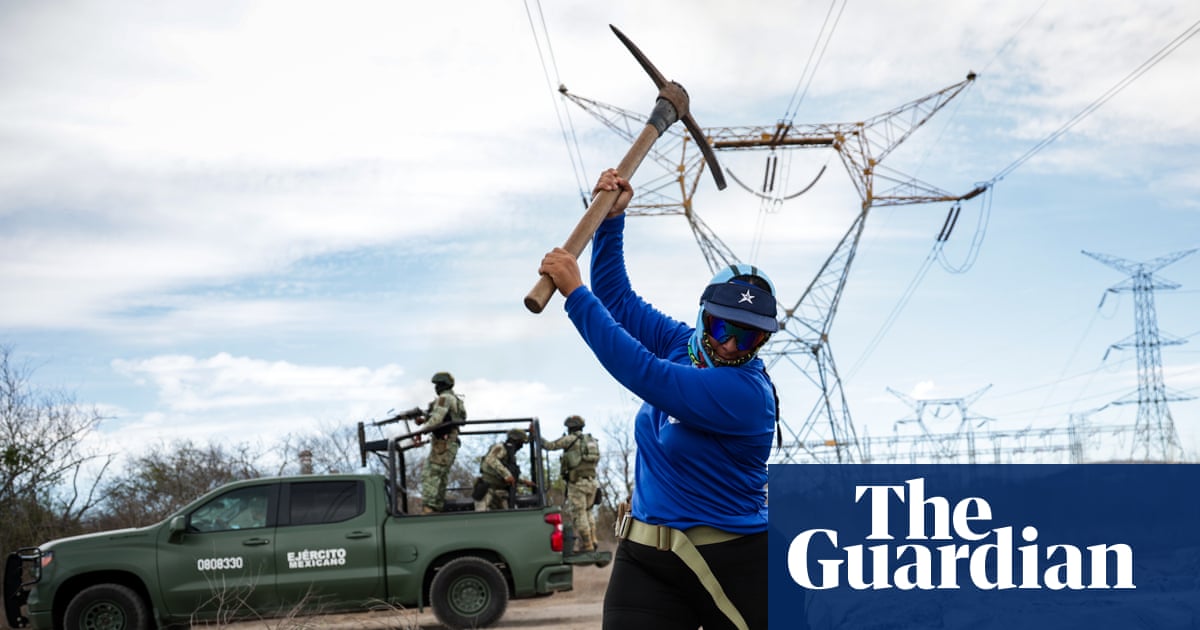
1 week agoMexican cartel armed with powerful weapons and explosives launched from drones attacks rural communities, forcing 800-1,000 families to flee | Fortune
Los Ardillos attacks in Guerrero have forced 800–1,000 families to flee after drone-launched explosives and heavy gunfire over days.




Russo-Ukrainian War
fromLondon Business News | Londonlovesbusiness.com
3 weeks agoKyiv uncovers an illegal weapons network linked Kremlin figures and Steven Seagal - London Business News | Londonlovesbusiness.com
Ukrainian authorities dismantled a weapons trafficking network supplying arms to pro-Russian figures, including high-profile international personalities.


fromnews.bitcoin.com
4 weeks agoFrance Charges 88 Over Crypto Kidnappings as Attacks Average One Every 2.5 Days in 2026
The national anti-organized crime prosecutor's investigation revealed that structured criminal networks are actively recruiting participants and systematically targeting the families of known cryptocurrency holders.
France news
fromABC7 Chicago
1 month agoMexican mafia members, associates arrested in major federal raid in Southern California
"Gang members who murder, extort, kidnap, and traffic drugs and firearms are a menace to our communities and our way of life. Today's arrests highlight the continuing cooperation between federal and local law enforcement against violent felons and our unyielding determination to crack down on organized crime in our prisons and our streets."
California

fromwww.mediaite.com
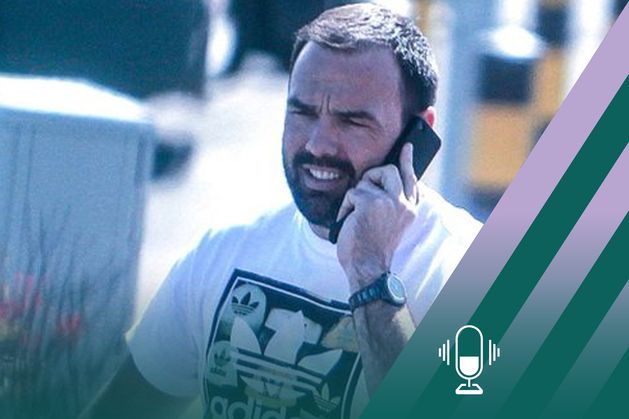
1 month agoJohn Gotti's Grandson Sentenced to Prison for $1 Million+ Covid Fraud After Mom's Pleas Fail to Sway Judge
Carmine G. Agnello Jr. fraudulently applied for and received at least three EIDLP loans totaling approximately $1.1 million, which he submitted on behalf of Crown Auto Parts & Recycling, LLC.
US news
fromBrooklyn, NY Patch
1 month agoBrooklyn Mob Case Prosecutors Seek Removal Of Defense Attorney
Prosecutors wrote that the recordings show he was 'fully entangled' in the conduct under investigation. In more than a dozen recordings, the defendant is captured discussing Mr. Corozzo's knowledge of the defendant's criminal schemes, namely the illegal gambling and loansharking operations, and discussing Mr. Corozzo's status as an inducted member of the Gambino crime family.
Law


fromwww.independent.co.uk
1 month agoTonne of cocaine shipped from Panama valued at 80m seized by UK Border Force
This was a fantastic seizure by our colleagues at Border Force, and taking this amount of cocaine out of circulation will have deprived the organised criminals involved of millions in profits.
UK news
fromwww.standard.co.uk
2 months agoDrug barons who hid cocaine worth 210k in hair wax are jailed for 44 years
Humberto Caicedo Ramirez, 53, and Carlos Barbosa Arias, 61, were caught when police raided a laboratory inside a flat in Vauxhall, south London, where they were processing cocaine concealed in bars of soap.
London politics
fromwww.aljazeera.com
2 months agoAt least eight killed as Brazilian police carry out lethal favela raid
Military police chief Marcelo Menezes Nogueira said that the raid resulted in a major armed confrontation. Dos Santos and six other suspected criminals were killed, and a local resident was reportedly caught in the crossfire after being taken hostage.
World news
World news
fromwww.aljazeera.com
2 months agoLeader of Ecuador-based criminal group Los Lobos arrested in Mexico City
Angel Esteban Aguilar, leader of Los Lobos crime group and suspected mastermind of a 2023 Ecuadorian presidential candidate assassination, was arrested at Mexico City airport under a false identity through trilateral cooperation between Colombia, Mexico, and Ecuador.
fromBitcoin Magazine
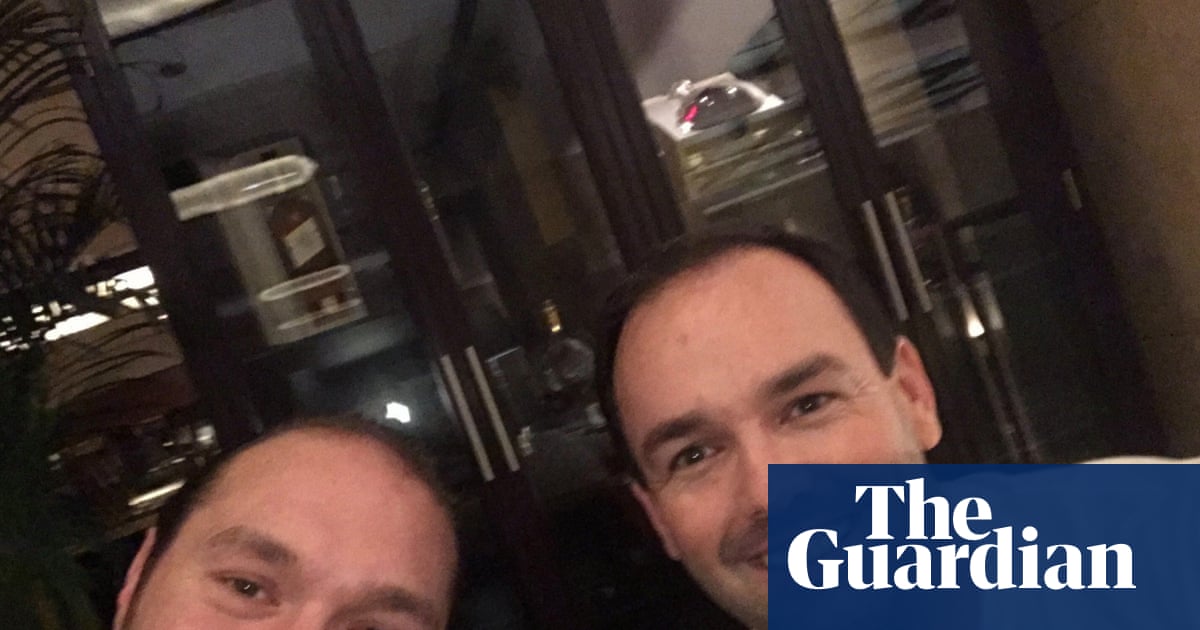
2 months agoZip Ties, Sleeping Pills And Pepper Spray: Canadian Crypto Millionaire Targeted In Foiled Madrid Kidnapping
The victim had just left Lobito de Mar, the restaurant owned by chef Dani García, when three men forcibly removed him from the street, pepper-sprayed him, and threw him into a Ford Transit van. Several pedestrians and residents on nearby balconies immediately called authorities. Spanish National Police tracked the vehicle to Ronda de Toledo, about 15 minutes from the scene, and arrested two of the attackers.
Canada news
UK news
fromComputerWeekly.com
2 months agoTechnology accelerating crime, boosts case for national police service says NCA chief | Computer Weekly
Technology has fundamentally transformed crime by enabling criminals to operate globally in networks, access money laundering services, and conduct sophisticated attacks with unprecedented scale and speed.
Law
fromwww.amny.com
2 months agoLobbyist accused of trying to extort client after securing Trump pardon | amNewYork
Conservative attorney Josh Nass is charged with hiring an enforcer to extort $500,000 from a client he helped get pardoned by President Trump, threatening physical violence if payment was refused.
London politics
fromIndependent
2 months agoSenior Kinahan gang member Sean McGovern pleads guilty to directing criminal organisation
Sean McGovern, a senior Kinahan gang figure and Daniel Kinahan's closest confidant, pleaded guilty to directing gang activities in murders including an innocent grandfather and a rival Hutch gangster.
fromwww.npr.org
2 months ago75 years ago, a viral TV moment ignited America's obsession with the Mafia
Wives, he wrote, "have left the housework undone and husbands have slipped away from their jobs to watch." The subject of all this excitement was an unlikely one: Congressional hearings. Hours and hours of them. What made it all so fascinating was the topic: Organized crime. Gangsters. Or, as Americans were learning right there on TV, something called "the Mafia."
Arts
World news
fromIndependent
2 months agoKinahans abandoned plans at 'last minute' to flee UAE hideout for sanctuary in Russia
The Kinahan crime family secured Russian travel documents and passports over a year ago but abandoned last-minute plans to flee their Dubai hideout, instead securing sanctuary in Russia.
#sex-trafficking
NYC parents
fromHuntington, NY Patch
2 months agoQueens Man Accused Of Trafficking Girls As Young As 14 Across LI, NYC: Feds
A Queens man was arrested and federally indicted on 12 counts for sex trafficking five victims, including three minor girls aged 14-17, across Long Island and New York City from 2021 to present.
Brooklyn
fromQNS
2 months agoSt. Albans man indicted for sex trafficking five victims, including three minors, at Queens, Brooklyn and Long Island hotels: Feds - QNS
A 33-year-old man from St. Albans was indicted for sex trafficking five victims, including three minors aged 14-17, across Queens, Brooklyn, and Long Island hotels using fraud, violence, and manipulation.
fromQueerty
2 months agoWATCH: Dan Levy is a not-so-celibate gay pastor making Big Mistakes in new Netflix comedy series - Queerty
Two deeply incapable siblings who are in over their heads when a misguided theft for their dying grandmother accidentally pulls them into the world of organized crime. Blackmailed into increasingly dangerous assignments, they clumsily fail upwards, sinking deeper into chaos they're ill-equipped to handle.
Television
Independent films
fromIndependent
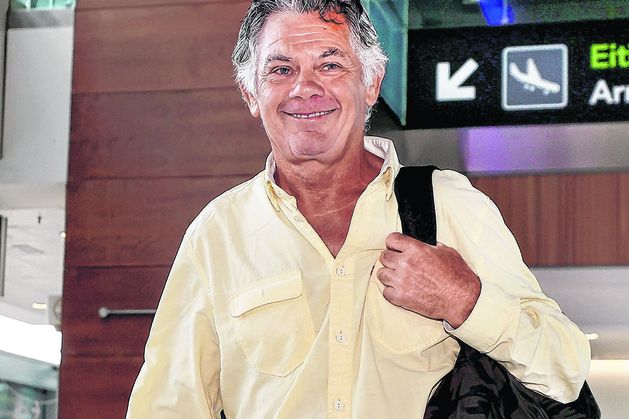
2 months ago'That is Angelo Sepe's car we put the listening device in, right in the back of Robert De Niro': The Irish FBI agent who helped put away the real-life Goodfellas
FBI agent Neil Moran's 30-year career involved investigating real crimes that inspired major Hollywood films, including Goodfellas based on a 1978 Lufthansa cargo heist at JFK Airport.
#retail-theft


Brooklyn
fromwww.amny.com
2 months agoLululemon robberies: Shoplifting crew steals more than $56,000 in luxury activewear from Manhattan, Brooklyn shops near L train, cops say | amNewYork
Three young men conducted at least eight coordinated robberies of luxury activewear stores across Brooklyn and Manhattan in February, stealing merchandise valued at thousands of dollars.
World politics
fromwww.aljazeera.com
2 months agoSouth African soldiers deploy in Johannesburg to tackle crime and gangs
South African military troops deployed in Johannesburg suburbs to combat organized crime, gang violence, and illegal mining following presidential declaration of crime as democracy threat.
fromThe New Yorker
2 months agoThe Bloody Life and Legacy of El Mencho
Early on February 22nd, residents woke up to the whirl of Army helicopters buzzing low over their houses, while those on the western edge of town heard gunshots and explosions. By eleven that morning, news broke that the operation was targeting Nemesio Rubén Oseguera Cervantes, better known as El Mencho, the fifty-nine-year-old head of the Jalisco New Generation Cartel, or C.J.N.G., and the most powerful drug lord in Mexico.
Madrid food
World news
fromwww.theguardian.com
2 months agoA Japanese conman' tried to sell an undercover DEA agent nuclear materials but how did he get them?
A Japanese Yakuza leader was sentenced to 20 years for orchestrating a transnational criminal network trafficking nuclear materials to Iran, heroin from Myanmar, and weapons to insurgent groups.
[ Load more ]