#nxtpaper-screens
#nxtpaper-screens
[ follow ]
#technology #e-ink #apple #e-reader #user-experience #design #minimalism #samsung #smartphone-design


UX design
fromLondon Business News | Londonlovesbusiness.com
2 days agoPhenomenon Studio: AI-Driven UI/UX Innovations Defining the 2026 Design Evolution - London Business News | Londonlovesbusiness.com
AI is now essential in UI/UX design, enabling anticipatory interfaces that enhance user experience and drive business success.

#e-reader


Gadgets
fromYanko Design - Modern Industrial Design News
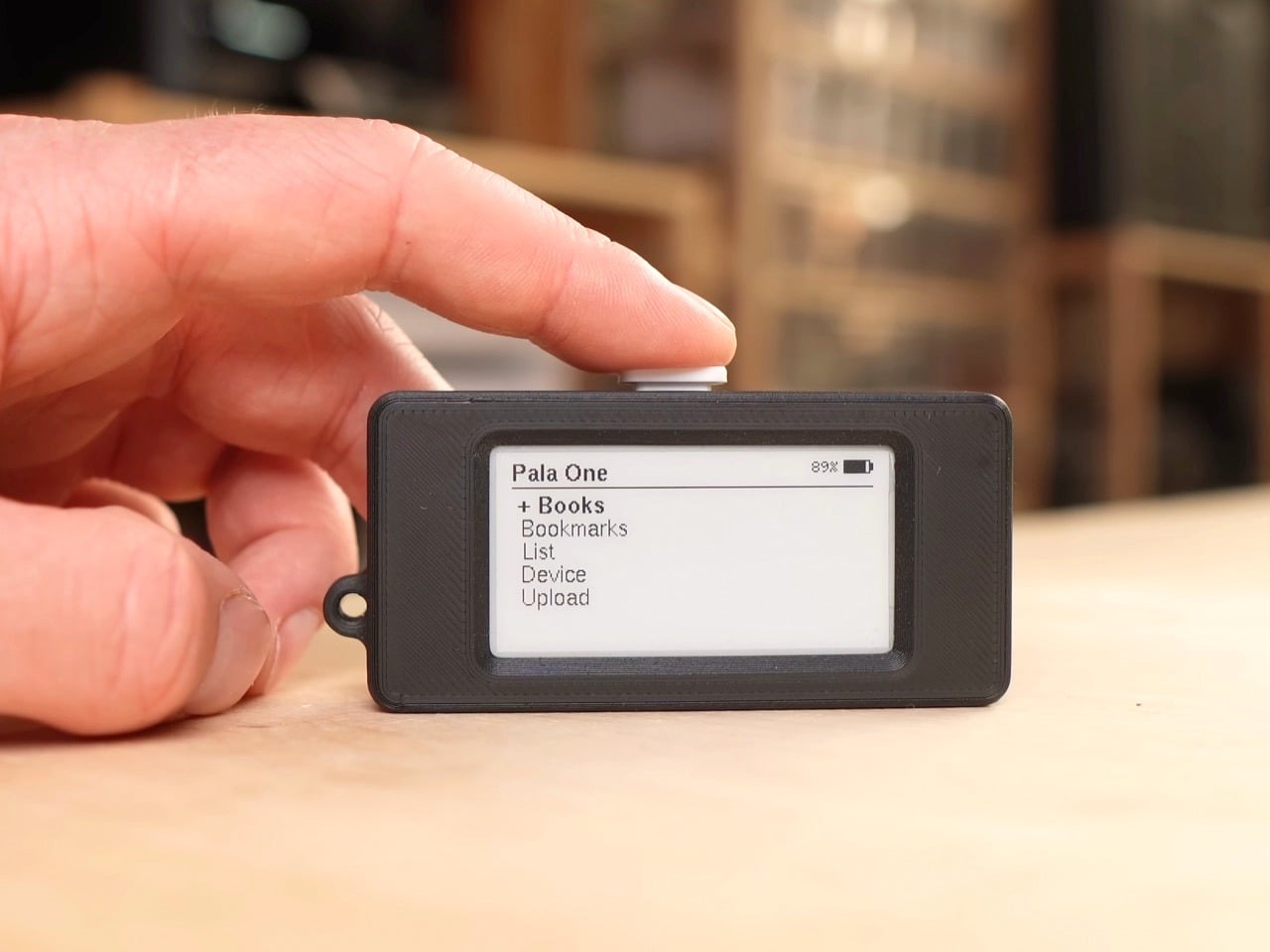
4 days agoWorld's Tiniest E-Reader Is The Size Of An AirPods Case - And It Makes You Read More - Yanko Design
The Pala One is a compact e-reader designed for maximum portability, enhancing the reading experience by making books always accessible.
fromWIRED
3 weeks agoI Finally Understand Why Digital Wall Calendars Are So Popular
Digital wall calendars take your online calendar-think your Google Calendar, the Calendar app on your iPhone, or your corporate Microsoft calendar account-and put it on a digital screen that you can mount on the wall or prop up on a stand on a countertop or table.
Digital life
Gadgets
fromYanko Design - Modern Industrial Design News
4 days agoANBERNIC RG Rotate handheld with swivelling display doubles as a music player - Yanko Design
Handheld gaming has surged, with ANBERNIC introducing the RG Rotate, a compact device featuring a rotating screen and music playback capabilities.
UX design
fromYanko Design - Modern Industrial Design News
3 weeks agoYour Light Switch Is the Worst-Designed Thing in Your House. Inkslab Offers An Alternative - Yanko Design
Inkslab panel series transforms wall switches into a visually striking interface using irregular polygonal designs inspired by classical Suzhou gardens.
UX design
fromYanko Design - Modern Industrial Design News
3 weeks agoMinimalist laptop with a secondary display minimizes distractions, maximizes productivity - Yanko Design
Minimal Laptop UI concept aims for a distraction-free experience by integrating hardware and software around a minimalist design philosophy.
fromYanko Design - Modern Industrial Design News
1 month agoFrom Magnetic Modules to Neon Lights: TECNO's Wild Phone Concepts - Yanko Design
The most developed concept is the Modular Magnetic Interconnection Technology, which lets you snap hardware modules onto the phone magnetically. Telephoto lenses, action cameras, extra battery packs, and over a dozen other components can attach and detach as needed. TECNO presented two design versions: ATOM, with a clean white-and-red palette built around the idea of efficient, intentional use, and MODA, which takes the same modular logic but wraps it in a bolder, more aggressive look.
Design
fromYanko Design - Modern Industrial Design News
3 weeks agoThis E Ink Flip Case Shows the Time Without Ever Waking Your Phone - Yanko Design
The E Ink screen on the outer panel allows users to check the time, date, battery level, and signal without waking the main display, enhancing convenience.
Gadgets
fromYanko Design - Modern Industrial Design News
3 weeks agoLG's World-First 1Hz Panel Gives the Dell XPS 48% More Battery - Yanko Design
LG Display's Oxide 1Hz panel is the first mass-produced LCD laptop screen that adjusts its refresh rate based on the content displayed, dropping to 1 Hz for static images and scaling up to 120 Hz for video or gaming.
Gadgets

Mobile UX
fromYanko Design - Modern Industrial Design News
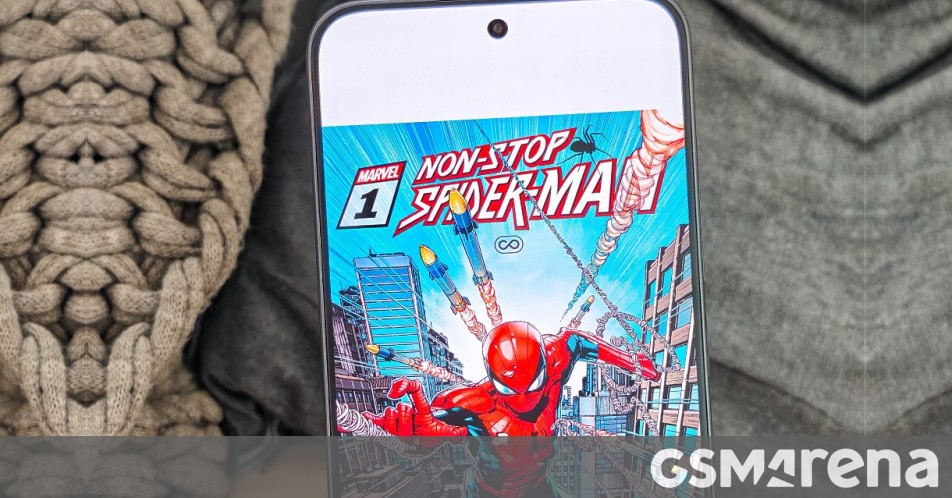
1 month agoTCL's new NXTPAPER 3200-Nit AMOLED Display Feels Like Paper and Won't Hurt Your Eyes - Yanko Design
TCL unveiled a new NXTPAPER display technology based on AMOLED panels at MWC 2026, combining eye comfort with high-performance capabilities for smartphones launching by end of 2026.
fromWIRED
1 month agoThis Digital Picture Frame Wants to Bring People Closer to a Holographic Future
Upload any picture or video, and Musubi uses artificial intelligence to extract the most important part and hover it in space as a 3D image within the frame. That could be a video of a child's first steps or a snapshot of a birthday party. The image will be displayed in 3D form, viewable in all its holographic glory across nearly 170 degrees.
Gadgets
fromGSMArena.com
1 month agoTCL unveils Tab A1 Plus (and NxtPaper) as NxtPaper 70 Pro makes it to Europe
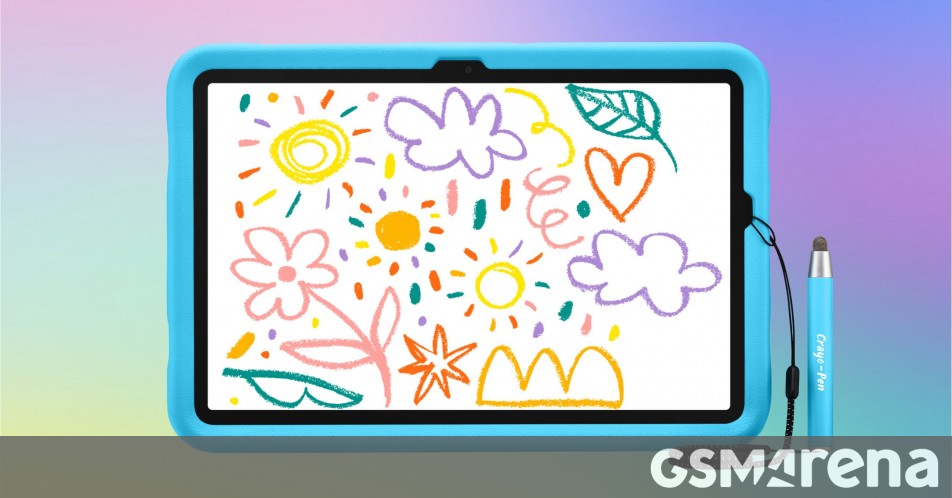
The Tab A1 Plus brings a 12.2-inch IPS LCD with 1,600 x 2,400 px resolution, a 3:2 aspect ratio and a 120Hz refresh rate. It's also available in a version with TCL's NxtPaper tech, which gets the signature matte display coating. Regular mode features rich and vibrant colors for regular use. Color Paper dials down the saturation for a paper-like color reading experience, while Ink Paper mode goes grayscale for an e-Ink-like experience.
Mobile UX
#e-ink-display-technology
Gadgets
fromYanko Design - Modern Industrial Design News
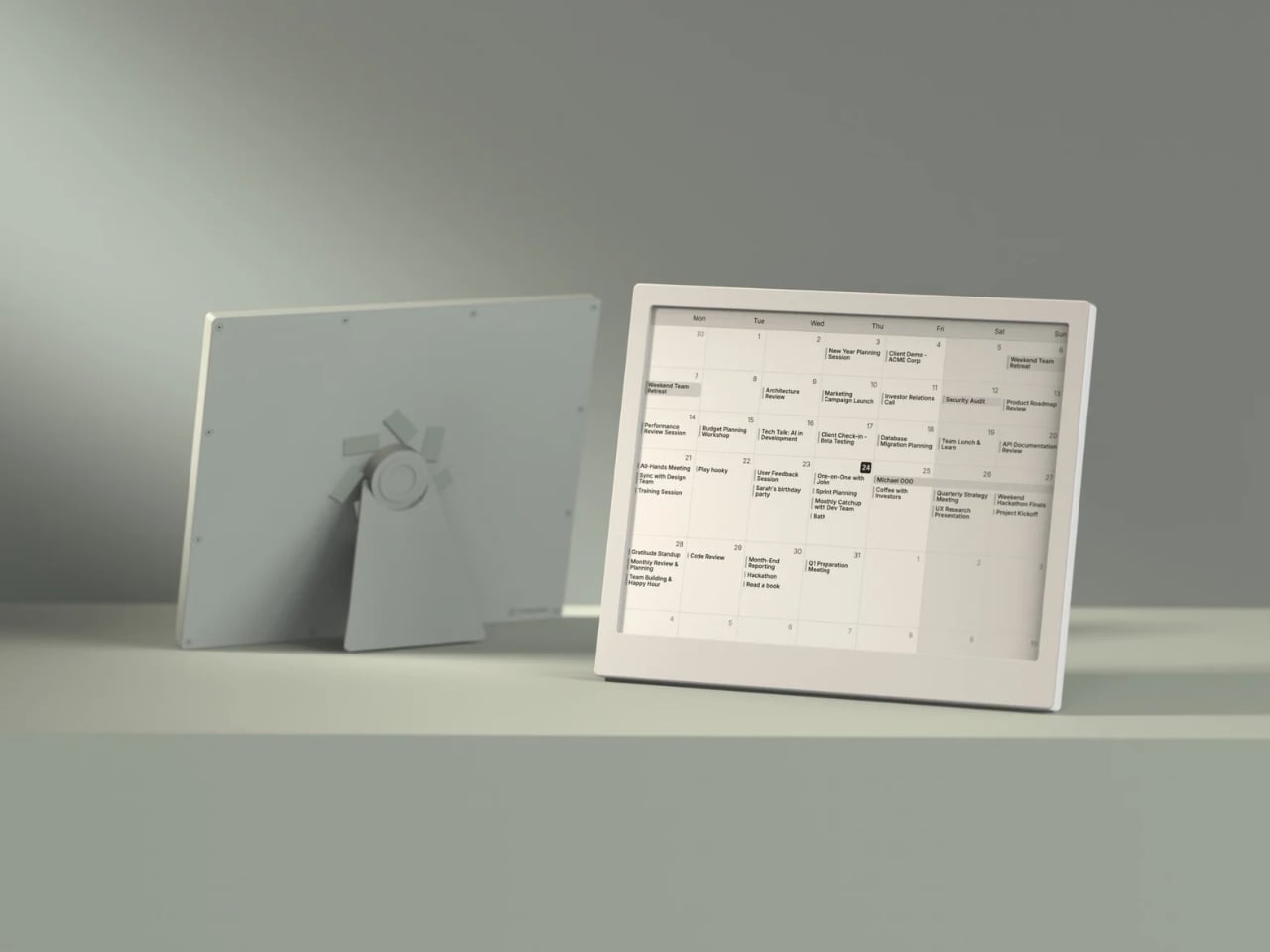
1 month agoCompal turns a laptop palm rest into an always-on E Ink notepad - Yanko Design
Compal's AI Book concept replaces the static laptop palm rest with a touch-enabled E Ink display, transforming unused space into a functional secondary workspace for notes, sketches, and information display.
Gadgets
fromYanko Design - Modern Industrial Design News
1 month agoCompal turns a laptop palm rest into an always-on E Ink notepad - Yanko Design
Compal's AI Book concept replaces the static laptop palm rest with a touch-enabled E Ink display, transforming unused space into a functional secondary workspace for notes, sketches, and information display.
fromYanko Design - Modern Industrial Design News
2 months agoZerowriter Ink Is an Open-Source E-Paper Typewriter Built for Writers - Yanko Design
Trying to write on a laptop means fighting a machine that is also a notification box, streaming portal, and social feed. Distraction-free apps help, but they still live inside the same browser-and-tab chaos, surrounded by everything else your computer knows how to do. Some writers just want a device that only knows how to produce plain text and does not care about anything else happening in the world.
Gadgets
fromYanko Design - Modern Industrial Design News
2 months agoThis Battery Charger Shows Which AAs Are Dead on an E-Ink Display - Yanko Design
Linogy is a rechargeable battery ecosystem built around 1.5 V Li-ion AA and AAA cells plus an all-in-one smart station. The station lives on a desk or shelf, acting as a battery tester, fast charger, and organizer case that holds up to 40 cells. The goal is to replace the random drawer with a single, visible place where all your batteries live and get managed.
Gadgets
Gadgets
fromZDNET
2 months agoReMarkable Paper Pro vs. Kindle Scribe: I compared the two best E Ink tablets, and this one wins
Kindle Scribe Colorsoft and ReMarkable Paper Pro are premium color note-taking e-readers offering high-quality pen-to-paper experiences, color displays, and starting prices above $600.
Gadgets
fromYanko Design - Modern Industrial Design News
2 months ago5 Best Transparent Tech Of January 2026 That Just Beat Nothing at Its Own Game - Yanko Design
Transparent consumer electronics combine visible mechanics with functional benefits to create a desirable, intentional design movement across categories.
[ Load more ]