#national-mood
#national-mood
[ follow ]
#viktor-orban #hungary #trump #iran #elections #political-change #trump-administration #social-media #democracy
#hungary



Europe politics
fromwww.theguardian.com
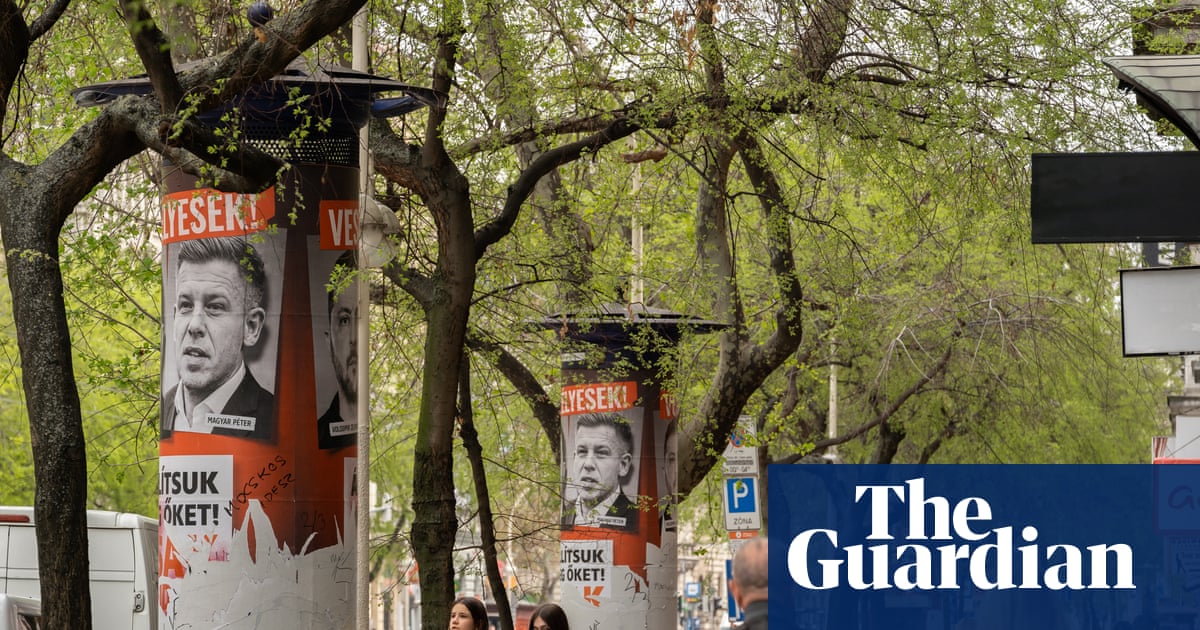
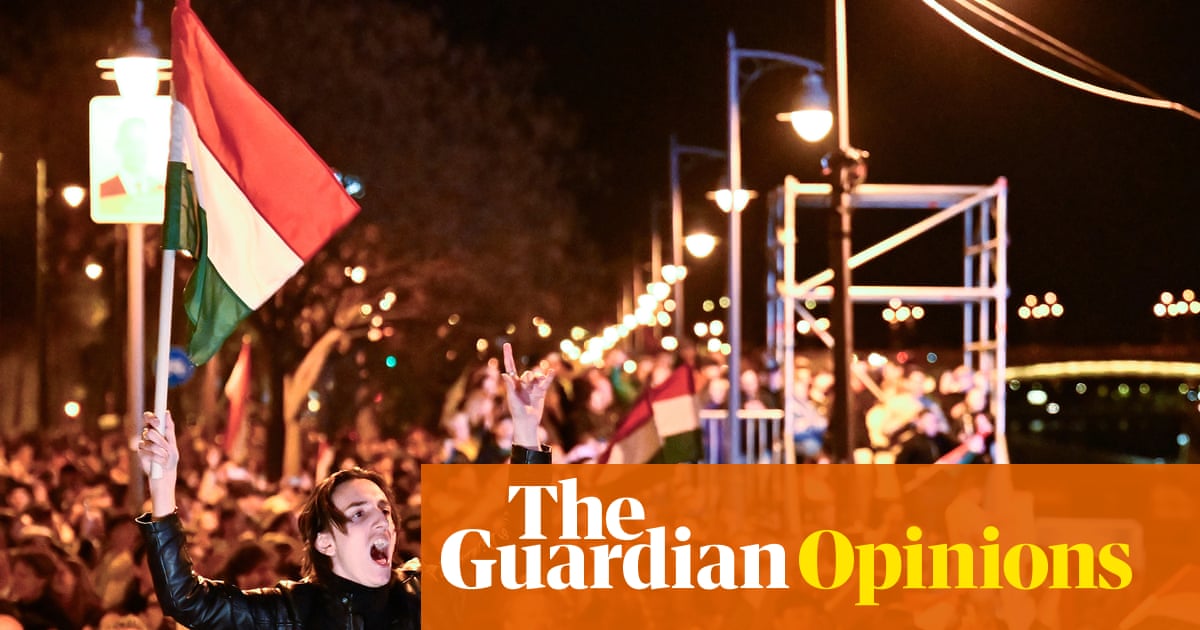
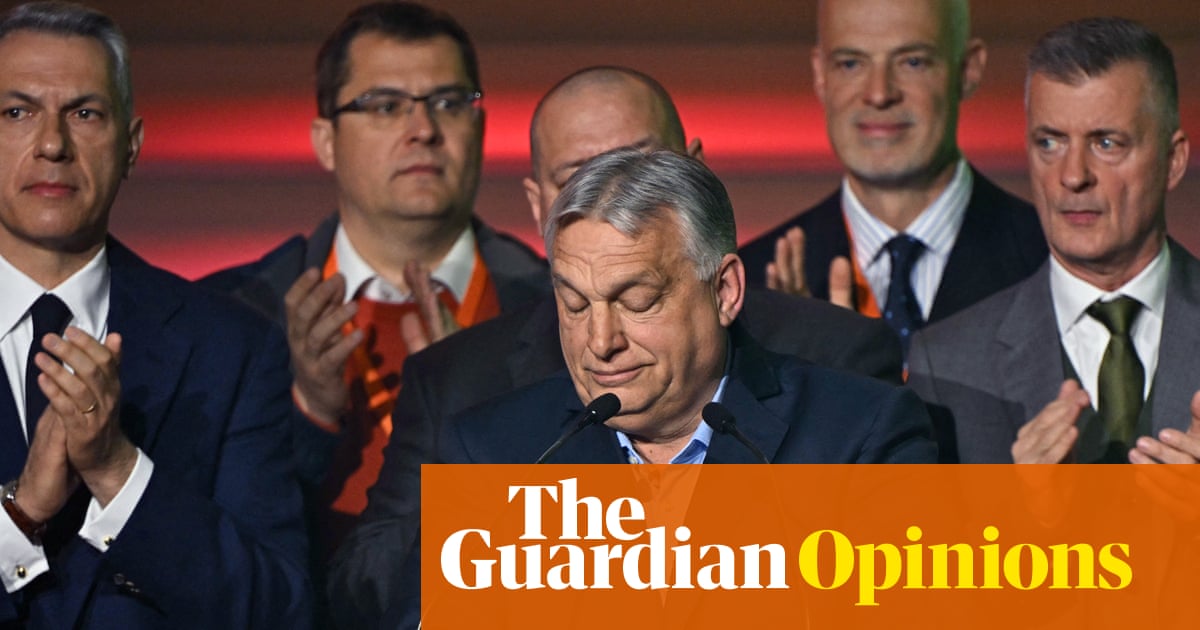
7 hours agoViktor Orban inspired rightwingers across the EU and in Britain. His defeat could represent a turning of the tide | Polly Toynbee
European liberal democratic values triumphed in Hungary, defeating the populist-nativist right and weakening authoritarian forces across Europe.
#social-media

fromSilicon Canals
4 days agoSocial media marketing
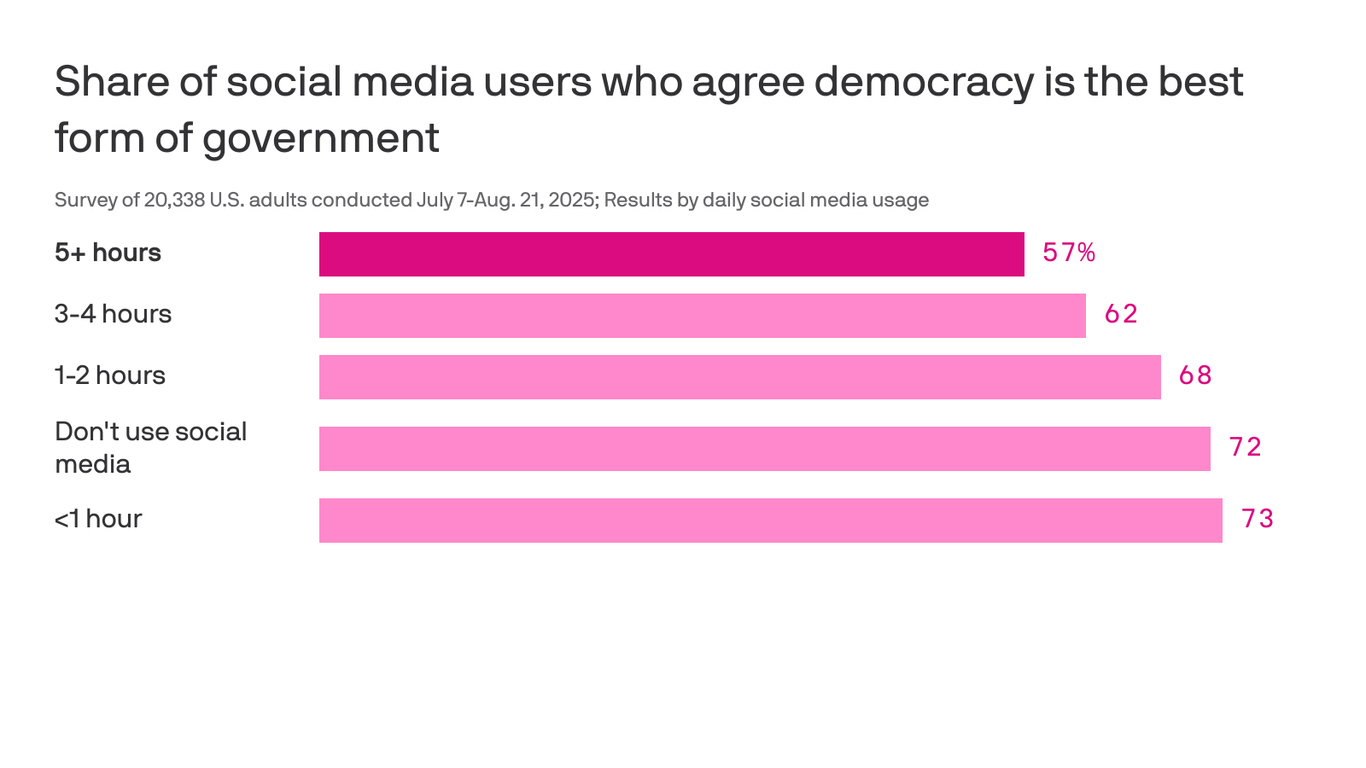
Psychology says people who never post on social media but check it every day aren't passive - they opted out of the performance while keeping the window, and keeping the window without paying the price is the most rational position available and the one the platform was specifically designed to make feel antisocial - Silicon Canals
Social media marketing
fromSilicon Canals
4 days agoPsychology says people who never post on social media but check it every day aren't passive - they opted out of the performance while keeping the window, and keeping the window without paying the price is the most rational position available and the one the platform was specifically designed to make feel antisocial - Silicon Canals
Silent scrollers on social media actively choose to observe rather than post, demonstrating discipline and self-control contrary to common perceptions.
Psychology
fromSilicon Canals
5 days agoNot everyone who keeps a small social circle is protecting their energy. Some of them built a wide one once, watched it reveal exactly how many people would show up during an actual emergency, and quietly restructured around the answer - Silicon Canals
Small social circles often result from past crises that reveal true friendships, rather than a preference for fewer connections.
#trump


World news
fromLondon Business News | Londonlovesbusiness.com
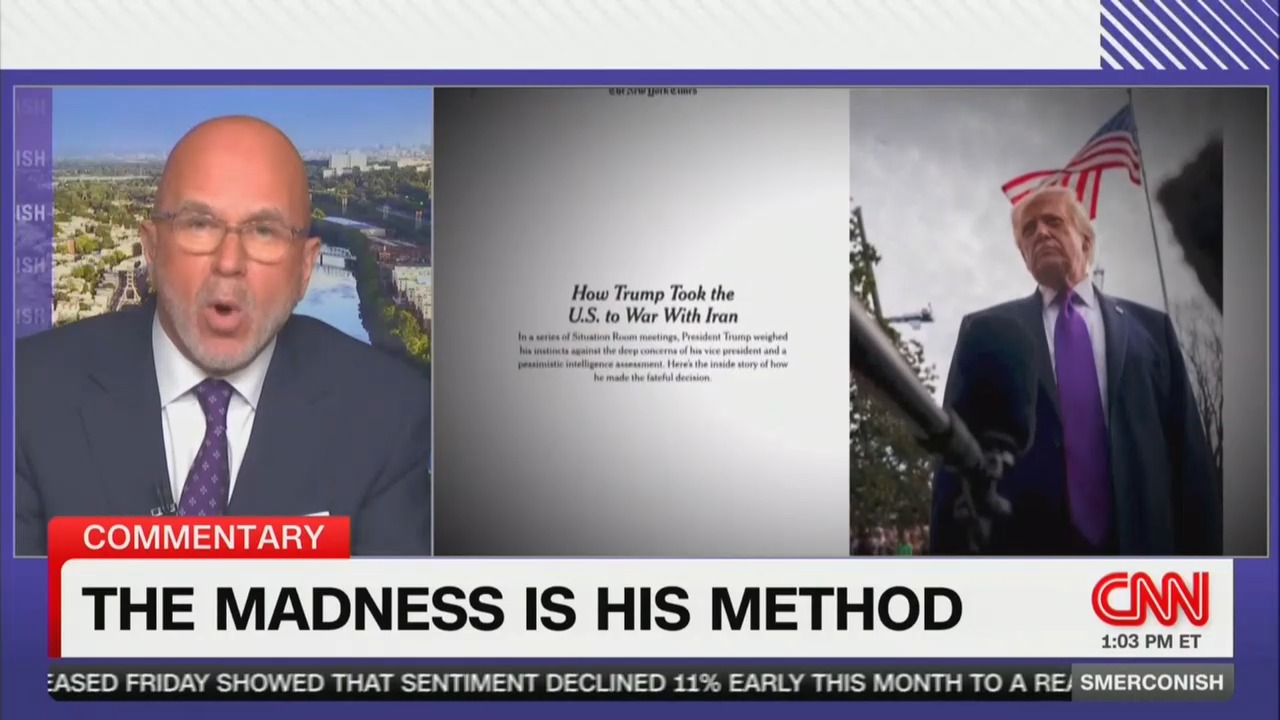
6 days agoTrump warns a 'whole civilization will die tonight, never to be brought back again' - London Business News | Londonlovesbusiness.com
Trump warns of catastrophic consequences for Iran if the Strait of Hormuz is not reopened by his deadline.
US Elections
fromwww.mediaite.com
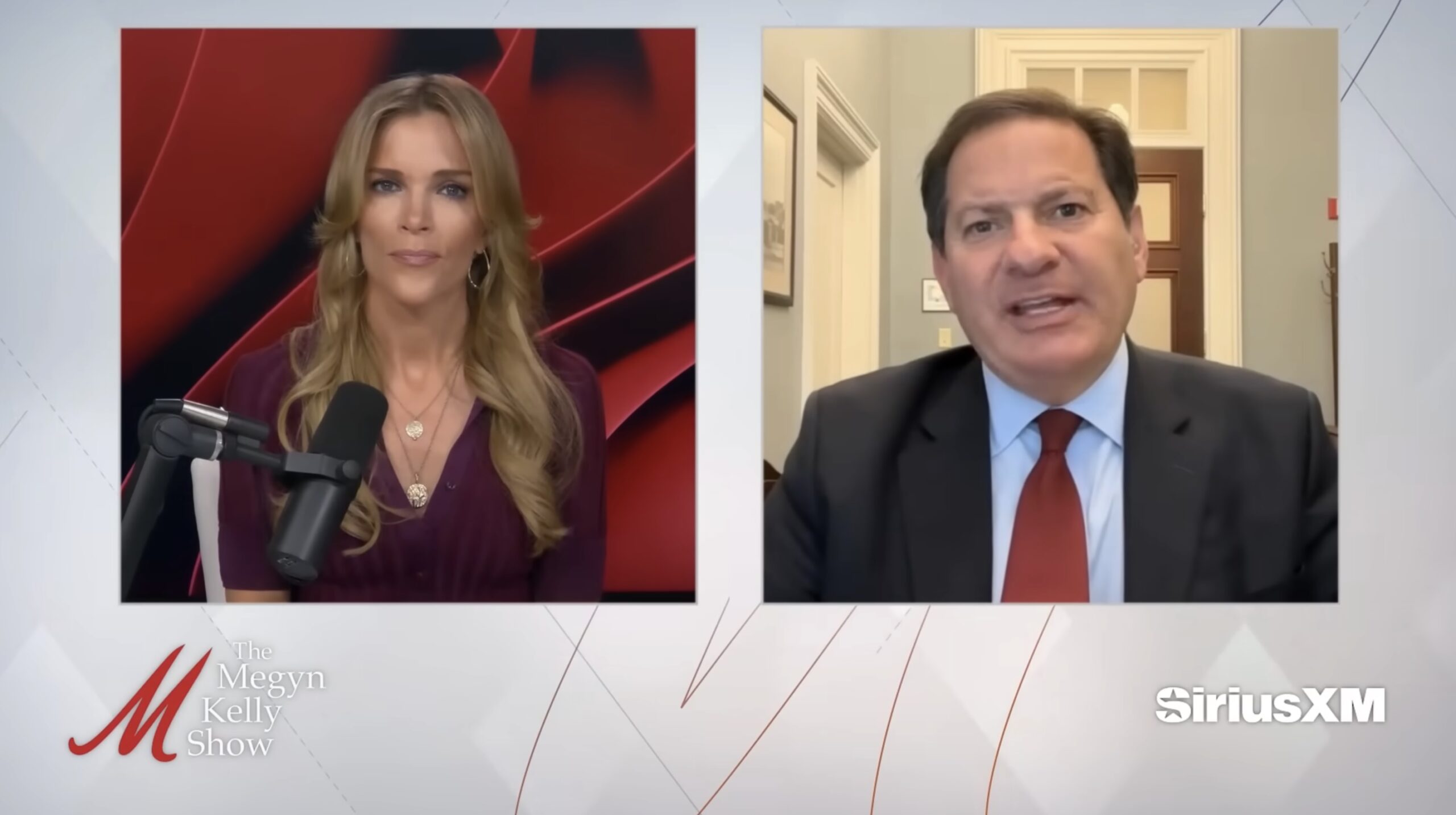
5 days agoMark Halperin Insists There's Time for Trump to Fix the Problems by the Midterms' as Popularity Craters: He's Got a Great Sense of Instincts'
President Trump has time to regain support before the midterms, but faces significant challenges after the war against Iran.
fromThe Atlantic
2 weeks agoHomophobia Is Back. It's Different Now.
LaBeouf hasn't anchored a box-office hit in more than a decade, and little of his 2020s art-house work has drawn buzz. The most notable thing he's starred in lately was a clip of him on a podcaster's couch, hunched and diminished, talking about his fear of gay people.
LGBT
Psychology
fromPsychology Today
3 weeks agoHow Social, Cultural, and Political Structures Influence Our Feelings
Modern society's structural features—individualism, capitalism, democracy, and meritocracy—shape emotions that reflect both internalization of the outer world and externalization of inner experience.

UK politics
fromwww.theguardian.com
1 month agoWhy Populists Are Winning and How to Beat Them by Liam Byrne review a surprisingly original prescription
Liam Byrne's book attempts to address rightwing populism by advocating centrist deference to populist voters, but this approach lacks persuasiveness given populist voters are often motivated by factual myths rather than legitimate grievances.
fromFast Company
3 weeks agoA record number of Americans want out-now the government is making it easier
Starting next month, the cost of renouncing your U.S. citizenship will go down dramatically - a boon for people already shouldering the burden of paying for a major overseas move. Anyone wishing to formally shed their American citizenship is required to obtain a form called a Certificate of Loss of Nationality, and right now it comes with a whopping $2,350 fee. In April, that fee will drop by 80% to $450.
US Elections
US politics
fromInside Higher Ed | Higher Education News, Events and Jobs
1 month agoThis Is What Democracy Looks Like
Recent federal actions have weakened voting rights protections established by the Voting Rights Act of 1965, particularly affecting college students and first-time voters through investigations and restrictions on voting engagement studies.
fromThe Atlantic
1 month agoA Word for Our Troubled Times
A record high of adults—80 percent—believes that Americans are divided on the most important values. National pride, trust in government, and confidence in institutions are near record lows. The Princeton University historian Sean Wilentz says the United States hasn't been this divided since the Civil War. Nearly half of Americans think another civil war is likely in their lifetime.
US politics
fromwww.thelocal.com
2 months agoWhy are young Europeans increasingly supporting anti-immigration parties?
Political orthodoxy tells us that younger voters tend to be more progressive on issues like immigration. But in recent years, Europe has seen anti-migrant parties surge in the polls and gain youth support across the continent. In Norway, for example, survey data shows that 24 percent of young people favour limiting immigration "to a large extent" and 23 percent "to some extent."
Miscellaneous
fromThe Washington Post
2 months agoAmericans' optimism for their future took a hit last year, poll finds
The number of Americans who anticipate they will have "high-quality lives" in five years' time has dropped to a nearly two-decade low, according to a poll released Tuesday. Around 6 in 10 people surveyed said they expected their lives would be significantly better in the future than today. That is about nine percentage points lower than during the height of the covid-19 pandemic, according to Gallup, which began measuring Americans' sense of optimism in 2008.
US news
fromTruthout
2 months ago"This Is Not America" Is the Most Dangerous Lie We Keep Telling Ourselves
As authoritarianism accelerates - as government-sanctioned violence becomes more overt in immigration enforcement, in policing, in the open deployment of federal force against civilians, and in the steady erosion of civil rights - people are scrambling for reference points. But instead of reckoning with the long and violent architecture of U.S. history, much of this searching collapses into racialized tropes and xenophobic reassurance: This isn't Afghanistan. This isn't Iran or China. This is America. We have rights. This is a democracy. This isn't who we are.
US politics
US politics
fromwww.theguardian.com
2 months agoAmerica has reached a tipping point on fascism and on opposition to it | Robert Reich
Recent events in Minneapolis and federal actions have driven lifelong Republicans away, exposing lies and accelerating a slide toward a repressive, fascist police state.
fromwww.mediaite.com
2 months agoAmericans Optimism Drops To New Low Under Trump: Poll
A recent Gallup survey based on more than 20,000 interviews found Americans' optimism about their future personal lives has fallen to a new low. Gallup released findings this week from their National Health and Well-Being Index, which is based on data collected from thousands throughout the four quarters of the year. More than 22,000 interviews were spread across all 50 states and the District of Columbia.
US politics
fromThe Atlantic
2 months agoYes, It's Fascism
For one thing, there were too many elements of classical fascism that didn't seem to fit. For another, the term has been overused to the point of meaninglessness, especially by left-leaning types who call you a fascist if you oppose abortion or affirmative action. For yet another, the term is hazily defined, even by its adherents. From the beginning, fascism has been an incoherent doctrine, and even today scholars can't agree on its definition. Italy's original version differed from Germany's, which differed from Spain's.
[ Load more ]