Coronavirus
fromwww.bbc.com
2 hours agoBird flu vaccine trial against potential pandemic strain begins
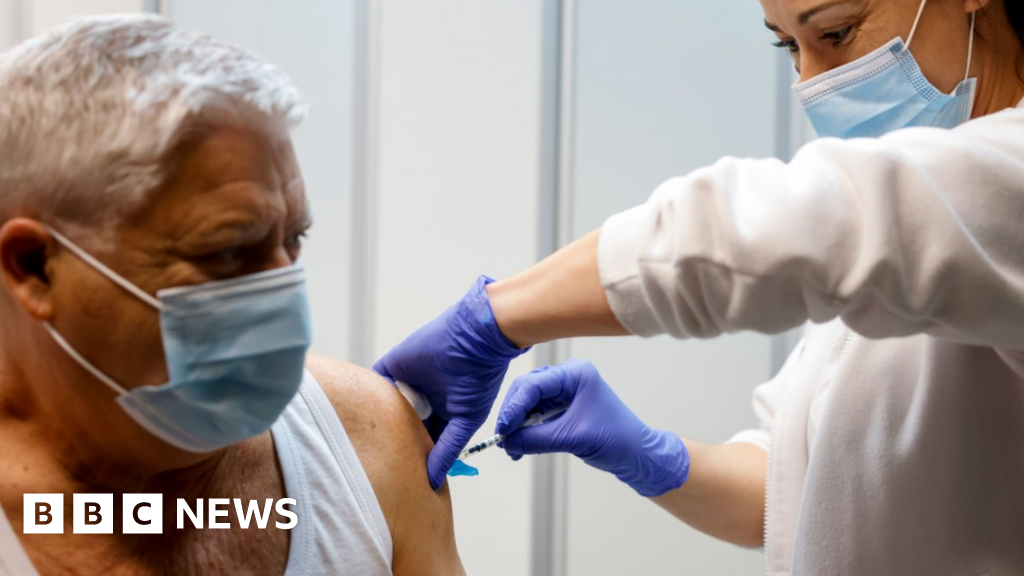
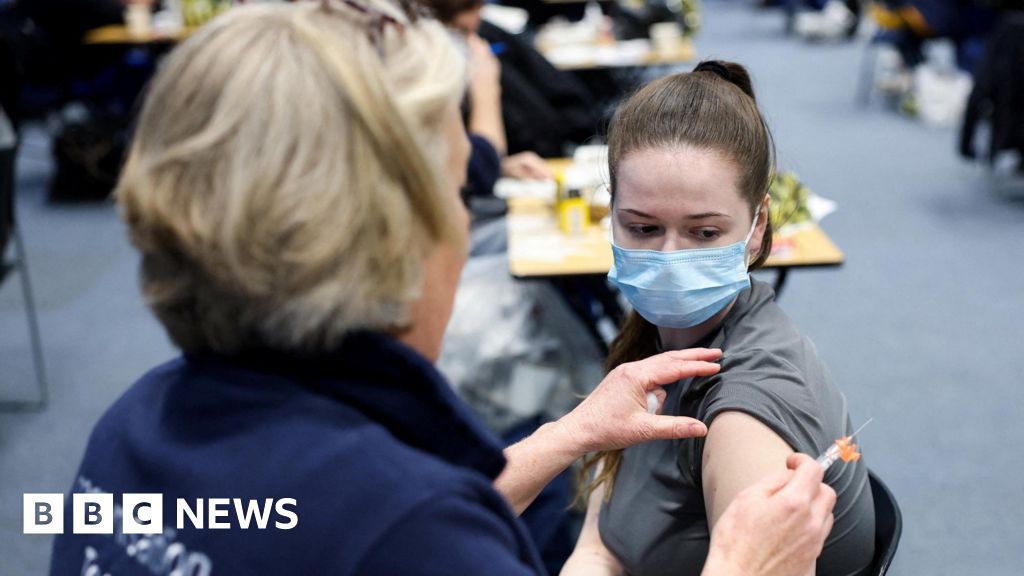
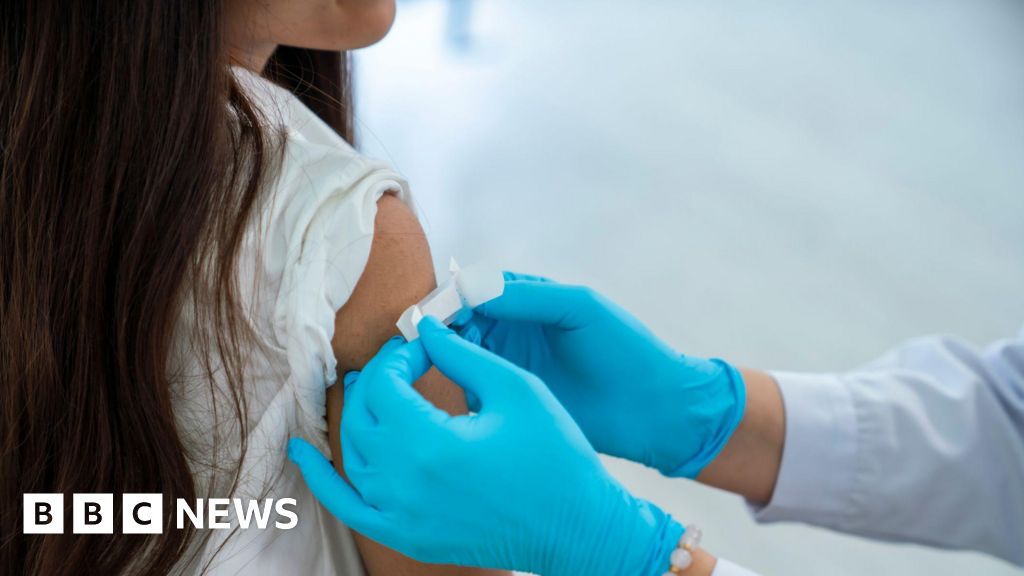
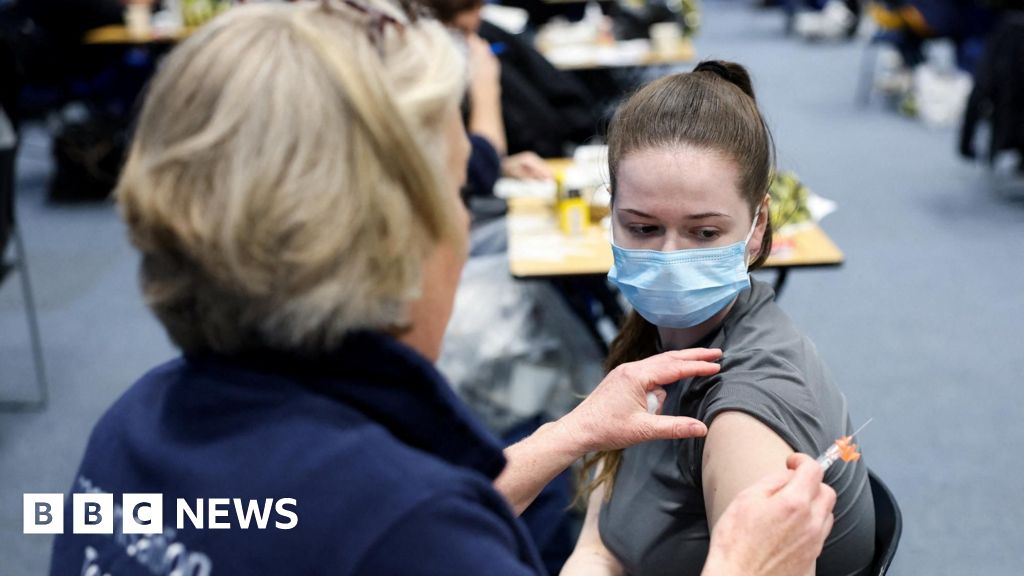
The UK has begun immunizing volunteers with a vaccine targeting the H5N1 bird flu strain to prepare for potential pandemics.
The news is the latest sign of the FDA's heightened scrutiny of vaccines under Health Secretary Robert F. Kennedy Jr., particularly those using mRNA technology, which he has criticized before and after becoming the nation's top health official. Moderna received what's called a "refusal-to-file" letter from the FDA that objected to how it conducted a 40,000-person clinical trial comparing its new vaccine to one of the standard flu shots used today.
The U.S. is no longer part of the World Health Organization. After the Trump administration declared its intention to pull the country out of the global public health agency one year ago, on Thursday it formally followed through, ending its commitment to the organization after 78 years. Withdrawing the U.S. from the WHO was one of Trump's day one priorities. Now, after the required one year notice period, the deed is done.
I am open-minded; I believe in integrative practices, and I agree that the medical establishment can be arrogant and unduly influenced by the pharmaceutical industry, which now funds so much of medical research. But I fully understand Scherer's frustration with his interminable discussions with Kennedy about scientific articles.
As for side effects, the companies reported that little had changed from previous analyses; adverse events were similar between the two groups. The top side effects linked to the vaccine were fatigue, injection site pain, and chills. The results "highlight the potential of a prolonged benefit" of the vaccine combined with Keytruda in patients with high-risk melanoma," Kyle Holen, a senior vice president at Moderna, said. They also "illustrate mRNA's potential in cancer care," he said, noting that the company has eight more Phase 2 and Phase 3 trials going for mRNA vaccines against a variety of other cancers, including lung, bladder, and kidney cancers.
In children below the age of five, whose immune systems are still developing, the infections can lead to malnourishment; they cause up to 42,000 deaths annually. Soon there may be a vaccine to protect against these infections. In the Lancet Infectious Diseases last month, scientists shared the results of the first study to evaluate the safety and efficacy of an ETEC-controlling vaccine in a large pediatric population in Gambia.
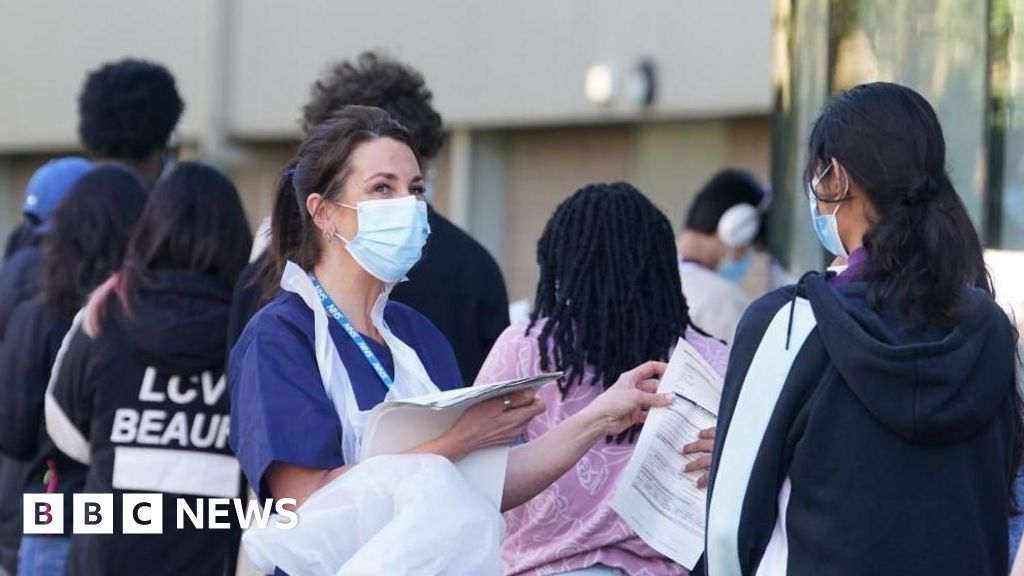
Meningitis B, known as MenB, is the strain of bacteria behind the outbreak of meningitis cases in young people in Kent, experts have confirmed. It is rarer but far more serious than viral meningitis and can lead to blood poisoning or sepsis, and affect the brain. Some cases are fatal.
While the move came as a surprise to the high-profile vaccine maker, it is just the latest hostility toward vaccines-and mRNA vaccines in particular-from an agency overseen by the fervent anti-vaccine activist Robert F. Kennedy Jr. In his first year in office, Kennedy has already dramatically slashed childhood vaccine recommendations and canceled $500 million in research funding for mRNA vaccines against potential pandemic threats.
Each day, they pore over reams of data about how the virus is evolving worldwide, how well last year's shot performed, and which strains might be easiest to mass produce for a vaccine. The meeting, convened by the World Health Organization twice a year, is a critical moment for the WHO's Global Influenza Surveillance and Response System.
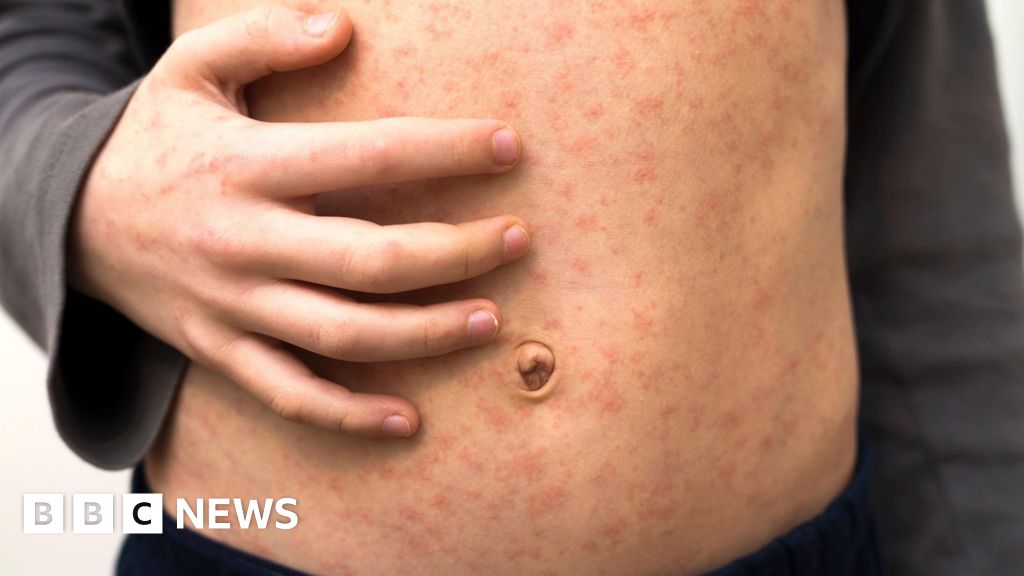
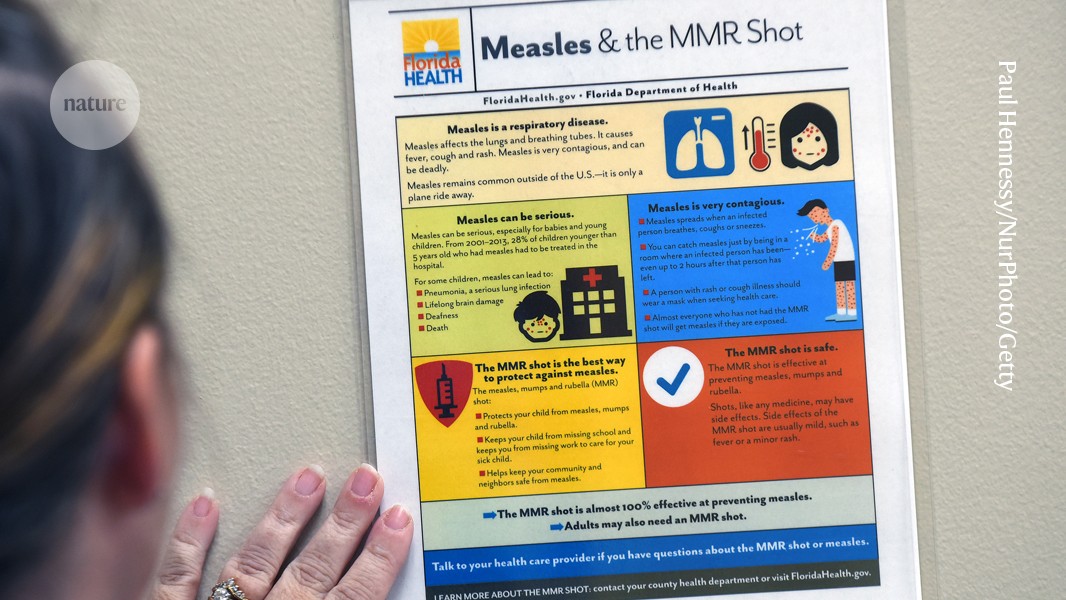
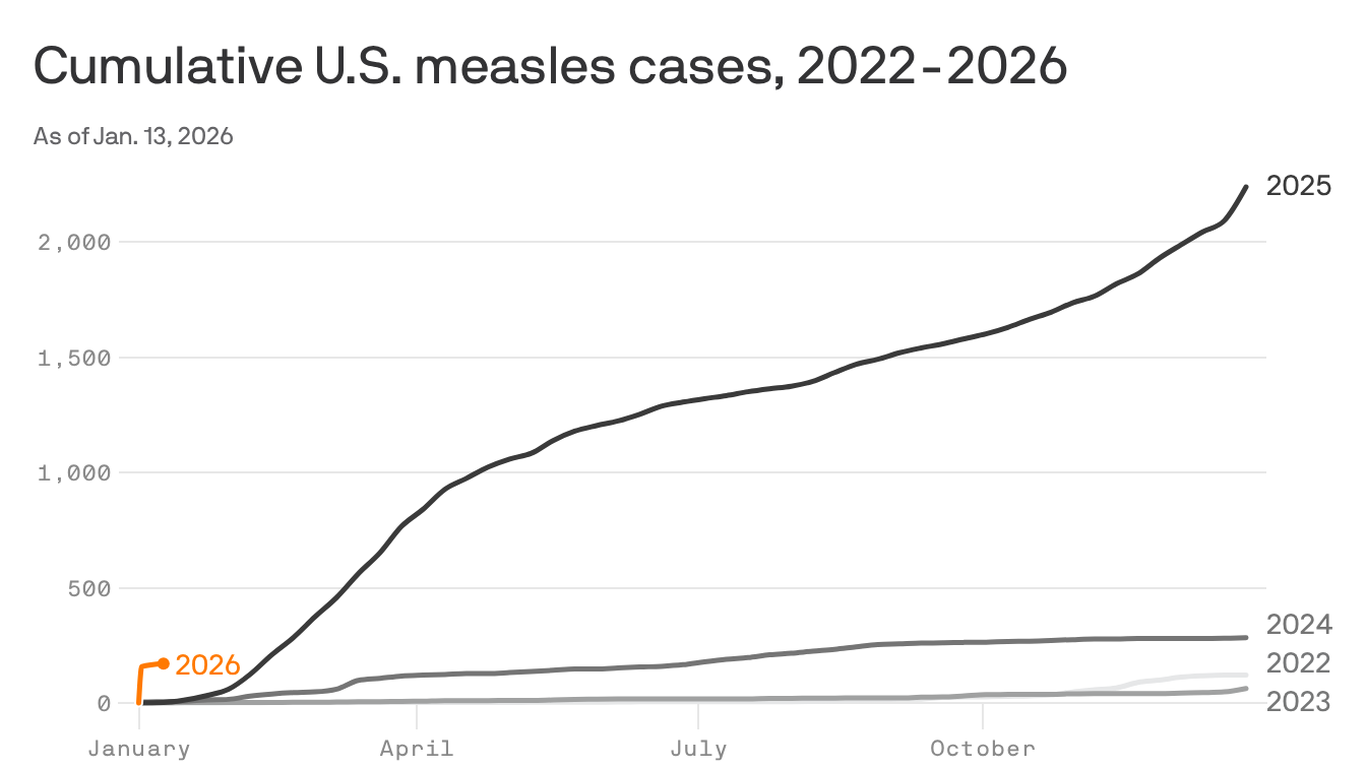
The World Health Organization announced in late January that six European countries: the United Kingdom, Spain, Austria, Armenia, Azerbaijan and Uzbekistan had all officially lost their measles elimination status, which means the virus has been circulating continuously in those countries for more than 12 months.