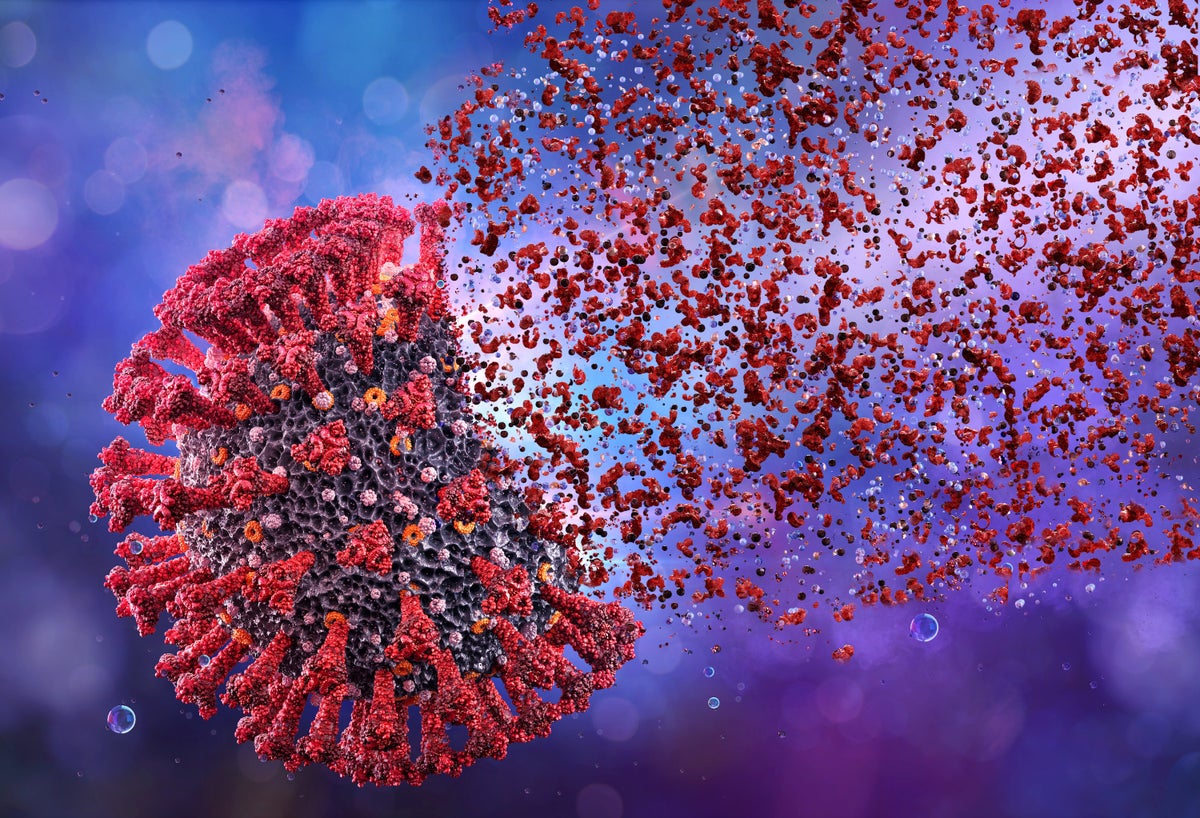
"mRNA vaccines have demonstrated their ability to prevent approximately eight million COVID infections within the first six months of their rollout, showcasing their effectiveness in combating the pandemic."
"Despite the success of mRNA vaccines, there has been significant opposition, including funding cuts and political maneuvers aimed at limiting the technology's development and application."
"Scientists believe that mRNA vaccines not only have the potential to control infectious diseases but also to revolutionize cancer treatment by training the immune system to recognize and attack cancer cells."
"The mechanism of mRNA vaccines involves introducing a piece of mRNA that encodes a pathogen's protein, allowing the body to produce and recognize that protein, thereby enhancing immune response."
mRNA vaccine technology emerged prominently during the COVID pandemic, preventing millions of infections within months. Despite their success, there has been criticism and political challenges, including funding cuts and initial FDA hesitance regarding an influenza mRNA vaccine. Nevertheless, scientists remain optimistic about the potential of mRNA vaccines to combat infectious diseases and enhance cancer therapies. These vaccines work by providing mRNA that instructs the body to produce a pathogen's protein, training the immune system to recognize and respond to threats effectively.
Read at www.scientificamerican.com
Unable to calculate read time
Collection
[
|
...
]