#mercury-mars-conjunction
#mercury-mars-conjunction
[ follow ]
#astrology #astronomy #planetary-alignment #lyrid-meteor-shower #comet-thatcher #celestial-events #skywatching

fromBustle
2 months agoYour February Astrology Forecast
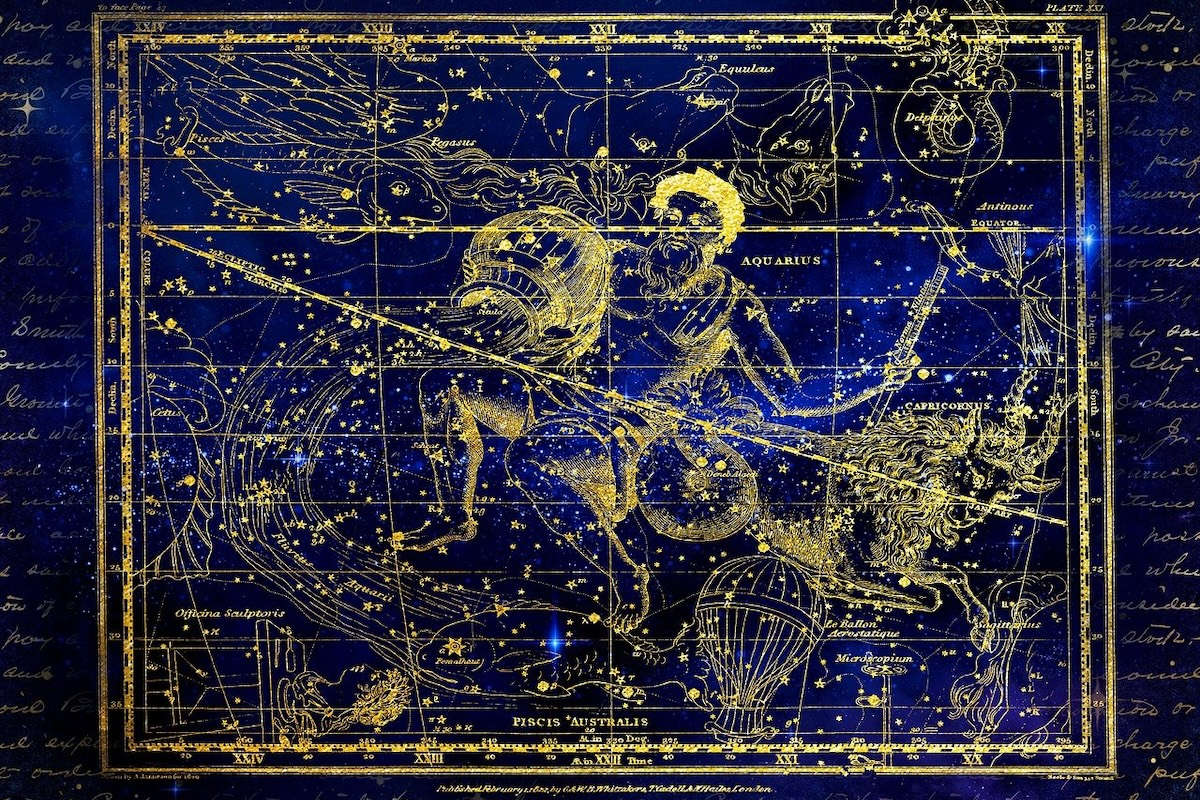
This month begins in Aquarius season, highlighting the power of individuality within the collective. However, a bold and powerful full moon in the opposite sign of Leo lights up the skies on Feb. 1, bringing everyone's authenticity and star power to the surface. It's time to take pride in who you are and let your confidence shine. Eccentric planet Uranus wraps up its retrograde two days later, making shockwaves of inspiration easier to access.
Wellness

OMG science
fromFuturism
1 month agoScientists Spot Two Planets That Collided, Resulting in Carnage That Will Send Prickles Through Your Scalp
Astronomers detected a planetary collision around star Gaia20ehk through unusual brightness fluctuations and infrared signatures consistent with massive debris and extreme heat from impact.


fromdesignboom | architecture & design magazine
1 month agomechanical clock with rotating discs can tell what time it is on other planets
Since every planet spins at a different speed, the gears are built with different ratios: Earth takes about 24 hours to spin once, Mars takes about 24.6 hours, Jupiter spins much faster, and Saturn spins fast too. Because of this, each dial shows the real day cycle of that planet, so the clock doesn't calculate time digitally.
Gadgets
fromBustle
2 months agoHere's Your Horoscope For Tuesday, February 3
Let go of what no longer serves you. A subtle vibe shift is underway as turbulent Uranus stations direct in steady Taurus, ending its five-month retrograde. The surge of new energy and activity may disrupt the comfort you've grown accustomed to. But unexpected detours are proving that life has a lot more to offer. Don't let what's good enough keep you from what could be great.
Mindfulness
fromTravel + Leisure
1 month agoMarch Has 9 Night Sky Wonders-Including the Last Total Lunar Eclipse Until 2028, Zodiacal Light, and a 'Planet Parade'
A rare planetary lineup from late February will continue into early March, with six planets-Mercury, Venus, Saturn, Jupiter, Uranus, and Neptune-appearing to trace the same path across the sky, known as the ecliptic. Because Mercury, Saturn, and Neptune set soon after sunset, you'll need to look shortly after twilight to see all six at once.
OMG science
fromBustle
2 months agoYour Horoscope For Saturday, January 24
The moon spends the day in fiery Aries, giving emotions a feisty and impulsive edge. Don't overthink it today - just do it - and if you need to get anything serious accomplished, doing so in the morning is your best bet. You may want to rein in your actions and reactions just a little during the afternoon, as a square-off with excess-loving Jupiter could exaggerate your intentions, for better or worse.
Mindfulness
fromTravel + Leisure
2 months agoFebruary Has 8 Night Sky Wonders-Including a 6-Planet Parade, a 'Ring of Fire' Eclipse and a Once-in-decades Moon Mission
Stargazers looking ahead to February's highlights should make some time to look up not only during the night, but also during the day. In addition to the first solar eclipse of the year and a "planet parade," there's also have a historic crewed mission around the moon and one of your best shots at spotting the usually washed-out Mercury. Southern hemisphere stargazers may be able to spot fireballs from a minor shower early in the month.
Science
Science
fromTravel + Leisure
2 months agoAstronomers Are Watching This New 'Great Comet' That Could Light Up the Night Sky This April-Here's How to See It
Comet C/2025 R3 (PanSTARRS) may be visible from mid-April through early May, possibly bright enough for binoculars or the naked eye under dark skies.
fromTravel + Leisure
2 months agoThese Are the Best Star Parties and Astronomy Festivals in the World for 2026-From Desert Valleys to Coastal Lagoons
There is a profound, quiet magic in standing alone under a truly dark sky, but the experience becomes something else entirely when shared with a community of fellow explorers. Star parties are the heartbeat of this experience: communal, high-energy gatherings where everyone from veteran astronomers to total beginners can share a wide-angle view of the cosmos. It's a chance to level up your astrophotography skills, learn the latest in deep-space science from experts,
Science
fromMail Online
1 month agoAliens could be CATAPULTED onto Earth via an asteroid, study claims
We found that life is more likely to survive an asteroid impact, so it's definitely still a real possibility that life on Earth could have come from Mars. Maybe we're Martians! The idea that life could have spread through the solar system or even the universe on rocks is known as the lithopanspermia hypothesis.
Science
fromWIRED
1 month agoHow to View the 'Blood Moon' Total Lunar Eclipse on March 3
The first major astronomical event visible in 2026 is a total lunar eclipse, or "blood moon." This phenomenon is highly prized by stargazers because the entire lunar disk takes on a reddish color for a few moments. The total lunar eclipse will occur on March 3. It will be clearly visible in North and Central America, while in Central and South Asia it will only be partially visible.
Science
[ Load more ]