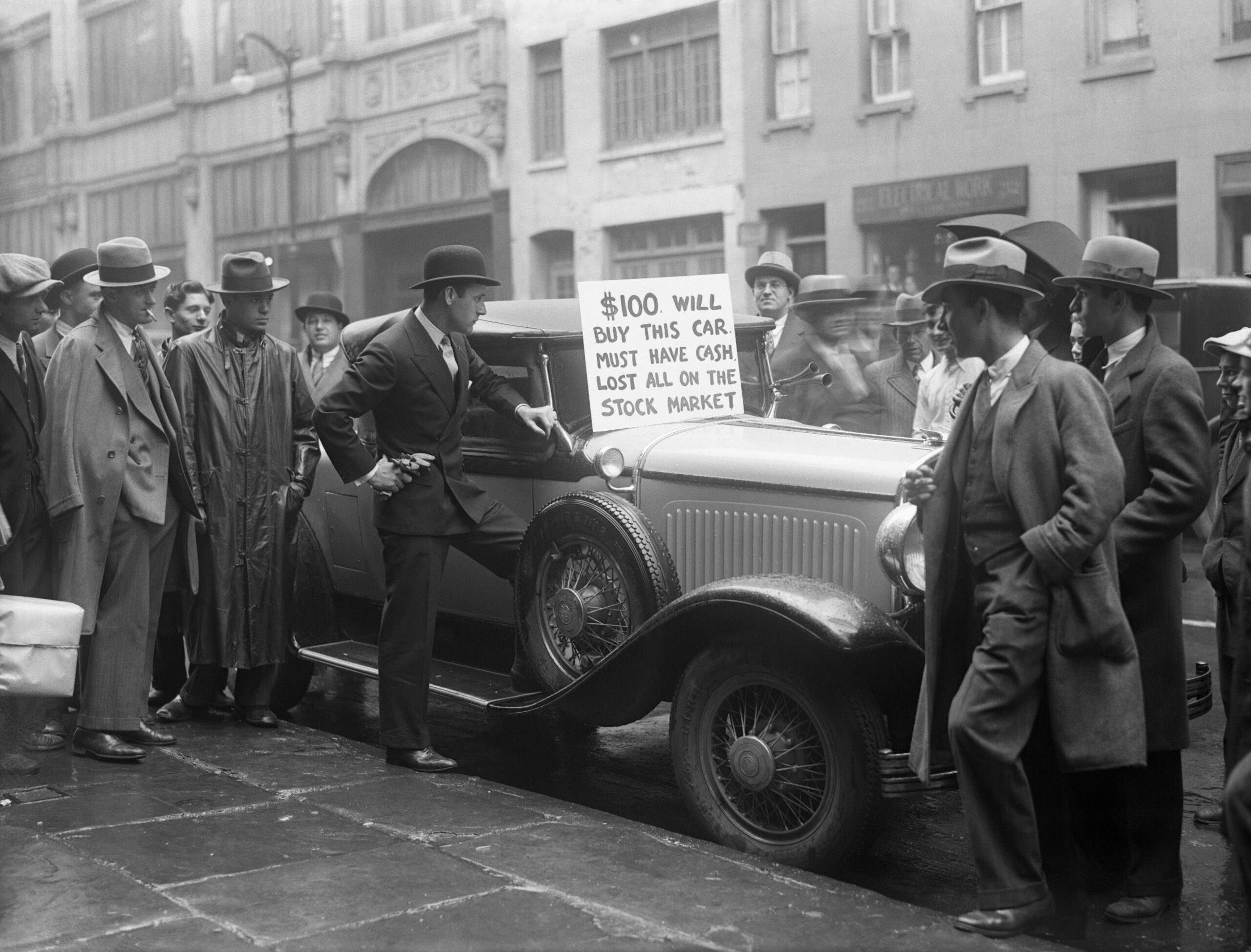
For many of those estimated 76 million Americans, their parents likely had memories of the Great Depression, which didn't end until the start of World War II. To say "times were tough" is an understatement, as nearly 25% of the working population was unemployed. Food costs were sky high, and families struggled to eat even a single meal a day. But sometimes with adversity comes invention, and one of the cheapest food items - mayonnaise - offered a much-needed boost.
When it comes to comfort food, few dishes deliver like a classic casserole - bubbling, cheesy, and filling enough to feed a crowd without breaking the bank. That's the idea behind poor man's casserole - an easy lasagna bake that blends egg noodles, ground beef, cream cheese, and tomato sauce that's topped with, you guessed it, cheese. It's hearty and endlessly flexible, and one of those meals that hits the spot every time.
Meatloaf. Mashed potatoes. Breakfast all day, every day. A cup of coffee that always seems to be full. These are the menu hallmarks of the American diner. Throw in a countertop with stools, booths with laminate countertops, and a lot of stainless steel, and the nostalgic vibe is complete. The first iterations of diners popped up in the mid-1800s, and have been a national staple ever since.
In 1937, Kraft boxed macaroni and cheese was born, marketed as an affordable meal option during the Great Depression. Each box cost nineteen cents.
Usonian houses are designed with features that integrate aesthetics and natural surroundings, emphasizing affordability with attributes like flat roofs, large windows, and open floor plans.