#global-oil-markets
#global-oil-markets
[ follow ]
#strait-of-hormuz
World news
fromLondon Business News | Londonlovesbusiness.com
2 months agoIran will 'set oil tankers on fire' threatening ships delivering fuel supplies to the UK - London Business News | Londonlovesbusiness.com
Disruption to the Strait of Hormuz threatens global energy supplies and could significantly increase UK fuel prices through interconnected international energy markets.
World news
fromwww.aljazeera.com
2 months agoAsia's stock markets dive after attacks on energy facilities in Qatar, Iran
Attacks on Middle Eastern energy infrastructure by Israel and Iran trigger sharp stock market declines across Asia and the US, with oil prices surging above $112 per barrel amid supply concerns.
#us-iran-conflict
World politics
fromwww.theguardian.com
2 months agoTrump is being schooled on the limits of US power but he is a slow learner | Rafael Behr
Trump's military action against Iran revealed US strategic limitations rather than demonstrating superiority, as Iran's geographic leverage over global oil trade remains intact and economically damaging to America.
World politics
fromwww.theguardian.com
2 months agoThe Guardian view on Trump's war with Iran: if the US is winning, why ask Nato for help? | Editorial
Trump's military dominance over Iran proves insufficient without allied support, as Iran's strategy of widening conflict and disrupting global oil trade through the Strait of Hormuz strains Western alliances and transforms military advantage into political vulnerability.
fromLGBTQ Nation
2 months agoPete Buttigieg slams Trump for callous & chaotic attitude toward war: "This is clearly amateur hour" - LGBTQ Nation
Went off and launched a war without planning, without being ready for even some of the most basic things. This is clearly amateur hour at the Pentagon and in the White House, and again the price is being paid by all of us.
US politics
Europe news
fromLondon Business News | Londonlovesbusiness.com
2 months agoTrump warns UK may no longer be America's 'number one ally' - London Business News | Londonlovesbusiness.com
Trump warns Britain may lose status as US 'number one ally' and threatens NATO consequences if allies don't jointly secure the Strait of Hormuz for global oil supplies.
fromLondon Business News | Londonlovesbusiness.com
2 months agoFuel prices reach 18-month high as 'profiteering is widespread' across many petrol stations - London Business News | Londonlovesbusiness.com
Households, especially those that rely on their cars, are increasingly burdened as a result of the conflict in the Gulf. Drivers deserve—and should expect—to be treated fairly, particularly as pump prices continue to climb.
UK news
fromwww.aljazeera.com
2 months agoIEA proposes release of 400m barrels of oil from strategic reserves
The oil market challenges we are facing are unprecedented in scale, therefore I am very glad that IEA Member countries have responded with an emergency collective action of unprecedented size. Oil markets are global so the response to major disruptions needs to be global too.
Europe news
fromwww.npr.org
2 months agoUS attacks Iranian mine-laying vessels near Hormuz on Day 12 of war
If Iran has put out any mines in the Hormuz Strait, and we have no reports of them doing so, we want them removed, IMMEDIATELY! If for any reason mines were placed, and they are not removed forthwith, the Military consequences to Iran will be at a level never seen before.
World politics
fromCalifornia Post
2 months agoCalifornia gas prices soar above $5 a gallon - as drivers at one LA pump face frightening new reality
The average price of a regular gallon of gas hit $5.07 statewide - 17 cents more than Friday and 43 cents more than the week before, according to American Automobile Association. Prices in the Golden State remain well above the US average of $3.41 a gallon, marking a 9-cent jump nationally from Friday to Saturday.
California
Russo-Ukrainian War
fromwww.theguardian.com
2 months agoMiddle East conflict offers economic lifeline to Russia's flagging war machine
Middle East energy disruption could economically benefit Russia's war effort by increasing global demand for Russian oil and potentially reducing Western arms supplies to Ukraine.
fromIrish Independent
5 months agoUS seizes sanctioned oil tanker off coast of Venezuela, Trump says
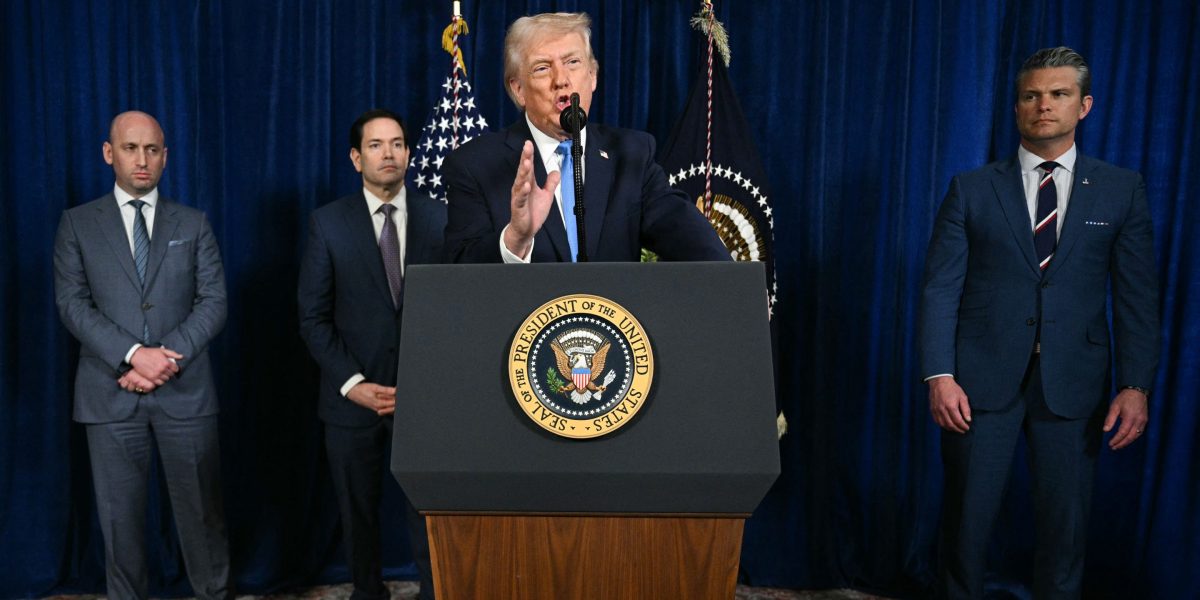
"We've just seized a tanker on the coast of Venezuela, large tanker, very large, largest one ever, actually, and other things are happening," said Trump, who has been pressuring Venezuelan President Nicolas Maduro to step down. Asked what would happen with the oil, Trump said: "We keep it, I guess." In response, the Venezuelan government in a statement accused the U.S. of "blatant theft" and described the seizure as "an act of international piracy". It said it would denounce the incident before international bodies.
World news
[ Load more ]