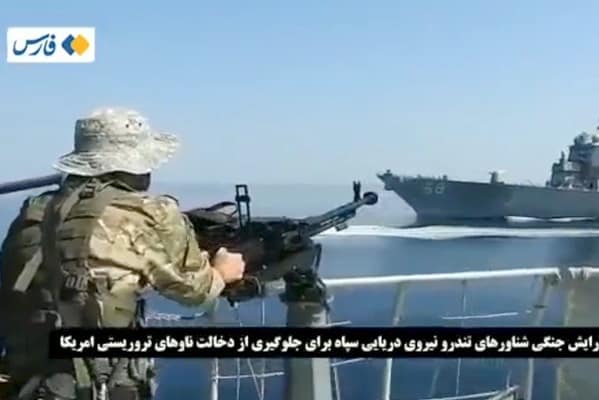
The Strait of Hormuz is a critical global oil transit route handling approximately 20% of worldwide oil trade. Disruption from conflict, sanctions, or military action could cause international energy prices to surge and delay tanker movements. Although the UK imports less Middle Eastern petrol directly than previously, it remains vulnerable to global price fluctuations due to interconnected energy markets. Recent missile strikes by Israel and the United States on Iranian targets, along with Tehran's retaliatory threats, have already driven crude oil prices to approximately $81.40 per barrel. UK fuel prices have consequently risen, with petrol at 133.4p per litre and diesel at 143.2p per litre. Naval forces, including the Royal Navy, monitor maritime security in the region. Experts warn that further escalation could push prices higher if Iran attempts to close the strait or target oil tankers.
"The Strait of Hormuz is one of the world's most crucial oil transit routes, as large volumes of crude oil and refined petroleum products pass through it from producers like Iran and other Gulf states. If shipping were blocked due to conflict, sanctions, or military action, international energy prices could soar, and tanker movements could be delayed."
"Although the UK now imports much less petrol directly from the Middle East than in previous decades, it remains vulnerable to global price fluctuations because energy markets are highly interconnected. Energy market analysts have warned that UK motorists could face further increases in petrol and diesel prices in the coming days and weeks if tensions in the Middle East escalate."
"The Strait of Hormuz is responsible for transporting roughly 20% of the global oil trade. Experts fear that this upward trend may continue if regional conflicts escalate, especially if Iran attempts to close the Strait of Hormuz or target oil tankers passing through it."
Read at London Business News | Londonlovesbusiness.com
Unable to calculate read time
Collection
[
|
...
]