#floods
#floods
[ follow ]
#climate-change #natural-disasters #pakistan #landslides #disaster-response #emergency-response #monsoon #texas



fromState of the Planet
4 months agoYear in Review: Our Top Stories of 2025
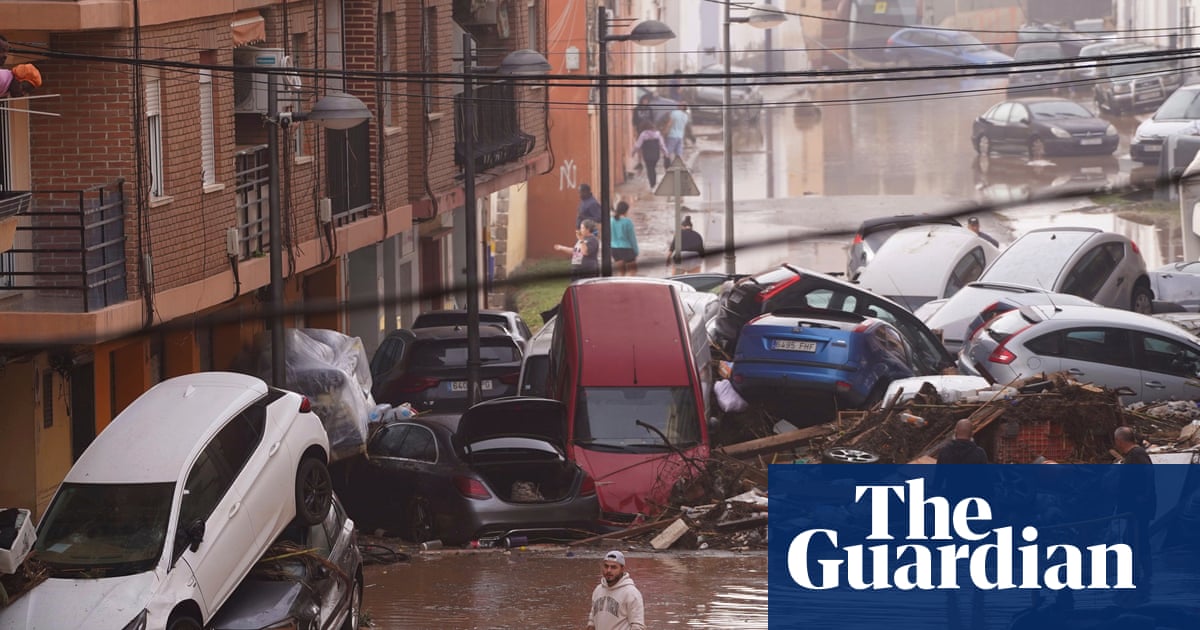
2025 was another historic year-making headlines for disastrous wildfires in Los Angeles, catastrophic floods in Texas, and deadly heatwaves in Europe and Asia. But it was also a year of collaboration-with researchers, scientists, policymakers, students and others coming together to share ideas and plans to address the effects of climate change, during Climate Week NYC and COP30, among other initiatives.
Environment


fromwww.aljazeera.com
5 months agoMore heavy rain slows Sri Lanka's recovery after deadly cyclone
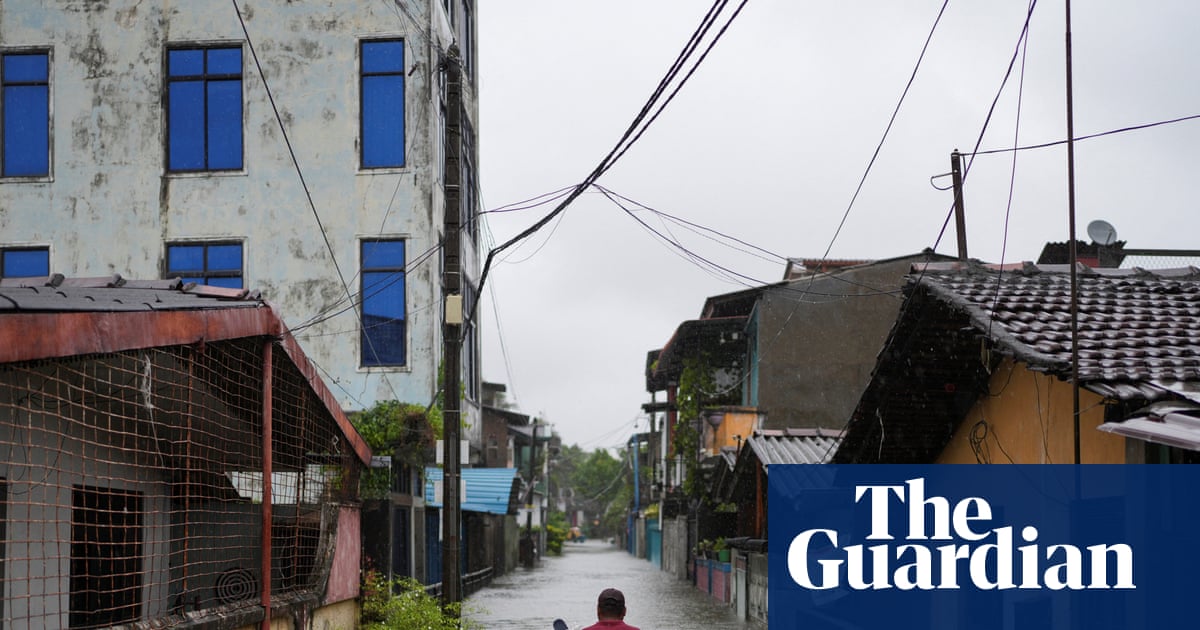
Intense rainfall in Sri Lanka has complicated recovery efforts in the wake of a powerful cyclone last week that killed hundreds and left tens of thousands displaced, according to officials. Over 130 mms (5.1 inches) of rain poured down in southern Sri Lanka over 15 hours on Thursday, said local authorities, with more heavy downpours expected across southern and south-western areas Friday. The continuing deluge has made clean-up and reconstruction operations difficult after Cyclone Ditwah triggering the worst floods in a decade
World news
fromwww.aljazeera.com
5 months agoSurvivors recall terror of landslides from North Sumatra cyclone
My mother-in-law said it was just thunder. I said, No, the house is shaking.' Not long after, boulders came crashing down, she recalled. My younger sibling was staying over. When the landslide happened, I kicked him to wake him up. If we had all been sleeping, we would have died in that house. Grabbing her daughter, Eleanor, Sri fled to the nearby church. From the hilltop, they watched in horror as another landslide completely destroyed their home.
World news

fromwww.aljazeera.com
5 months agoAt least 10 people killed in Indonesia floods, landslides
The National Police said on Wednesday that rescue teams were struggling to reach isolated communities as damaged roads, unstable slopes and persistent downpours continue to slow operations. Authorities said five bodies and three injured survivors were recovered in the coastal city of Sibolga, the area hit hardest by the flooding. Search teams are looking for four missing residents as damage assessments continue.
World news
Public health
fromwww.aljazeera.com
7 months agoPakistan floods spark cholera fears amid other rising health risks
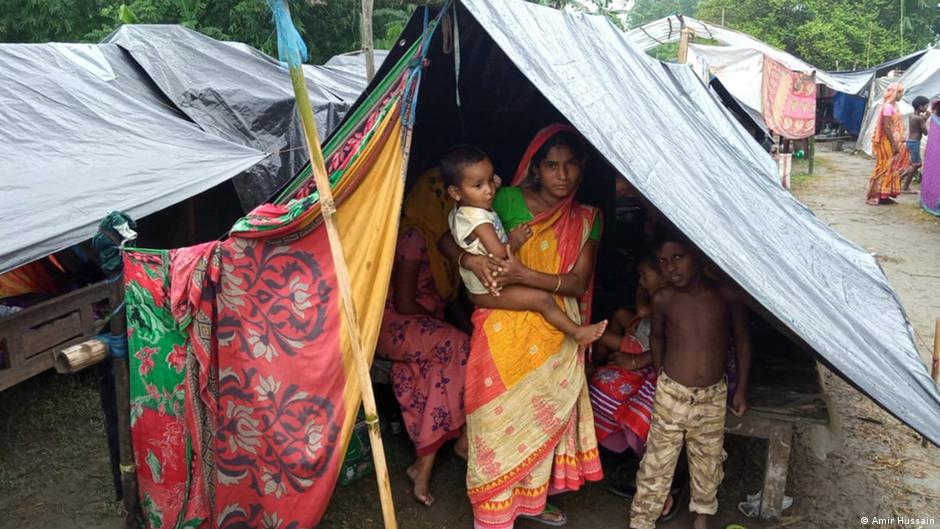
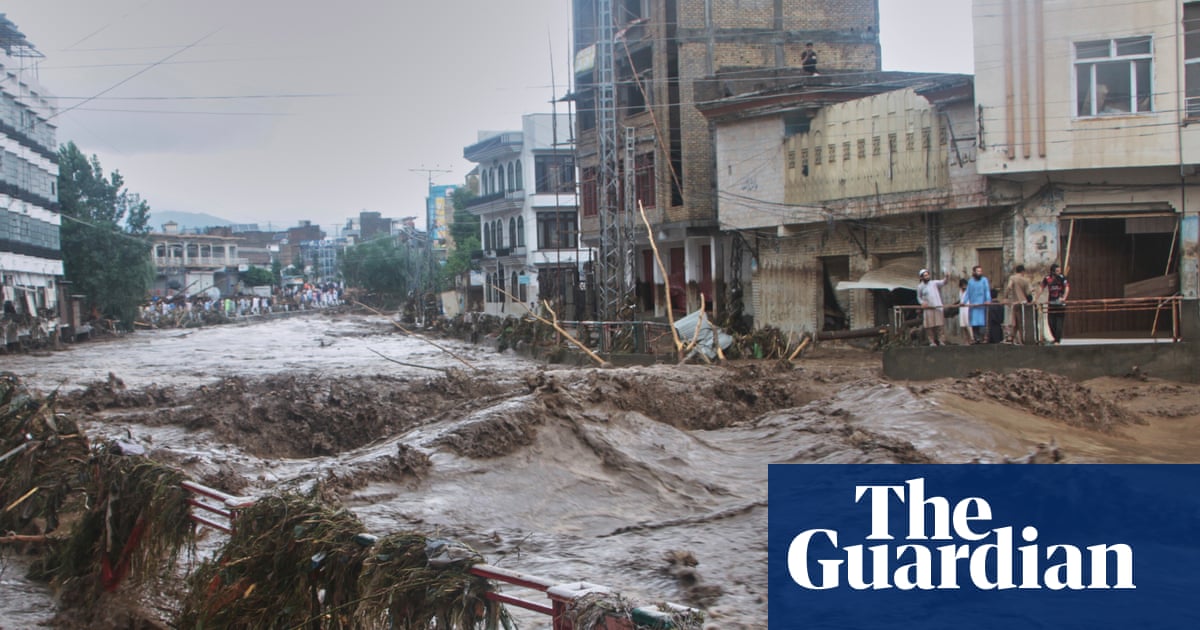
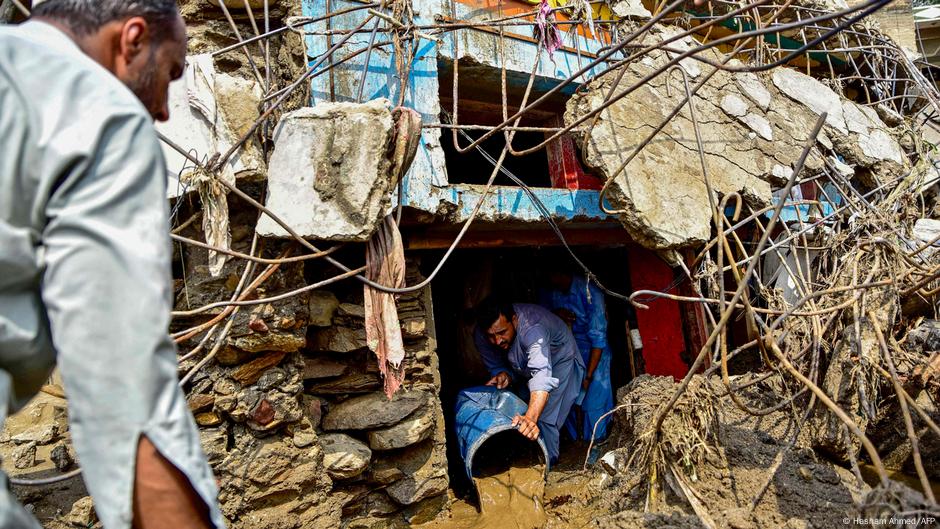
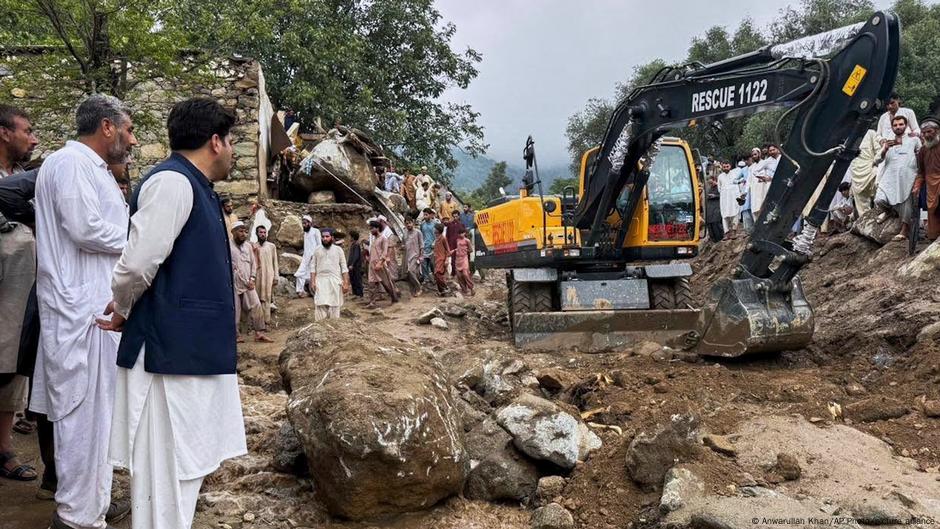
Cholera risk is rising in Pakistan because catastrophic floods, displacement, and contaminated water strain sanitation and healthcare, demanding immediate clean water and hygiene interventions.
fromwww.aljazeera.com
7 months agoRestart from scratch': Flood-hit Indian farmers look at swelling losses
He saved a portion of that and used it to sow 3 acres (1.2 hectares) of paddy. He placed his bet on the high-yielding pearl variety of aromatic Basmati rice. A good sale would have given him an earning of nearly 1 million rupees per acre ($11,400 per 0.4 hectares). But now, Singh's pearl paddy grains lie submerged in floodwater, buried under layers of soil and sediment.
Agriculture







#nigeria
World news
fromwww.aljazeera.com
11 months agoNigeria flash floods: Which is most affected area, what caused the deluge?
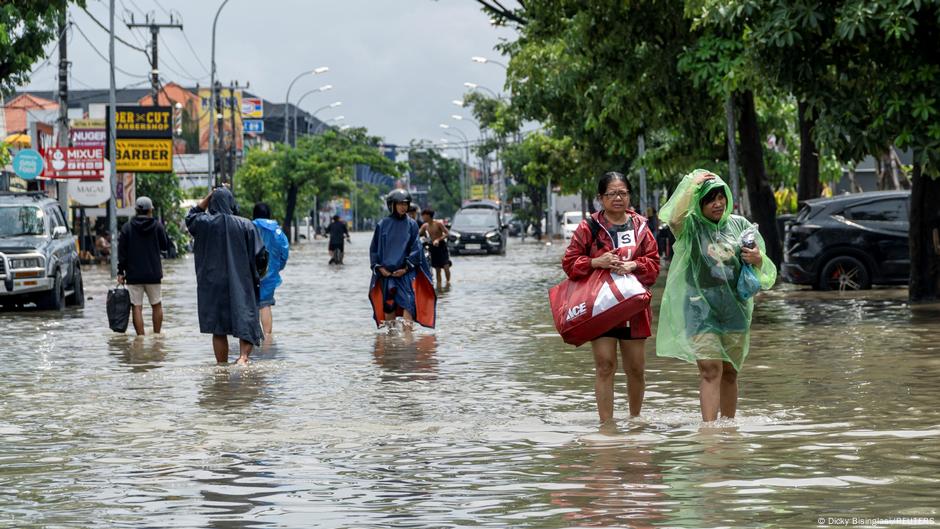
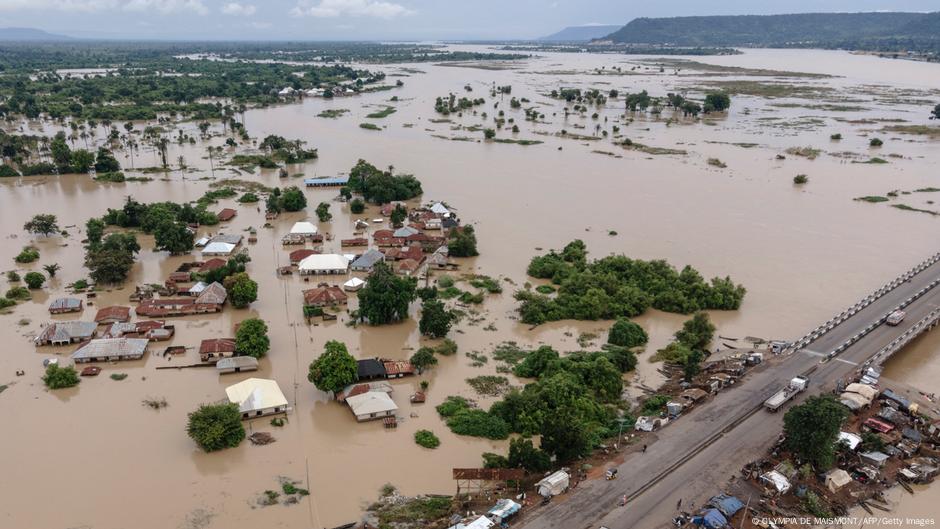
Flash floods in Mokwa, Niger State have killed over 150 people and displaced thousands since Thursday.
Search and rescue operations continue amid significant structural damage and a rising death toll.
[ Load more ]