#drug-cartels
#drug-cartels
[ follow ]


fromwww.theguardian.com
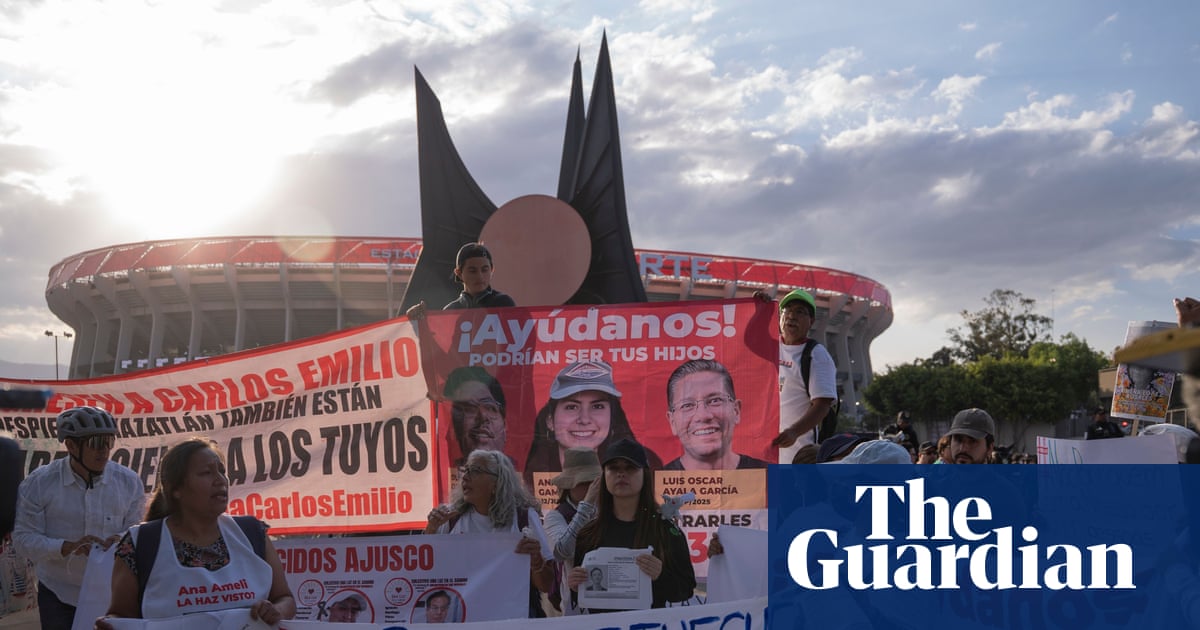
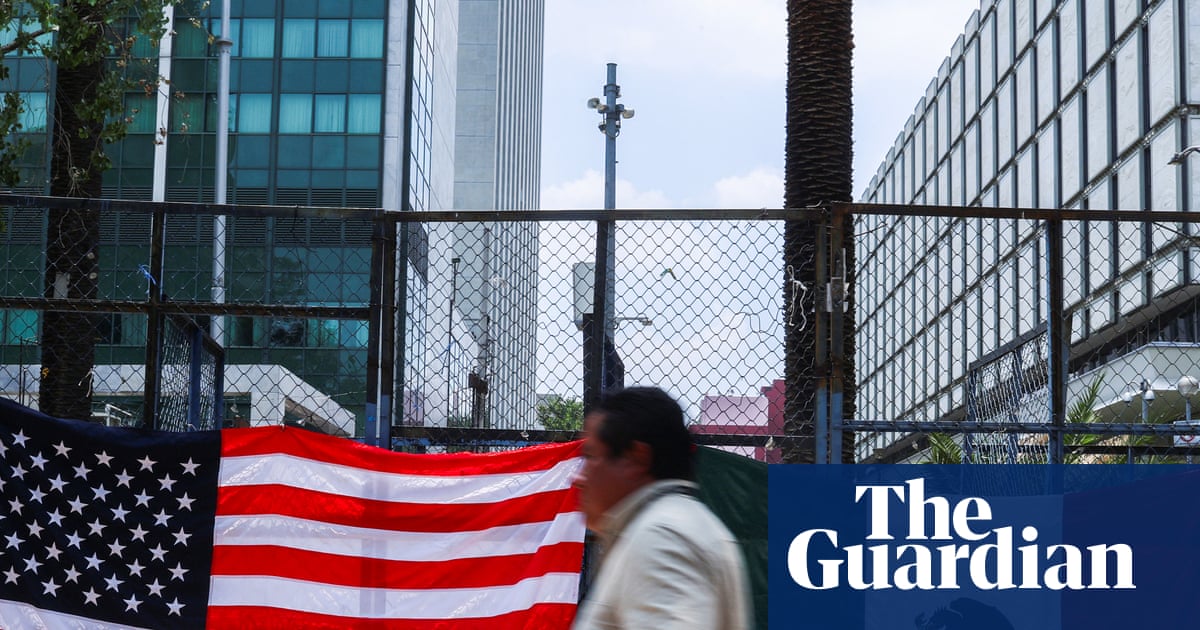
3 weeks agoUS and Mexican officials assigned to cartel case killed in car accident
This tragedy is a solemn reminder of the risks faced by those Mexican and US officials who are dedicated to protecting our communities, the US ambassador to Mexico, Ronald Johnson, wrote on X.
US news



#us-mexico-relations


World politics
fromwww.theguardian.com
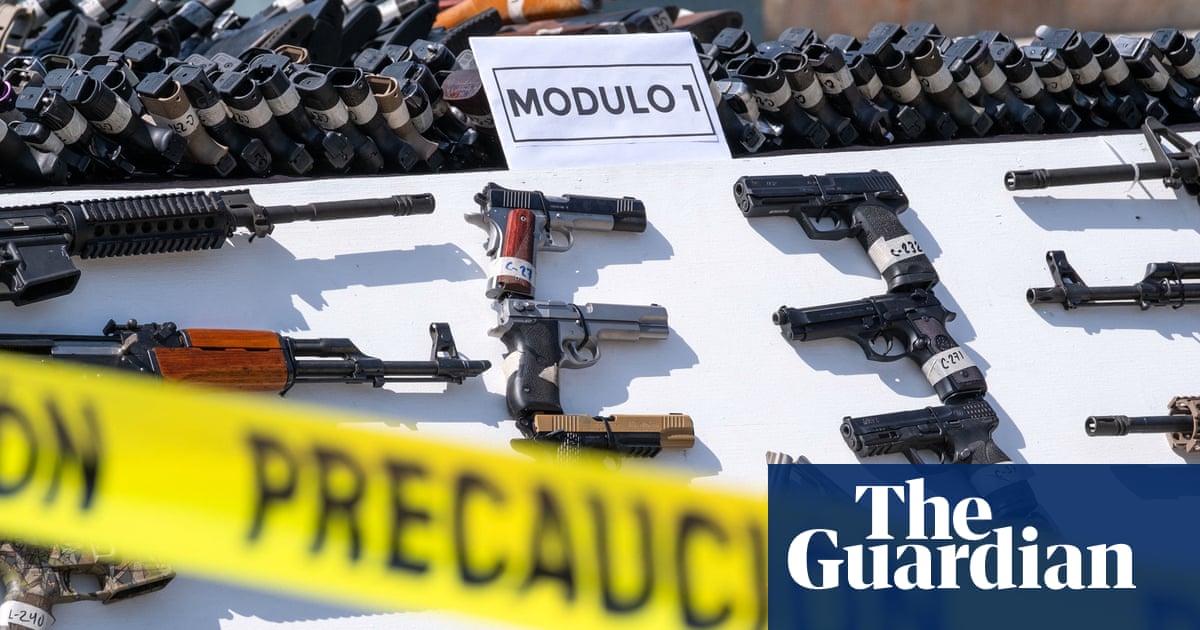
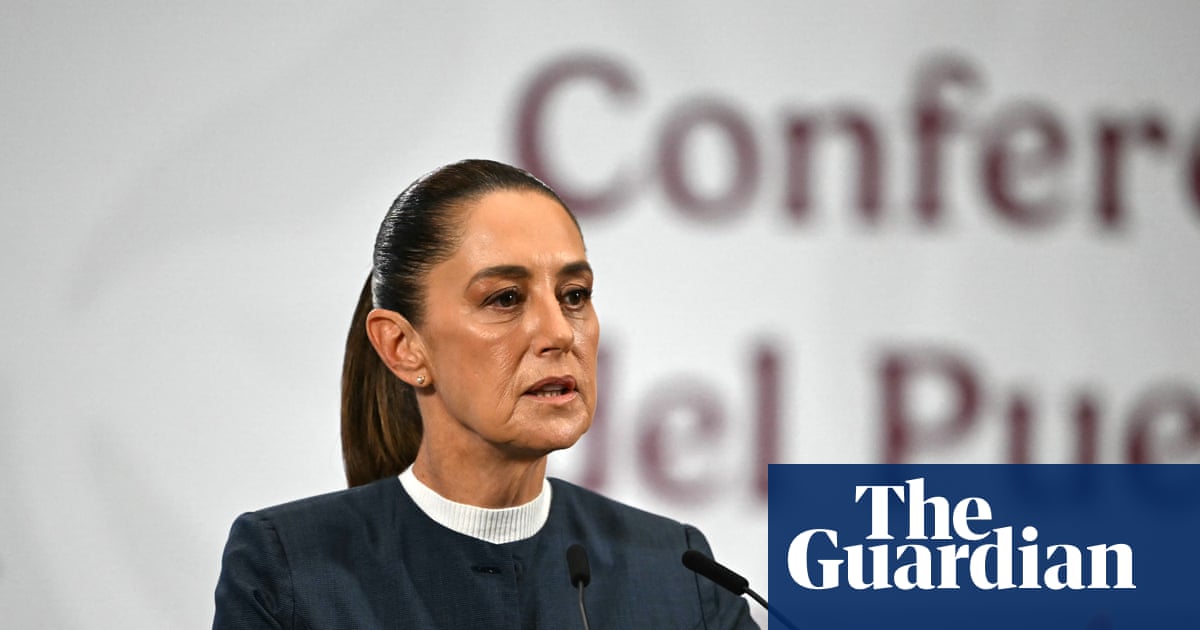
2 months agoMajority of Mexican cartels' guns come from US, Sheinbaum says in response to Trump claims
Mexico's president calls for US action on gun trafficking, noting 75% of cartel weapons originate from the United States, as Trump proposes military intervention against cartels.
World politics
fromFortune
2 months agoTrump calls on regional leaders at 'Shield of the Americas' summit to use their militaries against drug cartels | Fortune
Trump urged Latin American leaders to use military force against drug cartels and transnational gangs, comparing the effort to the U.S.-led coalition against ISIS in the Middle East.
fromwww.aljazeera.com
2 months agoTrump administration doubles down on military action in Latin America
We are not going to cede an inch of territory in this hemisphere to our enemies or adversaries. The US was using hard power, military power, lethal force, to protect and defend the American homeland. Miller further maintained there is no criminal justice solution to drug cartels, which he likened to armed groups like al-Qaeda and ISIL (ISIS).
US politics
fromwww.aljazeera.com
3 months agoMexico sends 37 more drug cartel suspects to US amid Trump attack threats
Mexico has sent another 37 alleged members of Mexican criminal organisations to the United States, the country's security minister said, amid US President Donald Trump's threat of ground attacks against drug cartels in the region. The handover of alleged drug cartel members on Tuesday is the third major transfer to the US in the past year and brings the total number of suspects transferred to 92.
World news
fromwww.aljazeera.com
3 months agoUS air authority warns of military activities' over Mexico, South America
The United States Federal Aviation Administration (FAA) has issued notices to airlines, urging them to exercise caution over Mexico and other Central American countries, as well as Ecuador and Colombia, due to military activities. On Friday, the FAA released a series of advisories that come amid an ongoing US military buildup in the Latin America region, including US military attacks on Venezuela, and US President Donald Trump's warning to Cuba and threats of strikes against drug cartels in Mexico and Colombia,
World news

fromwww.twincities.com
4 months agoA timeline of the US military's buildup near Venezuela and attacks on alleged drug boats
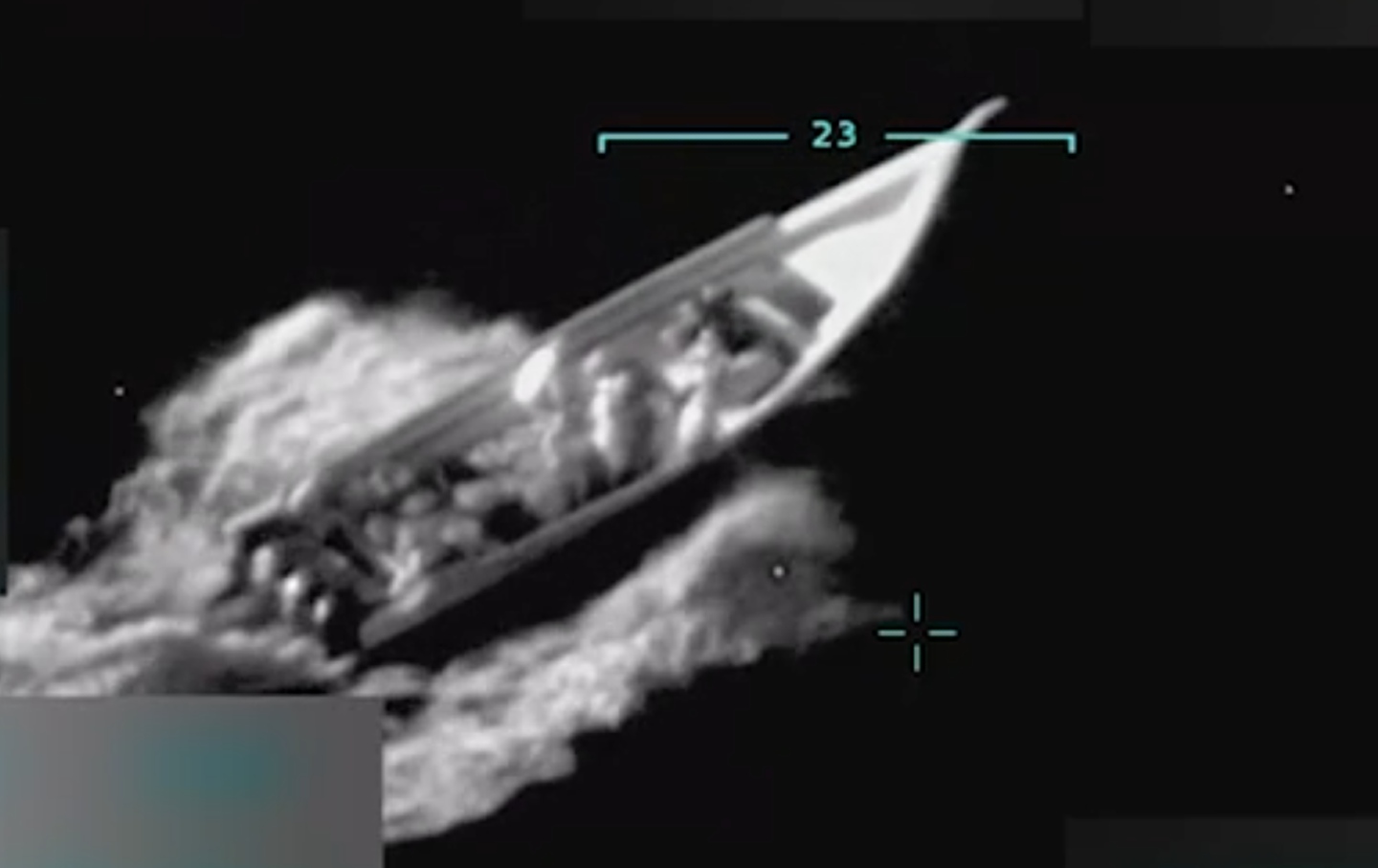
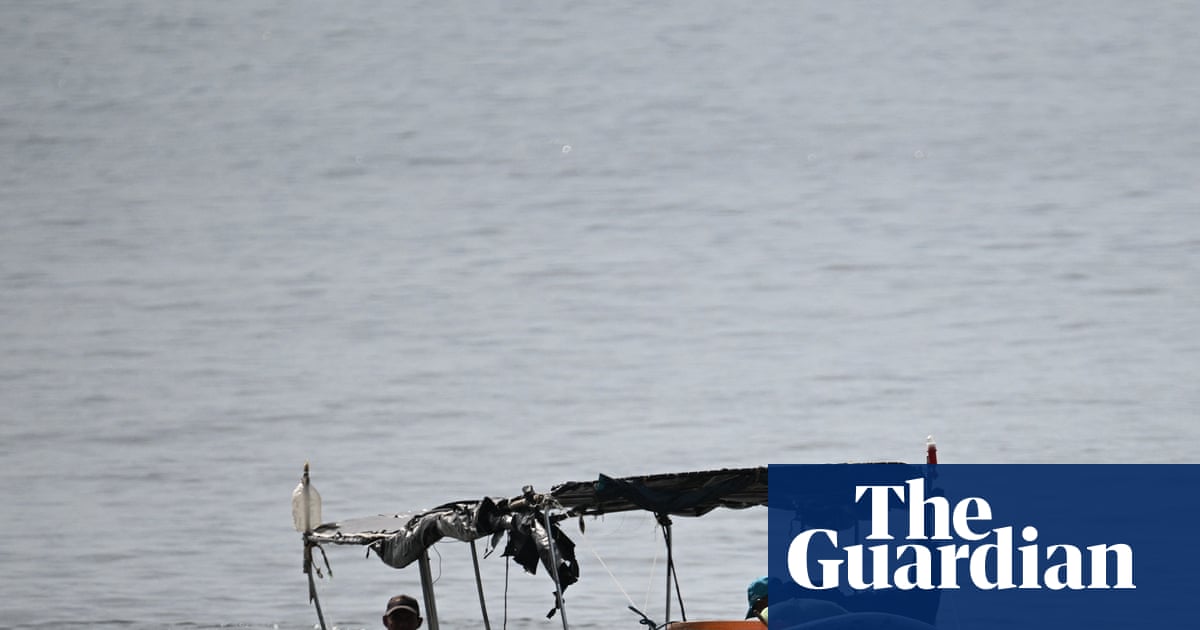
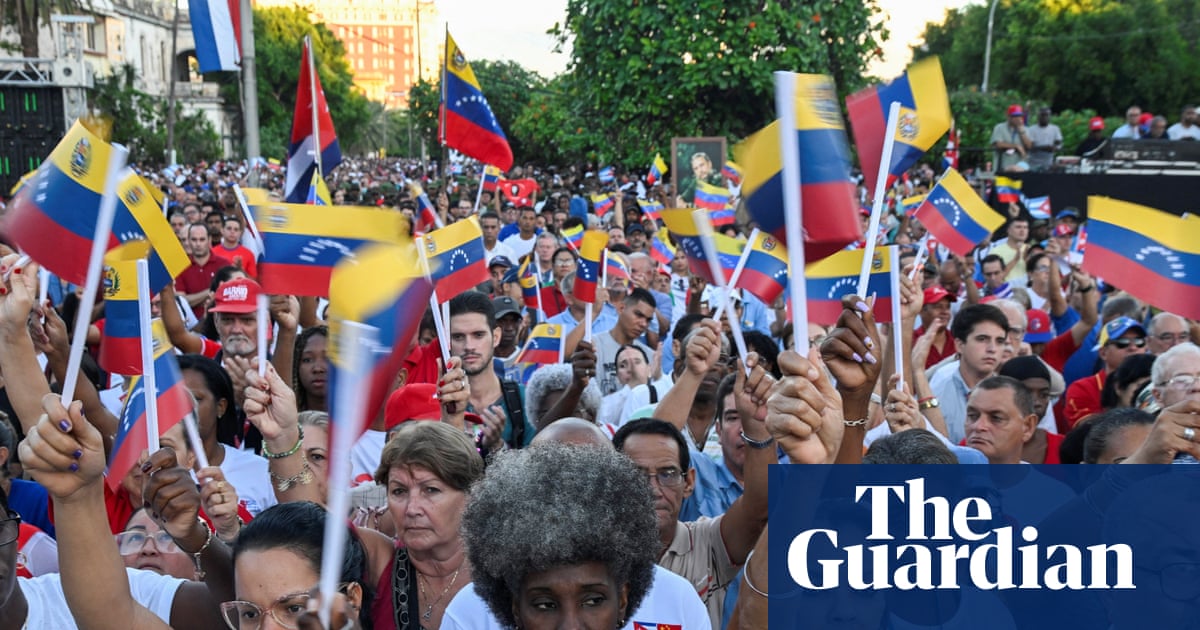
President Donald Trump had long threatened that he could order military strikes on targets on Venezuelan territory after months of attacks on boats accused of carrying drugs from the South American country. President Nicolas Maduro of Venezuela said the U.S. military operations were a thinly veiled effort to oust him from power. On Saturday, the U.S. conducted a large-scale strike against Venezuela.
US politics

fromenglish.elpais.com
5 months agoCartels in Mexico take a leap forward with narco-drones: It is criminal groups that are leading the innovation race'
Security specialists in Europe, the United States, and Mexico have detected that cartels have infiltrated their members into the Ukrainian frontlines, where they have received training to pilot remotely controlled drones, readily available in any store and capable of being adapted as kamikaze projectiles. In this way, drug cartels are incorporating low-cost combat strategies which have proven to be a turning point in Kyiv's resistance against Moscow into their arsenal.
World news


US politics
fromABC7 Los Angeles
5 months agoHegseth defends strikes on alleged cartel boats, says Trump can order use of force 'as he sees fit'
Defense Secretary Pete Hegseth defended U.S. strikes on alleged cartel boats as justified self-defense and affirmed presidential authority for decisive military action.


US politics
fromwww.mediaite.com
5 months agoCNN Anchor Throws Down With Tom Cotton Over Legality of Trump's Boat Strikes: When Will You Vote?'
Sen. Tom Cotton defended presidential authority to attack alleged Venezuelan drug-smuggling boats, citing commander-in-chief powers and terrorist-designation laws.
fromwww.theguardian.com
5 months agoUS justice department memo about boat strikes diverges from Trump narrative
The legal analysis rests on a premise for which there is no immediate public evidence that the cartels are waging armed violence against the security forces of allies like Mexico, and that the violence is financed by cocaine shipments. As a result, according to the legal analysis, the strikes are targeting the cocaine, and the deaths of anyone on board should be treated as an enemy casualty or collateral damage if any civilians are killed, rather than murder.
US politics
fromAxios
6 months agoMost oppose Trump's military strikes against alleged drug boats: poll
By the numbers: 29% of Americans said they supported the military killings without the involvement of a judge or court. A majority (51%) said they were opposed. The rest were unsure. Approval was split among party lines: 58% of Republicans and 8% of Democrats said they supported the approach. The big picture: The Trump administration has killed at least 80 people in 20 drone strikes since early September. The president is reportedly considering expanding the strikes to land targets, the Washington Post reports.
World news
fromwww.npr.org
6 months agoMexican mayor killed during Day of the Dead celebrations in Michoacan
The mayor of the Uruapan municipality, Carlos Alberto Manzo Rodriguez, was gunned down Saturday night in the town's historic center. He was rushed to a hospital, where he later died, according to state prosecutor Carlos Torres Pina. A city council member and a bodyguard were also injured in the attack. The attacker was killed at the scene, Federal Security Secretary Omar Garcia Harfuch told journalists Sunday.
World news
fromwww.dw.com
6 months agoConflict in the Caribbean: How far will Trump go? DW 11/01/2025
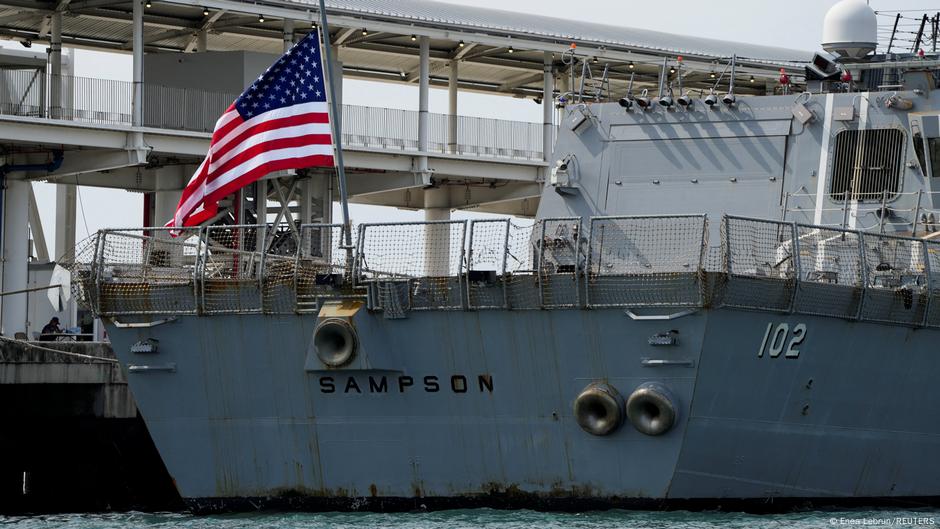
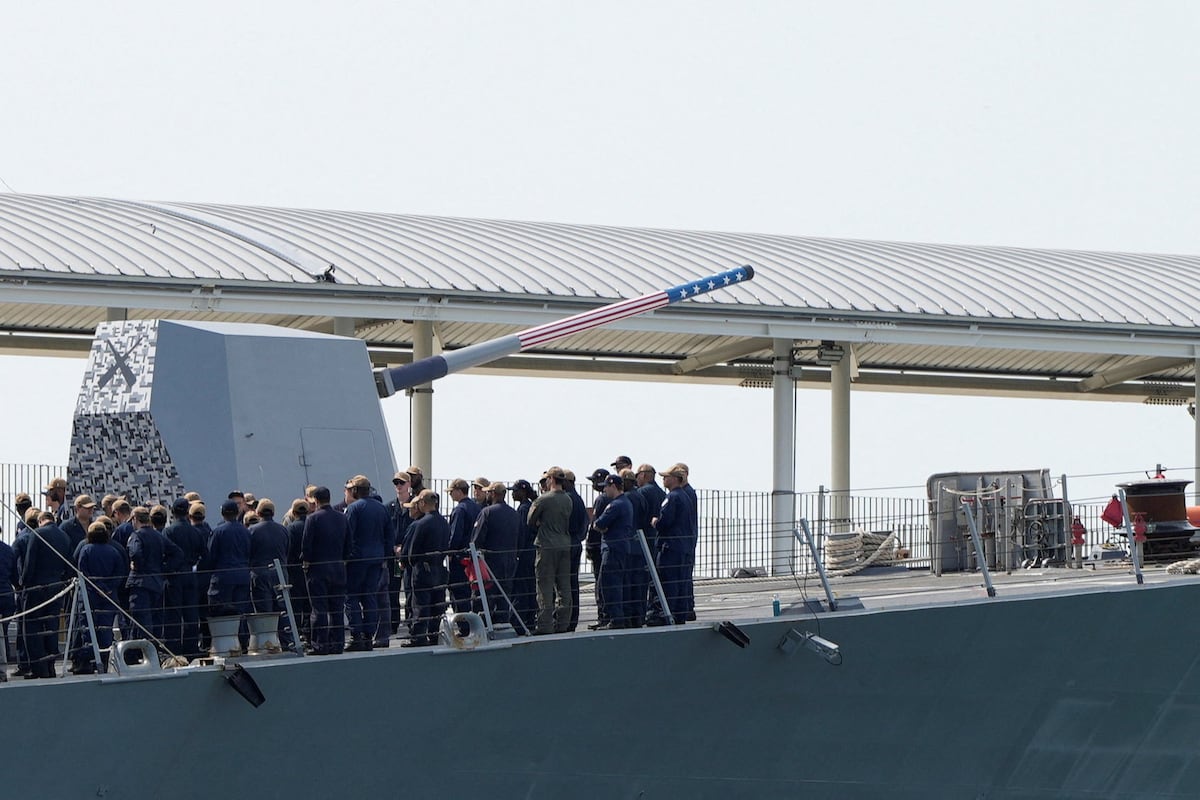
The aircraft carrier USS Gerald R. Ford is the most expensive warship in the world. It is more than 330 meters long, and cost $13 billion (11 billion) to build. The colossal ship and its escort vessels are currently bound for the Caribbean at the behest of US President Donald Trump. It has dozens of fighter jets and helicopters on board, and will provide support for the US ships and units already stationed in the region.
US politics


fromwww.aljazeera.com
7 months agoUS Senate fails to curb Trump's power to strike drug cartels
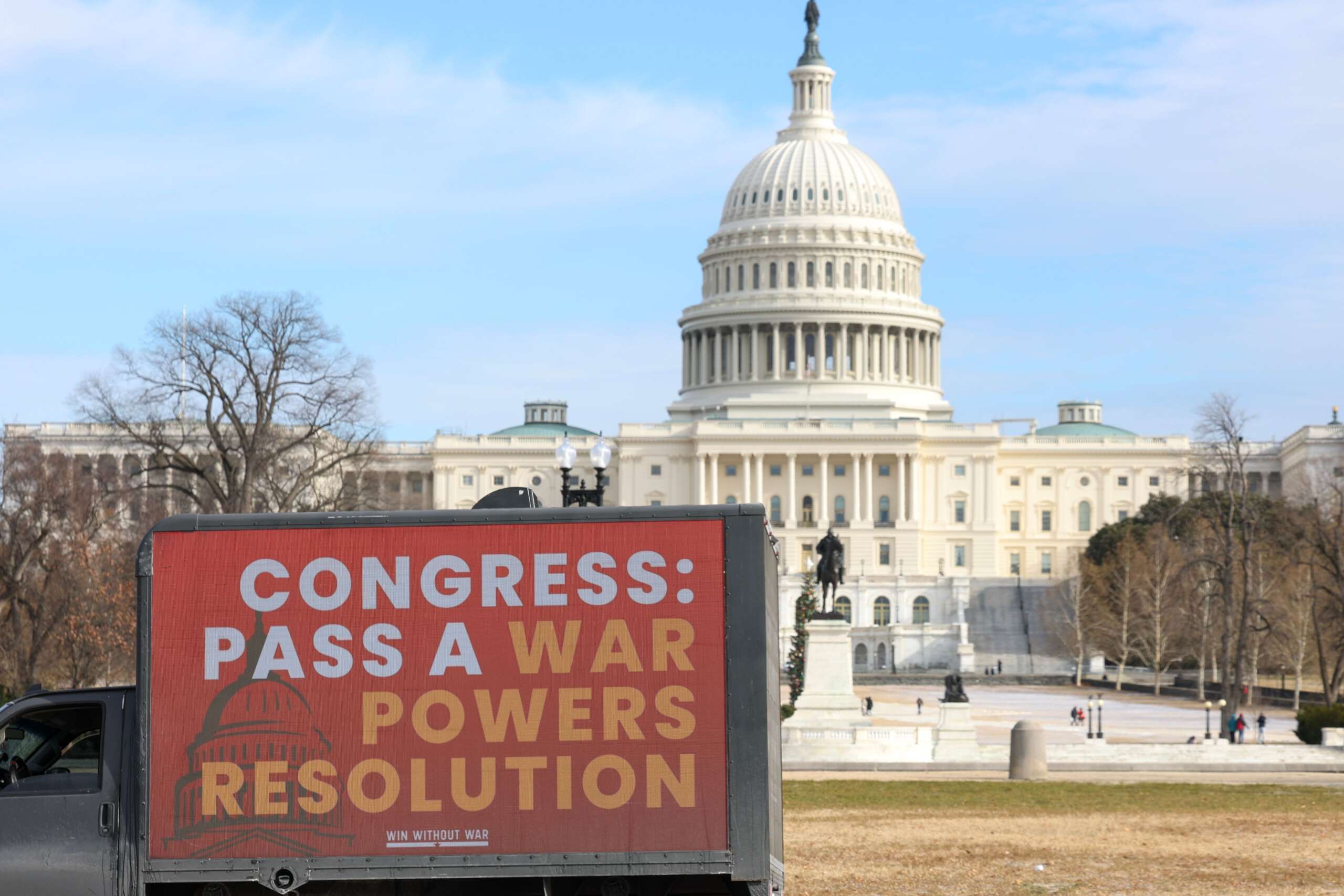
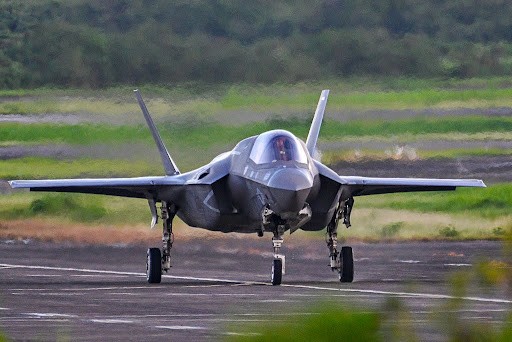
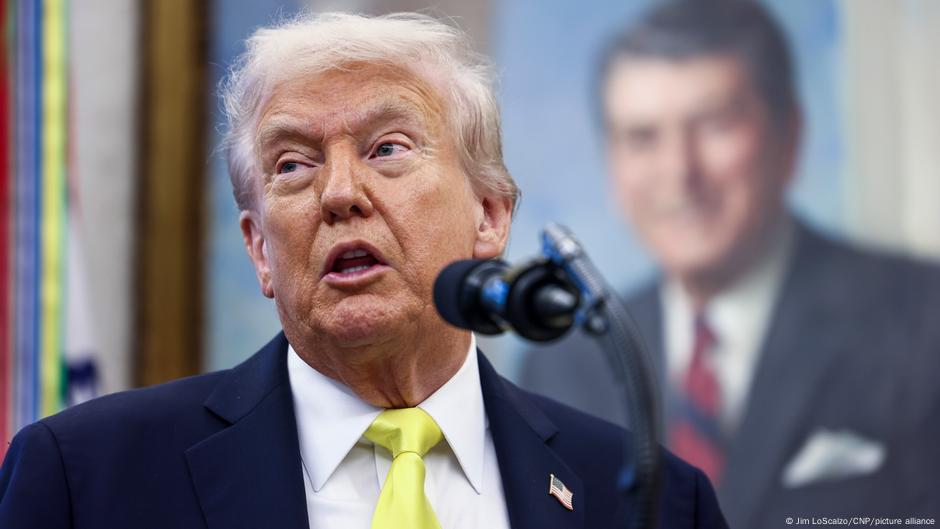
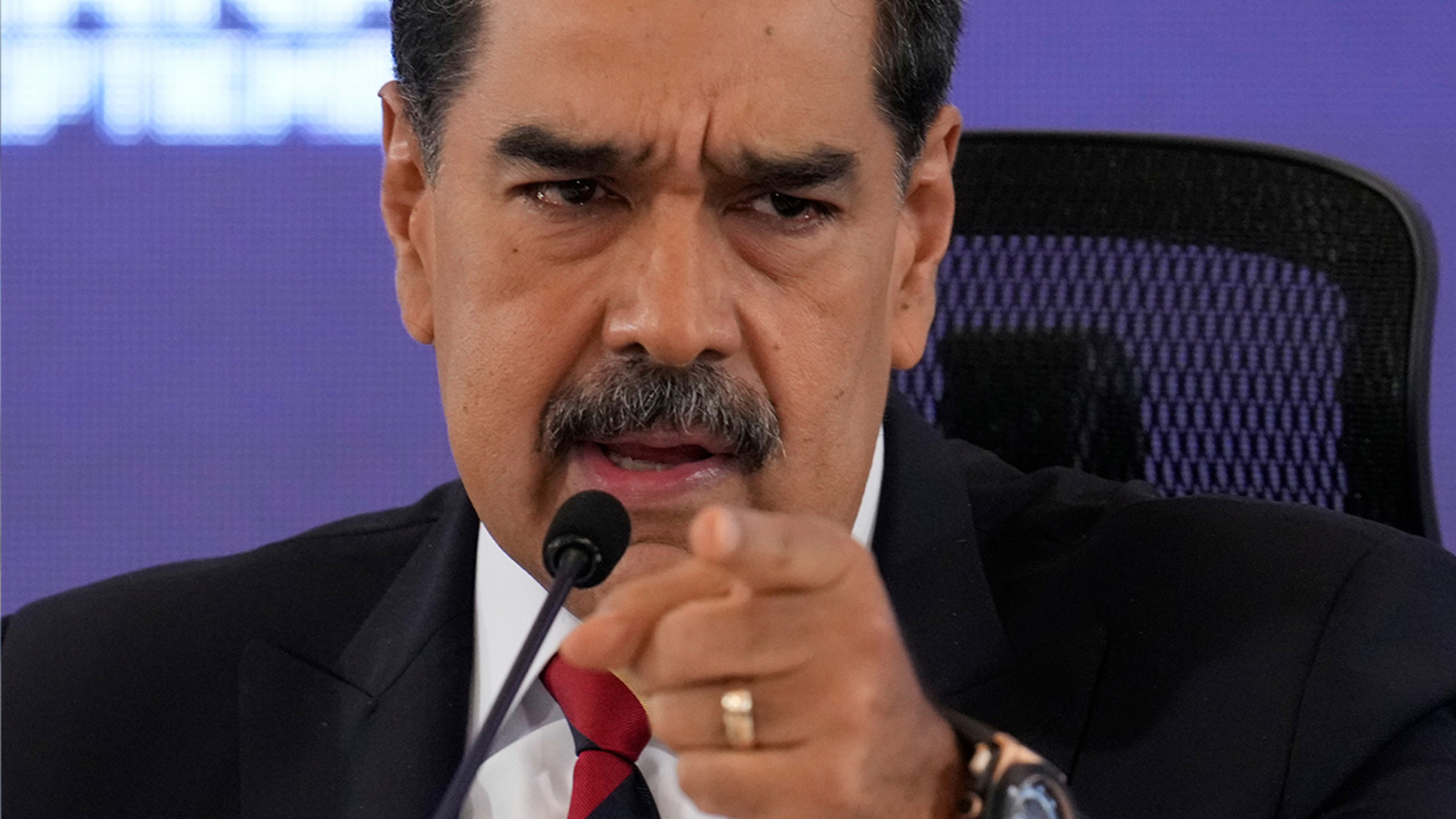
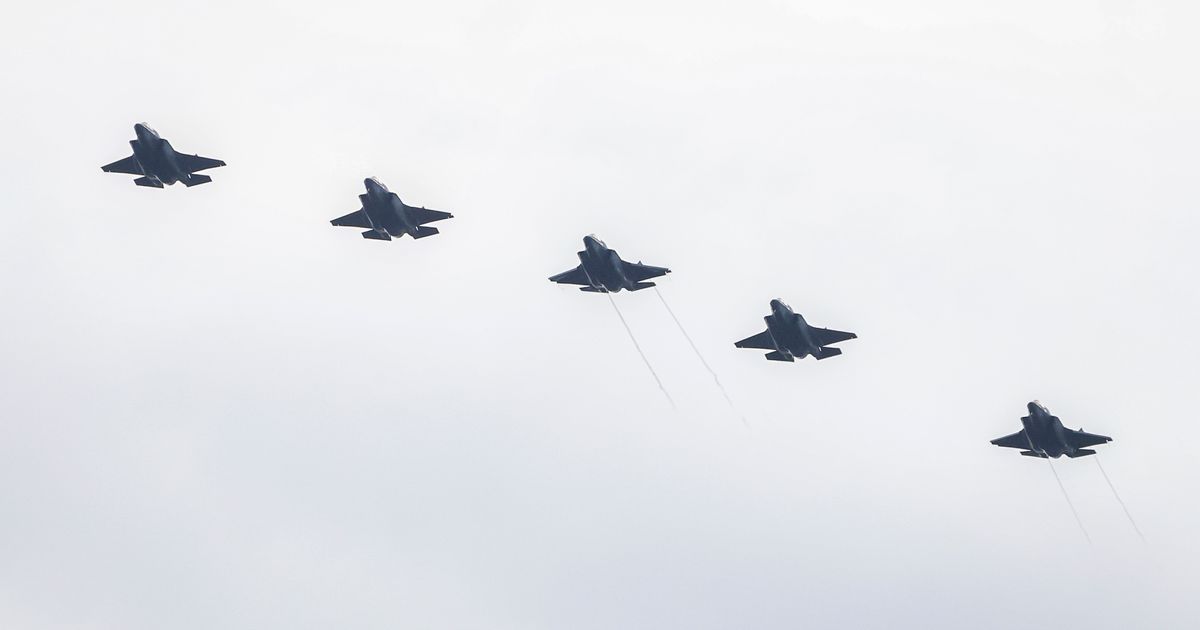
Senate Republicans have voted down a bill that would have curtailed President Donald Trump's use of force against drug cartels after he authorised strikes on boats suspected of engaging in drug trafficking off the coast of Venezuela. The bill from Democratic Senators Adam Schiff of California and Tim Kaine of Virginia had called for the United States military to withdraw from hostilities that had not been authorized by Congress.
US politics


US politics
fromwww.theguardian.com
7 months agoTrump's bullying of Latin America isn't part of any plan he doesn't have a clue what he's doing | Simon Tisdall
The US is preparing military action and covert operations against Venezuela and regional drug networks despite prior pledges to avoid overseas interventions.

fromwww.aljazeera.com
7 months agoPrison riot in Ecuador kills at least 17 people
At least 17 people have been killed in a prison riot in Ecuador, the second deadly prison brawl to hit the country this week. Thursday's fighting broke out in the coastal city of Esmeraldas near the Colombian border. Police reportedly found dead prisoners inside their cellblocks, and images shared on social media and verified by the AFP news agency show victims sprawled on the ground with bare, blood-stained torsos. At least two of them were decapitated.
World news


World politics
fromFortune
8 months agoMexico's leftist 'Trump whisperer' Claudia Sheinbaum is tough on cartels and flexible on trade but increasingly backed into a corner
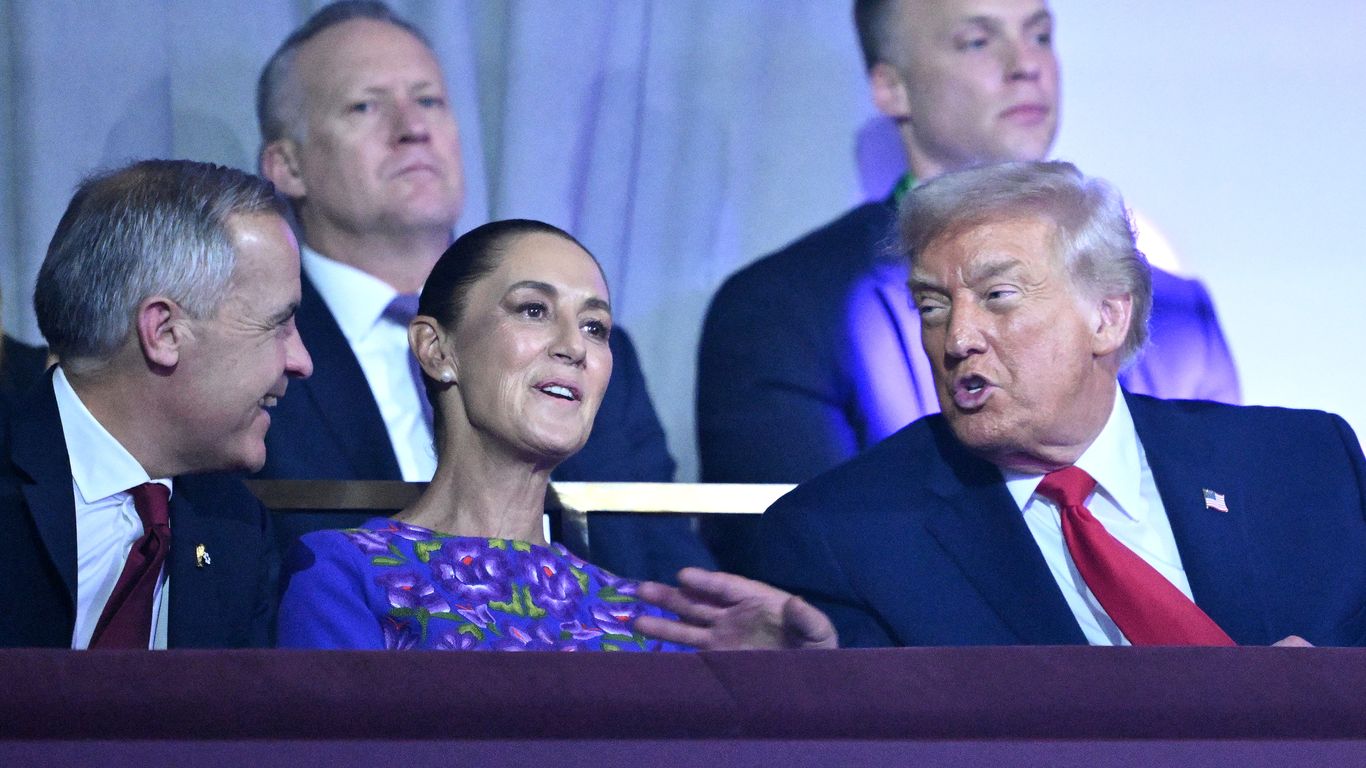
Claudia Sheinbaum's conciliatory strategy with Donald Trump is constrained by regional tensions and U.S. unwillingness to offer tariff concessions tied to reduced fentanyl flows.

fromwww.theguardian.com
8 months agoBrawl erupts in Mexico's senate after debate over US military intervention to fight drug cartels
Mexico's senate devolved into violence this week as two of the country's top politicians shoved, grabbed and shouted at each other after a heated discussion over the presence of foreign troops. Alejandro Alito Moreno, head of the opposition Institutional Revolutionary party (Pri), grabbed at Gerardo Fernandez Norona, the senate president from the ruling Morena party, after lawmakers finished singing the national anthem to mark the end of the day's session on Wednesday.
World news
fromenglish.elpais.com
8 months agoMexican opposition embraces Trump's pressure to gain strength against Sheinbaum
In his guilty plea, the veteran Mexican drug lord publicly acknowledged what was already widely known: that he bribed police officials, military personnel, and politicians to operate freely in the country. The allusion to that last group, elected representatives, has sent a chill through the entire Mexican political class. The statement is brief and general, so general that anyone could use it as a weapon, even at the risk of it coming back to haunt them.
World news
US politics
fromenglish.elpais.com
9 months agoCommander H, from corrupt police chief to leader of La Barredora gang in Mexico
El Pelon de Playas, leader of Los Zetas, arrested, causing violent backlash and implications for security officials in Tabasco.
Hernan Bermudez, secretary of Security, faces threats and a Red Notice amid ties to criminal activities.
[ Load more ]