#critical-minerals
#critical-minerals
[ follow ]
#rare-earths #supply-chain-security #supply-chain #mining #environmental-impact #china #national-security
#rare-earths


Business
from24/7 Wall St.
38 minutes agoForget MP Materials. One of These Mining Stocks Is Up 274% and Has $354 Million in Pentagon Contracts. The Other Controls the Largest Rare Earth Deposit Outside China
UAMY offers faster revenue growth and signed Pentagon-linked antimony contracts, providing more direct U.S. defense exposure than late, crowded MP Materials positioning.
US politics
fromwww.aljazeera.com
1 week agoBrazil's Lula meets Trump amid efforts to avert new US trade tariffs
Brazilian President Lula and US President Trump met at the White House to discuss trade, security, and critical minerals, with both leaders expressing satisfaction despite previous tensions over tariffs and Bolsonaro's conviction.
fromwww.aljazeera.com
1 week agoJapan PM says Iran war oil crisis having enormous impact' in Asia Pacific
The effective closure of the Strait of Hormuz has been inflicting enormous impact on the Indo-Pacific, Takaichi said on Monday. We affirmed that Japan and Australia will closely communicate with each other in responding with a sense of urgency.
World news
#environmental-impact
Environment
fromFast Company
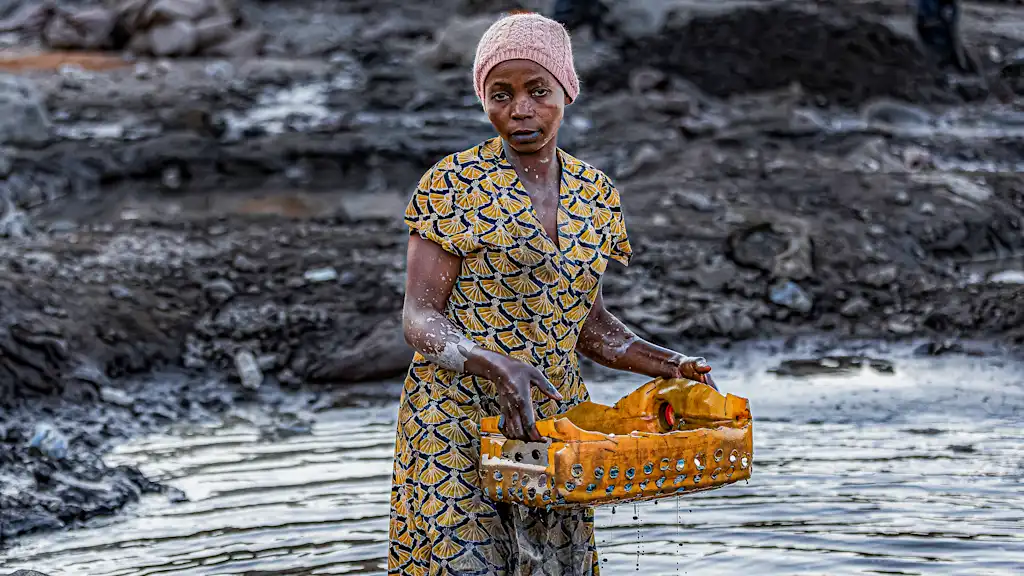
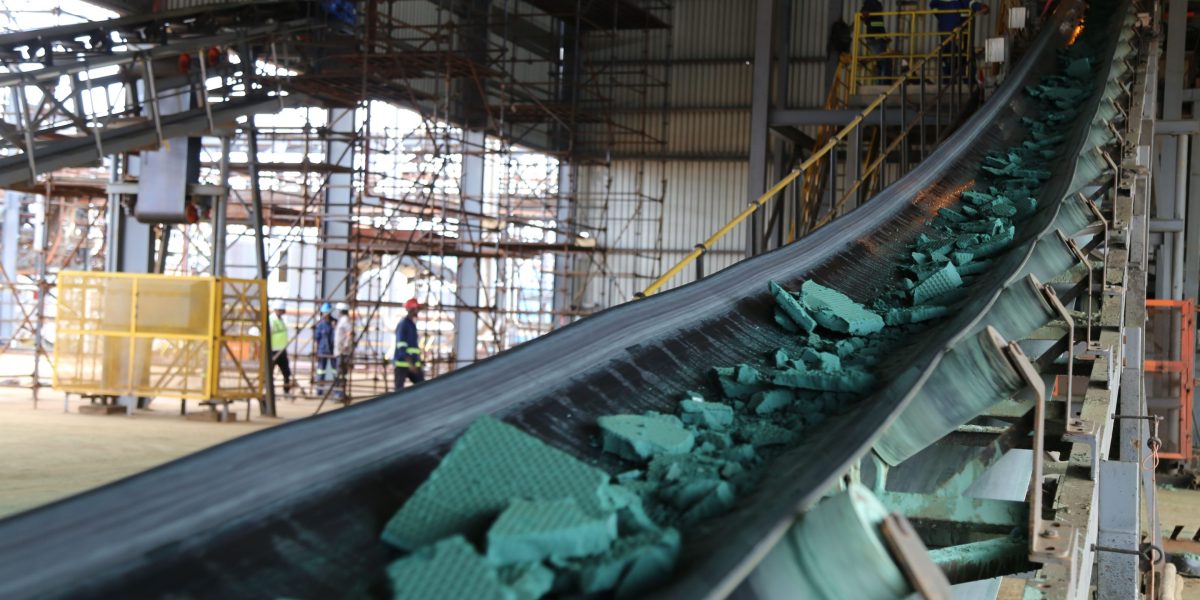
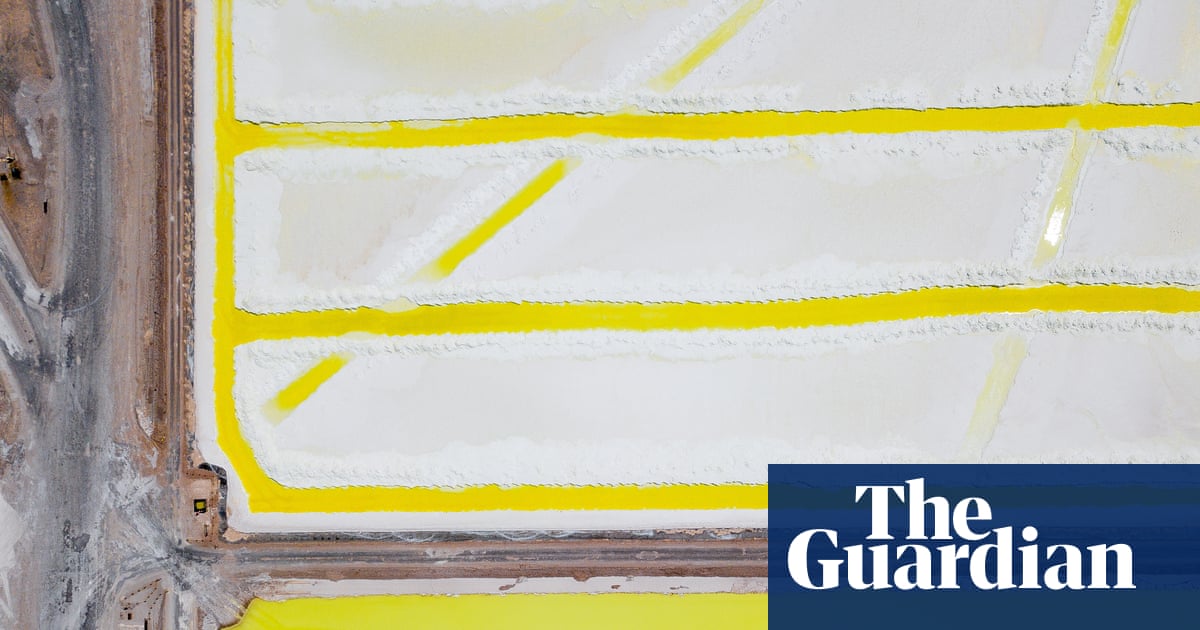
1 week agoHow the race for critical minerals is creating 'sacrifice zones,' impacting the world's poorest people
Critical mineral mining for technology harms communities with pollution and health issues, necessitating regulation to prevent worsening conditions for the world's poorest.
fromwww.cbc.ca
3 weeks agoNorth America's 1st electrochemical lithium refining facility is in Delta and could prove critical | CBC News
Mangrove Lithium CEO Saad Dara described the facility as a 'clown building,' emphasizing its unexpected location and extensive operations. He noted, 'It just keeps going,' while showcasing the research and development lab.
Toronto startup
fromTruthout
3 weeks agoUS Mining Plan Will Sacrifice Mexico's Environment for Weapons and Tech
"They want us to show these gringo companies where the minerals are and then go and hand over everything, all without a fuss. That's concerning, because where does it leave us, as Mexicans? Basically, they are going to keep stealing from us."
Environment

European startups
fromTechCrunch
1 month agoInside a $1.1B deal to reshore critical minerals refining | TechCrunch
China controls over half the world's nickel refining capacity, prompting U.S. and European companies to develop domestic electrochemical refining technologies to reduce supply chain dependence.
Venture
from24/7 Wall St.
2 months agoReddit Loved USAR for a Week. Short Sellers Never Stopped Betting Against It
USA Rare Earth shares surged 67% year-to-date following a $1.6 billion federal financing announcement for its Round Top Heavy Rare Earth project, despite zero revenue and negative stockholders' equity.
World news
fromenglish.elpais.com
2 months agoVenezuela opens its gold and gas-rich subsoil to the United States
Venezuela has opened its natural resources to U.S. companies, beginning with oil and expanding to mining operations including gold, bauxite, and coal, with new legislation facilitating foreign investment.
World politics
fromFortune
2 months agoCritical minerals demand snowballed to $2.5 trillion last year and could triple by 2030, UN projects | Fortune
Critical mineral demand could triple by 2030 and quadruple by 2040, driven by digital economy and energy transition needs, with 2023 mineral trade reaching $2.5 trillion.
fromNextgov.com
2 months agoEnergy announces $352M in funding for frontier science
For over 15 years, the EFRC program has provided a transformational research environment that has brought together the strengths of our National Laboratories and universities to accelerate discovery, develop innovative tools, and train the next generation of the American energy science workforce. The EFRCs will continue to play a vital role in bridging disciplines and institutions, advancing foundational science and strengthening America's leadership to push forward scientific frontiers critical for new energy technologies.
Science
World politics
fromwww.dw.com
2 months agoArgentina: Milei praises relationship with Trump
Argentine President Milei seeks to establish a strategic alliance with the US as state policy, emphasizing Argentina's geopolitical importance and critical mineral resources while supporting US-Israel military actions.
fromwww.theguardian.com
2 months agoThe US is merely the latest to join the global rush to hoard critical minerals
We live in a new world of strategic competition between states over scarce but essential resources, with shocks to supplies from human activity and natural disasters an ever-present risk. This means recalibrating how we think about our economy: the new economic fundamentals today are resource constraints and climate and nature crises, and these, rather than human activity, will increasingly shape the world we inhabit. Flows of finance and stocks of wealth will matter less than stocks and flows of real material resources.
World news

fromBusiness Matters
3 months agoUS offers $225m backing for Cornwall tin mine in bid to secure supply
Britain's only tin mine could end up exporting much of its future production to the United States after the American government signalled it is prepared to provide up to $225 million (£166 million) in financing to revive the historic South Crofty site in Cornwall. Cornish Metals, which is working to bring the South Crofty mine near Camborne back into production, has received a letter of interest from the Export-Import Bank of the United States (Exim),
UK news

fromwww.aljazeera.com
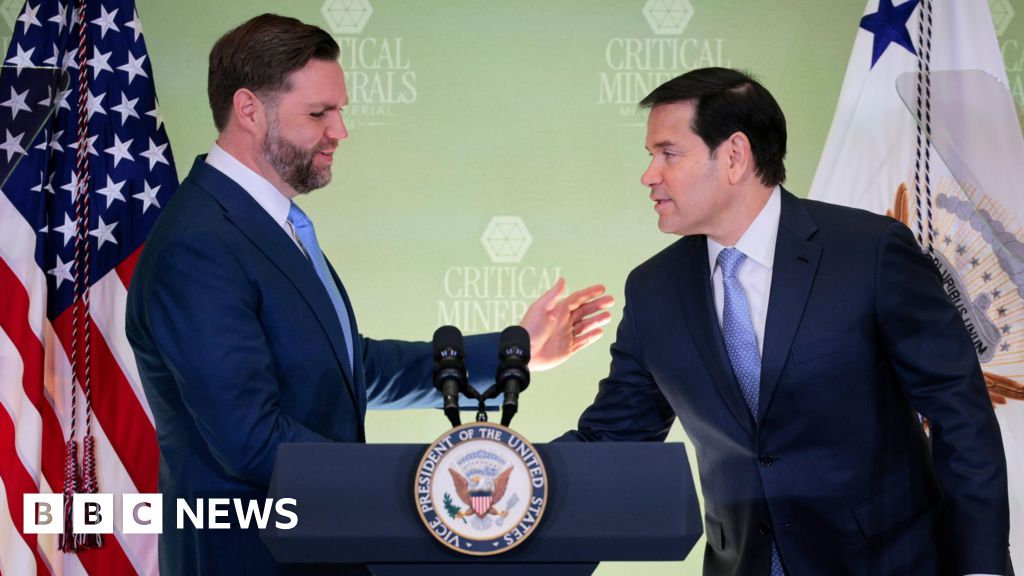
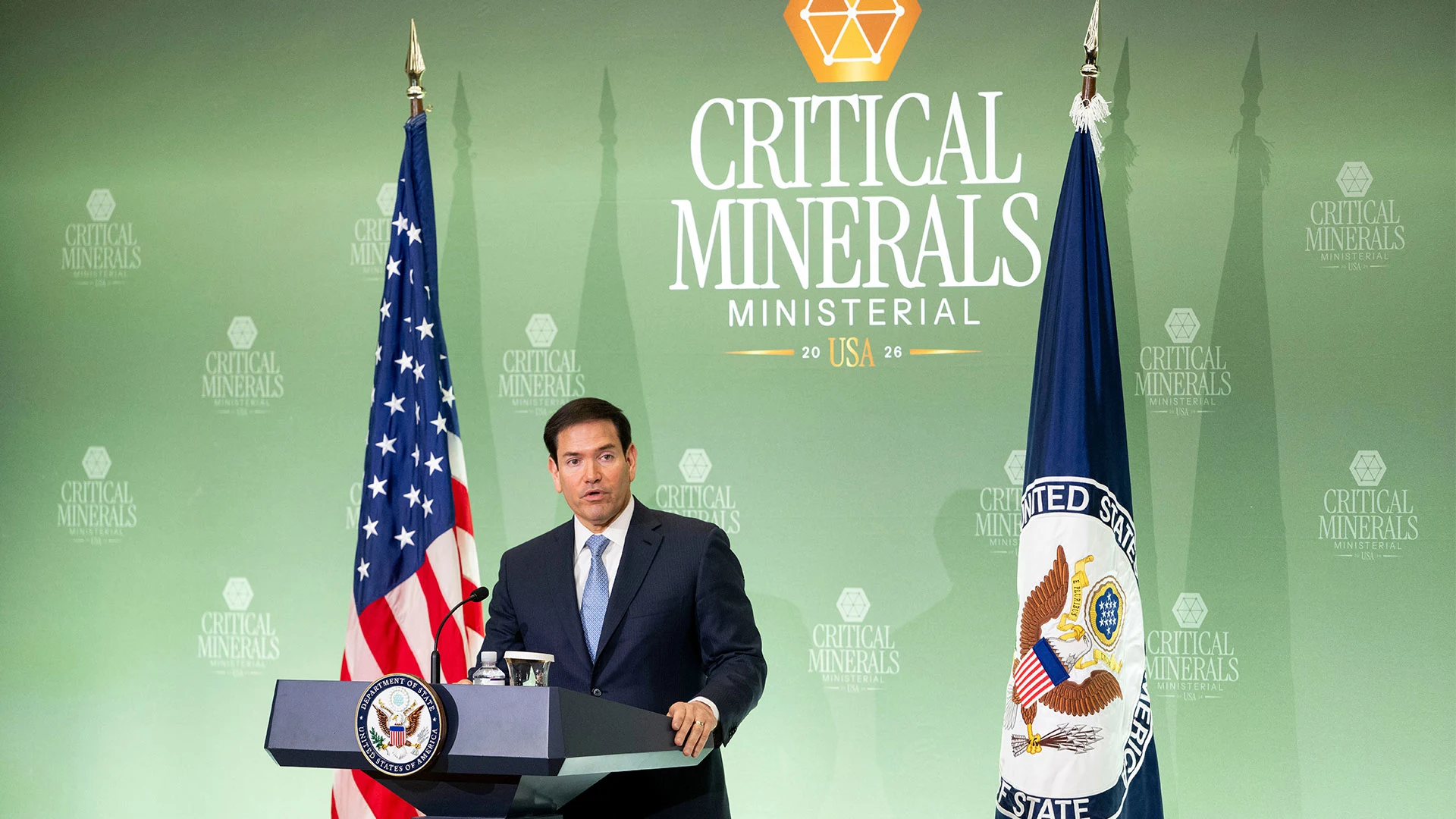
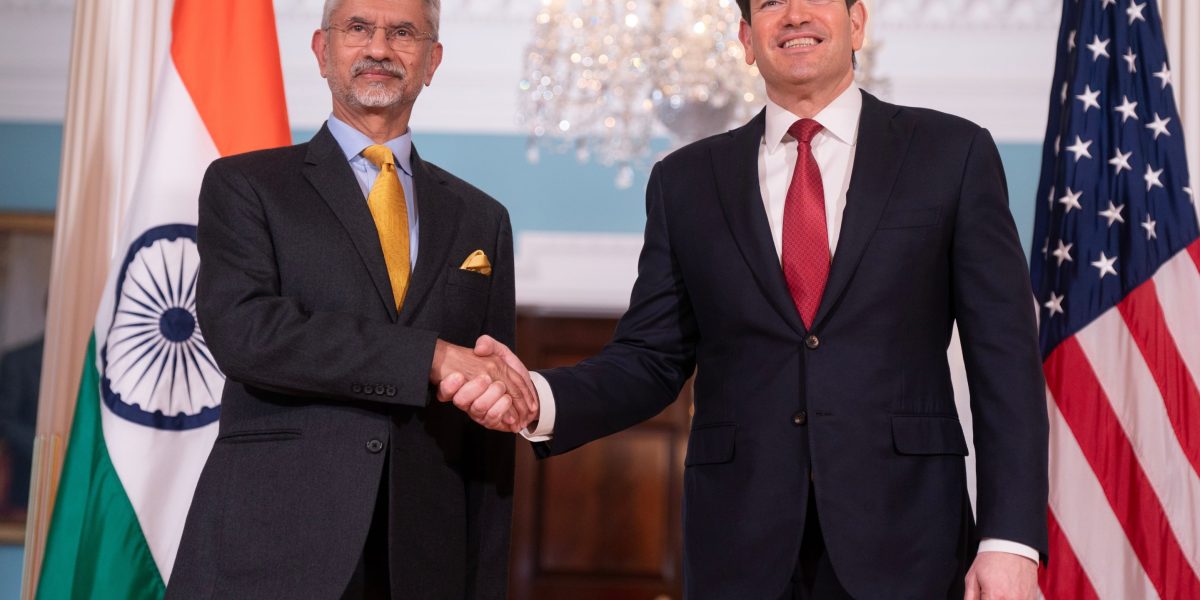
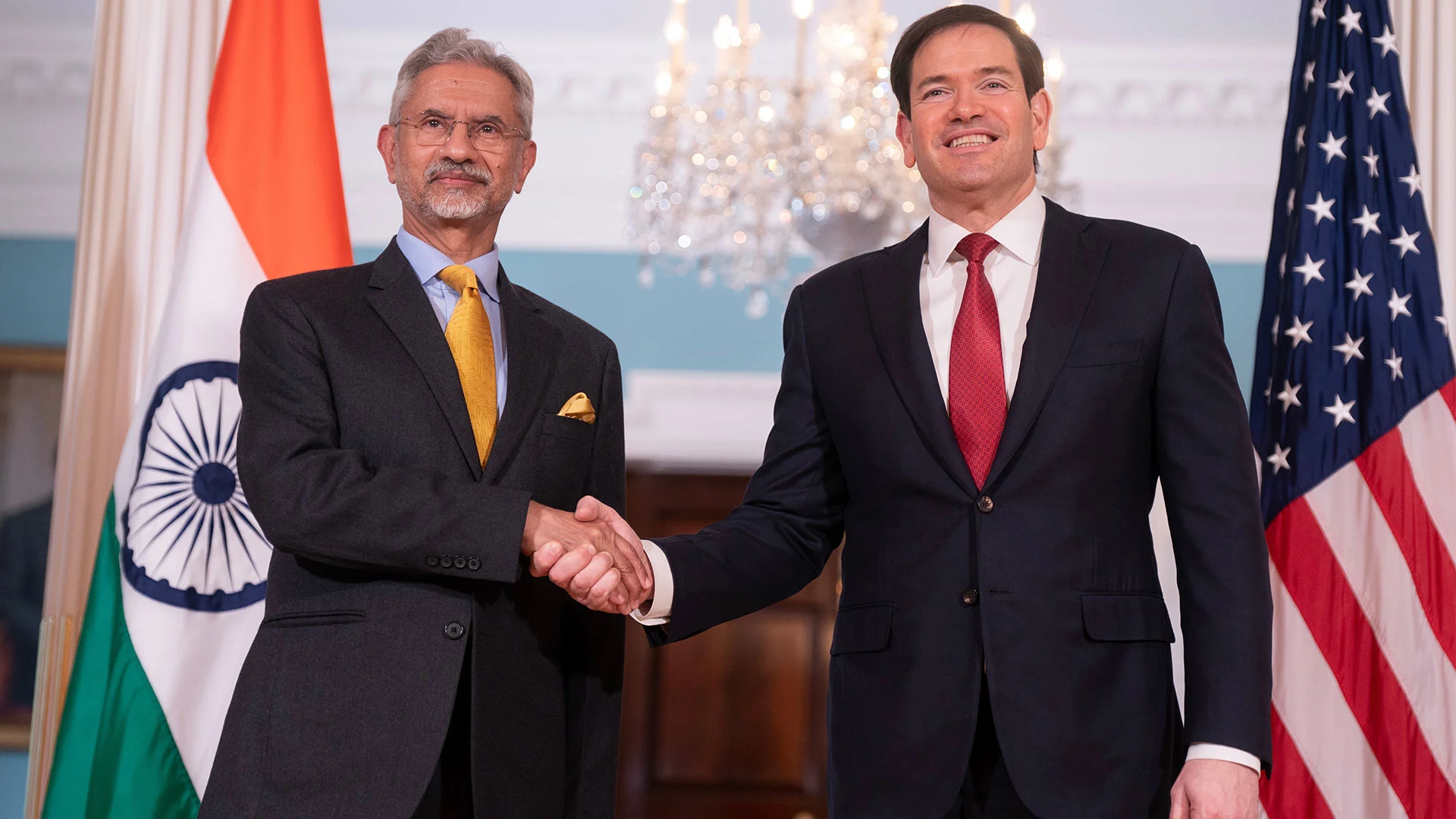
3 months agoTrump's critical minerals meet: Who's attending, what's at stake?
High on the agenda is the question of setting a minimum price for critical minerals something many countries are pushing for. However, the US is reported to be backing away from this suggestion. On Monday, US President Donald Trump announced the launch of a strategic minerals stockpile for the US called Project Vault. It will be funded by $2bn of private capital along with a $10bn loan from the US Export-Import Bank.
World news
fromSecurityWeek
3 months agoJapan, Britain to Boost Cybersecurity and Critical Minerals Cooperation as China's Influence Grows
Japan and Britain agreed Saturday to accelerate cooperation on cybersecurity and the supply of critical minerals, as China's influence grows in the region. British Prime Minister Keir Starmer said his visit to Japan comes at a time "when geopolitical, economic and technological shocks are literally shaking the world." Starmer's overnight Tokyo visit comes on the heels of his trip to Beijing, where he and Chinese President Xi Jinping agreed to seek a long-term, stable "strategic partnership."
World news
fromwww.theguardian.com
3 months agoUS, UK, EU, Australia and more to meet to discuss critical minerals alliance
Ministers from the US, EU, UK, Japan, Australia and New Zealand will meet in Washington this week to discuss a strategic alliance over critical minerals. The summit is being seen as a step to repair transatlantic ties fractured by a year of conflict with Donald Trump and pave the way for other alliances to help countries de-risk from China, including one centred on steel.
World news
World news
fromFortune
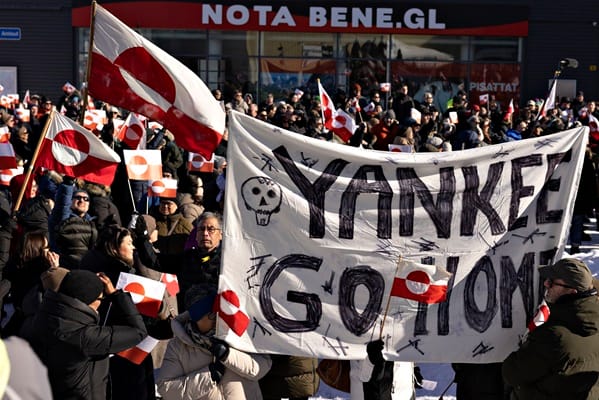
3 months agoThe weak business case for Trump acquiring Greenland: a $1 trillion price tag and few returns for two decades | Fortune
Buying Greenland would likely cost at least $1 trillion over decades and lacks economic justification due to high development costs and cheaper global resource alternatives.
France news
fromwww.theguardian.com
4 months agoEU states back controversial Mercosur deal with Latin American countries
EU member states approved a landmark Mercosur free-trade deal with Argentina, Brazil, Paraguay and Uruguay, sparking widespread protests and political opposition over environmental and farming concerns.
fromwww.aljazeera.com
4 months agoEU states' nod on Mercosur trade deal ends 25-year wait
The deal, which comes as Brussels seeks new markets to offset US tariffs and reduce reliance on China for critical minerals, will open free trade with four South American countries. European Union ambassadors have given a provisional nod to the bloc's largest-ever agreement in terms of erased tariffs, opening the way to free trade with the Mercosur group of South American countries.
Miscellaneous

fromBreaking Defense
5 months agoJ.P. Morgan eyeing both defense startups and legacy firms for $10B investment push: Execs - Breaking Defense
The planned investments are part of a wider $1.5 trillion effort known as the Security and Resilience Initiative (SRI), which was announced by the world's largest bank in October. Days after launch, J.P. Morgan revealed its first investment as part of initiative: a $75 million equity investment in Perpetua Resources, which is aiming to become the first US-based producer of the versatile critical mineral antimony, which has applications in the defense sphere for items like batteries and ammunition.
Venture
fromwww.theguardian.com
5 months agoGlobal race to secure critical minerals for weapons threatens climate, warns report
The accelerating global arms race is hindering climate action as critical minerals that are key to a sustainable future are being diverted to make the latest military hardware, according to a report The study from the Transition Security Project a joint US and UK venture reveals how the Pentagon is stockpiling huge stores of critical minerals that are needed for a range of climate technologies including solar panels, wind turbines, electric vehicles and battery storage.
Environment


fromEarth911
5 months agoClassic Podcast: Nth Cycle's Megan O'Connor Aims for a Revolution in Battery Recycling
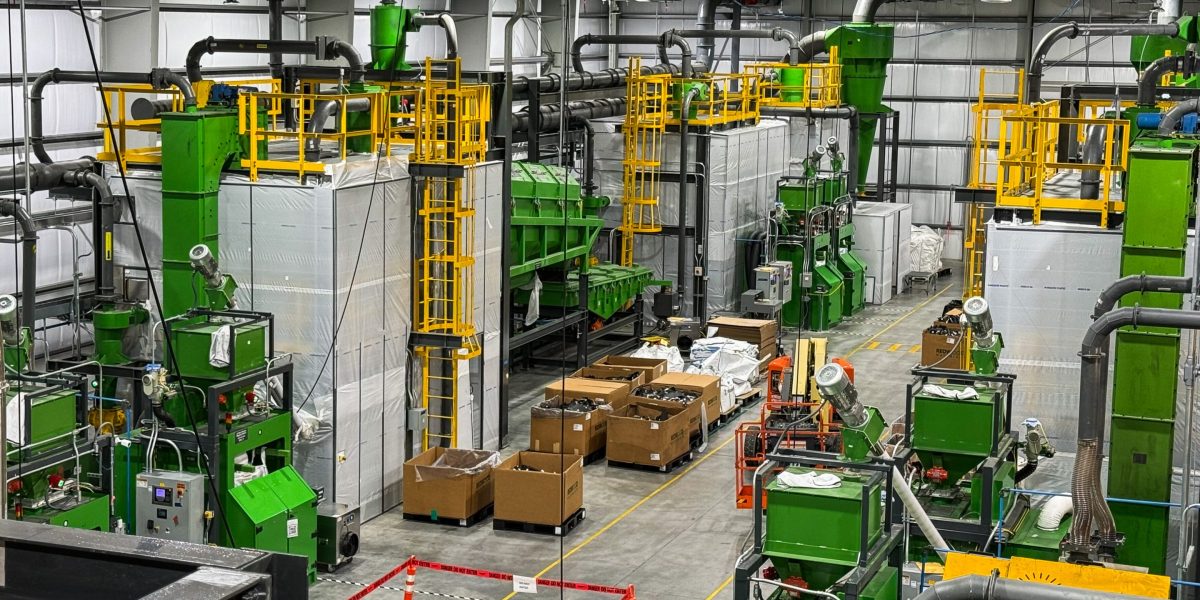
Megan O'Connor, cofounder and CEO of Nth Cycle, a Beverly, Mass.-based startup poised to disrupt the metal recycling industry with an electro-extraction system that can operate in very small facilities spread all over the world. The Nth Cycle process can handle up to five tons of material each day in a very compact facility - only 1,000 square feet, about the half the size of the typical retail storefront. That means in theory that materials could be recycled near the source and reused locally.
Environment
fromBusiness Matters
5 months agoUK launches Critical Minerals Strategy to reduce import reliance and power next-generation industries
The plan aims to produce 10% of the UK's critical mineral needs domestically and recover 20% through recycling by 2035, backed by up to £50 million in new funding and deeper alignment with the Government's national security and industrial goals.
UK politics
Canada news
fromBusiness Matters
5 months agoMake UK signs new partnership with Canadian manufacturers to boost trade and technology collaboration
Make UK and Canadian Manufacturers & Exporters signed a major partnership to strengthen industrial ties and collaborate on rare earths, AI, nuclear technology, and defence.
fromThe Walrus
5 months agoPublishing Can't Quit Its Obsession with Buzzy Stories | The Walrus
What made us think anyone would be interested? The answer is rarely simple. We constantly sift through news, linking trends, scouring reports, going yes, no, maybe. That's how we ended up emailing Pollon, a Vancouver-based journalist with deep knowledge of the mining sector. Could Trump's obsession with critical minerals illuminate his annexation talk about Canada? (Spoiler: yes.) But discerning, synthesizing, and connecting explains only part of how we decide.
Media industry
fromwww.theguardian.com
5 months agoCarney's nation-building' programme misses mark to be truly transformative for Canada
Canada's prime minister Mark Carney likes to say that when he was young, we used to build big things in this country, and we used to build them quickly. That idea of sprawling projects that transform nations, has influenced both his narrative as an economist-turned politician and his government's multibillion dollar investment spree. It's time to get back at it, and get on with it, he said in September.
Canada news

Environment
fromwww.theguardian.com
6 months agoDrug trafficking, extortion, kidnapping': the lawless rush for rare earth minerals in Venezuela
Illicit extraction and trafficking of tin, coltan and rare earths in the Amazon fuel armed groups, harm Indigenous territories and drive environmental destruction.
fromThe Cipher Brief
6 months agoTrump's Trip Was a True "Pivot" to East Asia
Yes, showing the flag and having the President interact with counterparts is an important part of diplomacy, at the highest level. It has impact because it shows that the U.S. cares about allies and partners, that the U.S. values this relationship and will be there for allies and partners, regardless of the cost. So, Mr. Trump's visit to the region was more than tariffs and trade. It was about relationships that principally deal with national security,
US politics
fromwww.theguardian.com
6 months agoJapanese PM promises golden age in relations with US during Trump visit
The US president, who is in Japan on the second leg of a week-long tour of Asia, and Takaichi quickly signed an agreement laying out a framework to secure the mining and processing of rare earths and other minerals. The agreement follows China's recent decision to tighten export controls on the materials, which are crucial for a wide range of products.
World news
[ Load more ]