#consumer-prices
#consumer-prices
[ follow ]
#inflation #tariffs #trade-policy #federal-reserve #economic-impact #cost-of-living #economy #supreme-court #amazon


#tariffs

US politics
fromwww.npr.org
3 months agoTrump's many tariff tools mean consumer prices won't go down, analysts say
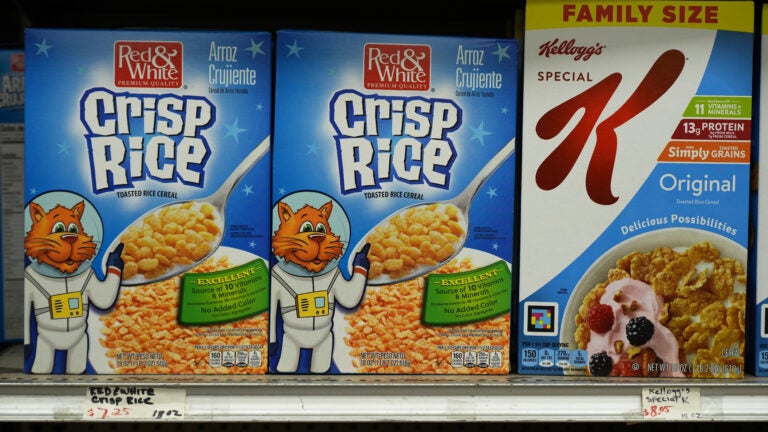
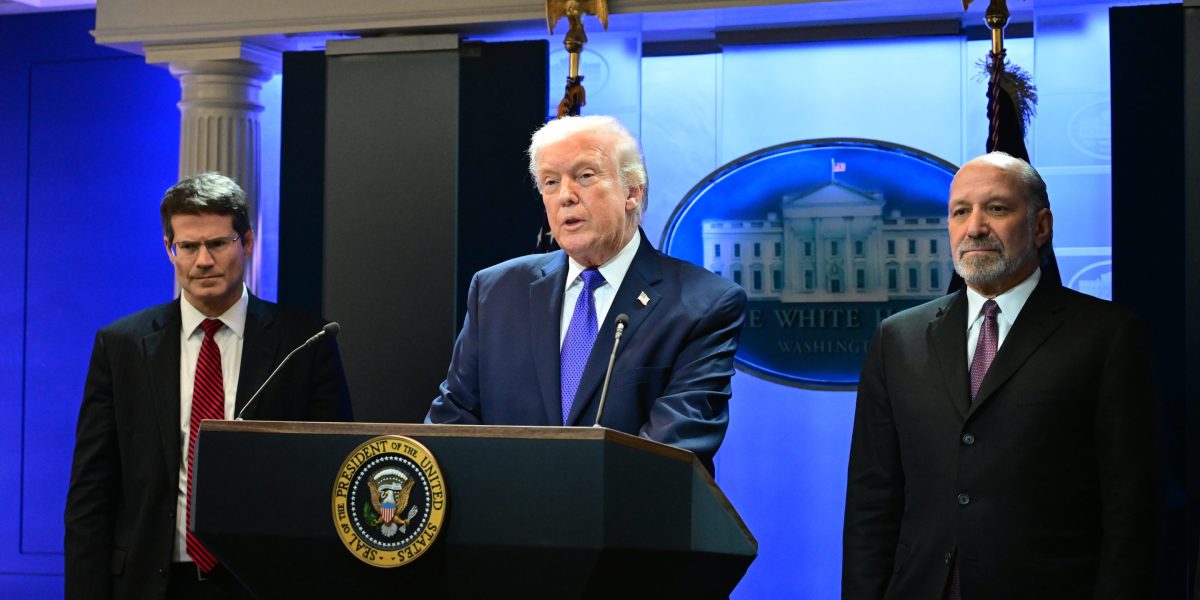
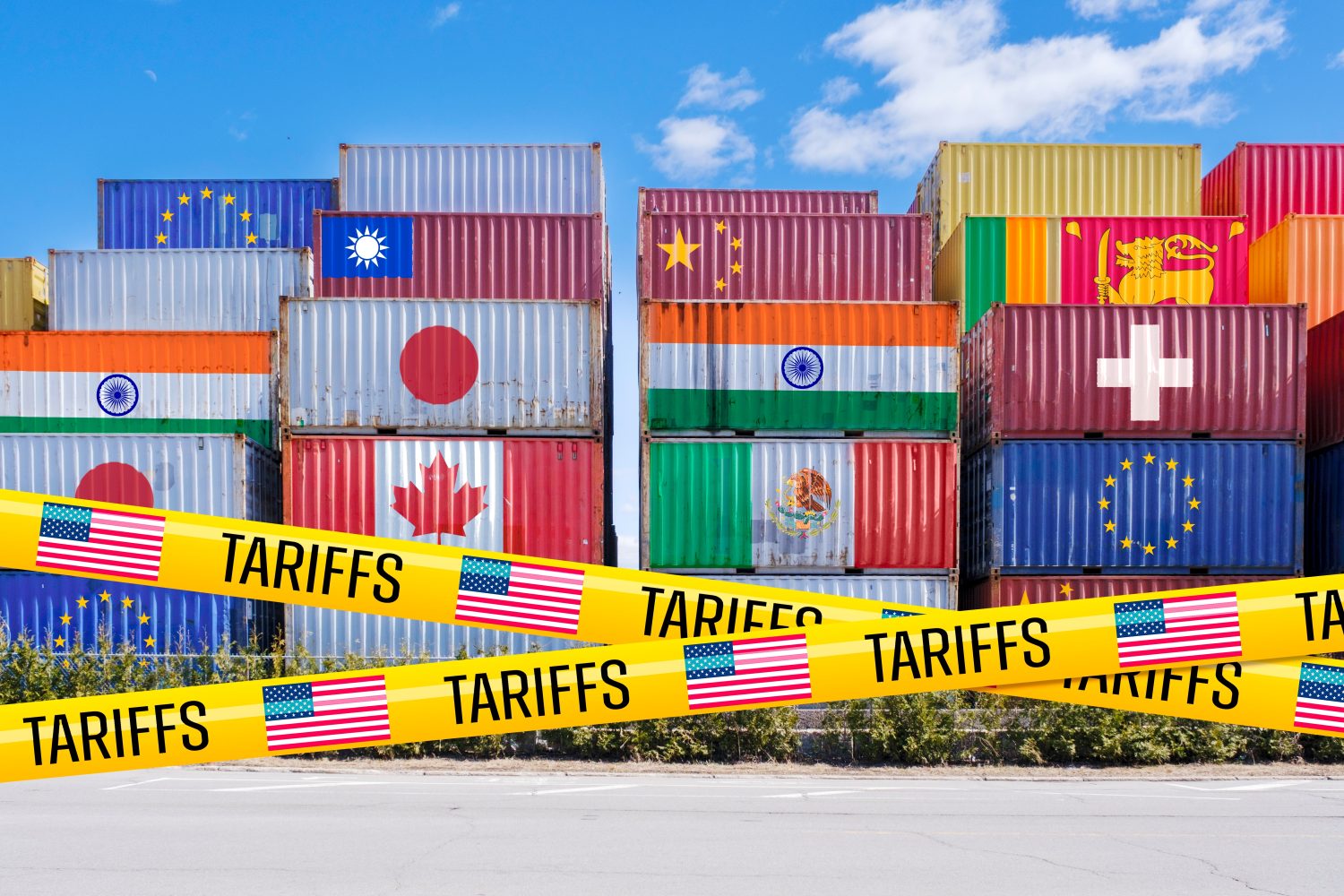
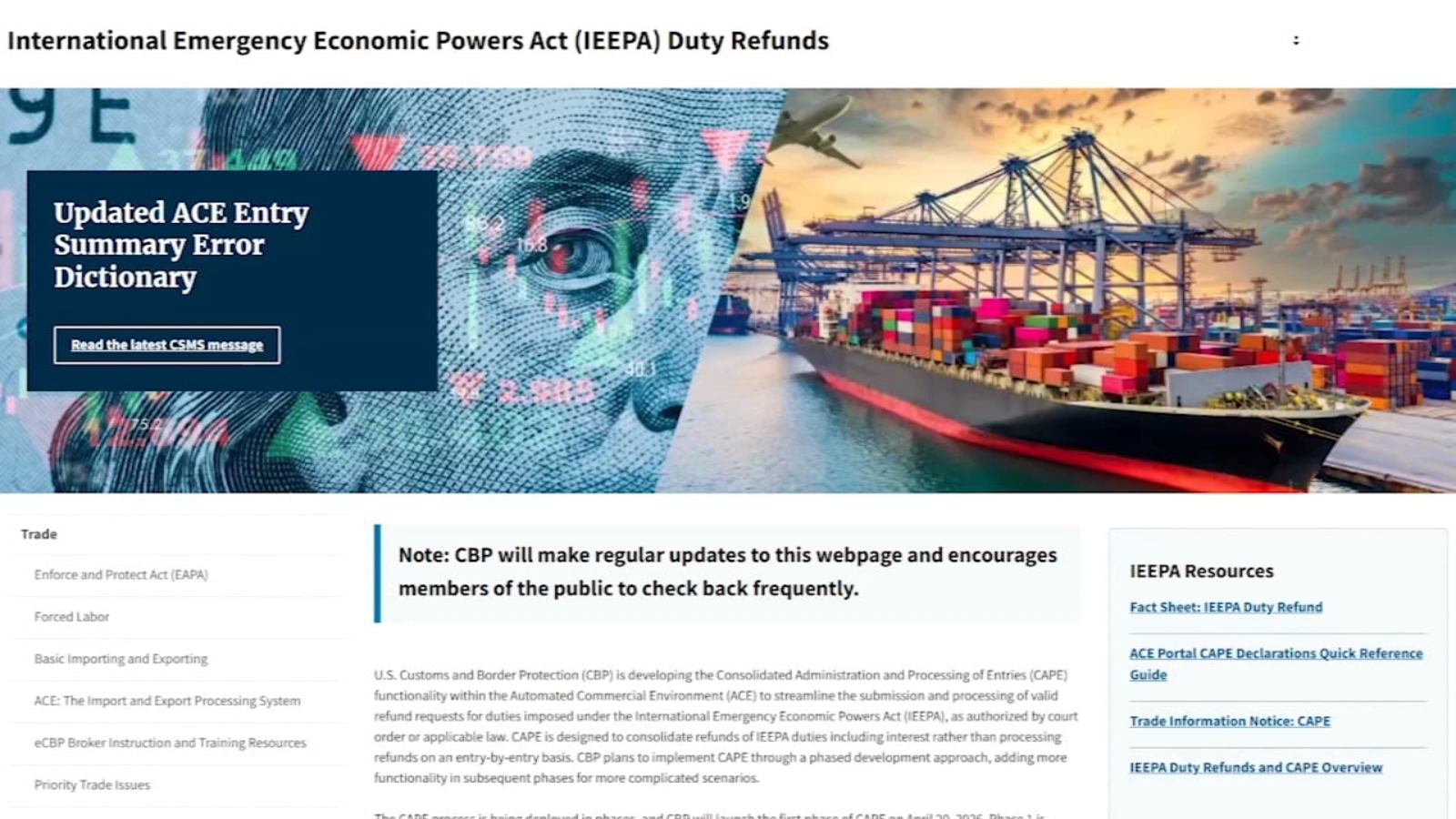
Consumers will not see cheaper grocery and retail prices despite the Supreme Court striking down some Trump tariffs, as the administration uses alternative legal tools to reimpose import taxes and price stickiness prevents price reductions.
E-Commerce
fromFortune
4 months ago6 months later, Amazon CEO Andy Jassy sings a different tune on tariffs, saying the pain of higher prices is coming soon in 2026 | Fortune
Tariffs are being passed to U.S. consumers as some sellers raise prices while others absorb costs, causing noticeable retail price increases.


US politics
fromwww.mediaite.com
3 weeks agoLeft Roasts Viral Clip of Top Trump Aide Bragging About Americans Racking Up Credit Card Bills: Secretly Working for the Democrats'
Increased credit card spending is linked to rising consumer prices, raising concerns about economic stability for working Americans.
fromSilicon Canals
1 month agoThis isn't 2022: Why the Iran oil shock hits a US economy with no SPR buffer and no Fed room - Silicon Canals
The CPI data due this month will be the first hard measure of American consumer prices since the Strait of Hormuz became a conflict zone, and every early signal points to a number that will shock people who stopped paying attention to energy transmission mechanisms after 2022.
US politics
fromFortune
3 months ago'I sell millions of Halloween costumes to Americans-here's my take on tariffs' | Fortune
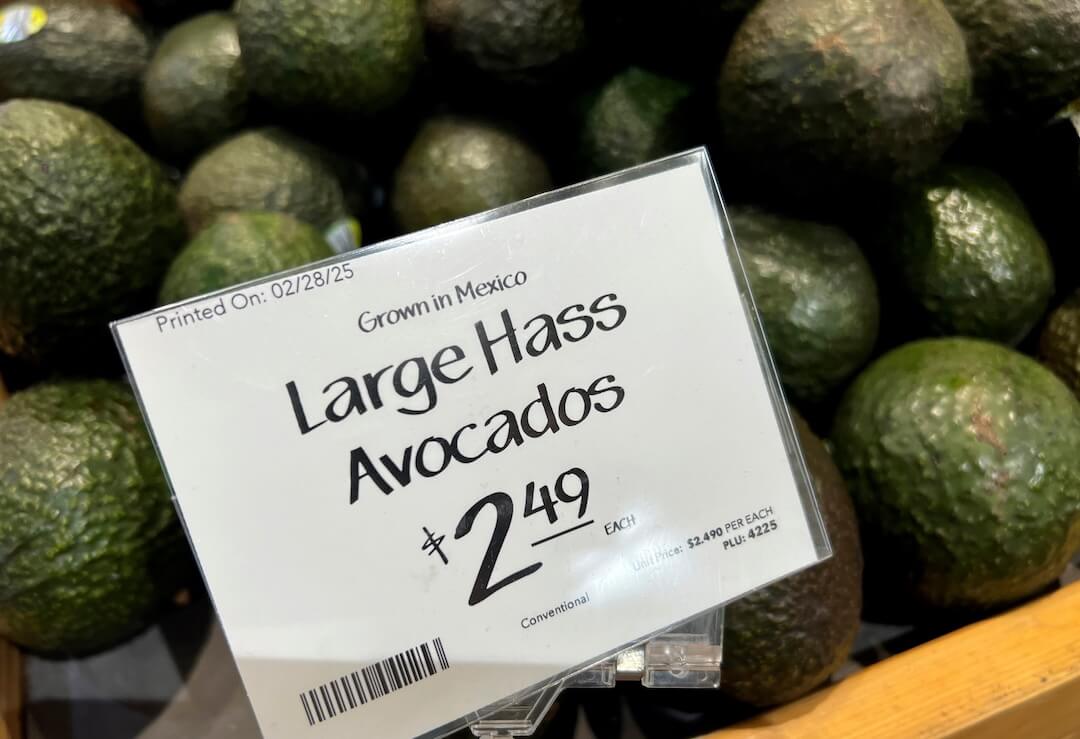
Since Donald Trump entered the White House for the second time, the US import taxes faced by Morph, which supplies Walmart and Target, have lurched wildly-from zero tariffs to 20% tariffs to 50% tariffs, before briefly flirting with 145% tariffs. The figure fell back to 20%, before the Supreme Court intervention last week ruled the tariffs illegal, which brought them back down to zero.
US politics
US politics
fromFortune
3 months agoWe heard CEOs rip into Trump's tariffs behind the scenes and the Supreme Court just vindicated them | Fortune
The U.S. Supreme Court struck down most IEEPA-based import tariffs, providing economic relief by removing unlawful, counterproductive measures that harmed businesses and raised consumer costs.
fromAxios
3 months agoThe Goldilocks economy, if you don't look too close
Employers added a healthy 130,000 jobs in January, the Labor Department said this week, as the unemployment rate edged down to 4.3%. The caveat? That announcement came with revisions that showed job creation flatlined over the last year, with only 15,000 jobs being added per month on average. Service sectors like finance and professional services that normally power the creation of high-paying office positions have instead been shedding jobs, perhaps reflecting employers' anticipation of AI-related cost savings.
US news
from24/7 Wall St.
3 months agoIf Trump Lowers Steel Tariffs, Is Nucor Still a Buy?
Nucor ( ) has delivered strong returns since President Trump imposed tariffs on imported steel last year. The stock has climbed 16% year-to-date in 2026 and gained 41% over the past 12 months, outperforming broader market indices amid protected domestic pricing. Higher tariffs - reaching up to 50% - shielded U.S. producers from cheap foreign imports, boosting revenues for companies like Nucor. However, reports indicate Trump is now considering scaling back these measures.
US politics
Business
fromFortune
3 months agoMiddle-class Americans are paying for the data center and AI boom with higher electric bills and even food costs, Goldman Sachs warns | Fortune
Rising electricity demand from AI-focused data centers will increase business production costs and consumer prices, disproportionately burdening small businesses and lower-income households.

fromArs Technica
5 months agoHow Europe's new carbon tax on imported goods will change global trade
Around the world, CBAM has faced strong criticism. India and China describe it as "green protectionism," arguing that it puts unfair pressure on developing economies. At the same time, the EU has not yet created dedicated funding to help exporters in lower-income countries adapt. Without this support, the mechanism may not achieve the desired results. What about consumers? Although CBAM is mainly aimed at industry, its ripple effects will reach consumers in the EU.
Environment
fromIndependent
5 months agoFood brands scoring bumper profits - as price hike misery continues for punters
Companies blame higher costs for prices increases - but analysis by the 'Sunday Independent' reveals combined operating profit among 18 popular brands is up over 62pc since 2021, to €416.8m The food industry is blaming higher costs as the main driver of soaring prices - but analysis by the Sunday Independent shows major brands across the sector are reporting bumper profits, explaining at least some of the price hikes.
Food & drink
US politics
fromArs Technica
6 months agoKeep your receipts: Tech firms told to prepare for possible tariff refunds
President Trump is considering delaying or abandoning planned semiconductor import tariffs due to political pressure, potential consumer price increases, and concerns about US-China trade truce.

US politics
fromLondon Business News | Londonlovesbusiness.com
6 months agoTrade war announcements triggered price hikes from retailers months before US tariffs took effect - London Business News | Londonlovesbusiness.com
Reciprocal tariffs during the 2025 US-China trade war caused immediate consumer price spikes averaging 1.8%, with some categories rising up to 2.04%.
Food & drink
fromwww.independent.co.uk
7 months agoChocolate and heartburn medicine among worst shrinkflation examples, Which? finds
Major brands are reducing product sizes and sometimes lowering quality, causing large effective price increases across everyday goods like chocolate, toothpaste, and medication.



[ Load more ]