#concertos
#concertos
[ follow ]
#classical-music #live-music #handel #beethoven #mozart #music #cpe-bach #mendelssohn #symphony-no-1 #baroque #rameau


Berlin music
fromwww.nytimes.com
2 days agoNico Muhly, Stephen Hough and Alondra de la Parra on the Most Difficult Pieces of Classical Music They Composed, Conducted or Performed
Composers face challenges in creating works that blend historical and contemporary themes, requiring innovative approaches to composition.
London music
fromwww.theguardian.com
6 days agoWe want people on the edge of their seats': Royal Opera boss Oliver Mears on the new season and the controversies of the last
Oliver Mears outlines the upcoming season at Covent Garden, featuring new productions and the challenges of financial commitments in opera.

fromwww.nytimes.com
2 days agoA Timeline of Classical Music's Evolution
The medieval era was very much about church music, partially because that's where a lot of the creativity was happening, and partially because the church was the primary institution, along with universities, dedicated to writing things down.
Berlin music
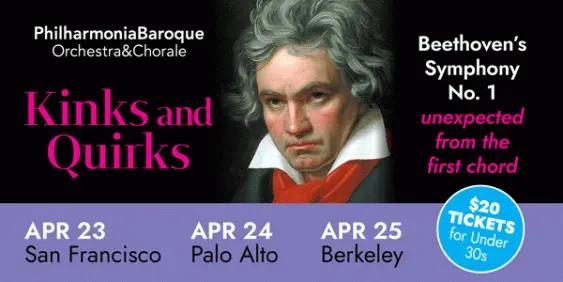
#beethoven


Berlin music
fromYanko Design - Modern Industrial Design News
1 week agoBeethoven Gets a 200th Anniversary LEGO Set Complete With Fur Elise Sheet Music - Yanko Design
Beethoven composed his Ninth Symphony while deaf, showcasing remarkable creative resilience, inspiring a LEGO Ideas set celebrating his legacy.

fromwww.theguardian.com
1 week agoMahler Symphonies 19 album review Bychkov's set earns a place in a starry pantheon
The Sixth is one of the hardest symphonies to tame. Bychkov leans into the contrasts, the Alma theme glowing with inner fire and a slow movement that shimmers like a limpid Austrian lake.
Berlin music
fromwww.theguardian.com
1 month agoSinfonia of London/ Wilson/ Kantorow review pushing the limits of the well-oiled orchestral machine
Fast forward a few decades and John Wilson is still hand-picking musicians and still serving up performances so polished they leave critics scrabbling for superlatives. These days Wilson's main outfit is the Sinfonia of London, and he is as likely to be conducting the symphonic mainstream as showtunes.
London music
Music
fromwww.theguardian.com
1 month agoSeven of the best music festivals to visit by train from the UK
French and Dutch festivals offer diverse music experiences accessible from London via Eurostar, with Fête de la Musique providing free outdoor performances across cities and Roadburn specializing in adventurous heavy music in Tilburg.
fromVulture
1 month agoOpera Houses Invite Timothee Chalamet to See a Show
I don't want to be working in ballet, or opera, or things where it's like, 'Hey, keep this thing alive, even though like no one cares about this anymore.' All respect to all the ballet and opera people out there. I just lost 14 cents in viewership. I just took shots for no reason.
Miscellaneous
fromLondon Unattached
1 month agoRoyal Philharmonic Society Awards 2026, Queen Elizabeth Hall
The Royal Philharmonic Society, founded in London in 1813, is one of the oldest music societies in the world. Among other things, it's famous for commissioning Beethoven's 9th Symphony. It's a charitable organisation that quietly sits at the heart of the British classical music world, with projects that include helping young players fund professional-standard instruments, empowering female conductors, and supporting commissions for composers.
London music
SF music
fromFuncheap
1 month agoGolden Gate Park Band's Symphony in the Park: Solidarity with Ukraine
The Golden Gate Park Band presents its 144th season of free weekly Sunday concerts at 1 pm in Golden Gate Park, featuring 70-90 minute performances with culturally themed programs and guest performers.
fromConde Nast Traveler
2 months ago9 Best Cities in Europe for Every Kind of Traveler-From History Buffs to Foodies
It's hard to name the best cities in Europe-there are so many great bustling hubs (not to mention charming small towns) spread across a relatively small continent, making it more a question of what you're looking for. Sure, some travelers just beeline to the best-known landmarks, eager for the chance to cross Rome's Colosseum or Paris's Eiffel Tower off their list. But we're in favor of taking a step back and asking yourself what you're most interested in.
Travel
fromMbtn
2 months agoTake Your Seats
So another word about tickets. They did finally announce single-game tickets were going on sale, but only for games though June. It's not enough to keep season plans limited to those requiring fans to buy more tickets than they can use, feeding the secondary markets which the Mets also get a cut of, but "make-your-own-plan" fans like me who've reliably occupied seats for decades,
New York Mets
Berlin music
fromwww.theguardian.com
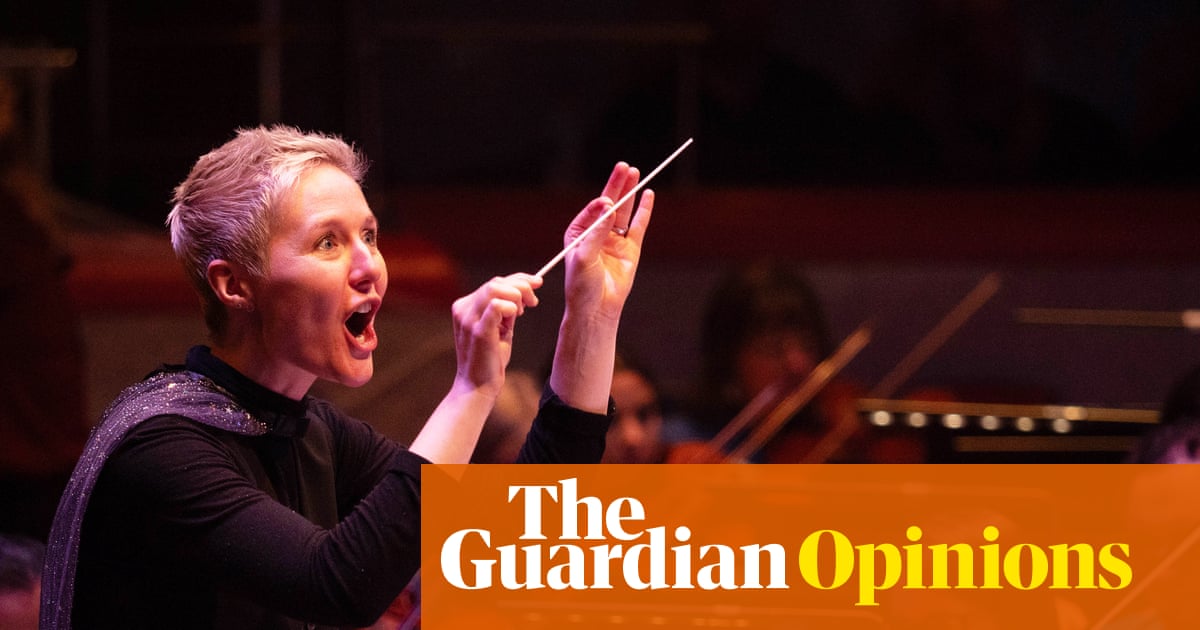
1 month agoFlattery or forgery? Row erupts over Vienna Phil's re-orchestration of a Florence Price piece
Wolfgang Dorner's orchestration of Florence Price's Rainbow Waltz at the Vienna Philharmonic's 2026 New Year's Day Concert is a forgery that removes Price's distinctive harmonies and musical identity, replacing them with generic Viennese pastiche.

Berlin music
fromwww.amny.com
1 month agoA new movement begins: Dudamel and the Philharmonic's era of transcendence | amNewYork
Gustavo Dudamel's leadership of the New York Philharmonic marks a shift toward music as transcendence rather than entertainment, with expanded programming and inclusive community engagement.
fromwww.mercurynews.com
2 months agoPhilip Glass yanks symphony world premiere from Kennedy Center lineup
Glass joined a growing list of performers and artists who have canceled shows and cut ties with the arts center since President Trump replaced its board with people who share his aversion to woke programming, and affixed his name to the facade without congressional or Kennedy family approval. The new board also named Trump as chairman, and, in an unprecedented move, the president hosted this year's Kennedy Center Honors, which garnered its lowest ratings ever when broadcast on CBS. Ticket sales have also tanked.
US politics
fromTravel + Leisure
1 month agoThis Is the Most Beautiful Capital City in Europe, According to Travelers-and No, It's Not Paris or Rome
Luxembourg City takes first place with 18.15 percent of reviews mentioning 'beautiful.' Travelers often highlight its clean streets and strong mix of old and modern areas. Even though the capital is small, people seem to appreciate how easy it is to walk around.
Travel
Music
fromwww.theguardian.com
2 months agoLPO/Jurowski review Mahler's 10th is full of colour, and the composer's pain, in Barshai's completion
Barshai's colourful completion of Mahler's Tenth, conducted by Jurowski, delivers bold orchestration and vivid playing that contrasts Cooke's restrained version.
Berlin music
fromGothamist
1 month agoMozart's childhood violin and original manuscripts come to the Morgan Library
Mozart's personal belongings, including the clavichord used to compose 'The Magic Flute' and his childhood violin, are exhibited at the Morgan Library & Museum in Manhattan for the first time in the United States.

fromwww.theguardian.com
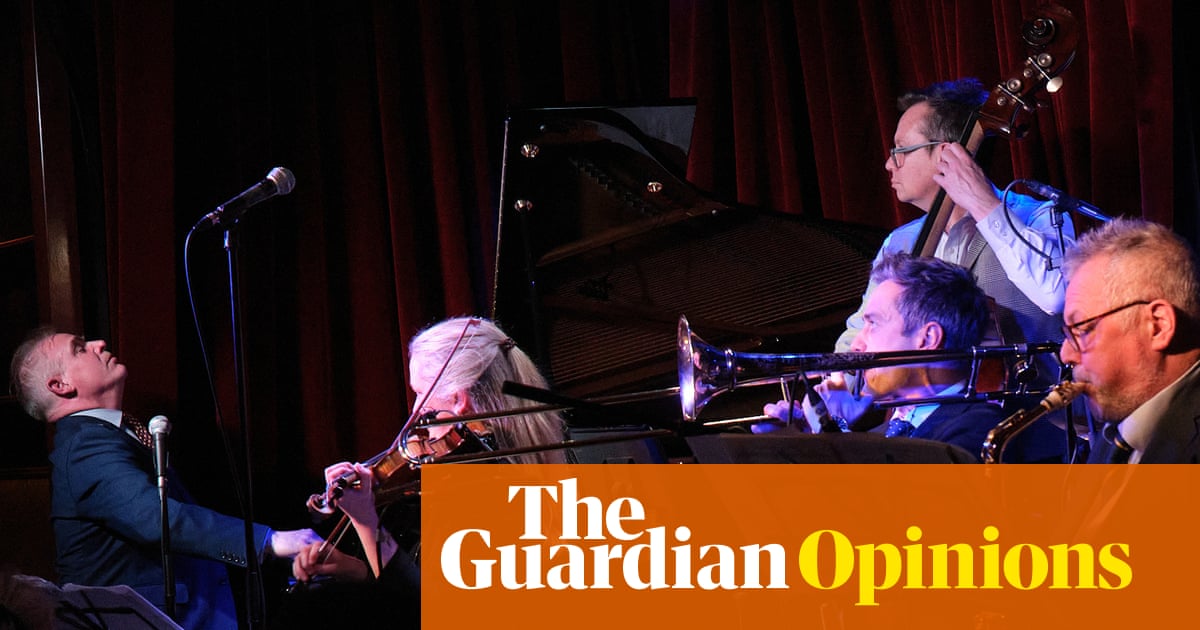
2 months agoKnow the score? I don't read music, but that's no hindrance to reimagining great classical works
I'm a harmonica and accordion player and one half of folk-classical duo Stevens & Pound. As a multi-instrumentalist I am rooted in a folk tradition that is oral, aural and communal. Music and song are passed down by ear, either through recordings or more fun traditional music sessions. Here, players and singers get together to share, swap and play tunes, drawing from a repertoire that is always evolving.
Music
fromwww.theguardian.com
1 month agoElisabeth Leonskaja review piano legend's unerring sense of architecture reveals connections and kinships
The Austrian pianist's expressive, emotional playing may grab the headlines, but it's the unerring sense of underlying architecture that's the thread through her long career. We heard that here, not just within each of the works, but in the shared foundations, and sometimes secret connecting passages, she revealed between them.
Berlin music
fromwww.theguardian.com
1 month agoNemanja Radulovic: Prokofiev album review thrills and spills from a fearless violin virtuoso
Radulovic plunges in, his audacious attack and intonational high-wire act almost upsetting the applecart in the oompah-pah finale. The same fearless commitment pays dividends elsewhere: in the jaunty Heifetz arrangement of the Gavotte from the Classical Symphony, for example, or in the spiky march from The Love for Three Oranges.
Berlin music
Music
fromOregon ArtsWatch * Arts & Culture News
2 months agoGlimmers of light: Oregon Symphony concertmaster Sarah Kwak and guest conductor Markus Stenz tackle Alban Berg's difficult "Violin Concerto" * Oregon ArtsWatch
Markus Stenz led the Oregon Symphony in an outstanding concert featuring Sarah Kwak's superb performance of Berg's Violin Concerto and expressive Boulanger and Beethoven interpretations.
Music
fromwww.theguardian.com
2 months agoHavergal Brian: The Gothic album review Ole Schmidt tames a vast, eccentric score
Ole Schmidt's 1980 BBC performance of Havergal Brian's The Gothic delivers a bold, conductor-driven interpretation with vast forces, occasional congestion, and a standout soprano.
Music
fromOregon ArtsWatch * Arts & Culture News
2 months agoGlimmers of light: Oregon Symphony concertmaster Sarah Kwak and guest conductor Markus Stenz tackle Alban Berg's difficult "Violin Concerto" * Oregon ArtsWatch
Markus Stenz led the Oregon Symphony in an outstanding concert featuring Sarah Kwak's superb performance of Berg's Violin Concerto and renditions of Boulanger and Beethoven.
Music
fromwww.theguardian.com
1 month agoHarnoncourt: Mendelssohn, Wagner, Schumann album review revelatory readings from the late revolutionary
Harnoncourt's 1999 Styriarte recording reveals his revolutionary approach through a provocative pairing of Wagner with Mendelssohn and Schumann, emphasizing historical clarity and emotional depth.
Music
fromMetro Silicon Valley | Silicon Valley's Leading Weekly
2 months agoLeif Ove Andsnes at Stanford | Metro Silicon Valley | Silicon Valley's Leading Weekly
Norwegian pianist Leif Ove Andsnes performs a program focused on Central European composers and Robert Schumann at Bing Concert Hall, Stanford on Jan 25.
fromianVisits
2 months agoUnfinished Mozart manuscript going on display in Mayfair museum
The sheet is modest in size but immense in significance. Carefully inked across the page are the opening 20 bars of a fugue - not Mozart's own invention, but his transcription of a harpsichord work by George Frideric Handel, composed more than sixty years earlier. Mozart was 26 when he set to work on it in 1782-83, transforming Handel's keyboard fugue into the beginnings of a string quartet arrangement.
Music
Music
fromMetro Silicon Valley | Silicon Valley's Leading Weekly
2 months agoBrahms' Fifth in Redwood City | Metro Silicon Valley | Silicon Valley's Leading Weekly
Redwood Symphony presents Ortiz's Kauyumari, Ginastera's Harp Concerto with soloist Anna Maria Mendieta, and Klatzow's arrangement of Brahms' String Quintet (Brahms' Fifth).
fromwww.theguardian.com
2 months agoThat make-or-break feeling? I love it': can Andre de Ridder put ENO back on its feet?
Andre de Ridder is either brave or stupid. He has accepted the role as the music director of English National Opera its chief conductor and keeper of its musical flame. He will take up the role formally in 2027. The post has been empty for several anguished years, sparked by Arts Council England's 2022 announcement that the company would lose all its funding unless it moved out of London.
Music
[ Load more ]