#chemical-safety
#chemical-safety
[ follow ]
#evacuation


California
fromFast Company
1 day ago50,000 California residents are waiting to see if officials can keep this chemical tank from exploding
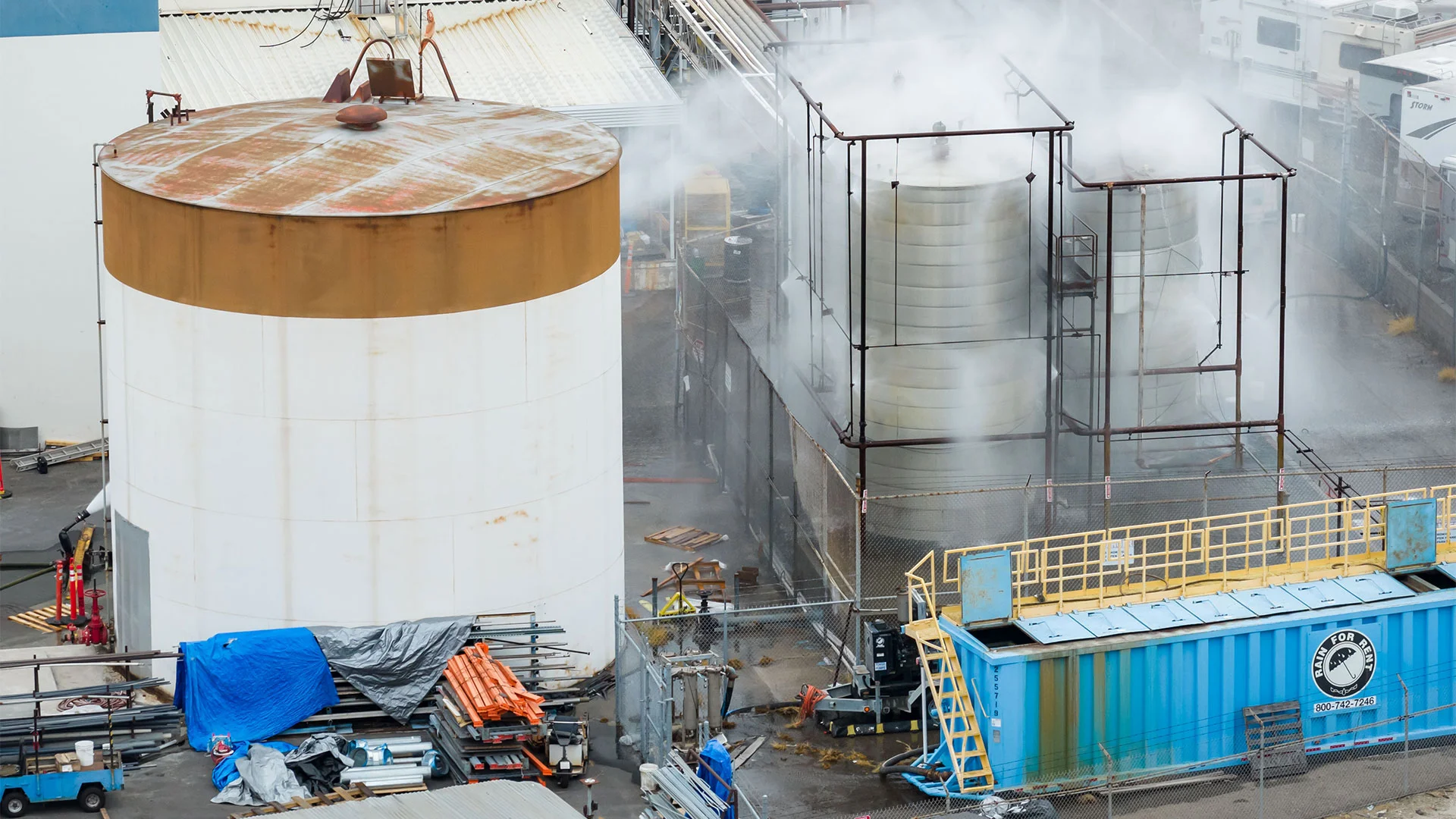
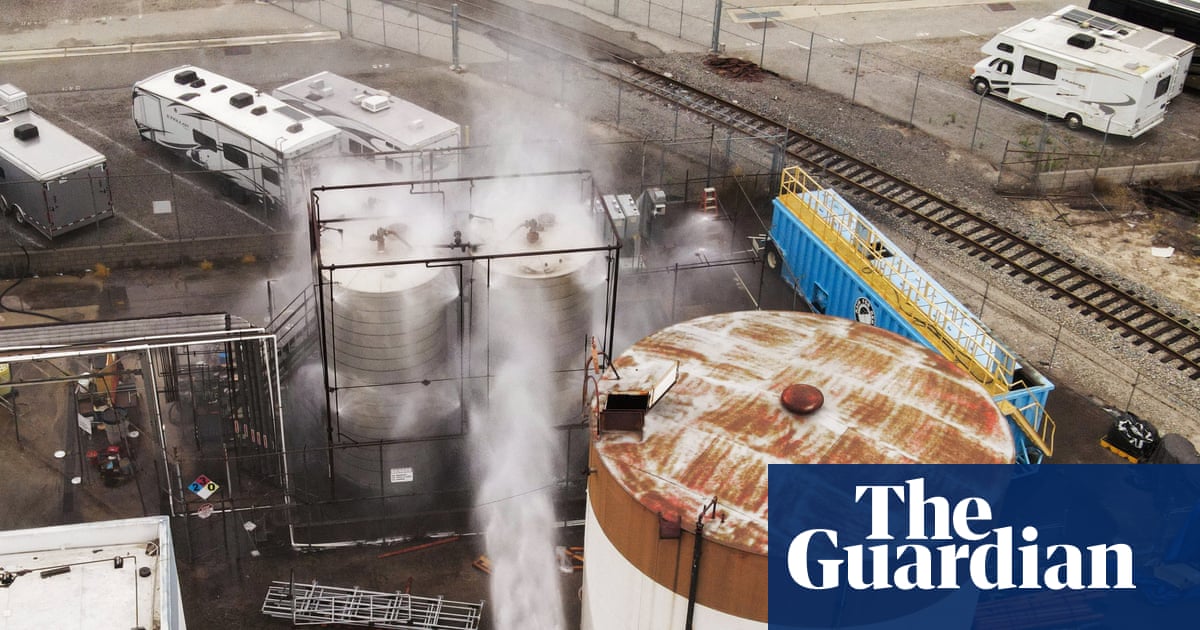
A methyl methacrylate tank crack in Garden Grove prompted evacuations while crews cooled it, monitored air for leaks, and worked to relieve pressure to prevent explosion.
East Bay (California)
fromwww.theguardian.com
2 days agoOverheated chemical tank in southern California will fail', EPA chief says
An overheated chemical tank near Disneyland is expected to fail, with officials preparing for possible explosion while monitoring air quality and evacuating about 50,000 people.
fromLos Angeles Times
3 days agoWhy is the Orange County chemical tank crisis so hard to fix?
Inside the tank is an estimated 7,000 gallons of a chemical used to make plastics called methyl methacrylate, or MMA, stored in liquid form. "It's durable, lightweight, transparent, so it could even be used as a substitute for glass," Elias Picazo, assistant professor of chemistry at USC, said of the final plastic product. The polymer can also be used in household goods as well.
Environment
fromNature
1 week agoWhy are PFASs so hard to replace?
Adding an atom of fluorine into a drug molecule can make it more potent by slowing its breaking down in the body. The electrolytes used to shuttle ions through lithium-ion batteries are fluorine-containing materials. Refrigerants for keeping food fresh, medicines safe and buildings cool, often contain fluorine, as do propellants used to release gases in asthma inhalers and fire extinguishers. Fluorine is also a key component in the stable polymers used for non-stick cookware coatings and waterproof materials.
OMG science
Environment
fromTruthout
2 months agoHouse Bill Could Weaken EPA Oversight of Hazardous Chemicals
House conservatives propose rolling back 2016 reforms to the Toxic Substances Control Act, weakening EPA authority to regulate hazardous chemicals despite ongoing groundwater contamination cases like Jones Road.
fromwww.theguardian.com
6 months agoPity the fool who owns a pool. It's like having a large, delicate, expensive pet | Andrew Herrick
I'll call him Bruce. He's any of the 3.1 million Australians living in a house with a pool or spa. Over my long career in hardware, listening to the woes of so many Bruces, I've discovered that owning a pool is not all fun and bubbles at cocktail hour. In the beginning, it wasn't so bad. On first viewing his bayside property, Bruce already believed the agent's claim that by far the most desirable addition to any home is a pool.
Renovation
fromwww.independent.co.uk
7 months agoCalls for government to crack down on chemicals and metals found in period products
From reproductive rights to climate change to Big Tech, The Independent is on the ground when the story is developing. Whether it's investigating the financials of Elon Musk's pro-Trump PAC or producing our latest documentary, 'The A Word', which shines a light on the American women fighting for reproductive rights, we know how important it is to parse out the facts from the messaging.
Public health
[ Load more ]