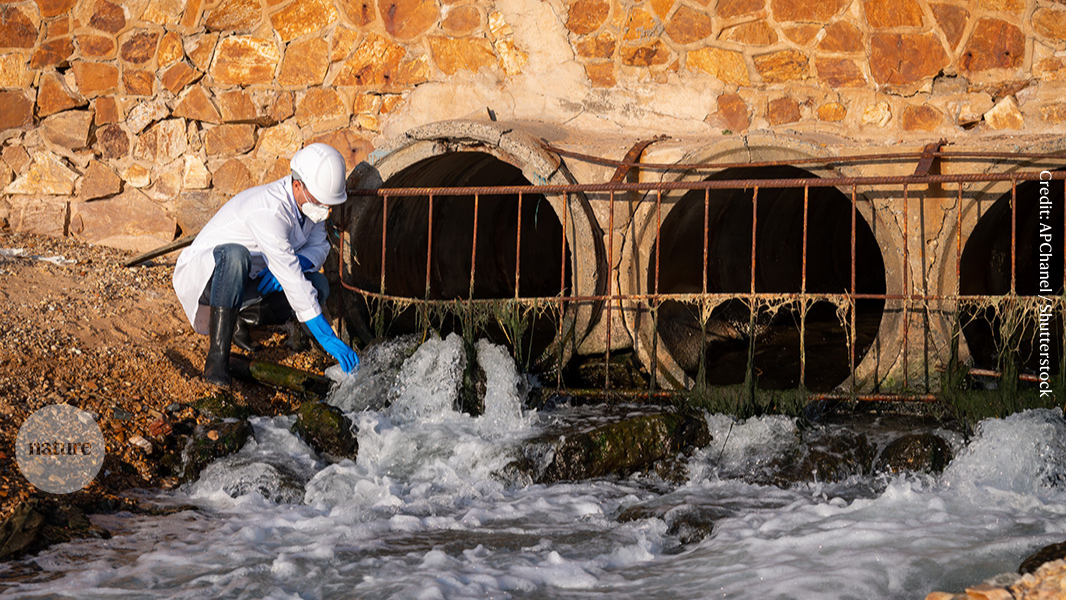
Fluorine is a small atom that adds useful properties to tens of thousands of products. Incorporating fluorine into drug molecules can increase potency by slowing breakdown in the body. Fluorine-containing materials are used as electrolytes in lithium-ion batteries. Fluorine also appears in refrigerants, propellants for asthma inhalers and fire extinguishers, and stable polymers for non-stick cookware coatings and waterproof materials. However, fluorine’s stability has produced a dangerous legacy through PFASs, which have spread widely across the environment. Some PFASs disrupt hormones and harm organs such as the liver and thyroid. Fluorine production often relies on heating fluorspar with concentrated sulfuric acid to generate hydrogen fluoride, a highly corrosive poisonous gas.
"Adding an atom of fluorine into a drug molecule can make it more potent by slowing its breaking down in the body. The electrolytes used to shuttle ions through lithium-ion batteries are fluorine-containing materials. Refrigerants for keeping food fresh, medicines safe and buildings cool, often contain fluorine, as do propellants used to release gases in asthma inhalers and fire extinguishers. Fluorine is also a key component in the stable polymers used for non-stick cookware coatings and waterproof materials."
"But fluorine's ability to add stability has a dangerous legacy: 'forever chemicals', or per- and polyfluoroalkyl substances (PFASs), that have infiltrated every inch of Earth, from breastmilk to the snowy heights of Mount Everest. Some of the most problematic PFASs that have been used in non-stick cookware and waterproof coatings, as well as other applications, are toxic to humans, disrupting hormones and causing problems for parts of the body such as the liver and thyroid."
"Getting fluorine into products also relies on a hazardous, energy-intensive process that takes the mineral fluorite - commercially known as fluorspar and with the chemical name calcium fluoride - and heats it with concentrated sulfuric acid to make hydrogen fluoride (HF): an extremely corrosive poisonous gas that forms hydrofluoric acid when dissolved in water. This allows the fluorine locked in the mineral to become reactive."
""I would argue that HF is probably one of the most dangerous chemicals that we produce on this planet," says Veronique Gouverneur, a chemist at the University of Oxford, UK."
Read at Nature
Unable to calculate read time
Collection
[
|
...
]