#business-confidence
#business-confidence
[ follow ]
#uk-economy #economic-outlook #london #cost-pressures #investment #inflation #economic-policy #tax-policy



fromBoston.com
1 month agoMass. business confidence dips back into pessimism
The AIM Index is a survey of more than 140 Massachusetts employers that has run since 1991. It is calculated on a 100-point scale, with 50 as neutral; a reading above 50 is positive, while below 50 is negative. The state's March rating was 47, down from 52 in February.
Business


fromwww.amny.com
2 months agoRising optimism among small and middle market business leaders suggests growth for New York | amNewYork
Midsize companies, who often find themselves more exposed to geopolitical shifts and policy changes, experienced a significant dip in business and economic confidence in June of 2025. As they have become more comfortable with the complexities of today's environment, we are seeing optimism rebounding in the middle market nationwide an encouraging sign for growth, hiring, and innovation.
Business intelligence
Business intelligence
fromLondon Business News | Londonlovesbusiness.com
2 months agoBusiness confidence remains subdued despite Starmer believing otherwise - London Business News | Londonlovesbusiness.com
UK business confidence remains mixed, with London leading at 59% despite a 10-point decline, while construction shows strong recovery with confidence rising 14 points to 60%.
UK politics
fromLondon Business News | Londonlovesbusiness.com
2 months agoSpring Statement 2026: The Relief of Economic Expectations - London Business News | Londonlovesbusiness.com
The Spring Statement signals fiscal stability and credibility to shape economic expectations and policy direction for 2026 and beyond, emphasizing disciplined management over substantial spending announcements.

fromLondon Business News | Londonlovesbusiness.com
3 months agoSmall business growth forecasts rise for first time since July 2024 - London Business News | Londonlovesbusiness.com
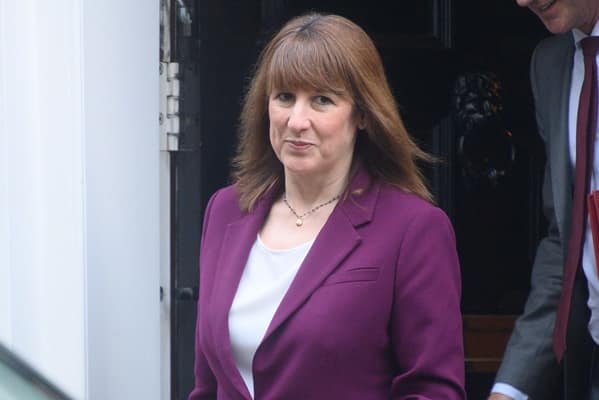
New data from Novuna Business Finance reveals the first green shoots of a potentially new upward trend in small business growth forecasts. Following a worrying 18-month period since mid-2024, when the percentage of small businesses predicting growth fell for five-consecutive quarters - to a five-year low of 25% - January 2026 sees an upturn, with 27% of enterprises predicting growth for the first three-months of 2026.
Business
UK news
fromLondon Business News | Londonlovesbusiness.com
3 months agoUK business confidence climbs as fast-payout platforms lead digital innovation - London Business News | Londonlovesbusiness.com
UK business confidence rose ten points to 47% in early 2025, led by strong gains in London, the West Midlands and the East Midlands.
fromLondon Business News | Londonlovesbusiness.com
3 months agoUK businesses face confidence crisis, BDO data reveals - London Business News | Londonlovesbusiness.com
The latest reading of BDO's Optimism Index, which surveyed over 4,000 executives, shows confidence has dropped to levels last seen during the early stages of the pandemic, with businesses across the services and manufacturing sectors citing persistent inflation, rising costs and weak demand as key factors. The findings come at a fragile moment for the UK, as companies face ongoing uncertainty around interest rates, labour shortages and subdued consumer spending.
Business
fromBoston.com
4 months agoBay State business outlook remains gloomy entering new year
Companies across the state say rising operating costs continue to squeeze their outlook, according to the latest Associated Industries of Massachusetts Business Confidence Index. Confidence in both the state and U.S. economies has dropped more than 15 points from a year ago, even as consumer spending holds steady and business investment shows resilience. "Consumer spending has remained relatively resilient, supported by steady job growth, rising real wages in some sectors, and strong balance sheets among higher-income households," said Sara Johnson, chair of the AIM Board of Economic Advisors.
Business
Fundraising
fromLondon Business News | Londonlovesbusiness.com
4 months agoUK business leaders show renewed appetite for risk as confidence returns - London Business News | Londonlovesbusiness.com
47% of UK business leaders report higher risk appetite, reflecting growing optimism and strong private-equity interest despite persistent cost pressures.
fromBusiness Matters
4 months agoIoD: business confidence ticks up in December, but hiring and investment remain under pressure
The IoD's Directors' Economic Confidence Index, which tracks business leader optimism about the wider UK economy, rose to -66 in December, up from -73 in November, which had been measured immediately before the Budget.
UK news
fromLondon Business News | Londonlovesbusiness.com
4 months agoReeves warned she has 'shattered business confidence with tax hikes' - London Business News | Londonlovesbusiness.com
We are now at a level where we can't tax anybody any more, but we can't borrow any more, so we are really at the mercy of those people we've borrowed from, so if they lose confidence in us, we have serious issues.
UK politics
fromBusiness Matters
4 months agoBudget tax raid on salary sacrifice schemes rattles business confidence
A £5 billion tax raid on salary sacrifice pension schemes announced in Rachel Reeves's Budget has emerged as the single most damaging policy for business confidence, according to new research from the Confederation of British Industry. Almost three-quarters (73%) of companies surveyed by the CBI said the move to levy national insurance contributions on pension salary sacrifice above a new cap was the most harmful measure in the Budget, warning it risks deterring workers from saving for retirement and disproportionately hitting middle earners.
UK politics
Food & drink
fromLondon Business News | Londonlovesbusiness.com
4 months agoFlat November sales deepen hospitality's challenges after Budget blows - London Business News | Londonlovesbusiness.com
UK managed hospitality groups entered the crucial Christmas period with flat November sales, weak restaurant trading, rising costs from Budget changes, and low industry confidence.
fromBusiness Matters
5 months agoBusinesses left 'in limbo' during Budget speculation as confidence slumps
The UK's private sector spent much of the autumn effectively "in limbo", delaying investment and hiring decisions amid weeks of swirling Budget speculation that business leaders say left them bruised and uncertain about the government's intentions. The latest monthly survey from the Confederation of British Industry (CBI) reveals that firms sharply downgraded expectations for activity in the months ahead. The composite measure for anticipated private-sector activity fell to -27 in November,
UK news
fromwww.theguardian.com
5 months agoStarmer facing Labour backlash over sellout' U-turn on employment rights bill UK politics live
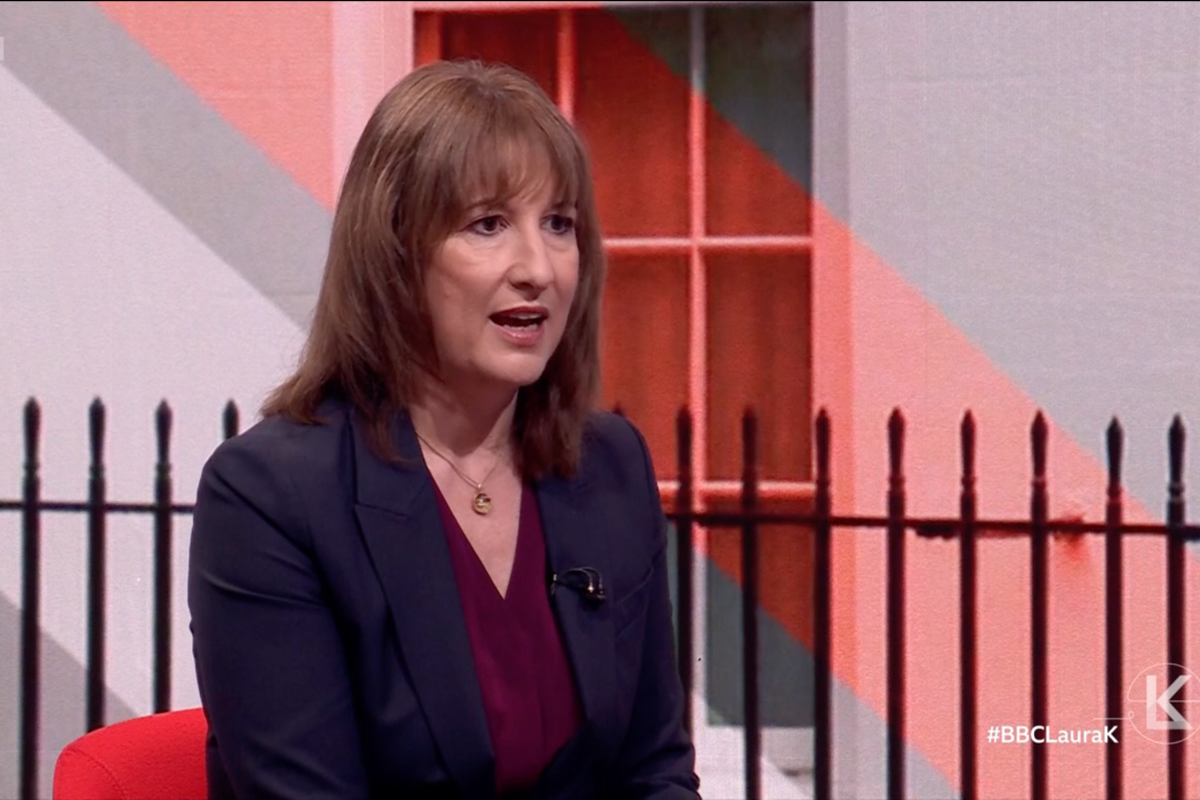
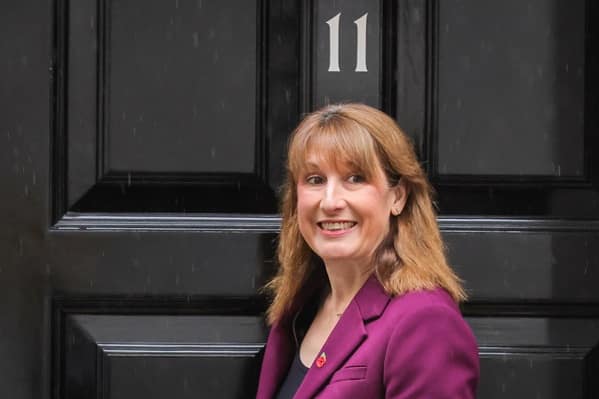
On Monday, I told a conference of Britain's biggest businesses that Labour's day one employment rights policy would destroy jobs and drag our country backwards. Four days later, and in the aftermath of their disastrous budget, Starmer and Reeves have finally woken up to just how bad these policies actually are. This is yet another humiliating u-turn. Labour talk about stability but govern in chaos. No company can plan, invest or hire with this level of uncertainty hanging over them.
UK politics
UK politics
fromBusiness Matters
5 months agoBudget 'tone deaf' and 'a bit pathetic', says AO World boss as Reeves refuses to rule out further tax rises
Rachel Reeves' Budget drew sharp business criticism as tone-deaf, prioritising welfare and potential tax rises over growth, investment, and private-sector confidence.
UK politics
fromLondon Business News | Londonlovesbusiness.com
5 months agoReeve's urged to use the Budget as a 'turning point' for businesses - London Business News | Londonlovesbusiness.com
Scottish businesses face soaring hiring and cost pressures, causing record-low confidence and stalled investment, urging budget measures to unlock growth.
UK politics
fromLondon Business News | Londonlovesbusiness.com
5 months agoTax hikes will leave a third of family firms facing closure before the next election - London Business News | Londonlovesbusiness.com
UK family businesses face major instability from proposed wage, tax, VAT, and inheritance tax changes, prompting closures, sales, price rises, job cuts, and halted investment.
Business
fromLondon Business News | Londonlovesbusiness.com
5 months agoRed Box to determine fate of British businesses as insolvencies rise - London Business News | Londonlovesbusiness.com
Company insolvencies rose 2% month-on-month and 17% year-on-year; Construction, Wholesale & Retail, and Accommodation & Food account for 47% of failures.
Business
fromLondon Business News | Londonlovesbusiness.com
6 months agoExpert warns of eroded trust caused by the hidden cost of tax reforms on SMEs - London Business News | Londonlovesbusiness.com
Frequent government tax changes and policy adjustments are eroding SME confidence and hindering their ability to plan, invest, and pursue growth.
fromBusiness Matters
6 months agoReeves' tax plans could drive one in eight UK businesses overseas
One in eight UK small and medium-sized enterprise (SME) leaders are planning to relocate themselves, their companies, or both overseas, citing rising taxes and mounting regulatory costs, according to a new report by Rathbones. The research, released just weeks before Chancellor Rachel Reeves delivers her Autumn Budget, paints a bleak picture of business confidence across the UK's private sector. If realised, the potential exodus could involve around 680,000 firms out of the UK's 5.67 million SMEs
UK news
UK news
fromLondon Business News | Londonlovesbusiness.com
6 months agoThree-quarters of businesses freeze investment amid fears of tax rises in Budget - London Business News | Londonlovesbusiness.com
Eighty-four percent of UK business leaders fear Budget tax increases and seventy-five percent are delaying hiring or investment decisions until after the Budget.
fromLondon Business News | Londonlovesbusiness.com
7 months agoProductivity strongest in UK mid-market segment for seventh year - London Business News | Londonlovesbusiness.com
Analysis from Grant Thornton UK finds that labour productivity of UK mid-size businesses, when measured as average annual revenue per employee, has surpassed that of larger and smaller companies, and the UK average, for the past six years. Compiled in advance of the Autumn Budget 2025, the research, which analyses labour productivity levels of UK businesses over the past eleven years, finds that, in 2024, the productivity gap by company size continued to widen, with mid-size businesses (MSBs) pulling further ahead than other segments.
UK news
fromLondon Business News | Londonlovesbusiness.com
7 months agoBusiness ambition must be matched by political 'full throttle economy delivery' - London Business News | Londonlovesbusiness.com
Mr Donaldson, CEO, The Maxol Group, called on Stormont and Westminster politicians to shift gears from strategies to 'full throttle economic delivery' and build on the UK-EU Common Understanding on trade and emissions cooperation, US trade deals, north-south trade successes and improved rail links between Belfast and Dublin. He said: "These are serious times that demand serious solutions... Business should be the engine of growth, and I know that the firms in this room are ready to play their part - but confidence hinges on tangible results that people can feel in their daily lives."
Business
London politics
fromLondon Business News | Londonlovesbusiness.com
7 months agoSMEs are nervous ahead of Reeve's upcoming Budget and are 'anticipating another blow' - London Business News | Londonlovesbusiness.com
Rising operating and energy costs are forcing London businesses to raise prices, weaken confidence, and threaten growth, recruitment, and jobs.
UK news
fromLondon Business News | Londonlovesbusiness.com
7 months agoNCUB warns UK in danger of falling behind in business R&D - London Business News | Londonlovesbusiness.com
UK attractiveness for life sciences and R&D investment is weakening, risking lost projects and jobs due to paused investments, falling business R&D and policy uncertainty.
Business
fromLondon Business News | Londonlovesbusiness.com
8 months agoSouth African stocks edge higher, PMI data remains in expansion territory - London Business News | Londonlovesbusiness.com
South African stocks rose modestly as the PMI remained marginally in expansion, input-price pressures eased, and markets await Q3 business confidence data.
fromBusiness Matters
8 months agoUK seen as top destination for tech growth ahead of US, Europe and APAC, says Barclays
The UK is emerging as one of the world's most attractive destinations for technology businesses, outpacing rivals in the US, Europe and Asia-Pacific, according to new research from Barclays. The bank's latest Business Prosperity Index found that 62 per cent of UK tech leaders see their home market as a better place to grow and scale a business than mainland Europe, with 61 per cent preferring the UK to Asia-Pacific and 60 per cent favouring it over the US.
UK news
Business
fromLondon Business News | Londonlovesbusiness.com
8 months agoTransport & storage sector companies are on a rollercoaster ride - London Business News | Londonlovesbusiness.com
Only 9% of transport and storage companies reported increased turnover in July, far below most sectors and second-lowest after the arts.
fromLondon Business News | Londonlovesbusiness.com
8 months agoMany hospitality leaders have been forced to raise prices and reduced staff levels - London Business News | Londonlovesbusiness.com
Just over half (53%) of leaders say revenue increased year-on-year over the second quarter-nearly double the 28% who say it dropped. However, increases are largely the result of higher menu prices and new openings, and the CGA RSM Hospitality Business Tracker has indicated broadly flat spending on a like-for-like basis in the first half of 2025. Meanwhile, higher costs-including higher minimum pay levels and National Insurance contributions from April, as well as sustained inflation in food and drink-have hurt the margins of many operators.
UK news
UK news
fromLondon Business News | Londonlovesbusiness.com
10 months agoChancellor warned small business growth forecasts has crashed to lockdown levels - London Business News | Londonlovesbusiness.com
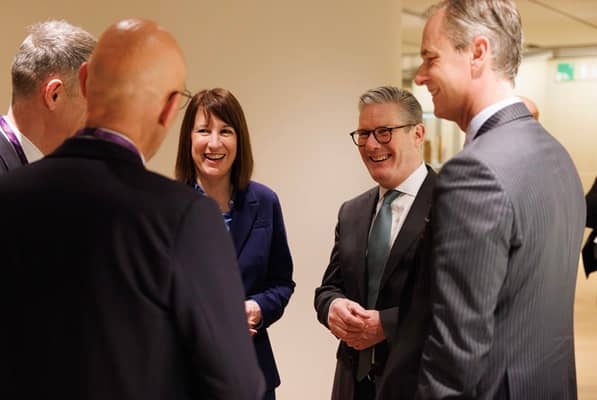
UK small business growth predictions have dropped for four consecutive quarters, reaching a five-year low of 26%.
London's small business growth outlook fell sharply from 48% to 37%.




UK news
fromLondon Business News | Londonlovesbusiness.com
11 months agoThe services sector has suffered a 'tough first half of the year' amid Chancellor's tax hikes - London Business News | Londonlovesbusiness.com
The services sector is facing a sharp decline in business confidence and profitability due to rising costs and weakening demand.
London
fromLondon Business News | Londonlovesbusiness.com
1 year agoLondon business confidence falls in April, but remains above UK average - London Business News | Londonlovesbusiness.com
Business confidence in London has significantly decreased, reflecting firms' concerns about their prospects and the economy.
[ Load more ]