#ancient-india
#ancient-india
[ follow ]

History
fromWorld History Encyclopedia
1 month agoBabylon: The Gate of the Gods
Babylon, ancient Mesopotamia's most famous city, rose from a minor port to the world's largest city under Hammurabi, later gaining infamy through biblical references that paradoxically ensured its modern fame and archaeological rediscovery.
fromYogaRenew
2 months agoThe Ahankara
They look nervously at the cameras. The prize, they are told, is beyond description, but "it is what everyone wants!" The first question is asked: "Who are you?" The fastest contestant with the buzzer rings in - "Michelle!" they cry out confidently. BUZZ - the sound for the wrong answer rings out loudly. Another contestant seizes the moment and squeezes their buzzer. "A Man!" he states with utmost confidence. BUZZ - wrong again.
Philosophy
History
fromWorld History Encyclopedia
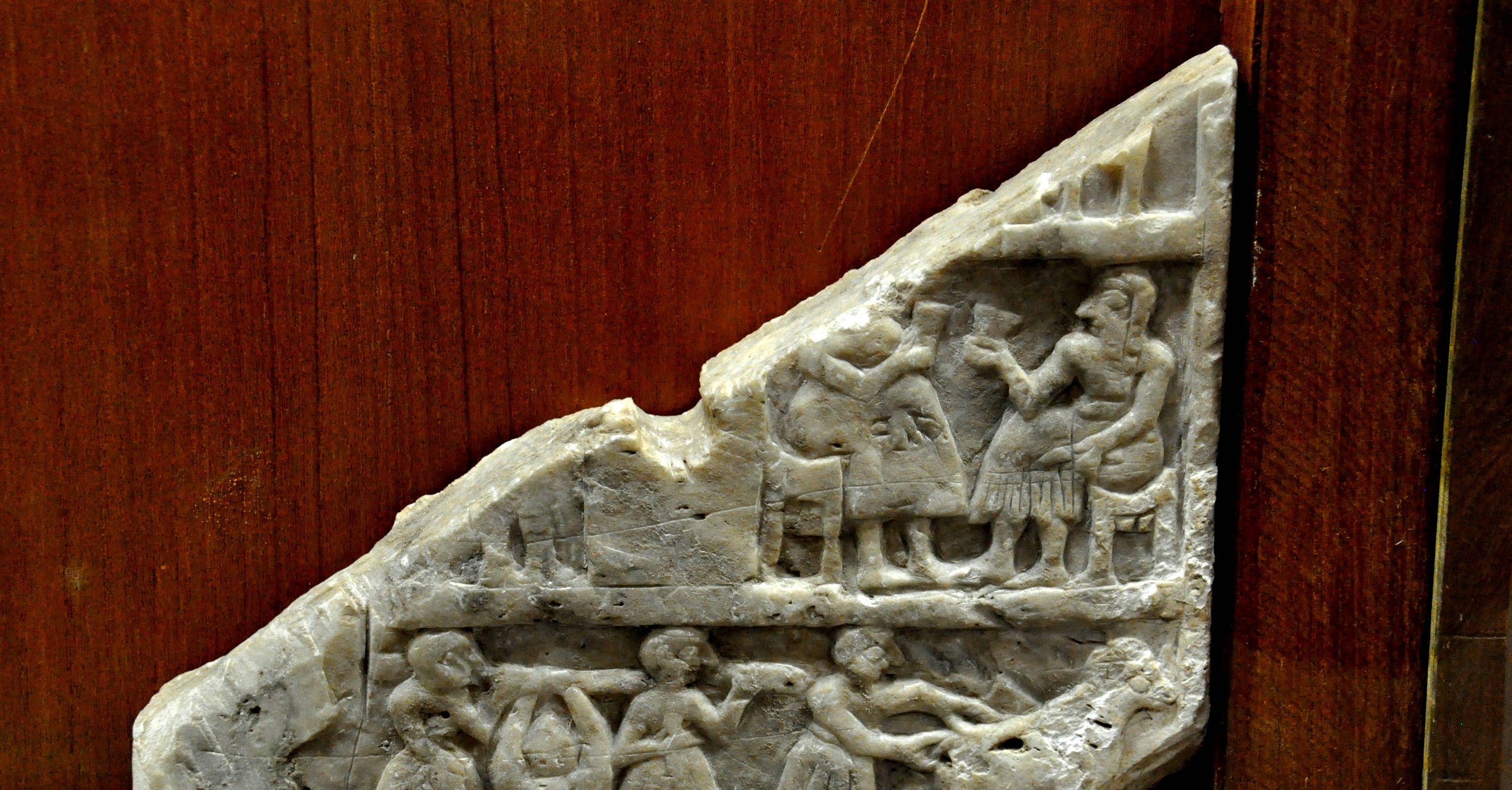
2 months agoMesopotamian Art and Architecture: The Birth of Art and Architecture in the Ancient World
Mesopotamian art and architecture began over 7,000 years ago, evolving from northern sites into Sumerian innovations and sustained through multiple ancient Mesopotamian periods.
fromWorld History Encyclopedia
2 months agoFestivals in Ancient Mesopotamia: Courting the Goodwill of the Gods
as the gods were understood as the true monarchs and the king as simply their steward. In order to maintain his authority, the king needed to court the goodwill of the gods, and although they made their approval clear through military victories, bountiful harvests, and prosperous trade, events such as the Akitu festival provided an annual opportunity for the divine to continue its relationship with the ruling house or withdraw its favor.
History
fromMail Online
2 months agoMysterious symbols spanning the globe hint at a lost civilization
His investigation began after identifying recurring giant T-shapes, three-level indents, and step pyramids carved into ancient stones worldwide. 'These specific symbols that are built in different size proportions, and the symbols are found in ancient stones around the world, are not supposed to exist; no cultures are supposed to have any cross-platform,' LaCroix explained. The symbols appear in locations ranging from Turkey's Van region to South America and Cambodia.
History
[ Load more ]