#mesopotamia

[ follow ]
History
fromWorld History Encyclopedia
1 week ago

Mesopotamia: The Beginning of Beginnings

Mesopotamia, situated between the Tigris and Euphrates, pioneered cities, writing, legal codes, technology, and social institutions foundational to civilization.
History
fromWorld History Encyclopedia
1 week ago

Daily Life in Ancient Mesopotamia: Mirroring the Modern World

Mesopotamian daily life varied across many independent city-states yet shared common urban patterns, abundant written records, and a clear hierarchical social structure from kings to slaves.
History
fromWorld History Encyclopedia
1 week ago

Ghosts in Ancient Mesopotamia: Just Another Aspect of Life

Ghosts were integral to Mesopotamian belief: deceased spirits required proper burial and ongoing remembrance or they could return to haunt the living.
#cuneiform
fromWorld History Encyclopedia
3 weeks ago

Trade in Ancient Mesopotamia: How Commerce Encouraged Civilization

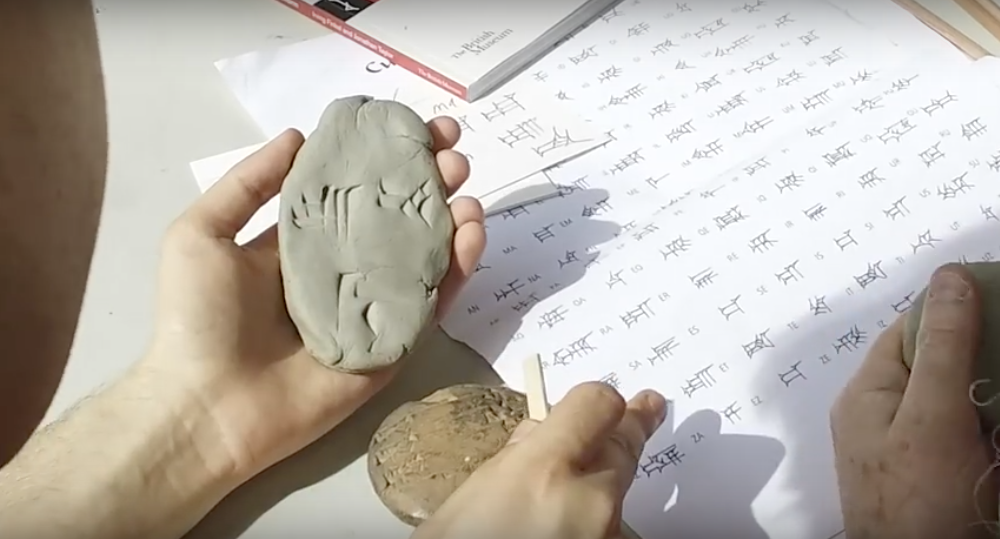
Local trade in ancient Mesopotamia began in the Ubaid period (circa 6500-4000 BCE), had developed into long-distance trade by the Uruk period (circa 4000-3100 BCE), and was flourishing by the time of the Early Dynastic period in Mesopotamia (circa 2900-2350/2334 BCE). Developments in trade continued up through 651 CE, the beginning of the medieval period of the Near East. Trade began in Mesopotamia for the same reason it did anywhere else - need.
History
#sumer
History
fromWorld History Encyclopedia
1 month ago

Mesopotamian city laments: a way to explain mass suffering

City laments portray urban destruction as divine decision resulting in abandonment by the city's tutelary god, suffering, and eventual restoration through the god's return.
History
fromNature
1 month ago

Ancient pottery reveals early evidence of mathematical thinking

Symmetrical botanical motifs on ancient pottery reveal structured spatial division and mathematical thinking predating formal written numbers.
Medicine
fromwww.dw.com
2 months ago

Not just hocus pocus: when words were used to treat the sick DW 12/19/2025

Incantations historically personified illnesses as demons or body parts and were used alongside physical remedies to expel disease.
History
fromBig Think
3 months ago

The word for"wind": How ancient civilizations explained an invisible force

Sumerian cuneiform recorded weather terms including a word for wind, lil, with wind understood primarily through its visible effects rather than its invisible cause.
fromNature
5 months ago

Changing tides ushered in the world's first civilization

Construction of tidal irrigation systems helped to drive the formation of city states some 5,000 years ago.
History
[ Load more ]