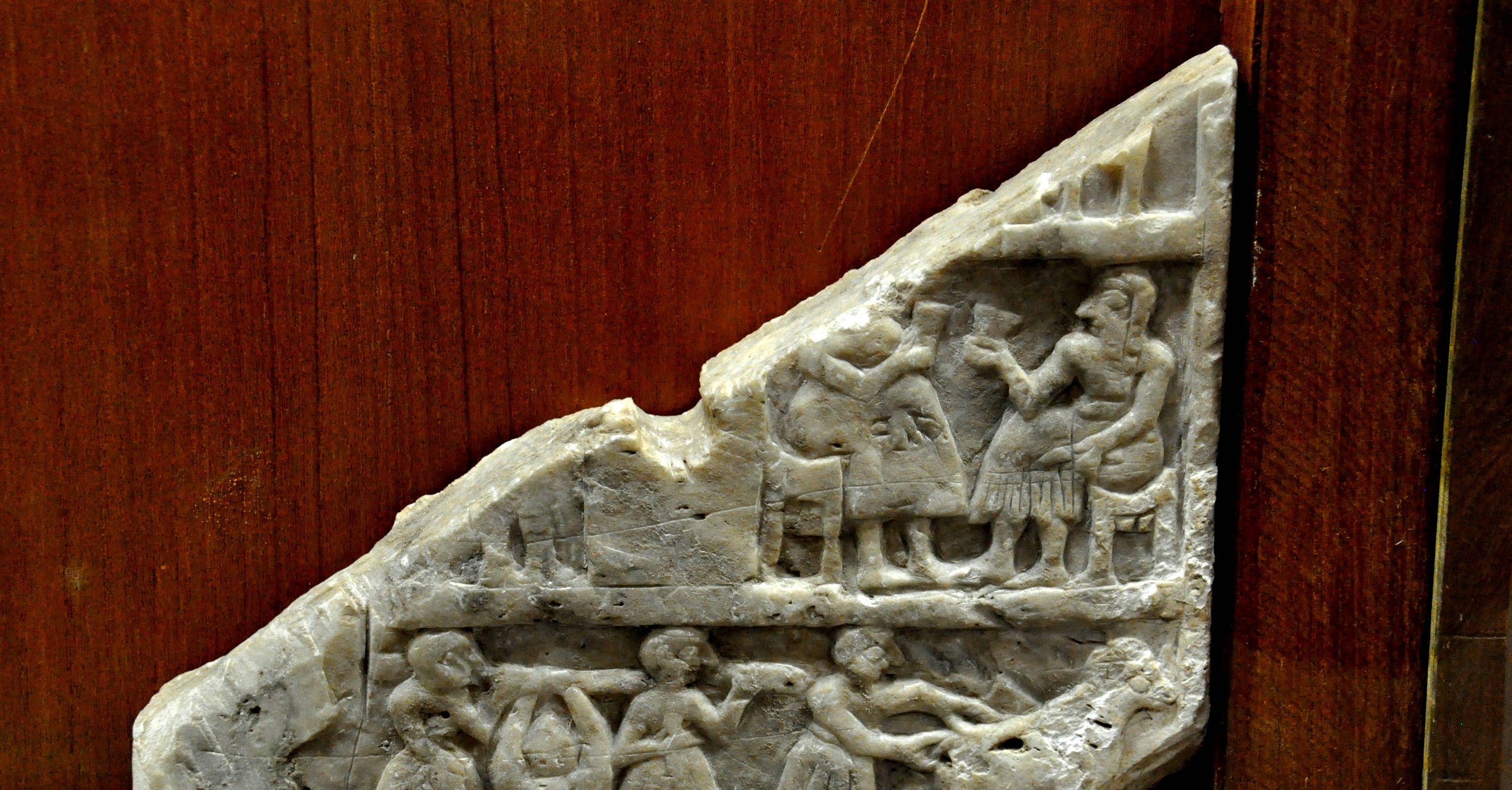
"Generally speaking, though, from the rise of the cities circa 4500 BCE to the downfall of Sumer in 1750 BCE, the people of the regions of Mesopotamia did live their lives in similar ways. The civilizations of Mesopotamia placed a great value on the written word. Once writing was invented, circa 3600/3500 BCE, the scribes seem almost obsessed with recording every facet of their cities' lives,"
"Wilder was writing fiction, of course, not history, and there was much about Mesopotamian history still unknown at the time he wrote his play; still, he was wrong about what the modern world, even the world of his day, knew about the people of Mesopotamia. There is actually far more known about ancient Mesopotamia than just the names of kings and the sales of slaves."
Ancient Mesopotamia consisted of multiple ethnicities and independent kingdoms rather than a single unified civilization, even during the Akkadian Empire of Sargon of Akkad (reign 2334–2279 BCE). From the emergence of cities around 4500 BCE until the fall of Sumer in 1750 BCE, many inhabitants shared similar daily patterns. Writing appeared circa 3600–3500 BCE, and scribes recorded diverse aspects of urban life, producing abundant documentary evidence. City populations varied—Uruk around 50,000, Akkad 36,000, Mari 10,000 circa 2300 BCE. Societies exhibited hierarchical classes: king and nobility, priests, upper and lower classes, and slaves.
Read at World History Encyclopedia
Unable to calculate read time
Collection
[
|
...
]