#american-identity
#american-identity
[ follow ]
#trump-administration #immigration #trump #immigration-policy #triumphal-arch #authoritarianism #racism









fromFast Company
1 month agoA record number of Americans want out-now the government is making it easier
Starting next month, the cost of renouncing your U.S. citizenship will go down dramatically - a boon for people already shouldering the burden of paying for a major overseas move. Anyone wishing to formally shed their American citizenship is required to obtain a form called a Certificate of Loss of Nationality, and right now it comes with a whopping $2,350 fee. In April, that fee will drop by 80% to $450.
US Elections
Law
fromAbove the Law
1 month agoStanding Up And Cheering For American-ish Principles - Above the Law
Trump's State of the Union challenge to Democrats about protecting American citizens over illegal aliens was a rhetorical trap that oversimplified complex policy issues requiring nuanced discussion rather than simple yes-or-no responses.
US Elections
fromBuzzFeed
1 month agoFormer US Residents, Tell Us Why You Left And Your Unfiltered Thoughts About America Right Now
Record numbers of Americans are leaving the country, citing exhaustion from financial stress, lack of work-life balance, inadequate healthcare, and political polarization compared to better social systems abroad.
fromJezebel
1 month agoThe U.S. Is So Over World Peace It Erased the Olive Branch from the Dime
For a nation whose founding symbols were carefully engineered around the balance of peace and war, that omission is hard to read as accidental. Dropping the olive branch from the dime isn't just a design choice: it's a cultural signal.
Washington DC
US politics
fromInside Higher Ed | Higher Education News, Events and Jobs
1 month agoThis Is What Democracy Looks Like
Recent federal actions have weakened voting rights protections established by the Voting Rights Act of 1965, particularly affecting college students and first-time voters through investigations and restrictions on voting engagement studies.
fromPsychology Today
2 months agoAmerica Is Fraying, What Comes Next?
The air feels heavier. And the struggles are changing shape. Beyond my office walls, the world is shifting, and my clients sense the tremors. The things they once trusted, global order, democratic norms, and even their own personal safety, no longer feel solid. They feel brittle, as if one strong wind could bring it all down. And what they're sensing isn't imagined.
Relationships
fromFortune
2 months agoAmerica marks its 250th birthday with a fading dream-the first time that younger generations will make less than their parents | Fortune
Few ideas are as central to the nation's identity as that of the American Dream. With the 250th birthday of the United States coming up in July 2026, it's worth stepping back to examine a concept essential to the nation's self-image. The term "American Dream" was actually coined in the 1930s by historian James Truslow Adams. Ever since the establishment of the Colonies, however, America has been viewed as a land where individual and collective hopes and aspirations can be realized.
History
fromThe Atlantic
1 month agoA Word for Our Troubled Times
A record high of adults—80 percent—believes that Americans are divided on the most important values. National pride, trust in government, and confidence in institutions are near record lows. The Princeton University historian Sean Wilentz says the United States hasn't been this divided since the Civil War. Nearly half of Americans think another civil war is likely in their lifetime.
US politics


fromThe Atlantic
2 months agoYes, It's Fascism
For one thing, there were too many elements of classical fascism that didn't seem to fit. For another, the term has been overused to the point of meaninglessness, especially by left-leaning types who call you a fascist if you oppose abortion or affirmative action. For yet another, the term is hazily defined, even by its adherents. From the beginning, fascism has been an incoherent doctrine, and even today scholars can't agree on its definition. Italy's original version differed from Germany's, which differed from Spain's.


fromThe American Conservative
2 months agoOn Immigration, MAGA Needs Less Morality
President Donald Trump's MAGA movement suffers from an excess of morality. On no issue is that more apparent, and more self-damaging, than immigration. That claim likely would strike both the right and the left as absurd. The former sees itself as hard-nosed realists who will do whatever necessary to take back their nation. And the latter doesn't see much MAGA morality in Minneapolis, where this weekend immigration officers again shot dead a disruptive protester, the second this month.
Right-wing politics
fromThe American Conservative
2 months agoHeritage in the Arena
"It is not the critic who counts," President Theodore Roosevelt once said. "The credit belongs to the man who is in the arena." The Heritage Foundation has been in the arena for many years, fighting many battles, so it's no surprise that it has attracted many critics as well. And while Heritage cannot claim perfection, this much is certain: We have stayed true to our mission despite the critics;
Right-wing politics
fromenglish.elpais.com
2 months agoThe odyssey of gaining US citizenship under Trump
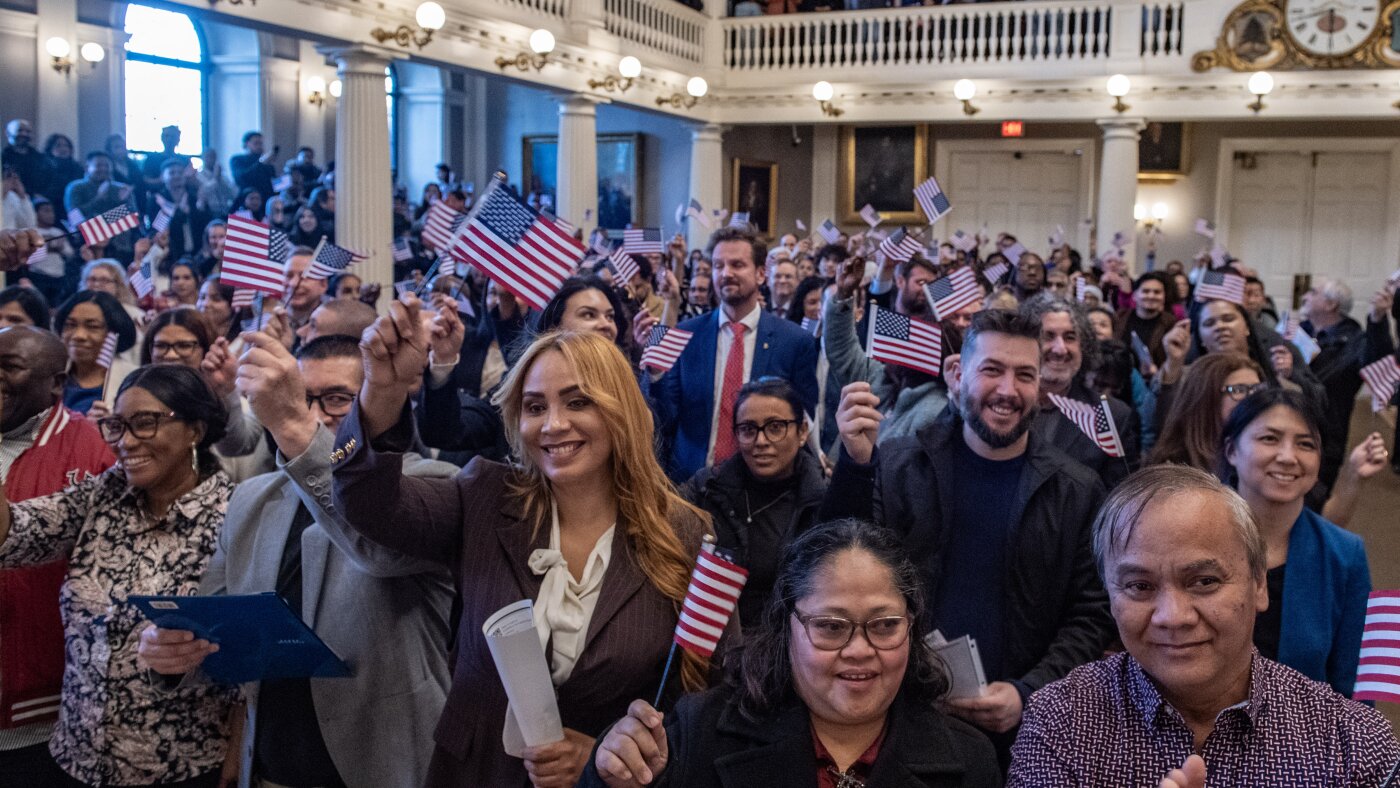
That was the case for Mailan Pacios, a 28-year-old Cuban immigrant living in Tennessee, who was scheduled to take her citizenship exam on January 8, only to receive a notice on January 3 that her appointment had been canceled. It was like a bucket of cold water. It's very painful when you come with the hope of moving forward and this happens, says Pacios, who has two children, owns an air-conditioning business, and insists she has never had legal problems nor been a public burden.
US politics
[ Load more ]