World news
World news
[ follow ]
#bushfires #government-formation #sudan #tunisia #general-shen-yi-ming #gotabaya-rajapaksa #sri-lanka




fromwww.aljazeera.com
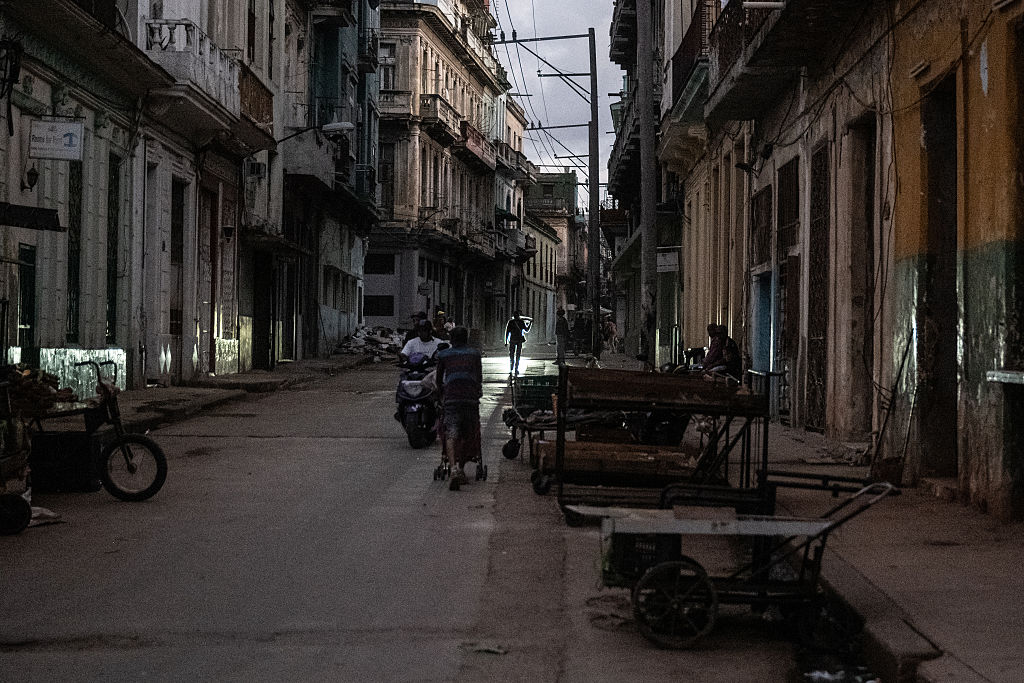
12 hours agoUN urges independent probes into deadly Nigeria, Chad air attacks
I am shocked by reports that Nigerian army airstrikes on a market in Zamfara state killed at least 100 civilians on 10 May and injured many more, UN High Commissioner for Human Rights Volker Turk said in a statement on Wednesday.
World news
fromwww.aljazeera.com
12 hours agoIsraeli attacks on Gaza increased by 35% since Iran ceasefire: Report
Conflict monitor ACLED, which tracks Israeli attacks in Gaza, said in a report on Wednesday that Israel had carried out 35 percent more attacks in April than in March. According to Gaza's Ministry of Health, 120 Palestinians, including eight women and 13 children, have been killed in Israeli attacks on Gaza since the US-Israel war on Iran halted on April 8, a 20 percent increase compared with the five weeks prior when Israel was striking Iran.
World news
fromLondon Business News | Londonlovesbusiness.com
15 hours agoOil prices could rise further, but suppliers adoption might make some balance - London Business News | Londonlovesbusiness.com
Light Crude Oil Futures (WTI) are now at 100.92, down 1.23%. Meanwhile, ICE Brent crude Futures also declined, trading at 106.49, down 1.19%. The upward factors for oil prices remain in place amid the absence of any sign of an imminent diplomatic settlement to the Middle East war, keeping the door open to escalation risks that could deepen the damage to the region's oil production and export infrastructure.
World news
fromwww.aljazeera.com
11 hours agoWhy Trump decided to back Iraq's prime minister-designate, Ali al-Zaidi
Support from Washington is conditional on clear progress in curbing pro-Iran militia activity. The decision by United States President Donald Trump to back Ali al-Zaidi as Iraq's next prime minister may have surprised some quarters. But when one looks into whom Trump was trying to keep out, his motivation becomes clear. Iraq's dominant parliamentary bloc, the Coordination Framework, a coalition of Shia parties aligned with Iran, had initially thrown its weight behind former Prime Minister Nouri al-Maliki.
World news
fromFortune
5 hours agoMalaysia is shocked, shocked to find Iranian-linked tankers slipping through its waters | Fortune
Malaysia's maritime agency says Iranian-linked tankers are exploiting "jurisdictional gaps" to conduct ship-to-ship transfers of sanctioned oil near its waters, rejecting allegations that authorities ignored a long-running trade allowing Iran to evade U.S. sanctions.
World news
World news
fromLondon Business News | Londonlovesbusiness.com
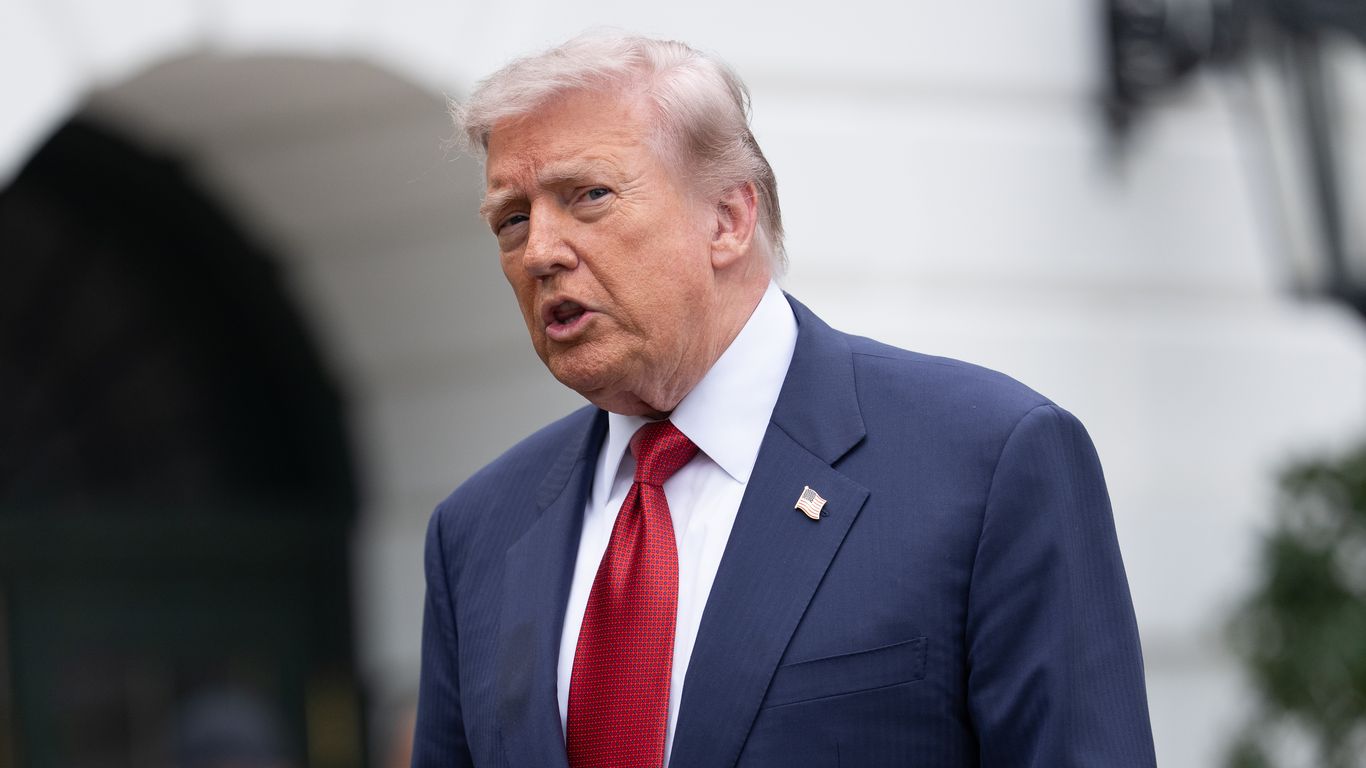
1 day agoTrump warns ceasefire is 'on life support' amid Iran tensions - London Business News | Londonlovesbusiness.com
Iran has deployed 10,000 drones to regular forces amid fears of renewed US-Israeli conflict, while Western intelligence warns of cyber and AI disruption targeting aligned states like the UK.
#us-iran-relations


World news
fromRadioFreeEurope/RadioLiberty
2 days agoFormer Senior US Diplomat Gordon Gray: Iran Talks Likely To Continue Despite Trump's Latest Rejection
Indirect US-Iran negotiations are likely to continue despite pressure and pain on both sides, with obstacles coming from both Washington demands and Tehran red lines.

World news
fromwww.mediaite.com
1 day agoMS NOW Host Roasts Trump Over Meandering' and Surreal' Oval Office Rant on Shooting Down Missiles
Trump delivered a lengthy Oval Office digression during a maternal health event, including surreal missile-intercept remarks, while preparing for a high-stakes Beijing trip.
fromwww.theguardian.com
1 day agoIn the 1979 hostage crisis, why did Iran free 10 Black Americans before the others?
On 4 November, a student demonstration outside the US embassy in Tehran erupted into an all-out assault on the compound, and 66 Americans were taken hostage. It was the culmination of decades of tension, beginning with the US and Britain's role in installing the Shah of Iran to safeguard energy interests, and ending with a popular uprising that toppled his oppressive regime and drove him into exile.
World news
fromwww.aljazeera.com
1 day agoPalestine weekly wrap: Israeli settlers rampage through West Bank villages
We are building the Land of Israel and destroying the idea of a Palestinian state, said Israeli Finance Minister Bezalel Smotrich on Friday. The action that brought on his comments: Israel's uprooting of 3,000 Palestinian-planted trees in the occupied West Bank. The destruction of the trees so that illegal Israeli settlements can expand was one of a number of Israeli actions this week that emphasised Israel's continued push to expand its dominance over the West Bank.
World news
World news
fromFortune
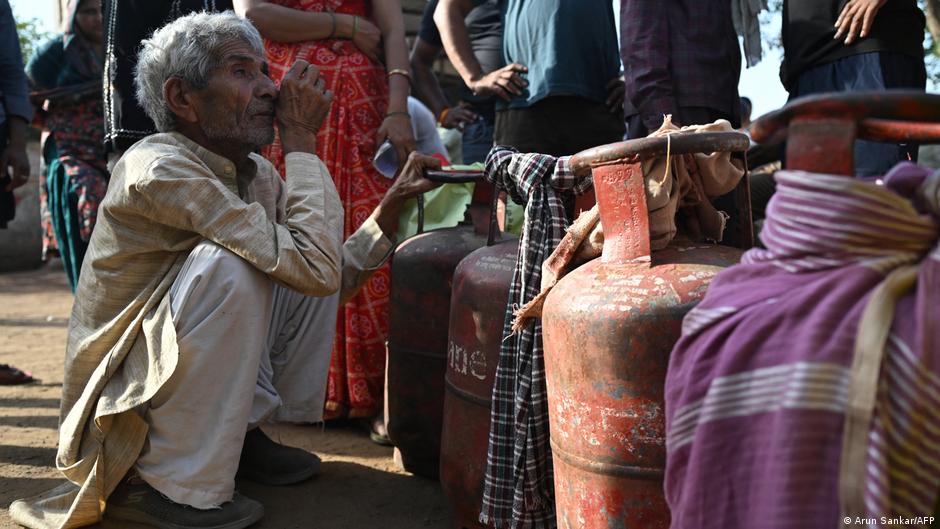
1 day agoIndia brings back COVID-era work-from-home rules and asks farmers to halve fertilizer use as the Iran war chokes its oil lifeline | Fortune
Work from home, use public transport or carpool, limit travel and spending, and reduce fertilizer use to conserve oil and foreign currency amid Strait of Hormuz disruptions.
fromwww.dw.com
1 day agoNigeria airstrike kills 100 at market, Amnesty says
At least 100 civilians have been killed in a Nigerian military airstrike on a crowded market in the country's northwest, Amnesty International said. The rights group's Nigerian office said the attack hit Tumfa market in Zamfara State on Sunday and is calling for an immediate investigation. "The authorities must investigate these deadly strikes, and put an end to reckless attacks on civilians," Amnesty said on social media. The Red Cross also confirmed the strike.
World news
fromwww.aljazeera.com
1 day agoOver 370 Afghans killed in Pakistan conflict in first 3 months of 2026: UN
At least 372 Afghan civilians were killed and 397 injured as a result of cross-border violence between Taliban forces and the Pakistani military in the first three months of 2026, the United Nations has reported, with more than half the deaths attributed to air raids on a drug rehabilitation facility in Kabul.
World news
fromwww.aljazeera.com
1 day agoGlobal energy crisis highlights meagre oil buffers in developing world
Governments in the Global South are among the least prepared to respond to the oil shock caused by the Iran war. As the blockade of the Strait of Hormuz drives the worst energy crunch in modern history, leading governments to scramble to unload their emergency oil stockpiles, developing countries are among the least prepared to mitigate the shock. Although surging fuel prices due to the fallout of the US-Israel war on Iran have impacted most of the world, import-reliant poorer countries are among the worst affected and the most lacking in energy reserves to cushion the blow.
World news
fromNature
2 days agoScience can take the lead in making better measures of economic growth
“Growth at any cost leaves us all poorer.” Those were the words of United Nations secretary-general António Guterres last week at the launch of a landmark report, Counting What Counts, which he commissioned from a team of researchers and policymakers ( www.un.org/beyondgdp). It proposes how countries can move beyond gross domestic product (GDP), the world's main indicator for the health of economies.
World news
World news
fromLondon Business News | Londonlovesbusiness.com
1 day agoSilver retreats after rally, amid stronger dollar and yields - London Business News | Londonlovesbusiness.com
Silver fell after a rally as a stronger US dollar and rising Treasury yields pressured non-yielding assets amid Middle East tension fears.
fromwww.thelocal.se
1 day agoSweden gang crime: Foxtrot leader's right-hand man arrested in Tunisia
Police said the man was considered a so-called "high value target" in the Swedish-led operation "Grimm" countering the surge of "violence as a service", referring to the online recruitment of individuals often minors to carry out violent acts. Those orchestrating the acts are often located abroad. The Foxtrot criminal network was formed in the late 2010s around Majid and has been connected to dozens of violent crimes in Sweden.
World news
#iran-us-peace-talks
World news
fromIrish Independent
2 days ago'I don't like it - totally unacceptable' - Trump rejects Iran's response to US proposal on peace talks
Iran proposed ending the war on all fronts, halting the US naval blockade, guaranteeing no further attacks, and lifting sanctions, but Trump rejected the response as unacceptable.
World news
fromwww.aljazeera.com
2 days agoIran says US making unreasonable' demands in negotiations to end war
Iran calls its ceasefire and Hormuz-unblocking proposal legitimate and generous while accusing the U.S. of unreasonable, one-sided demands and demanding war end, blockade lifting, and release of frozen assets.
World news
fromwww.theguardian.com
2 days agoMiddle East crisis live: Trump rejects Iran response to US peace proposal as Tehran warns of new attacks
Iran proposes ending the war by lifting US blockade and piracy, releasing frozen assets, ensuring Hormuz passage, and securing the region and Lebanon while seeking only its rights.
fromwww.aljazeera.com
2 days agoTrump says ceasefire on life support', slams Iran response to US proposal
Efforts between Washington and Tehran to reach an agreement continue to fall short, fueling concerns of return to war. Donald Trump says the ceasefire with Iran is on life support, after dismissing Tehran's response to a US peace proposal as stupid. The US president's swift rejection of Iran's response on Sunday has fuelled concerns that the 10-week-old conflict will drag on, and continue to paralyse shipping through the Strait of Hormuz.
World news
World news
fromFortune
2 days agoIran War is more than inconvenient for Bangladesh as millions consider leaving urban life to move back to the village | Fortune
Fuel shortages tied to the Iran war have reduced incomes, disrupted daily life, and raised inflation pressures across Bangladesh and other Asian economies dependent on imported energy.
fromwww.theguardian.com
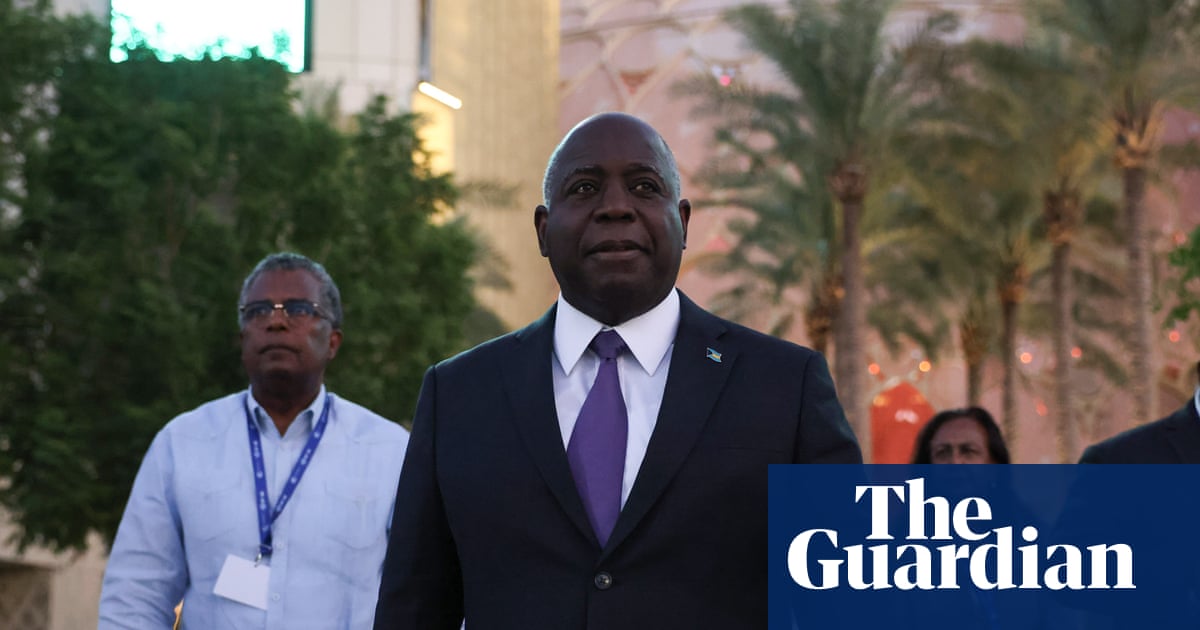
2 days agoUK slavery reparations must be top issue at Commonwealth summit, says campaigner
In the light of what transpired last time at Chogm, and the progress which has been made since then, and the activist agenda for the reparations movement, both in the Caribbean and Africa it would be absolutely inconceivable that you wouldn't have this being front and centre of the summit.
World news
[ Load more ]