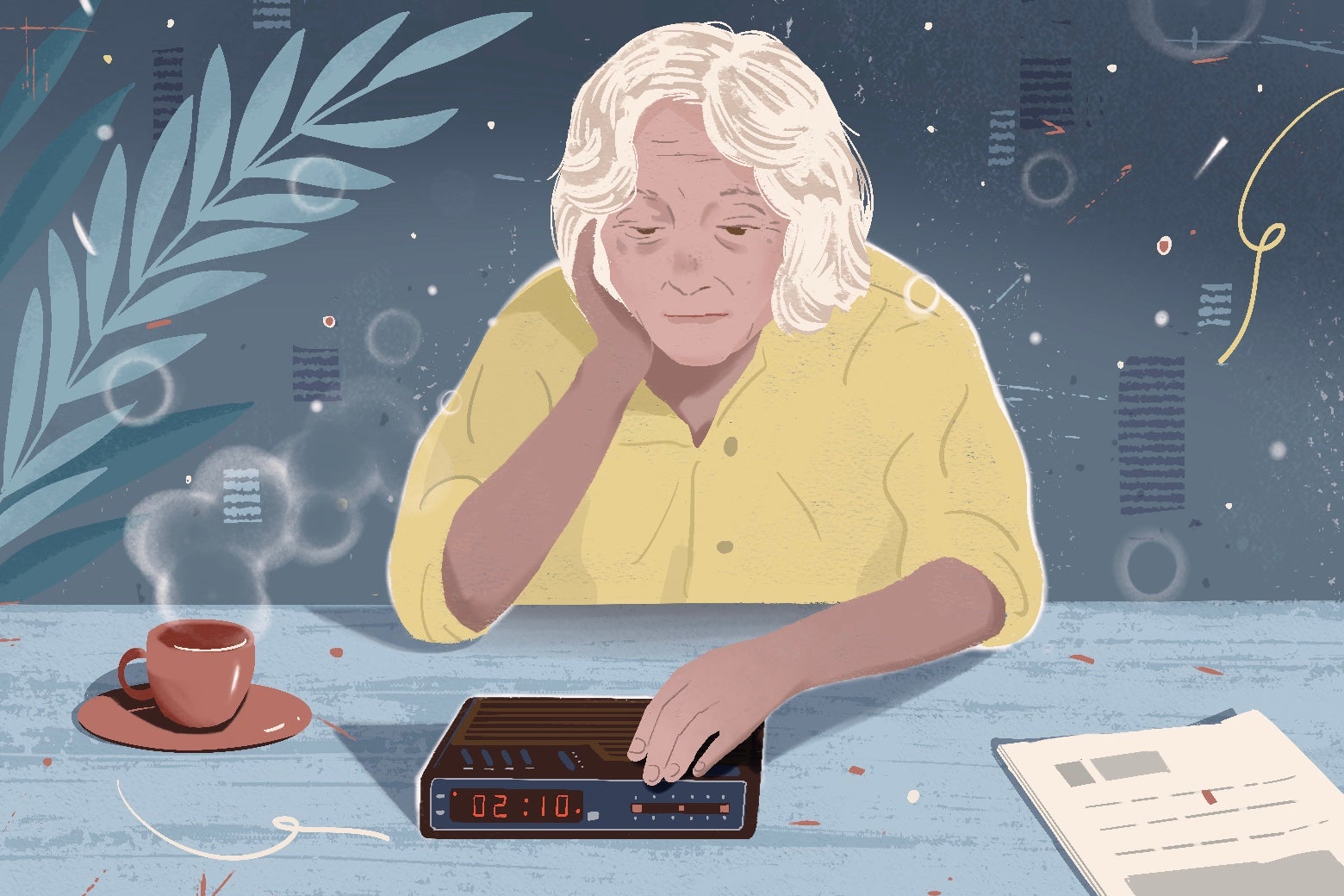
The design of alarm clocks, particularly the snooze button, is praised for its user-friendly features that accommodate half-asleep users. The ease of hitting snooze contrasts sharply with the effort required to turn off an alarm. Many individuals, especially those working from home, have developed unhealthy sleep habits, exacerbated by the pandemic. The convenience of remote work has allowed people to delay their wake-up times, leading to increased reliance on the snooze function, which can become problematic over time.
"The broad, easily accessible snooze button was made with half-asleep fumbling in mind, how it literalizes a trade-off you're making for a little more shut-eye."
"Snoozing on a smartphone, some of which have a default setting of allowing only three snoozes, just isn't the same."
"For a lot of people like me with work-from-home-friendly jobs, the pandemic and the rise of remote work made it possible to push our sleep schedules ever later."
"After 20 or so years of use, some back-of-the-envelope math tells me that I've probably hit my alarm clock's snooze button somewhere on the order of 10,000 times."
Read at Slate Magazine
Unable to calculate read time
Collection
[
|
...
]